Reischauer Susanne, Pieber Bartholomäus
Department of Biomolecular Systems, Max Planck Institute of Colloids and Interfaces, Am Mühlenberg 1, 14476 Potsdam, Germany.
Department of Chemistry and Biochemistry, Freie Universität Berlin, Arnimalle 22, 14195 Berlin, Germany.
iScience. 2021 Feb 19;24(3):102209. doi: 10.1016/j.isci.2021.102209. eCollection 2021 Mar 19.
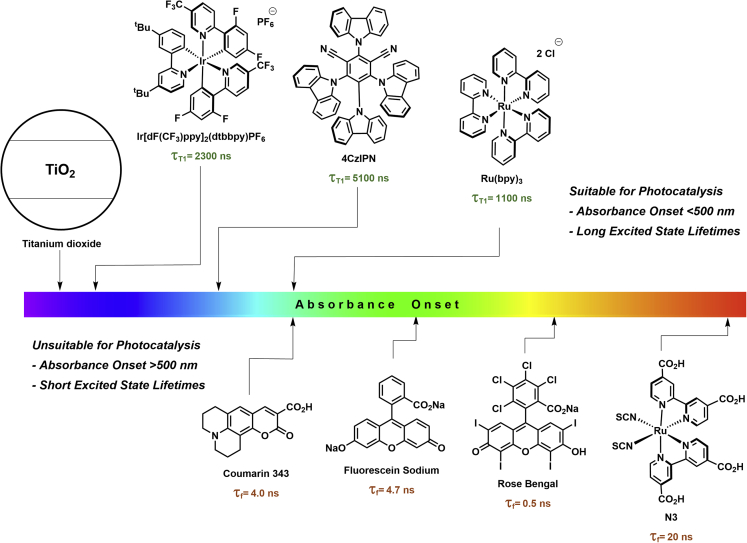
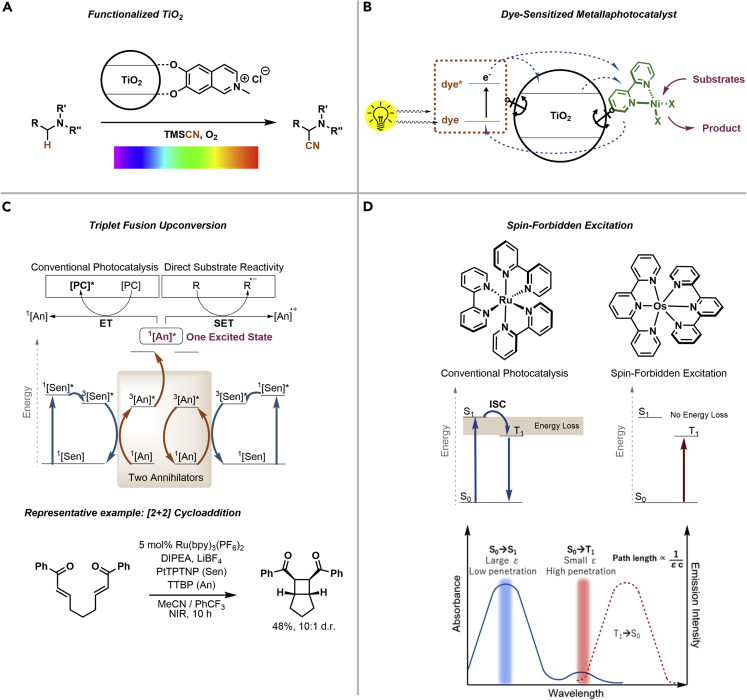
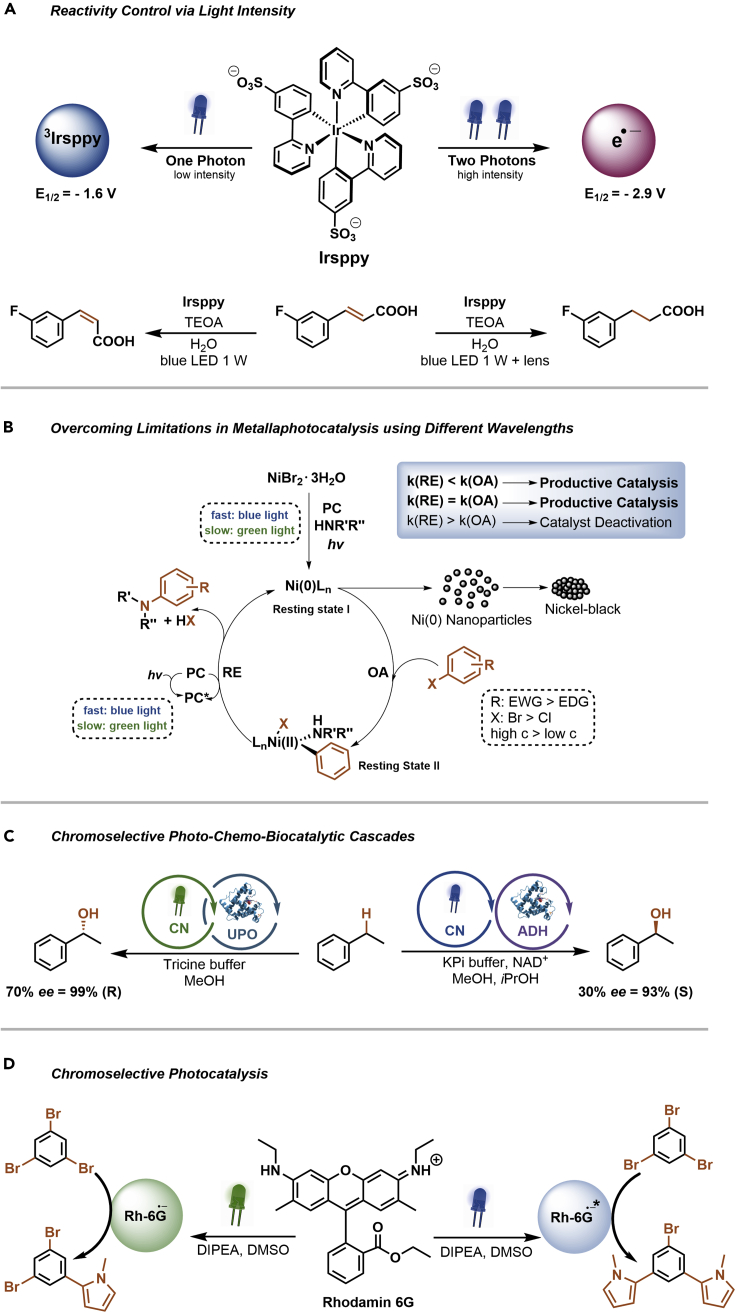
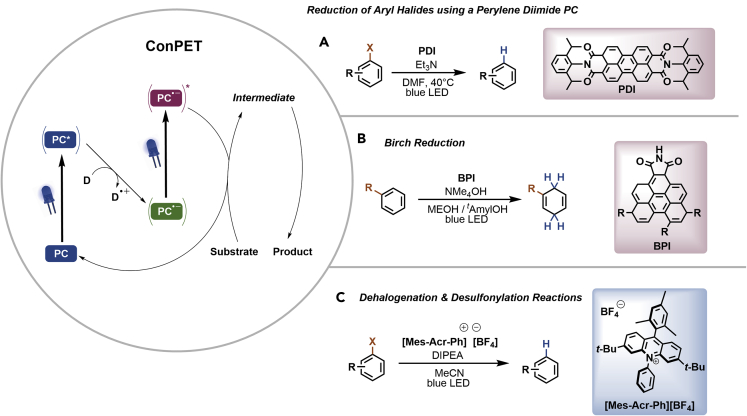
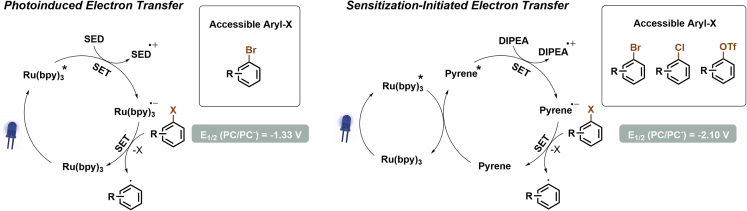
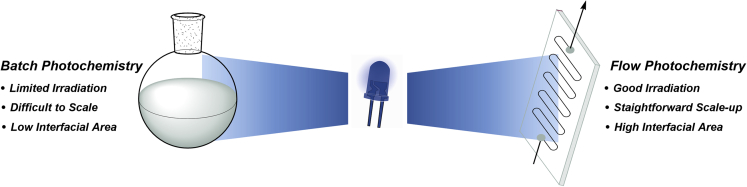
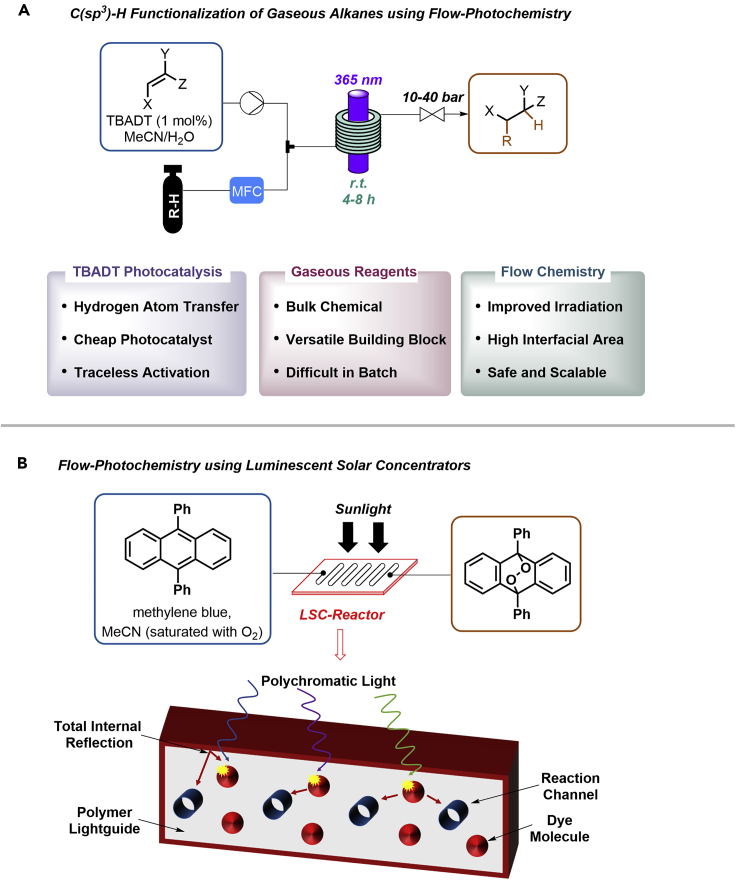
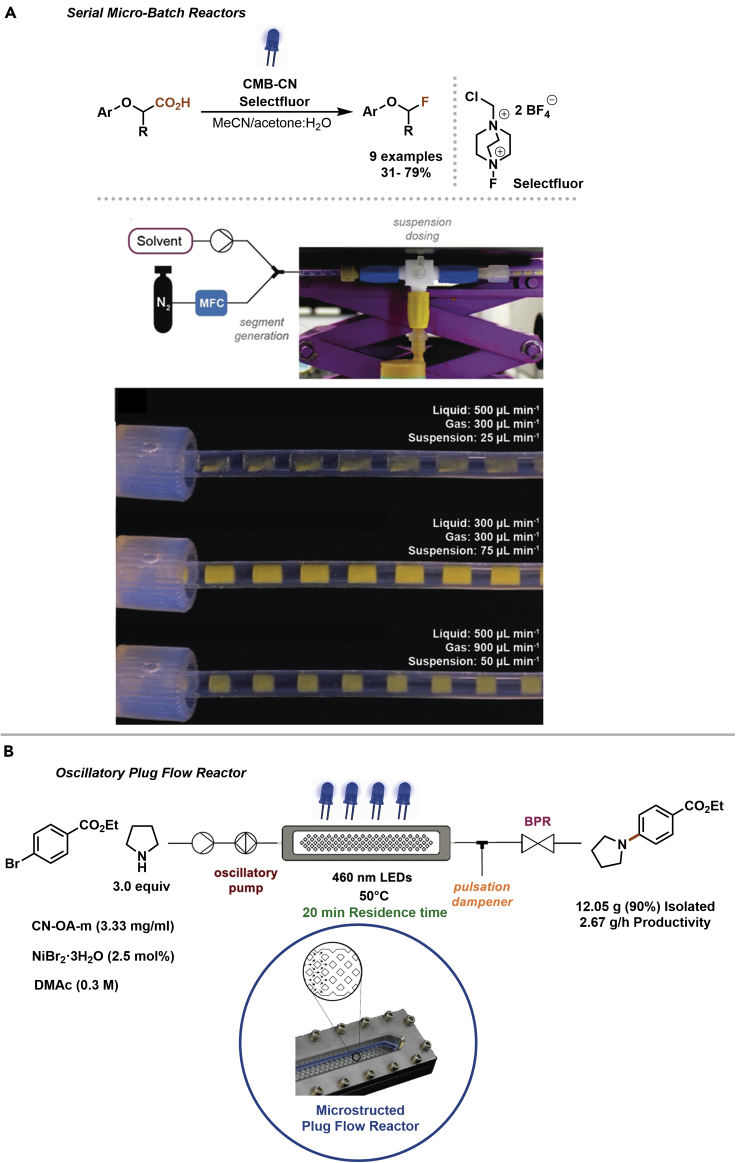
Visible light photocatalysis has become a powerful tool in organic synthesis that uses photons as traceless, sustainable reagents. Most of the activities in the field focus on the development of new reactions via common photoredox cycles, but recently a number of exciting new concepts and strategies entered less charted territories. We survey approaches that enable the use of longer wavelengths and show that the wavelength and intensity of photons are import parameters that enable tuning of the reactivity of a photocatalyst to control or change the selectivity of chemical reactions. In addition, we discuss recent efforts to substitute strong reductants, such as elemental lithium and sodium, by light and technological advances in the field.
可见光光催化已成为有机合成中的一种强大工具,它将光子用作无痕、可持续的试剂。该领域的大部分活动都集中在通过常见的光氧化还原循环开发新反应上,但最近一些令人兴奋的新概念和策略进入了较少探索的领域。我们综述了能够使用更长波长的方法,并表明光子的波长和强度是重要参数,可用于调节光催化剂的反应性,以控制或改变化学反应的选择性。此外,我们还讨论了最近在该领域用光替代强还原剂(如金属锂和钠)的努力以及技术进展。