Pharmacodelivery Group, School of Pharmacy, University College Cork, T12 YT20 Cork, Ireland.
APC Microbiome Ireland, University College Cork, T12 YT20 Cork, Ireland.
Mol Pharm. 2021 Apr 5;18(4):1491-1506. doi: 10.1021/acs.molpharmaceut.0c01238. Epub 2021 Mar 18.
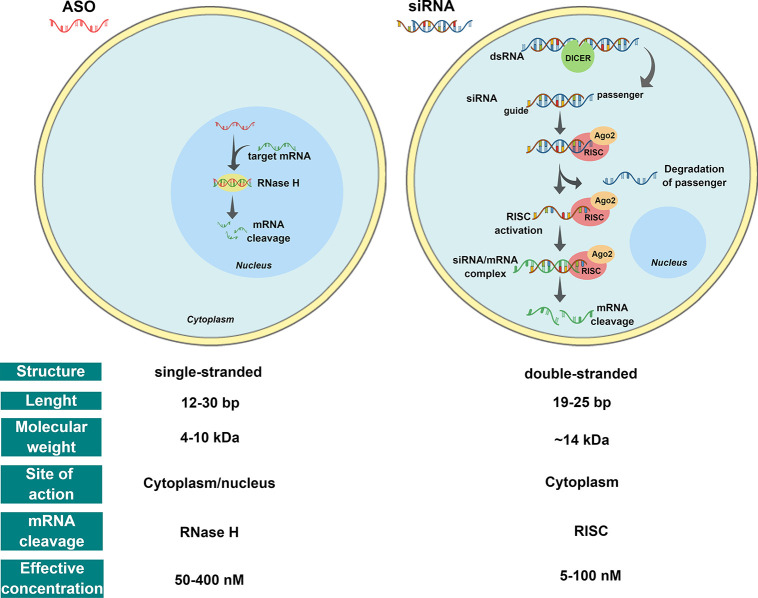
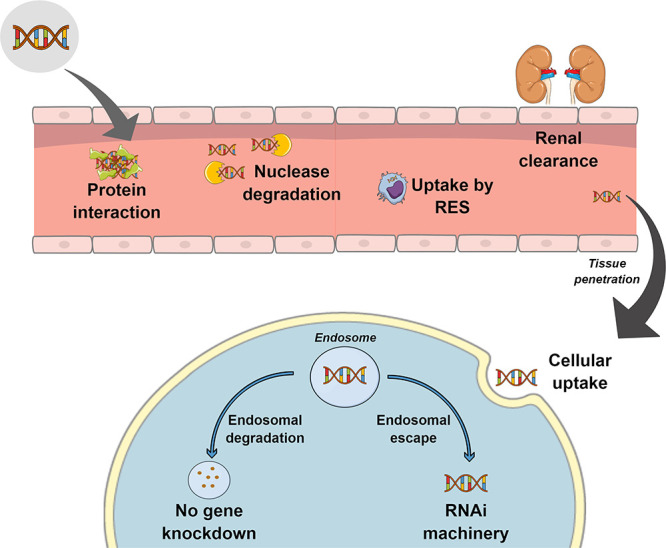
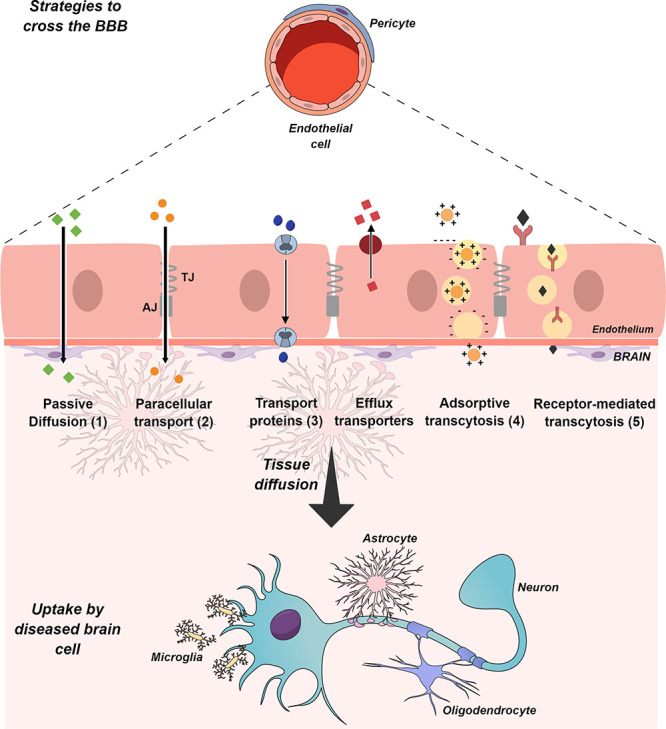
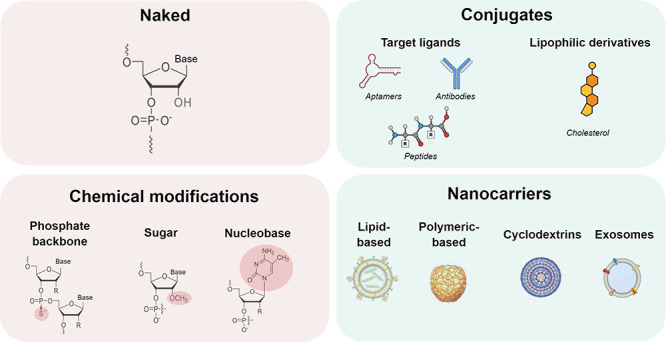
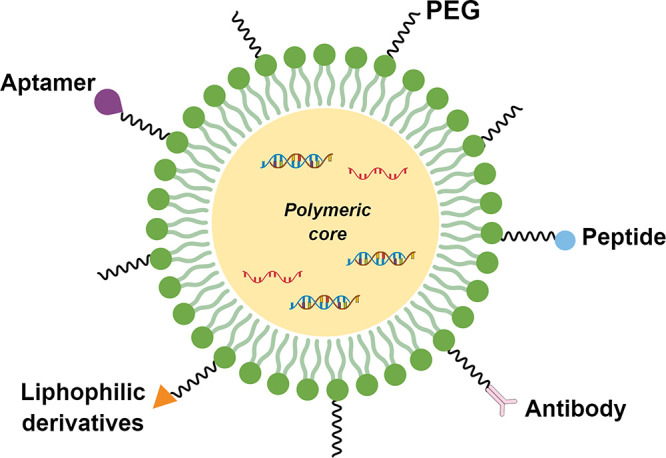
RNA-based therapeutics have emerged as one of the most powerful therapeutic options used for the modulation of gene/protein expression and gene editing with the potential to treat neurodegenerative diseases. However, the delivery of nucleic acids to the central nervous system (CNS), in particular by the systemic route, remains a major hurdle. This review will focus on the strategies for systemic delivery of therapeutic nucleic acids designed to overcome these barriers. Pathways and mechanisms of transport across the blood-brain barrier which could be exploited for delivery are described, focusing in particular on smaller nucleic acids including antisense oligonucleotides (ASOs) and small interfering RNA (siRNA). Approaches used to enhance delivery including chemical modifications, nanocarrier systems, and target selection (cell-specific delivery) are critically analyzed. Learnings achieved from a comparison of the successes and failures reported for CNS delivery of ASOs versus siRNA will help identify opportunities for a wider range of nucleic acids and accelerate the clinical translation of these innovative therapies.
基于 RNA 的治疗方法已经成为用于调节基因/蛋白质表达和基因编辑的最有效治疗选择之一,具有治疗神经退行性疾病的潜力。然而,将核酸递送到中枢神经系统(CNS),特别是通过全身途径,仍然是一个主要的障碍。本综述将重点介绍旨在克服这些障碍的治疗性核酸的全身递送策略。描述了可用于递送的穿过血脑屏障的途径和运输机制,特别关注较小的核酸,包括反义寡核苷酸(ASO)和小干扰 RNA(siRNA)。还批判性地分析了用于增强递送的方法,包括化学修饰、纳米载体系统和靶标选择(细胞特异性递送)。通过比较 ASO 与 siRNA 报道的 CNS 递送的成功和失败经验教训,有助于确定更广泛的核酸的机会,并加速这些创新疗法的临床转化。