Pharmacokinetic, Nanotechnology and Gene Therapy Group (PharmaNanoGene), Faculty of Pharmacy, Centro de Investigación Lascaray Ikergunea, University of the Basque Country, UPV/EHU, Paseo de la Universidad 7, 01006, Vitoria-Gasteiz, Spain.
Bioaraba, Microbiology, Infectious Disease, Antimicrobial Agents and Gene Therapy, 01006, Vitoria-Gasteiz, Spain.
BioDrugs. 2024 Sep;38(5):657-680. doi: 10.1007/s40259-024-00674-1. Epub 2024 Aug 23.
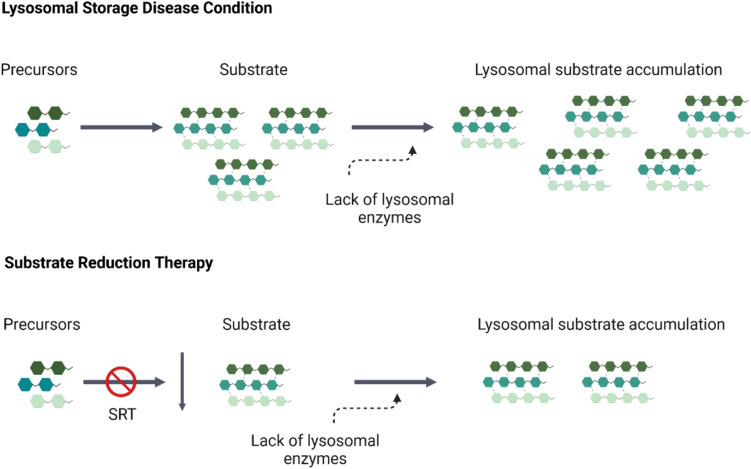
Genetic substrate reduction therapy (gSRT), which involves the use of nucleic acids to downregulate the genes involved in the biosynthesis of storage substances, has been investigated in the treatment of lysosomal storage diseases (LSDs).
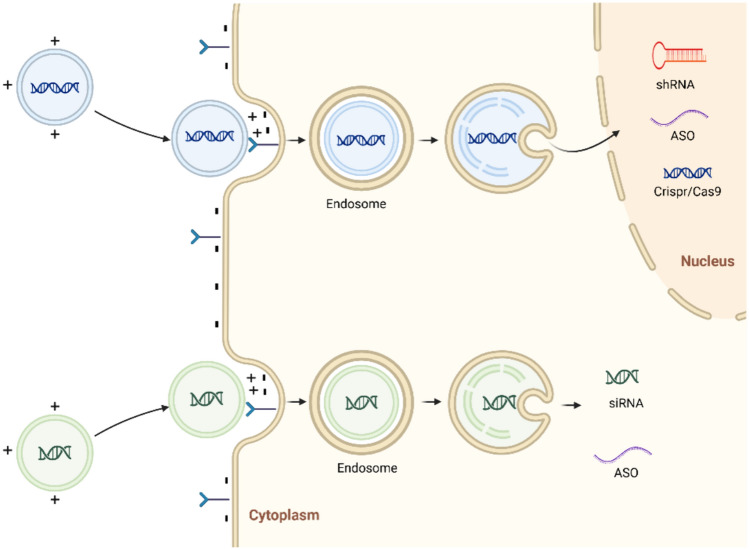
To analyze the application of gSRT to the treatment of LSDs, identifying the silencing tools and delivery systems used, and the main challenges for its development and clinical translation, highlighting the contribution of nanotechnology to overcome them.
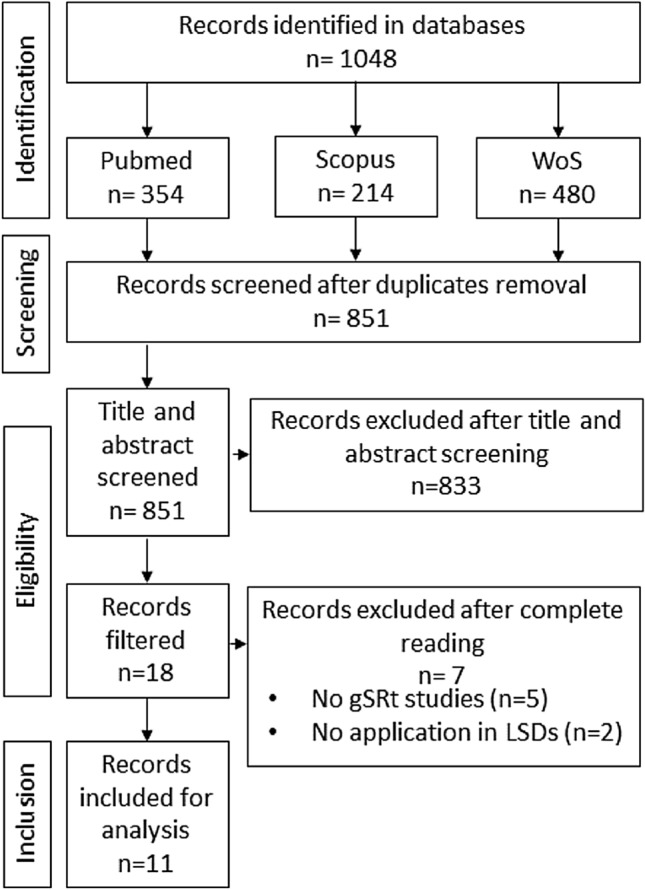
A systematic review following the Preferred Reporting Items for Systematic Reviews and Meta-Analyses (PRISMA) reporting guidelines was performed. PubMed, Scopus, and Web of Science databases were used for searching terms related to LSDs and gene-silencing strategies and tools.
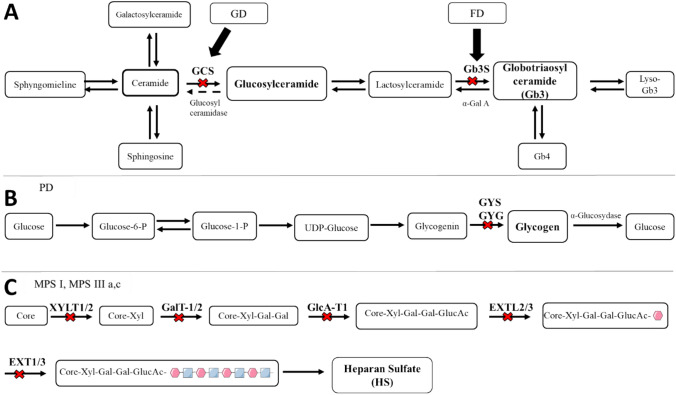
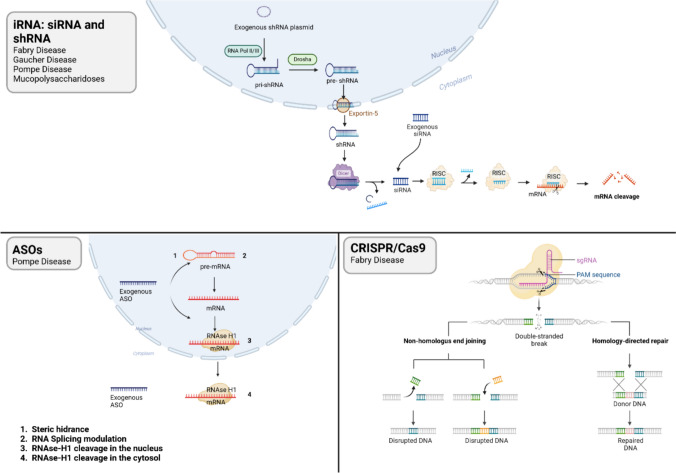
Fabry, Gaucher, and Pompe diseases and mucopolysaccharidoses I and III are the only LSDs for which gSRT has been studied, siRNA and lipid nanoparticles being the silencing strategy and the delivery system most frequently employed, respectively. Only in one recently published study was CRISPR/Cas9 applied to treat Fabry disease. Specific tissue targeting, availability of relevant cell and animal LSD models, and the rare disease condition are the main challenges with gSRT for the treatment of these diseases. Out of the 11 studies identified, only two gSRT studies were evaluated in animal models.
Nucleic acid therapies are expanding the clinical tools and therapies currently available for LSDs. Recent advances in CRISPR/Cas9 technology and the growing impact of nanotechnology are expected to boost the clinical translation of gSRT in the near future, and not only for LSDs.
基因底物减少疗法(gSRT)涉及使用核酸下调参与储存物质生物合成的基因,已在溶酶体贮积病(LSD)的治疗中进行了研究。
分析 gSRT 在 LSD 治疗中的应用,确定使用的沉默工具和递送系统,以及其开发和临床转化的主要挑战,并强调纳米技术在克服这些挑战中的贡献。
按照系统评价和荟萃分析的首选报告项目(PRISMA)报告准则进行系统评价。使用 PubMed、Scopus 和 Web of Science 数据库搜索与 LSD 和基因沉默策略及工具相关的术语。
法布里病、戈谢病、庞贝病和黏多糖贮积症 I 型和 III 型是唯一研究过 gSRT 的 LSD,siRNA 和脂质纳米颗粒分别是最常使用的沉默策略和递送系统。只有一项最近发表的研究应用了 CRISPR/Cas9 治疗法布里病。特定组织靶向、相关细胞和动物 LSD 模型的可用性以及罕见疾病状况是 gSRT 治疗这些疾病的主要挑战。在所确定的 11 项研究中,只有两项 gSRT 研究在动物模型中进行了评估。
核酸疗法正在扩大 LSD 目前可用的临床工具和疗法。CRISPR/Cas9 技术的最新进展和纳米技术的日益增长的影响预计将在不久的将来推动 gSRT 的临床转化,而不仅仅是 LSD。