Department of Neurology, The Fifth Affiliated Hospital of Guangxi Medical University, Nanning, Guangxi, 530022, People's Republic of China.
Department of Neurology, The First People's Hospital of Nanning, Nanning, Guangxi, 530022, People's Republic of China.
Clin Interv Aging. 2021 Mar 11;16:451-463. doi: 10.2147/CIA.S297483. eCollection 2021.
Alzheimer's disease (AD) and vascular dementia shared similar symptoms, the aim of the present study was to identify potential differences in the mechanisms underlying the two diseases.
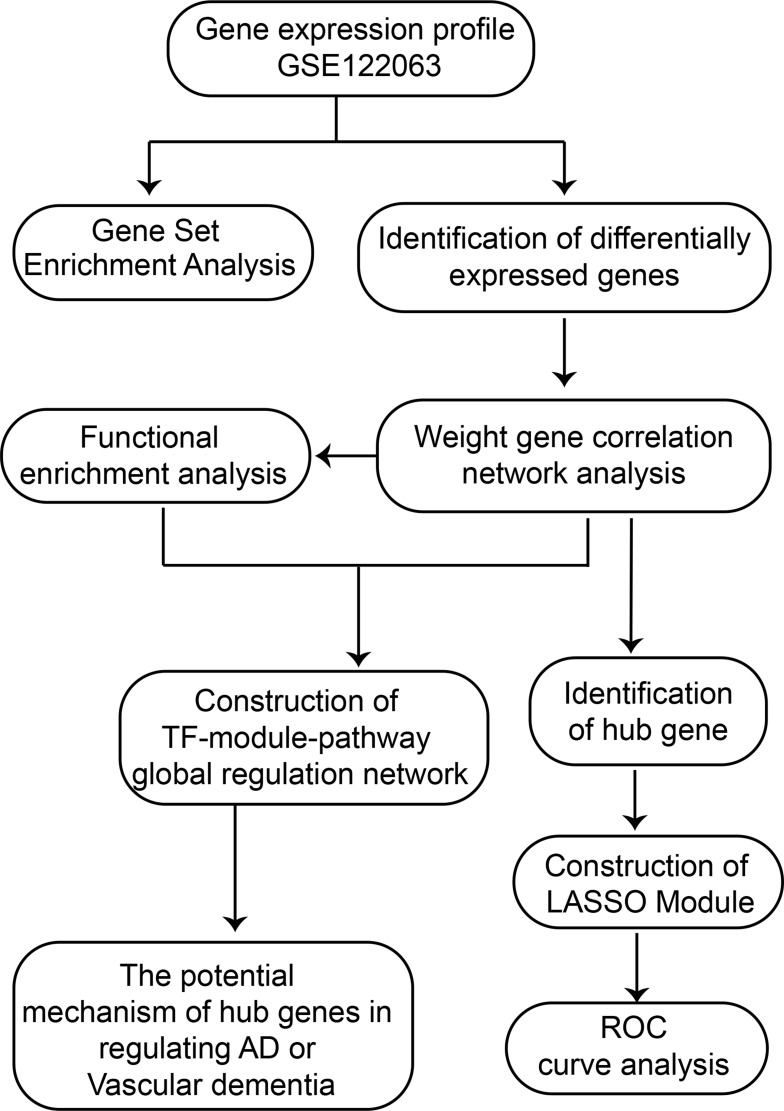
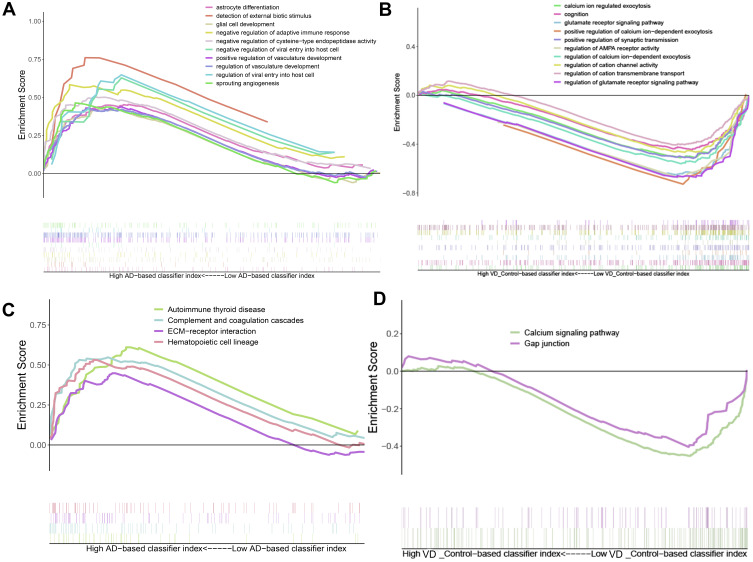
The data set including AD, vascular dementia, and control samples was carried out gene differential expression analysis, weighted gene co-expression network analysis, functional enrichment, protein-protein interaction network construction, and least absolute shrinkage and selection operator analysis to reveal the differences in the mechanisms underlying the two diseases and potential diagnostic gene signature.
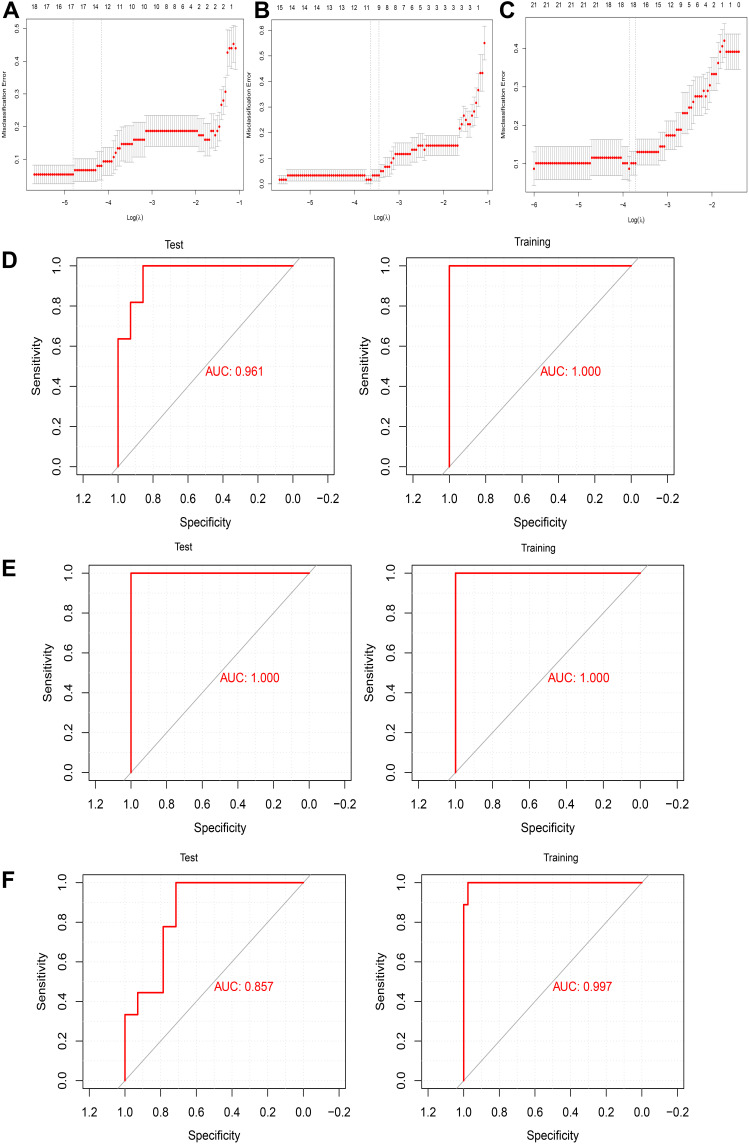
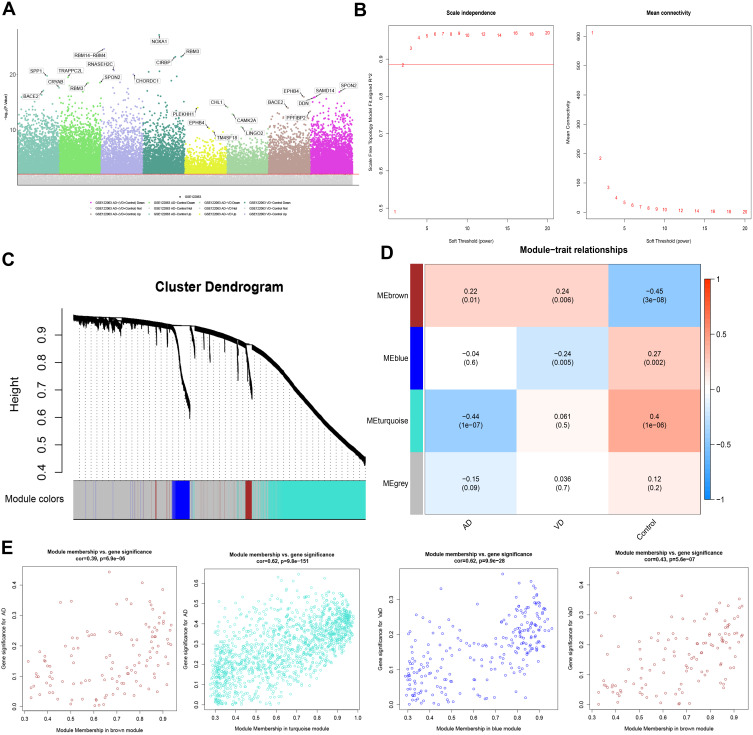
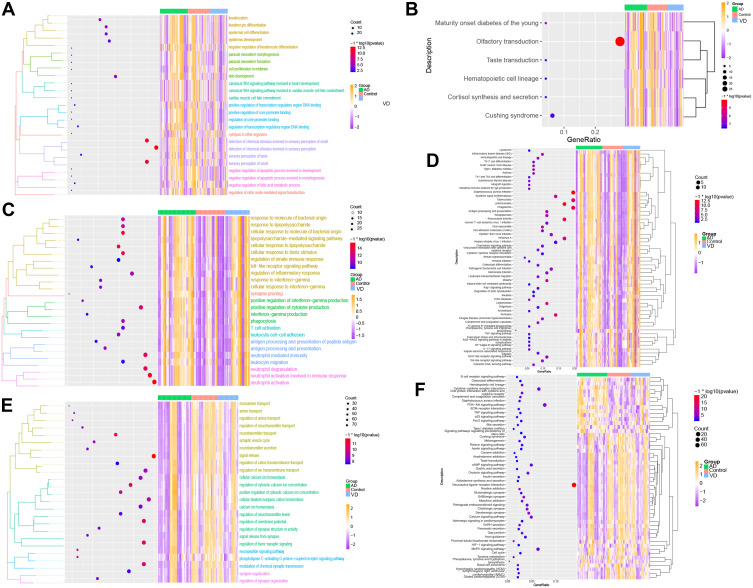
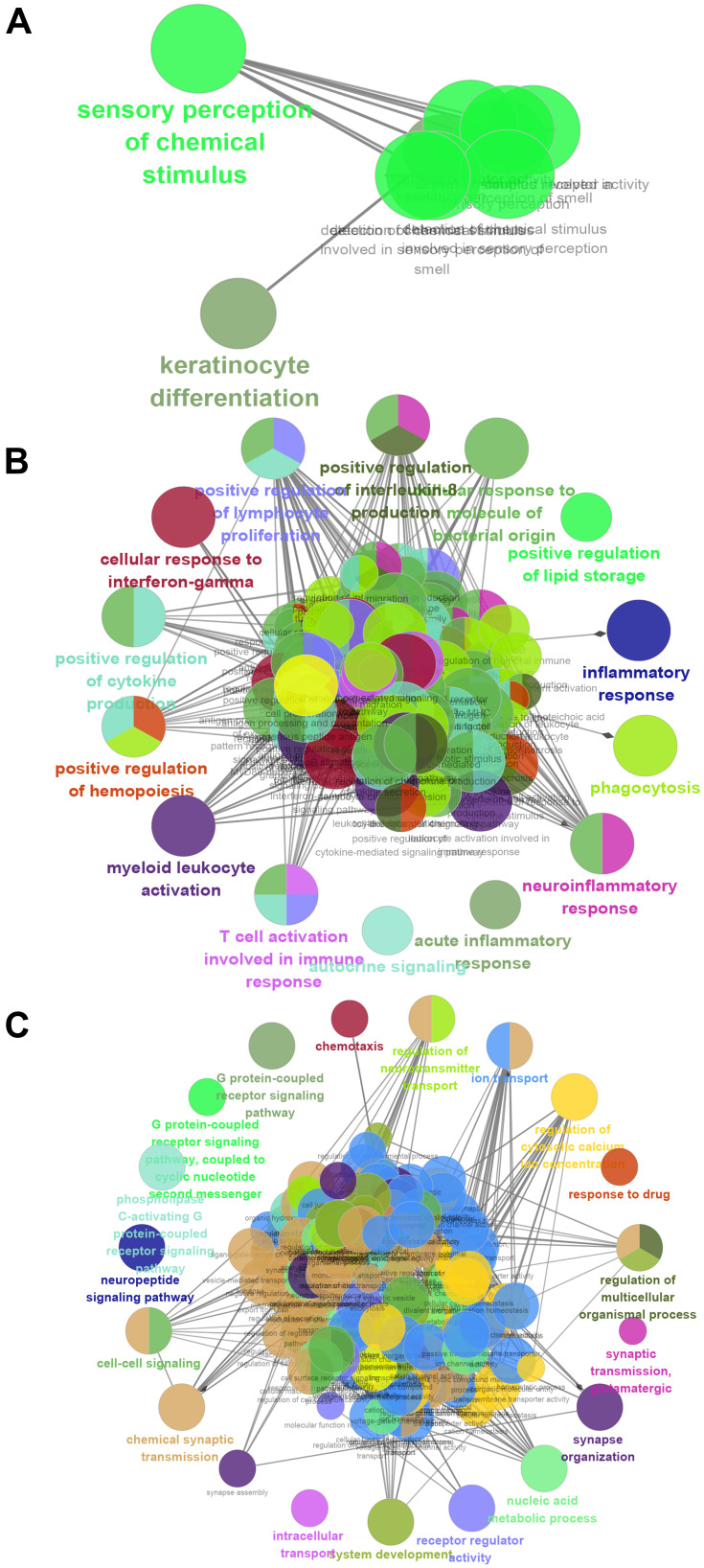
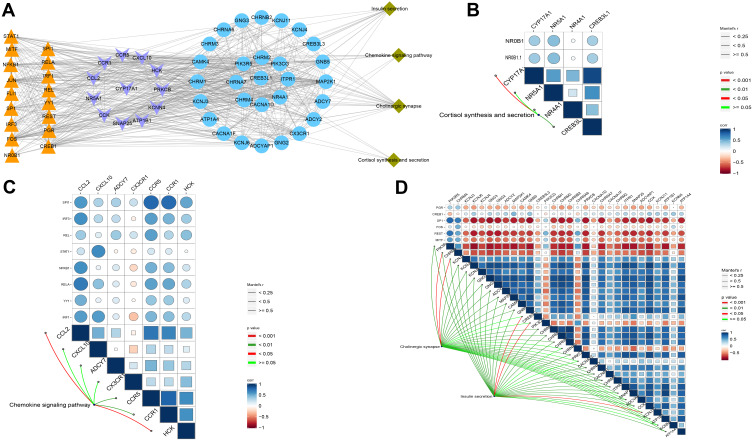
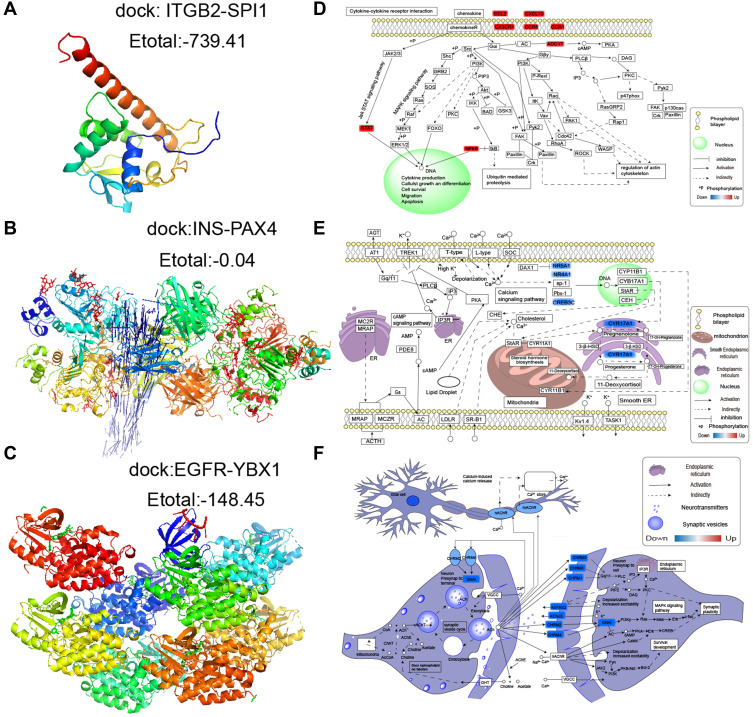
We identified the gene modules related to AD or vascular dementia. Enrichment analysis of module genes and construction of a protein-protein interaction network suggested that the "brown" module may be involved in a chemokine pathway, the "blue" module may be involved in cortisol synthesis and secretion, and the "turquoise" module may be involved in cholinergic synapse transmission. The hub gene-based signature index may be a biomarker of AD and vascular dementia and may even differentiate the two diseases from each other with high area under curve.
Our results identified not only core pathways involved in both AD and vascular disease, but also their potentially specific pathways. We proposed the hub gene-based signature index may be useful for diagnosing AD and vascular dementia.
阿尔茨海默病(AD)和血管性痴呆具有相似的症状,本研究旨在确定这两种疾病潜在的发病机制差异。
对包括 AD、血管性痴呆和对照样本在内的数据集进行基因差异表达分析、加权基因共表达网络分析、功能富集、蛋白质-蛋白质相互作用网络构建和最小绝对收缩和选择算子分析,以揭示两种疾病潜在的诊断基因特征及发病机制的差异。
我们确定了与 AD 或血管性痴呆相关的基因模块。模块基因的富集分析和蛋白质-蛋白质相互作用网络的构建表明,“棕色”模块可能参与趋化因子途径,“蓝色”模块可能参与皮质醇的合成和分泌,“绿松石”模块可能参与胆碱能突触传递。基于枢纽基因的特征指数可能是 AD 和血管性痴呆的生物标志物,甚至可以通过高曲线下面积将这两种疾病区分开来。
我们的研究结果不仅确定了 AD 和血管性疾病共有的核心通路,还确定了它们可能具有特异性的通路。我们提出基于枢纽基因的特征指数可能有助于 AD 和血管性痴呆的诊断。