College of Animal Sciences, Zhejiang University, Hangzhou, China.
Laboratory of Insect Genetics and Bioscience, Graduate School of Agricultural and Life Sciences, The University of Tokyo, Tokyo, Japan.
Mol Biol Evol. 2021 Jun 25;38(7):2897-2914. doi: 10.1093/molbev/msab080.
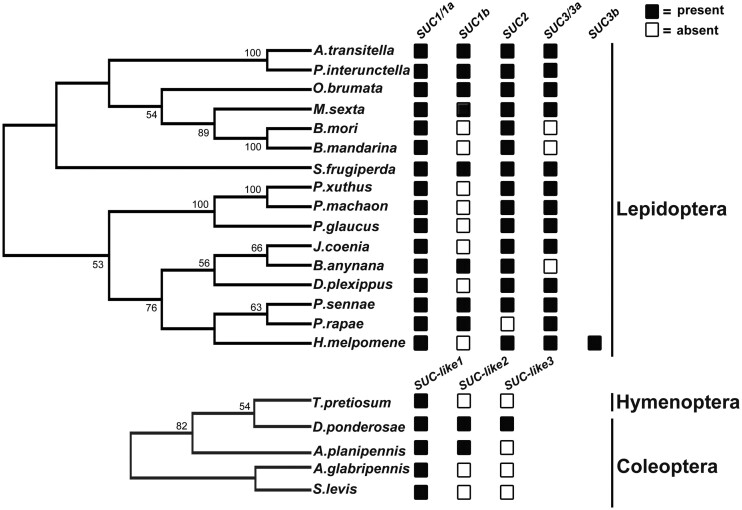
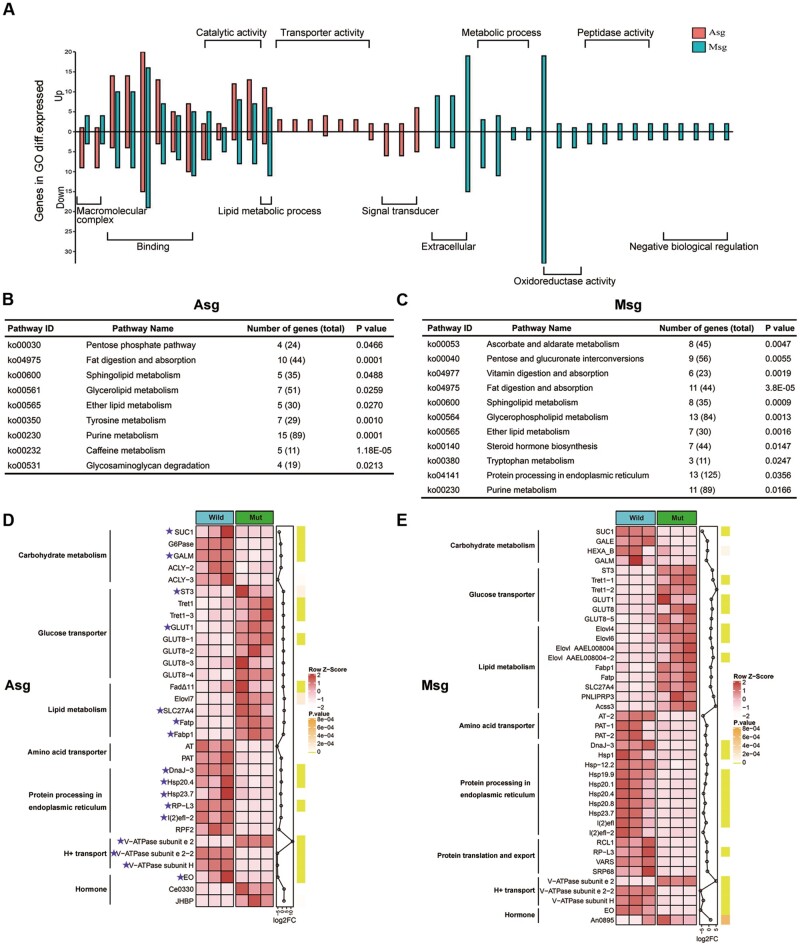
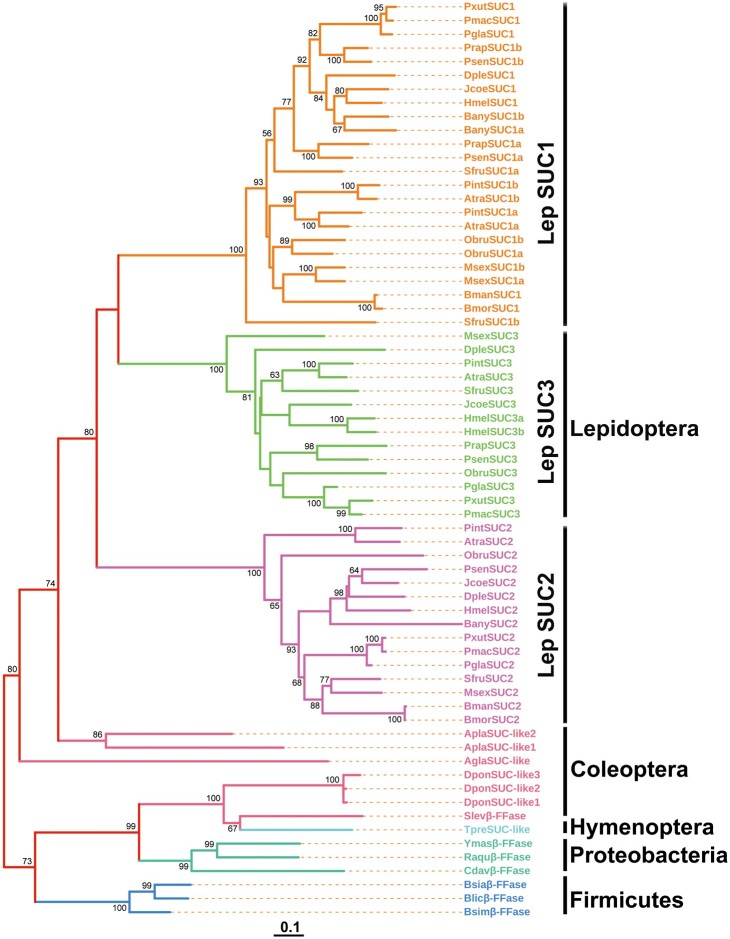
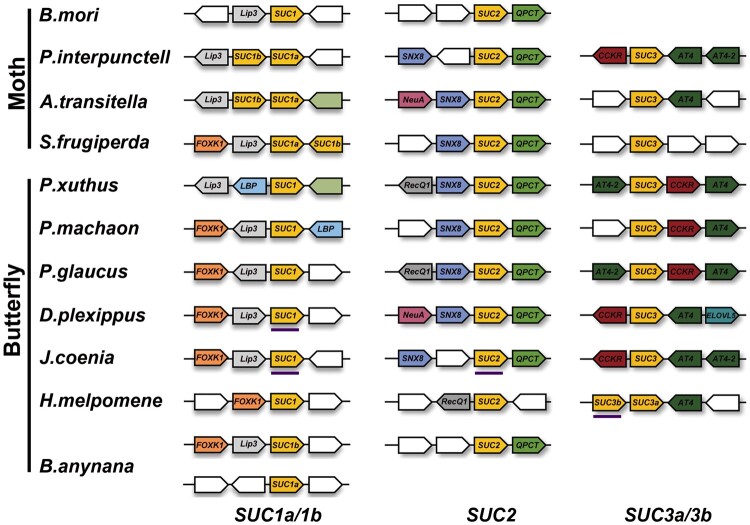
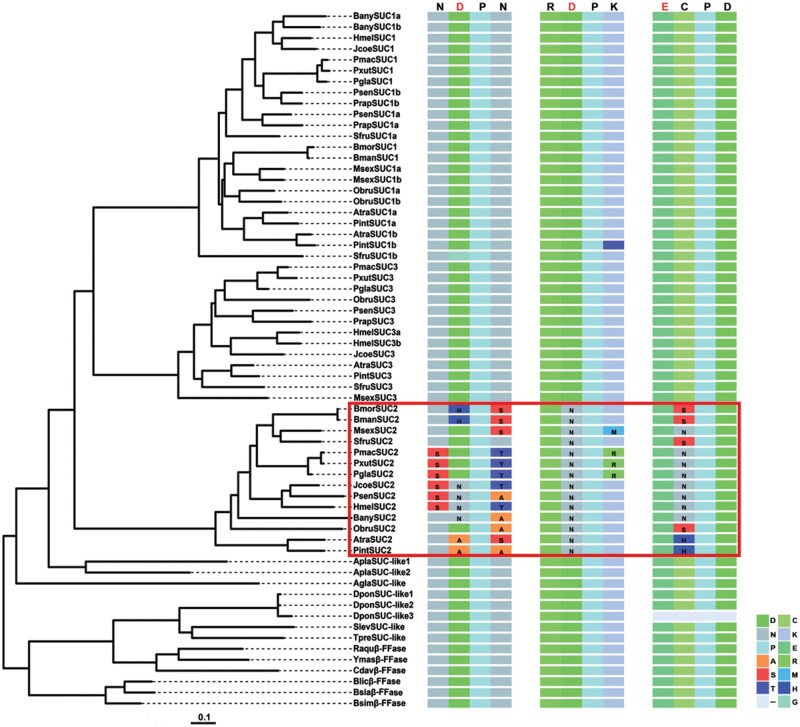
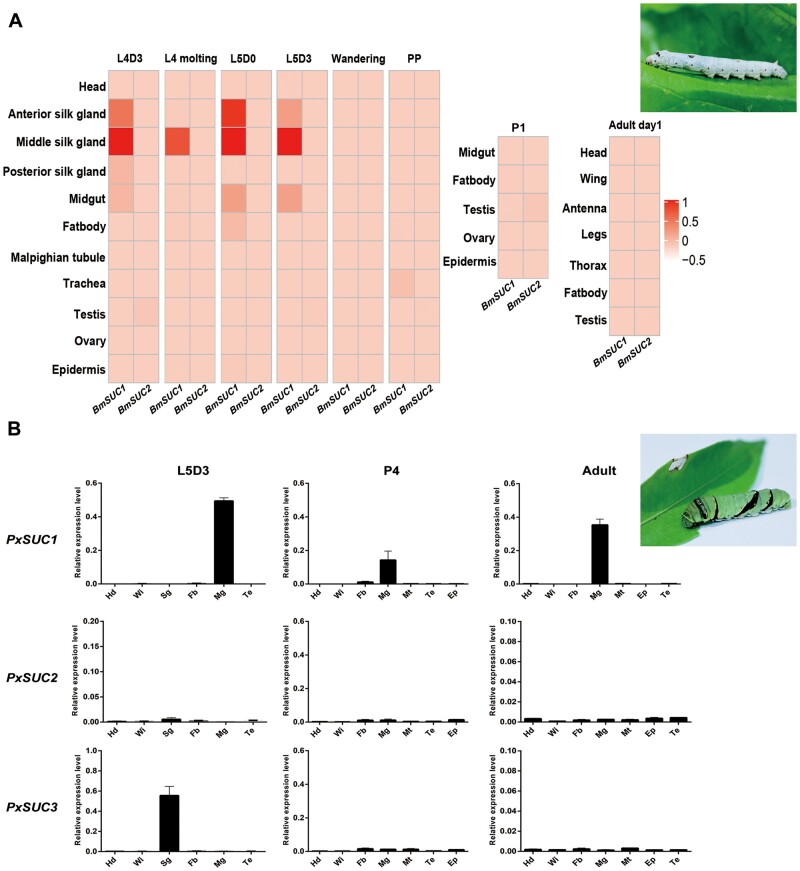
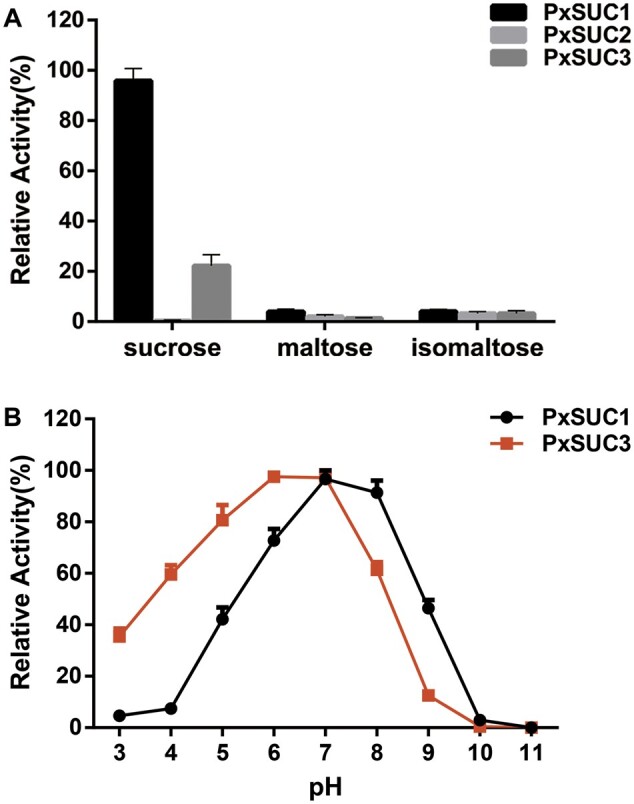
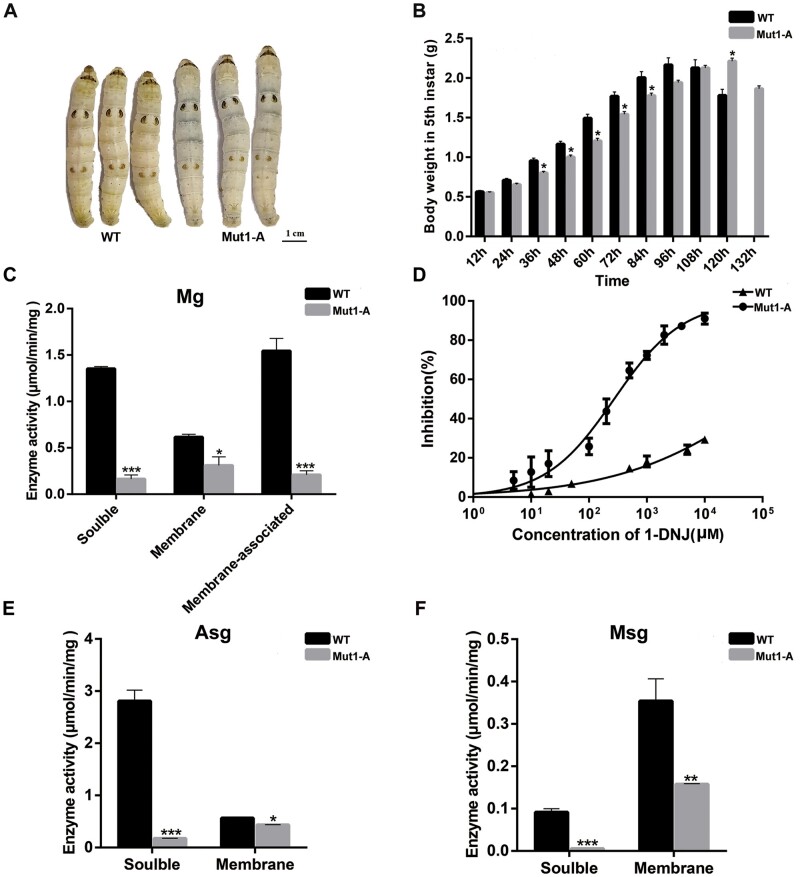
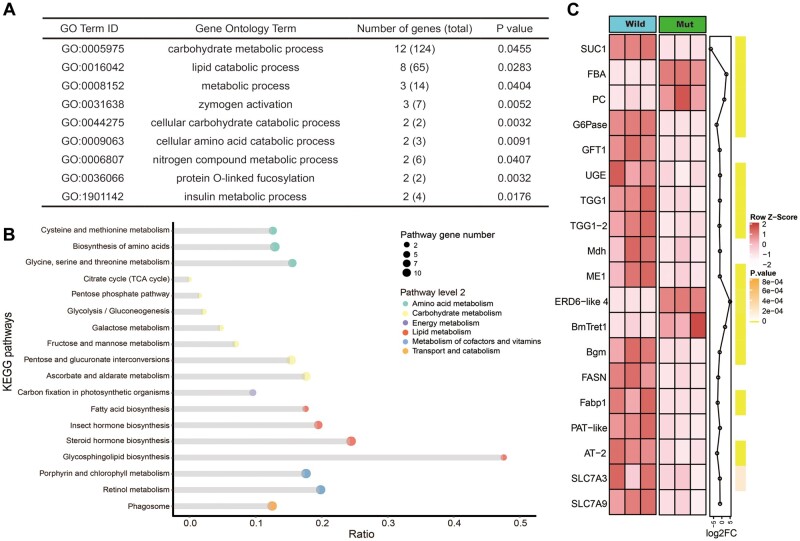
Horizontal gene transfer (HGT) is a potentially critical source of material for ecological adaptation and the evolution of novel genetic traits. However, reports on posttransfer duplication in organism genomes are lacking, and the evolutionary advantages conferred on the recipient are generally poorly understood. Sucrase plays an important role in insect physiological growth and development. Here, we performed a comprehensive analysis of the evolution of insect β-fructofuranosidase transferred from bacteria via HGT. We found that posttransfer duplications of β-fructofuranosidase were widespread in Lepidoptera and sporadic occurrences of β-fructofuranosidase were found in Coleoptera and Hymenoptera. β-fructofuranosidase genes often undergo modifications, such as gene duplication, differential gene loss, and changes in mutation rates. Lepidopteran β-fructofuranosidase gene (SUC) clusters showed marked divergence in gene expression patterns and enzymatic properties in Bombyx mori (moth) and Papilio xuthus (butterfly). We generated SUC1 mutations in B. mori using CRISPR/Cas9 to thoroughly examine the physiological function of SUC. BmSUC1 mutant larvae were viable but displayed delayed growth and reduced sucrase activities that included susceptibility to the sugar mimic alkaloid found in high concentrations in mulberry. BmSUC1 served as a critical sucrase and supported metabolic homeostasis in the larval midgut and silk gland, suggesting that gene transfer of β-fructofuranosidase enhanced the digestive and metabolic adaptation of lepidopteran insects. These findings highlight not only the universal function of β-fructofuranosidase with a link to the maintenance of carbohydrate metabolism but also an underexplored function in the silk gland. This study expands our knowledge of posttransfer duplication and subsequent functional diversification in the adaptive evolution and lineage-specific adaptation of organisms.
水平基因转移 (HGT) 是生态适应和新遗传特征进化的潜在关键物质来源。然而,关于生物体基因组中转座后重复的报道很少,并且受体获得的进化优势通常理解不足。蔗糖酶在昆虫生理生长和发育中起着重要作用。在这里,我们对通过 HGT 从细菌转移到昆虫的β-呋喃果糖苷酶的进化进行了全面分析。我们发现,β-呋喃果糖苷酶在鳞翅目昆虫中广泛存在转座后重复,而在鞘翅目和膜翅目昆虫中则零星存在β-呋喃果糖苷酶。β-呋喃果糖苷酶基因经常发生修饰,例如基因复制、差异基因缺失和突变率变化。鳞翅目昆虫β-呋喃果糖苷酶基因(SUC)簇在家蚕(蛾)和黄粉蝶(蝴蝶)中表现出明显的基因表达模式和酶学特性的分化。我们使用 CRISPR/Cas9 在 B. mori 中生成 SUC1 突变,以彻底研究 SUC 的生理功能。BmSUC1 突变幼虫具有活力,但表现出生长延迟和蔗糖酶活性降低,包括对高浓度桑叶中发现的糖模拟生物碱的敏感性。BmSUC1 作为一种关键的蔗糖酶,支持幼虫中肠和丝腺的代谢稳态,表明β-呋喃果糖苷酶的基因转移增强了鳞翅目昆虫的消化和代谢适应。这些发现不仅突出了β-呋喃果糖苷酶的普遍功能,与碳水化合物代谢的维持有关,而且还突出了其在丝腺中的一个未被充分探索的功能。本研究扩展了我们对转座后重复及其在生物体适应性进化和谱系特异性适应中的功能多样化的认识。