Liu Juan, Tan Yuzhu, Ao Hui, Feng Wuwen, Peng Cheng
State Key Laboratory of Southwestern Chinese Medicine Resources, School of Pharmacy, Chengdu University of Traditional Chinese Medicine, Chengdu, 611130, China.
National Key Laboratory Breeding Base of Systematic Research, School of Pharmacy, Chengdu University of Traditional Chinese Medicine, Chengdu, 611130, China.
Chin Med. 2021 Mar 19;16(1):29. doi: 10.1186/s13020-021-00437-y.
Intermittent or prolonged exposure to severe cold stress disturbs energy homeostasis and can lead to hypothermia, heart failure, Alzheimer's disease, and so on. As the typical "hot" traditional Chinese medicine, Aconite has been widely used to treat cold-associated diseases for thousands of years, but its critical mechanisms for the promotion of thermogenesis are not fully resolved. Gut microbiota and its metabolites play a crucial role in maintaining energy homeostasis. Here, we investigated whether the aqueous extracts of Aconite (AA) can enhance thermogenesis through modulation of the composition and metabolism of gut microbiota in hypothermic rats.
The therapeutic effects of AA on body temperature, energy intake, and the histopathology of white adipose tissue and brown adipose tissue of hypothermic rats were assessed. Microbiota analysis based on 16 S rRNA and targeted metabolomics for bile acids (BAs) were used to evaluate the composition of gut microbiota and BAs pool. The antibiotic cocktail treatment was adopted to further confirm the relationship between the gut microbiota and the thermogenesis-promoting effects of AA.
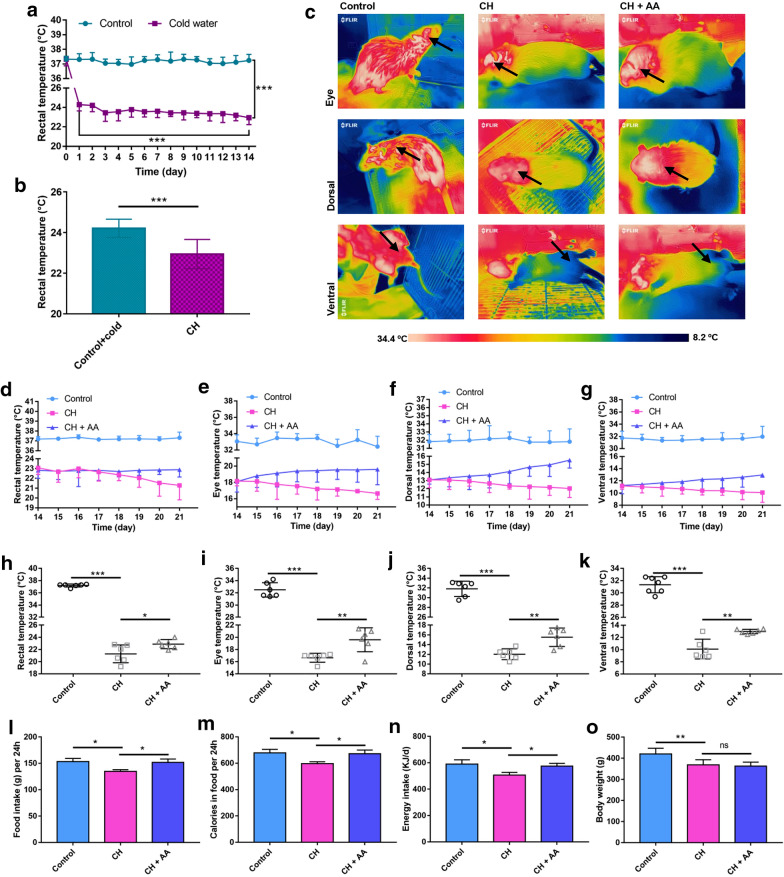
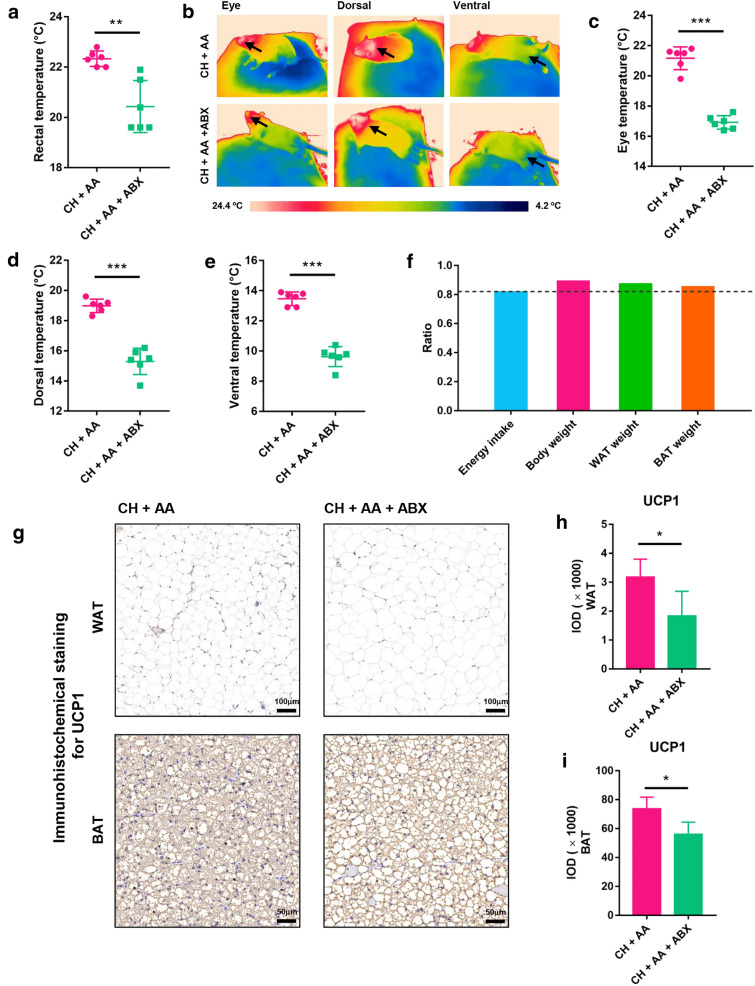
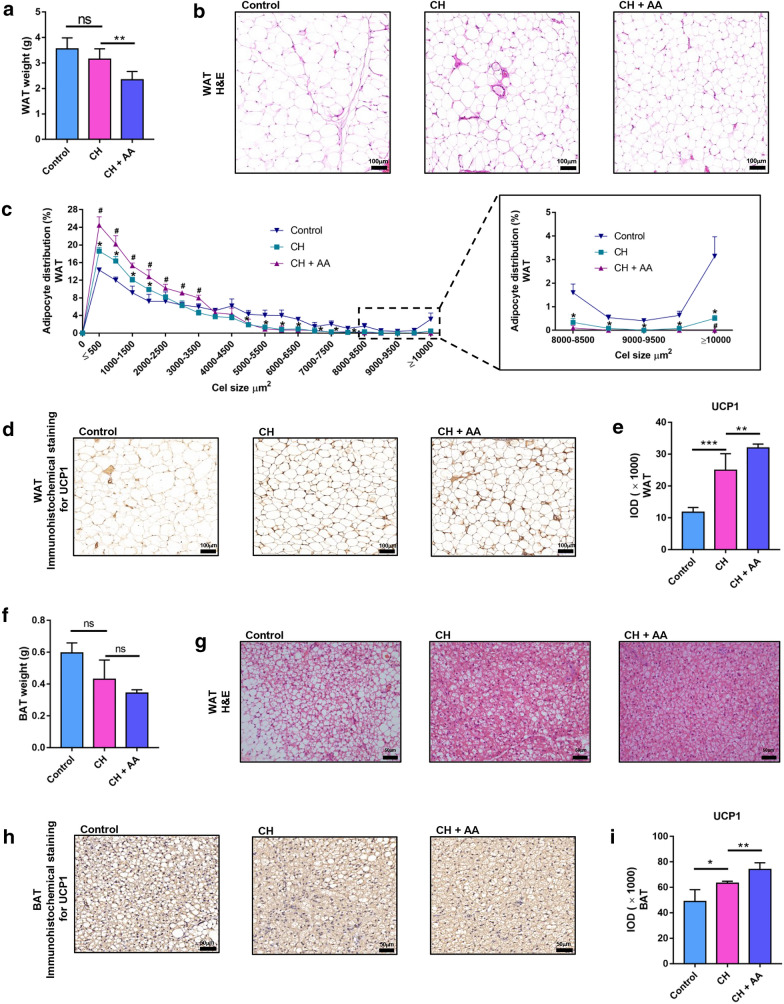
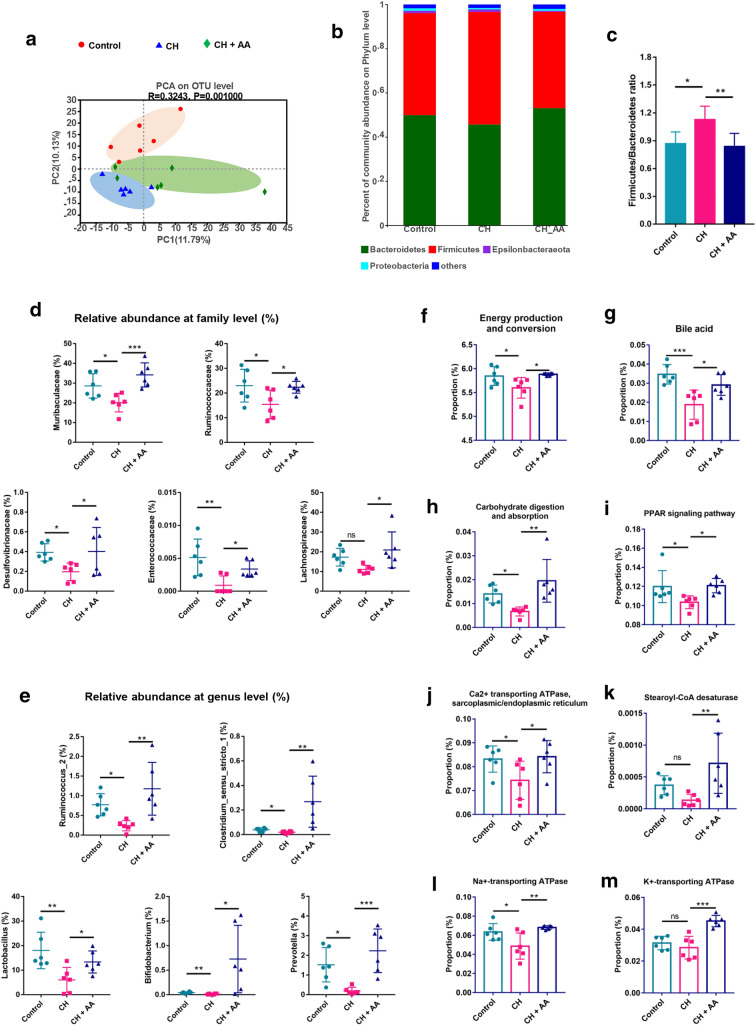
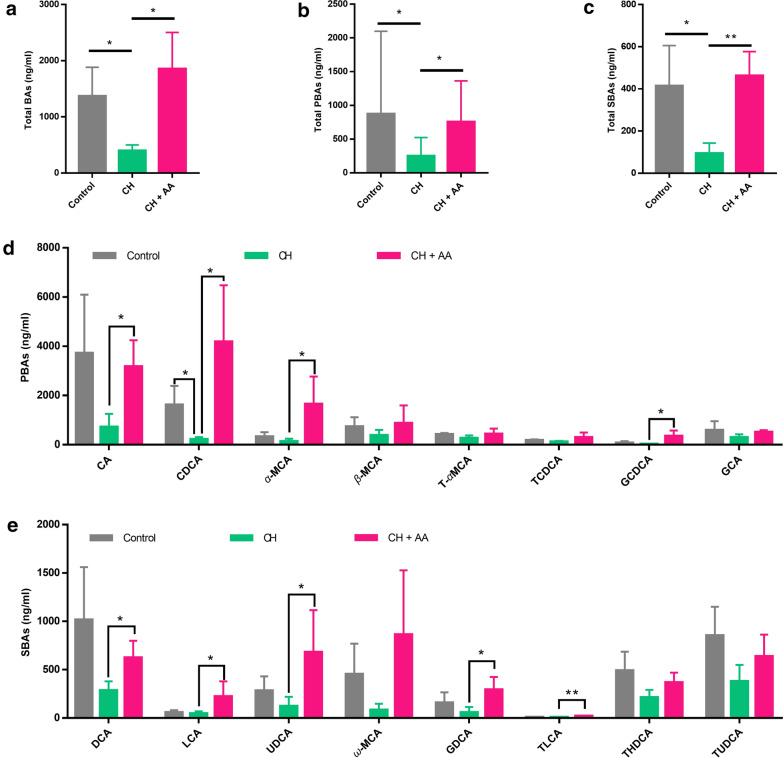
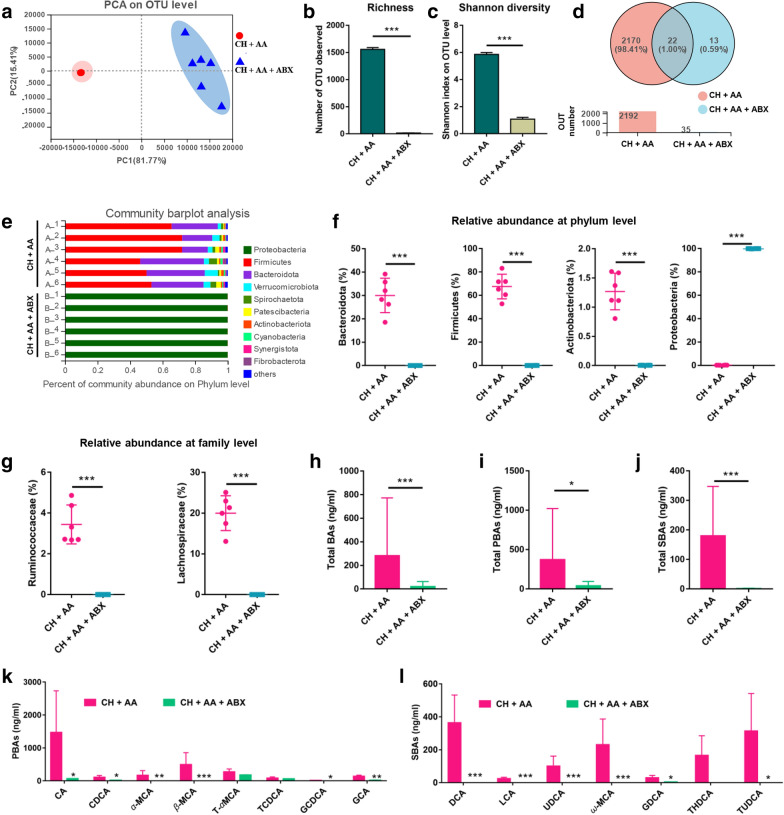
Our results showed a sharp drop in rectal temperature and body surface temperature in hypothermic rats. Administration of AA can significantly increase core body temperature, surface body temperature, energy intake, browning of white adipose tissue, and thermogenesis of brown adipose tissue. Importantly, these ameliorative effects of AA were accompanied by the shift of the disturbed composition of gut microbiota toward a healthier profile and the increased levels of BAs. In addition, the depletion of gut microbiota and the reduction of BAs caused by antibiotic cocktails reduced the thermogenesis-promoting effect of AA.
Our results demonstrated that AA promoted thermogenesis in rats with hypothermia via regulating gut microbiota and BAs metabolism. Our findings can also provide a novel solution for the treatment of thermogenesis-associated diseases such as rheumatoid arthritis, obesity, and type 2 diabetes.
间歇性或长期暴露于严重冷应激会扰乱能量平衡,并可能导致体温过低、心力衰竭、阿尔茨海默病等。附子作为典型的“热性”中药,数千年来一直被广泛用于治疗与寒冷相关的疾病,但其促进产热的关键机制尚未完全阐明。肠道微生物群及其代谢产物在维持能量平衡中起着至关重要的作用。在此,我们研究了附子水提取物(AA)是否能通过调节低温大鼠肠道微生物群的组成和代谢来增强产热。
评估了AA对低温大鼠体温、能量摄入以及白色脂肪组织和棕色脂肪组织组织病理学的治疗效果。基于16S rRNA的微生物群分析和针对胆汁酸(BAs)的靶向代谢组学用于评估肠道微生物群的组成和BAs库。采用抗生素鸡尾酒疗法进一步证实肠道微生物群与AA促进产热作用之间的关系。
我们的结果显示低温大鼠的直肠温度和体表温度急剧下降。给予AA可显著提高核心体温、体表温度、能量摄入、白色脂肪组织的棕色化以及棕色脂肪组织的产热。重要的是,AA的这些改善作用伴随着肠道微生物群紊乱组成向更健康状态的转变以及BAs水平的升高。此外,抗生素鸡尾酒导致的肠道微生物群耗竭和BAs减少降低了AA的促产热作用。
我们的结果表明AA通过调节肠道微生物群和BAs代谢促进低温大鼠的产热。我们的发现也可为治疗类风湿性关节炎、肥胖症和2型糖尿病等与产热相关的疾病提供一种新的解决方案。