Long Carrie M, Beare Paul A, Cockrell Diane C, Fintzi Jonathan, Tesfamariam Mahelat, Shaia Carl I, Heinzen Robert A
Coxiella Pathogenesis Section, Laboratory of Bacteriology, Division of Intramural Research, National Institute of Allergy and Infectious Diseases, National Institutes of Health, Hamilton, MT, USA.
Biostatistics Research Branch, Division of Clinical Research, National Institute of Allergy and Infectious Diseases, National Institutes of Health, Rockville, MD, USA.
NPJ Vaccines. 2021 Mar 19;6(1):38. doi: 10.1038/s41541-021-00296-6.
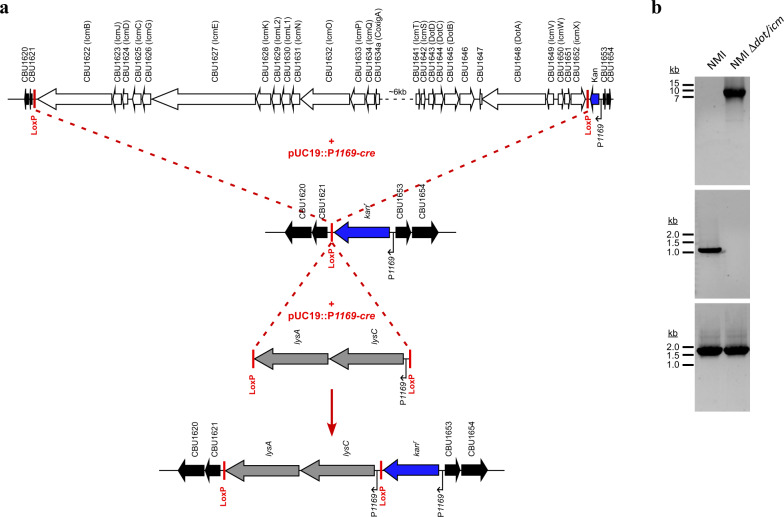
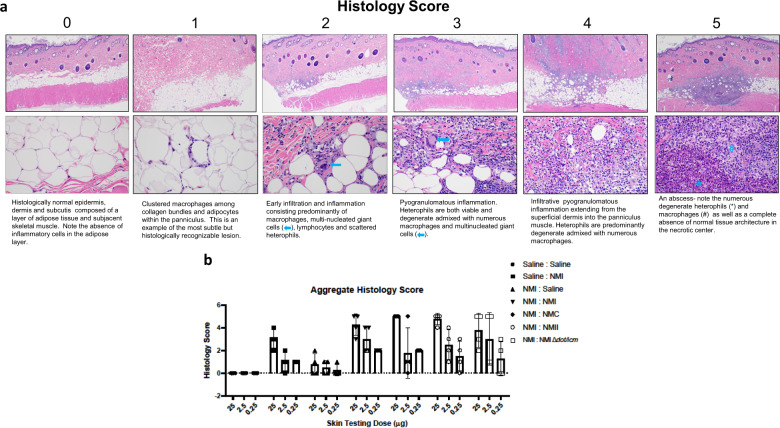
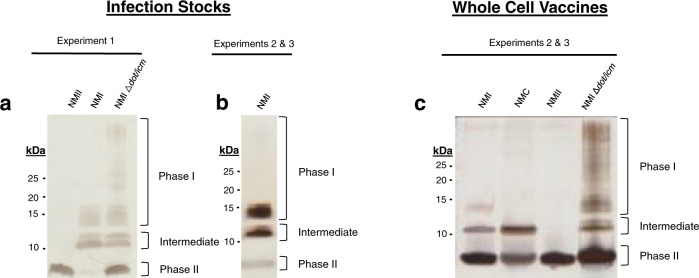
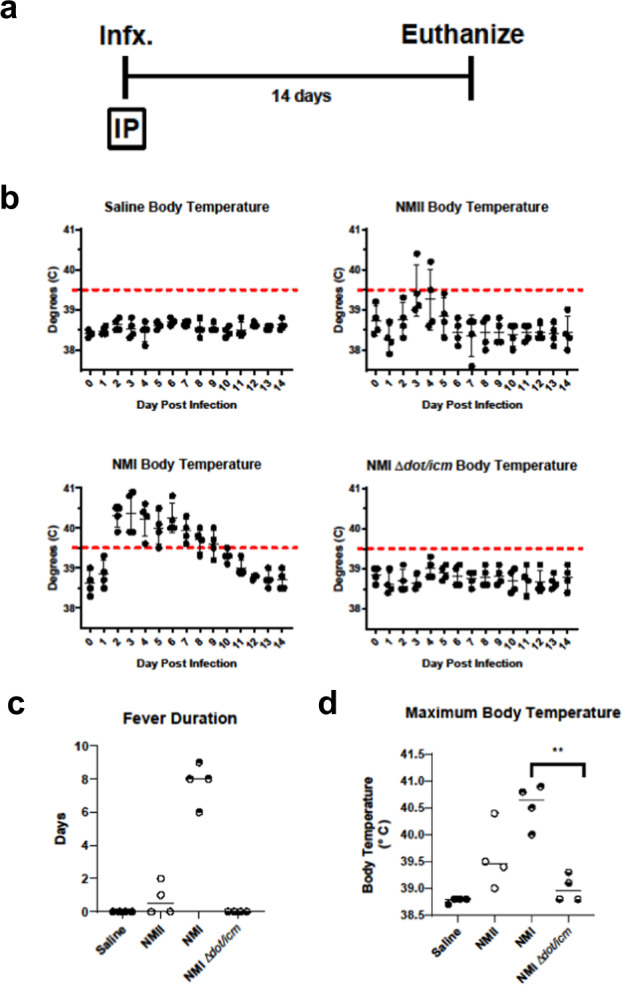
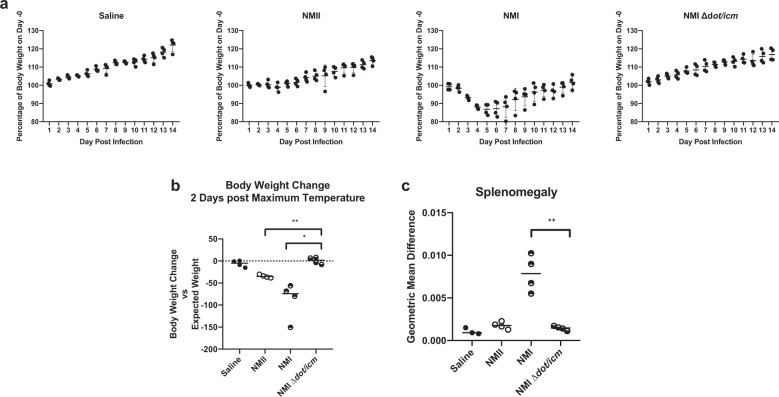
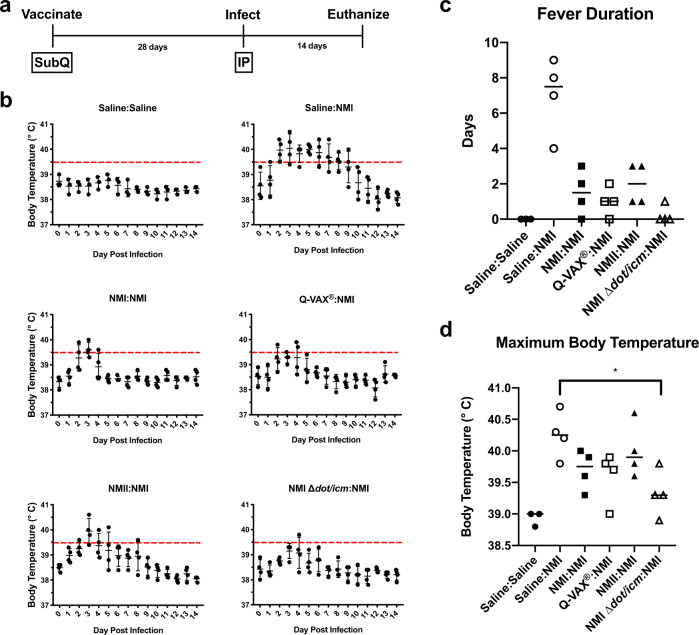
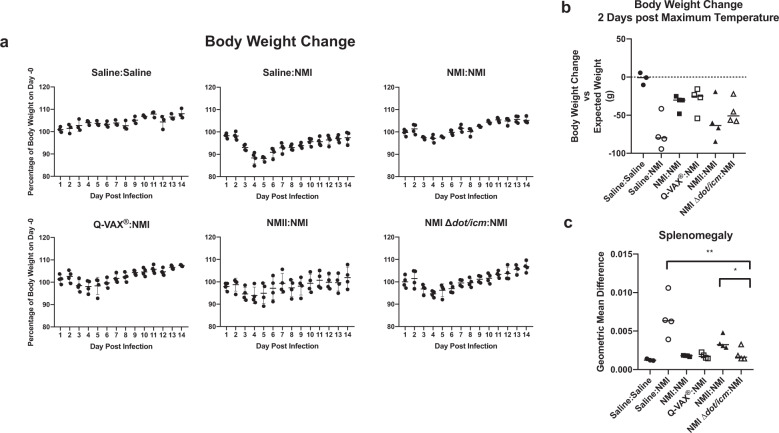
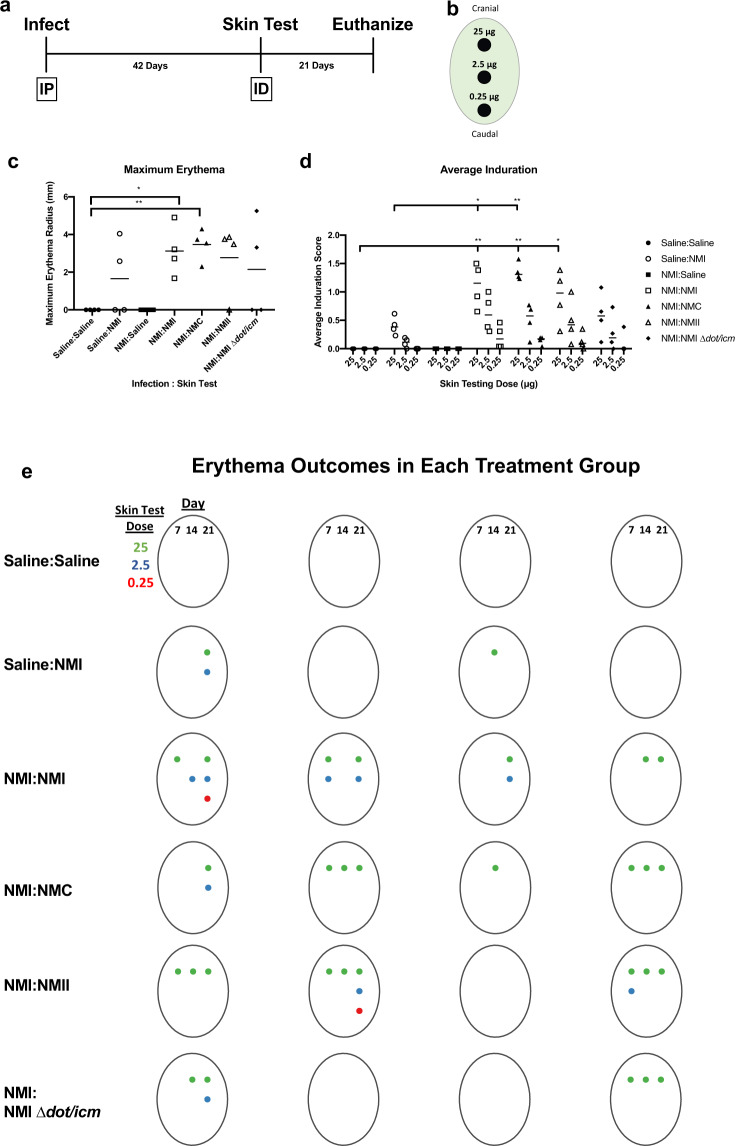
Coxiella burnetii is the bacterial causative agent of the zoonosis Q fever. The current human Q fever vaccine, Q-VAX, is a fixed, whole cell vaccine (WCV) licensed solely for use in Australia. C. burnetii WCV administration is associated with a dermal hypersensitivity reaction in people with pre-existing immunity to C. burnetii, limiting wider use. Consequently, a less reactogenic vaccine is needed. Here, we investigated contributions of the C. burnetii Dot/Icm type IVB secretion system (T4BSS) and lipopolysaccharide (LPS) in protection and reactogenicity of fixed WCVs. A 32.5 kb region containing 23 dot/icm genes was deleted in the virulent Nine Mile phase I (NMI) strain and the resulting mutant was evaluated in guinea pig models of C. burnetii infection, vaccination-challenge, and post-vaccination hypersensitivity. The NMI ∆dot/icm strain was avirulent, protective as a WCV against a robust C. burnetii challenge, and displayed potentially altered reactogenicity compared to NMI. Nine Mile phase II (NMII) strains of C. burnetii that produce rough LPS, were similarly tested. NMI was significantly more protective than NMII as a WCV; however, both vaccines exhibited similar reactogenicity. Collectively, our results indicate that, like phase I LPS, the T4BSS is required for full virulence by C. burnetii. Conversely, unlike phase I LPS, the T4BSS is not required for vaccine-induced protection. LPS length does not appear to contribute to reactogenicity while the T4BSS may contribute to this response. NMI ∆dot/icm represents an avirulent phase I strain with full vaccine efficacy, illustrating the potential of genetically modified C. burnetii as improved WCVs.
伯氏考克斯体是人畜共患病Q热的细菌病原体。目前的人类Q热疫苗Q-VAX是一种仅在澳大利亚获得许可使用的灭活全细胞疫苗(WCV)。对伯氏考克斯体已有免疫力的人接种伯氏考克斯体WCV会引发皮肤过敏反应,限制了其更广泛的使用。因此,需要一种反应原性较低的疫苗。在此,我们研究了伯氏考克斯体Dot/Icm IVB型分泌系统(T4BSS)和脂多糖(LPS)在固定WCV的保护作用和反应原性中的作用。在强毒株九英里I期(NMI)菌株中删除了一个包含23个dot/icm基因的32.5 kb区域,并在伯氏考克斯体感染、疫苗接种-攻毒和疫苗接种后过敏反应的豚鼠模型中对所得突变体进行了评估。NMI ∆dot/icm菌株无毒,作为WCV对强烈的伯氏考克斯体攻击具有保护作用,并且与NMI相比显示出潜在改变的反应原性。对产生粗糙LPS的伯氏考克斯体九英里II期(NMII)菌株进行了类似测试。作为WCV,NMI比NMII具有显著更强的保护作用;然而,两种疫苗表现出相似的反应原性。总体而言,我们的结果表明,与I期LPS一样,T4BSS是伯氏考克斯体完全毒力所必需的。相反,与I期LPS不同,疫苗诱导的保护作用不需要T4BSS。LPS长度似乎对反应原性没有贡献,而T4BSS可能对此反应有贡献。NMI ∆dot/icm代表一种具有完全疫苗效力的无毒I期菌株,说明了基因改造的伯氏考克斯体作为改良WCV的潜力。