Polonio Álvaro, Fernández-Ortuño Dolores, de Vicente Antonio, Pérez-García Alejandro
Departamento de Microbiología, Facultad de Ciencias, Universidad de Málaga, Málaga, Spain.
Instituto de Hortofruticultura Subtropical y Mediterránea 'La Mayora', Universidad de Málaga, Consejo Superior de Investigaciones Científicas (IHSM-UMA-CSIC), Málaga, Spain.
Mol Plant Pathol. 2021 May;22(5):580-601. doi: 10.1111/mpp.13045. Epub 2021 Mar 19.
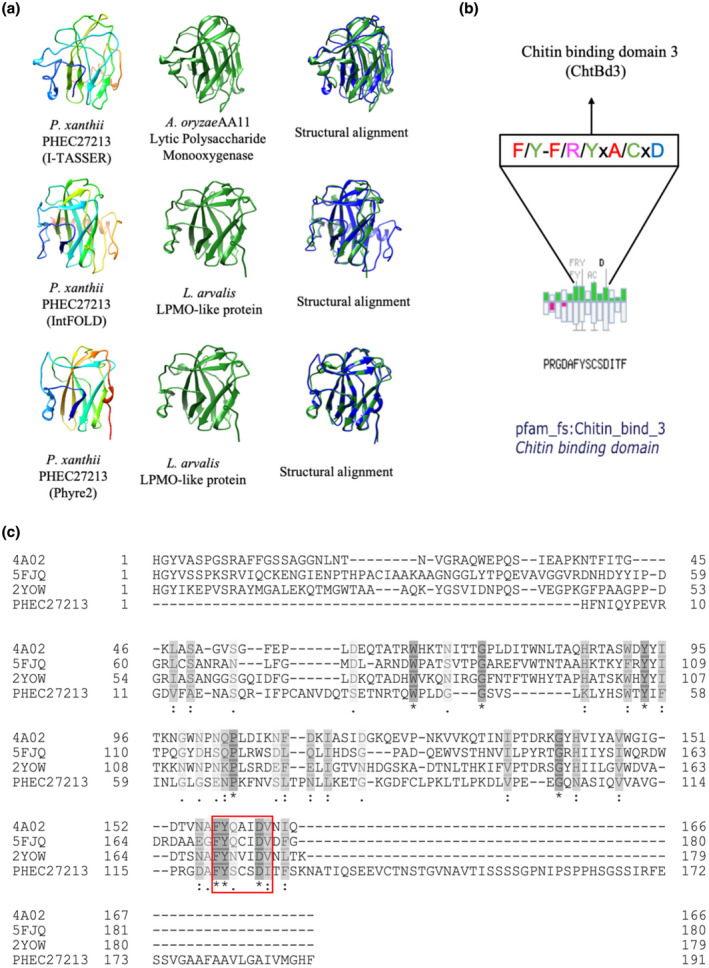
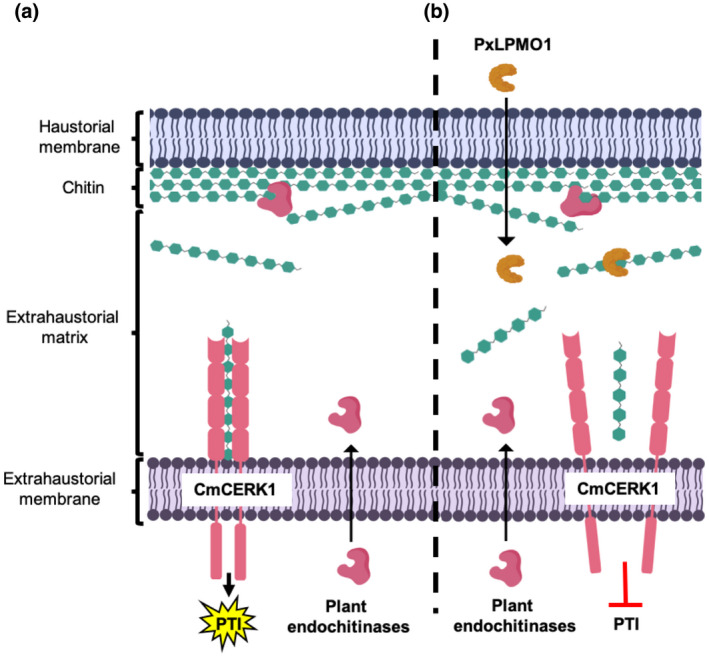
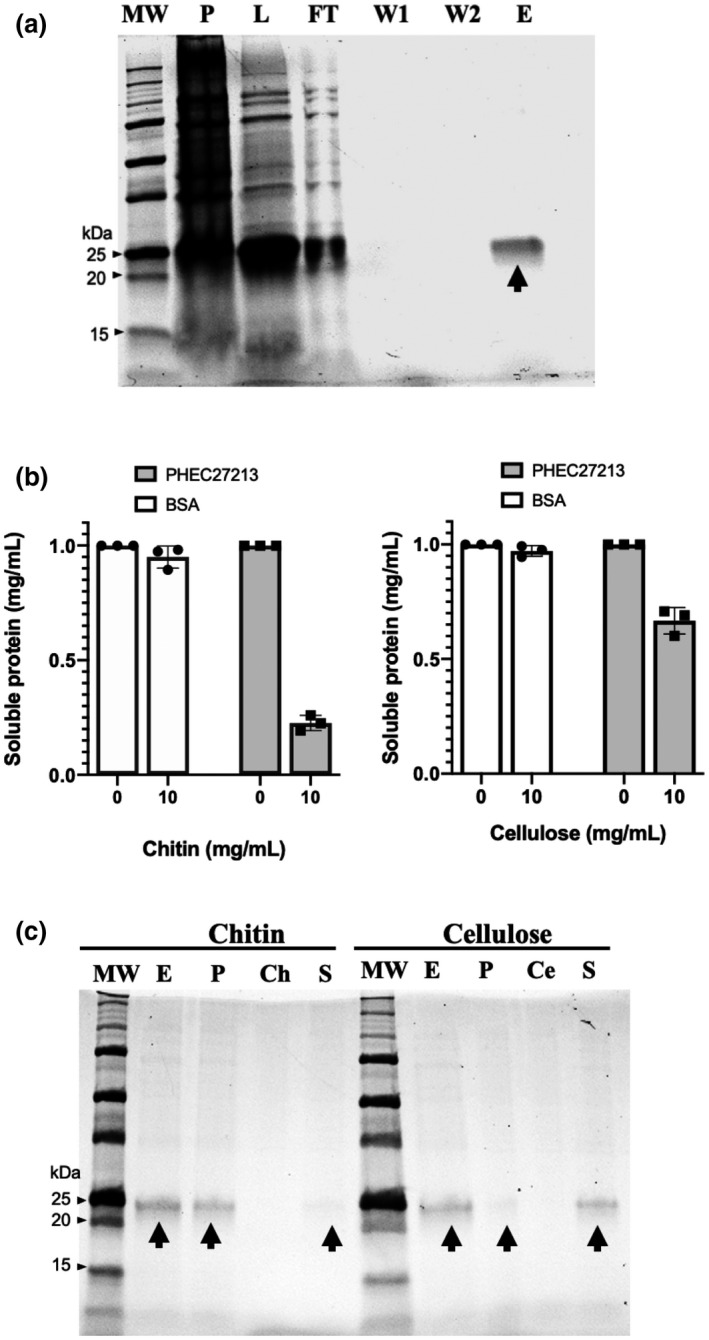
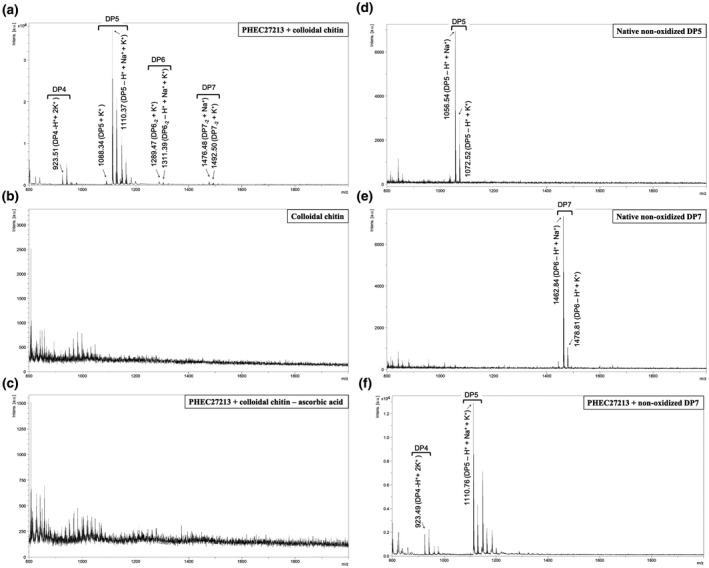
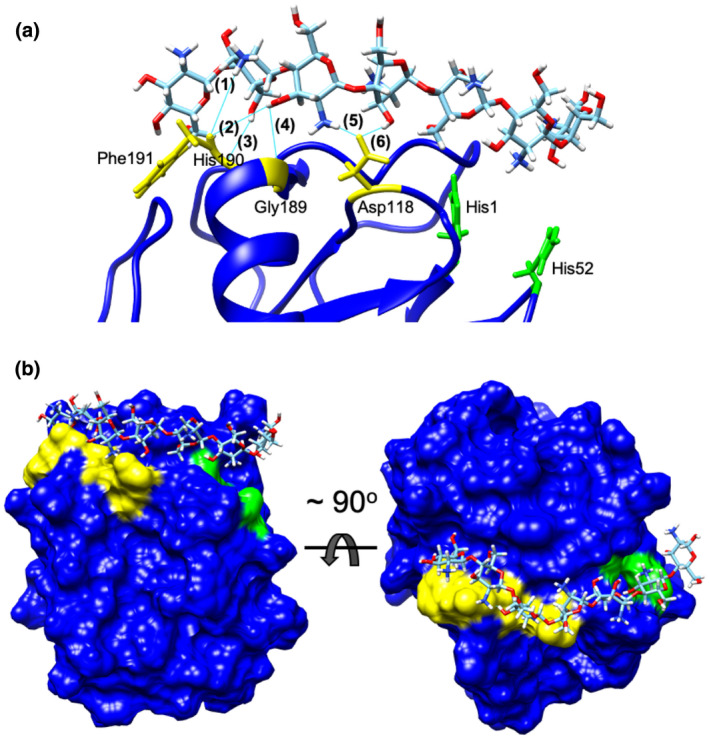
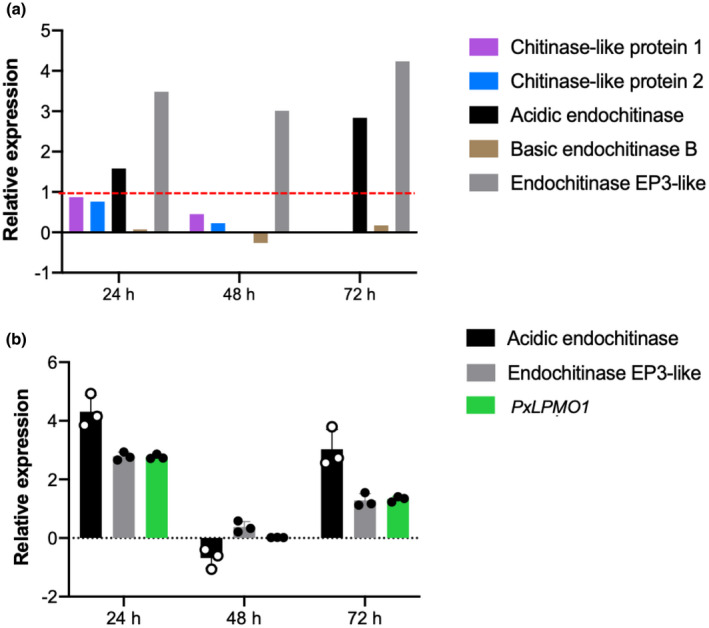
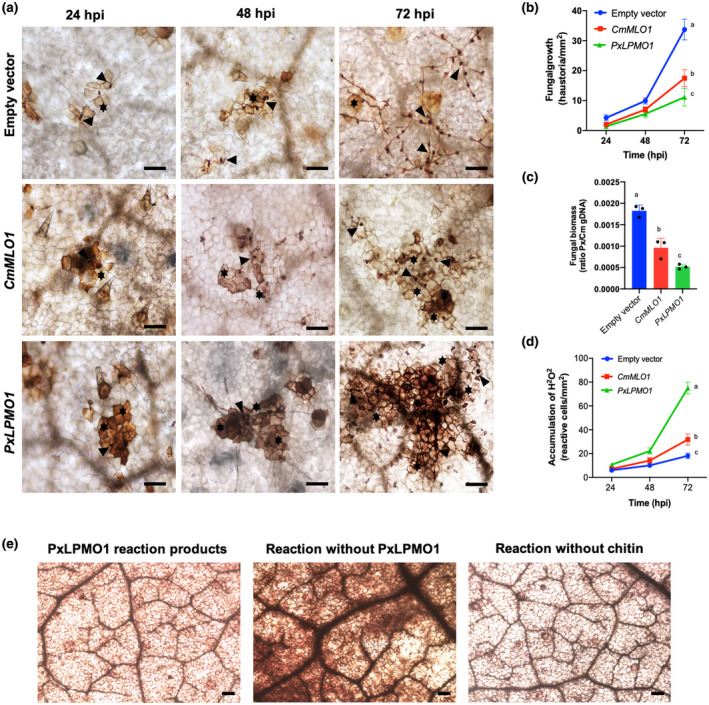
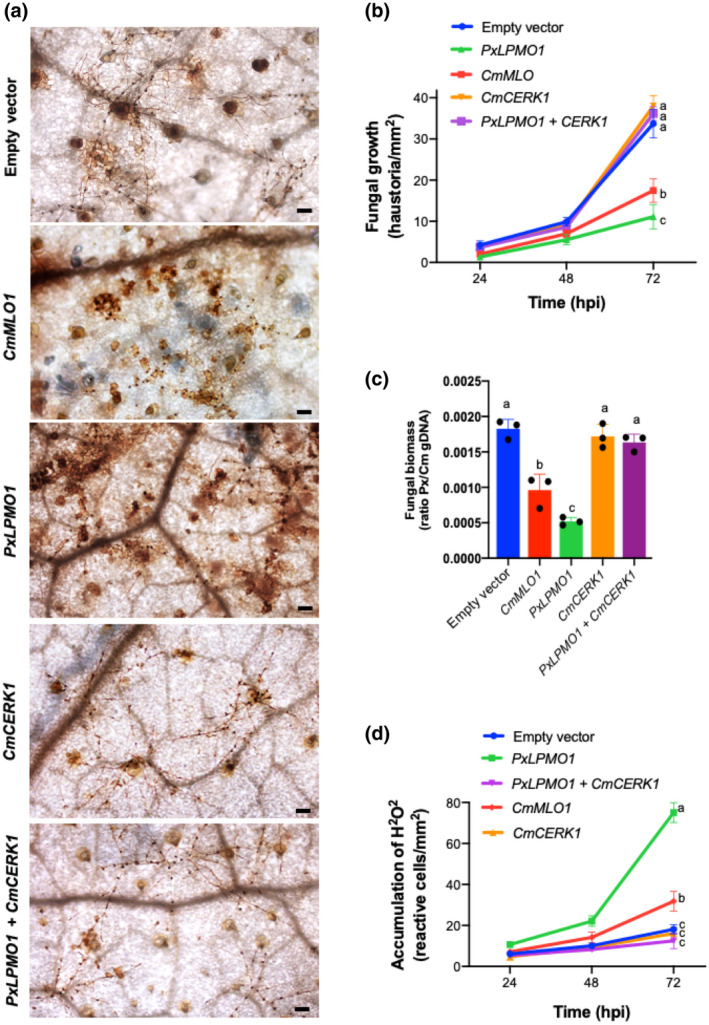
Podosphaera xanthii is the main causal agent of cucurbit powdery mildew and a limiting factor of crop productivity. The lifestyle of this fungus is determined by the development of specialized parasitic structures inside epidermal cells, termed haustoria, that are responsible for the acquisition of nutrients and the release of effectors. A typical function of fungal effectors is the manipulation of host immunity, for example the suppression of pathogen-associated molecular pattern (PAMP)-triggered immunity (PTI). Chitin is a major component of fungal cell walls, and chitin oligosaccharides are well-known PAMP elicitors. In this work, we examined the role of PHEC27213, the most highly expressed, haustorium-specific effector candidate of P. xanthii. According to different computational predictions, the protein folding of PHEC27213 was similar to that of lytic polysaccharide monooxygenases (LPMOs) and included a conserved histidine brace; however, PHEC27213 had low sequence similarity with LPMO proteins and displayed a putative chitin-binding domain that was different from the canonical carbohydrate-binding module. Binding and enzymatic assays demonstrated that PHEC27213 was able to bind and catalyse colloidal chitin, as well as chitooligosaccharides, acting as an LPMO. Furthermore, RNAi silencing experiments showed the potential of this protein to prevent the activation of chitin-triggered immunity. Moreover, proteins with similar features were found in other haustorium-forming fungal pathogens. Our results suggest that this protein is a new fungal LPMO that catalyses chitooligosaccharides, thus contributing to the suppression of plant immunity during haustorium development. To our knowledge, this is the first mechanism identified in the haustorium to suppress chitin signalling.
瓜白粉菌是葫芦科白粉病的主要病原菌,也是作物生产力的限制因素。这种真菌的生活方式由表皮细胞内特化的寄生结构——吸器的发育所决定,吸器负责获取营养和释放效应子。真菌效应子的一个典型功能是操纵宿主免疫,例如抑制病原体相关分子模式(PAMP)触发的免疫(PTI)。几丁质是真菌细胞壁的主要成分,几丁质寡糖是众所周知的PAMP激发子。在这项研究中,我们研究了PHEC27213的作用,它是瓜白粉菌中表达量最高的、吸器特异性效应子候选蛋白。根据不同的计算预测,PHEC27213的蛋白质折叠与裂解多糖单加氧酶(LPMO)相似,包括一个保守的组氨酸支架;然而,PHEC27213与LPMO蛋白的序列相似性较低,并显示出一个与典型碳水化合物结合模块不同的假定几丁质结合结构域。结合和酶活性测定表明,PHEC27213能够结合并催化胶体几丁质以及几丁质寡糖,起到LPMO的作用。此外,RNA干扰沉默实验表明该蛋白具有阻止几丁质触发免疫激活的潜力。此外,在其他形成吸器的真菌病原体中也发现了具有类似特征的蛋白质。我们的结果表明,这种蛋白是一种新的真菌LPMO,可催化几丁质寡糖,从而在吸器发育过程中有助于抑制植物免疫。据我们所知,这是在吸器中发现的第一种抑制几丁质信号传导的机制。