Department of Electronic Engineering, Fudan University, Shanghai, 200433, China.
Department of Ultrasound, Ruijin Hospital, Shanghai Jiaotong University School of Medicine, Shanghai, 200025, China.
Biomed Eng Online. 2021 Mar 20;20(1):27. doi: 10.1186/s12938-021-00863-x.
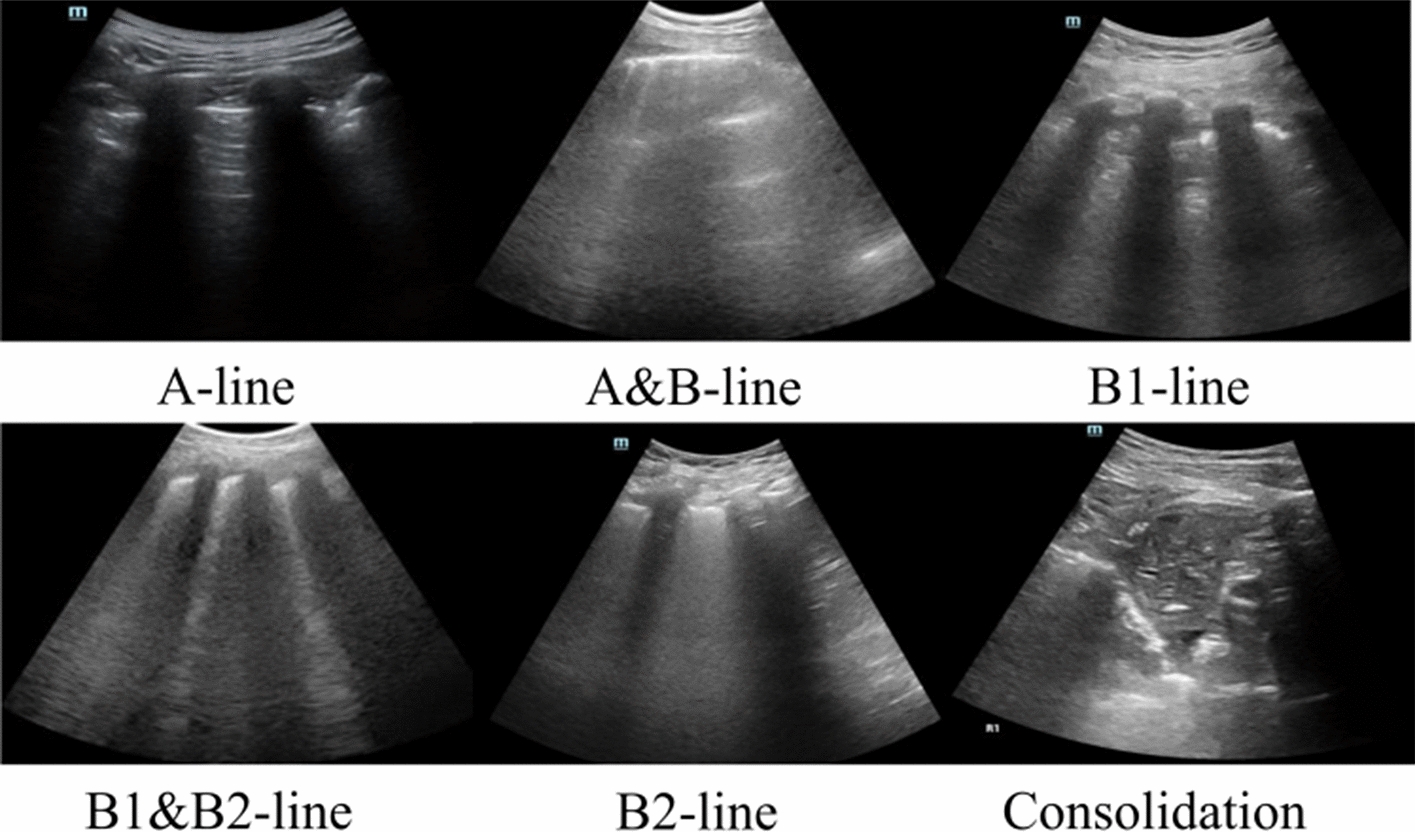
Lung ultrasound (LUS) can be an important imaging tool for the diagnosis and assessment of lung involvement. Ultrasound sonograms have been confirmed to illustrate damage to a person's lungs, which means that the correct classification and scoring of a patient's sonogram can be used to assess lung involvement.
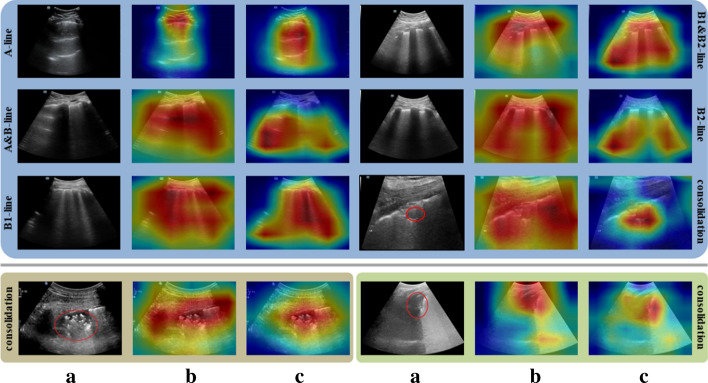
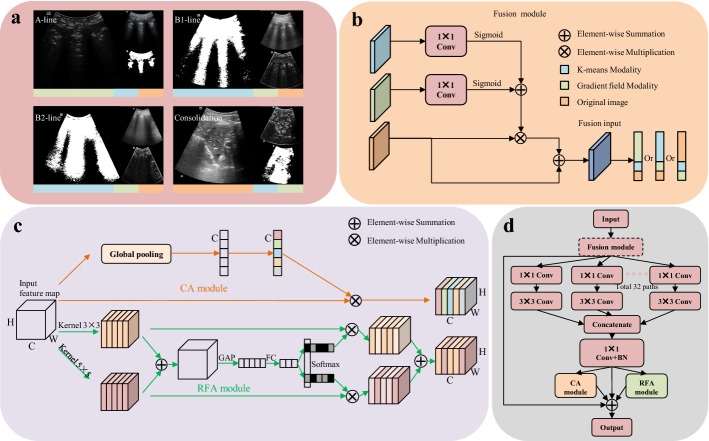
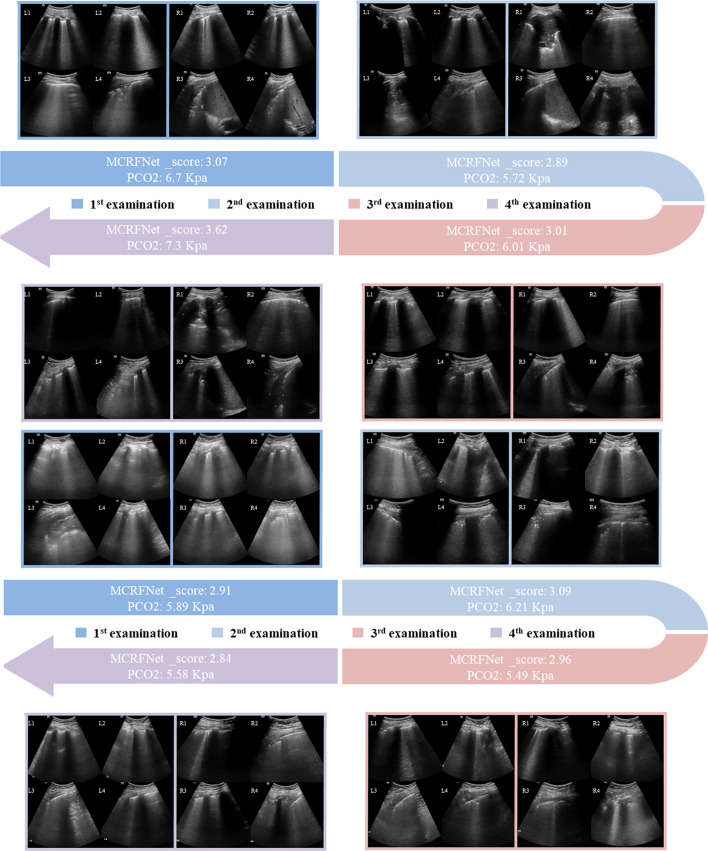
The purpose of this study was to establish a lung involvement assessment model based on deep learning. A novel multimodal channel and receptive field attention network combined with ResNeXt (MCRFNet) was proposed to classify sonograms, and the network can automatically fuse shallow features and determine the importance of different channels and respective fields. Finally, sonogram classes were transformed into scores to evaluate lung involvement from the initial diagnosis to rehabilitation.
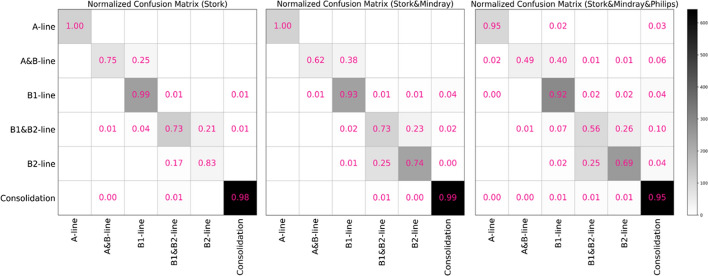
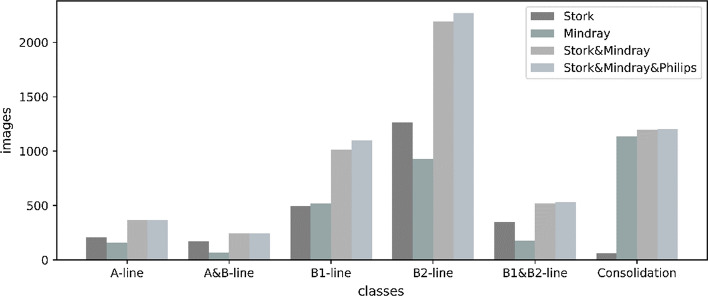
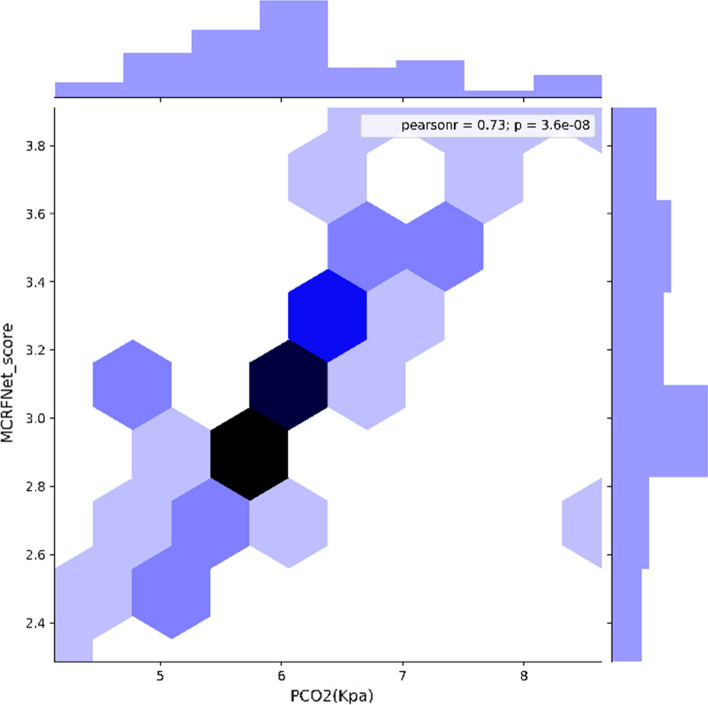
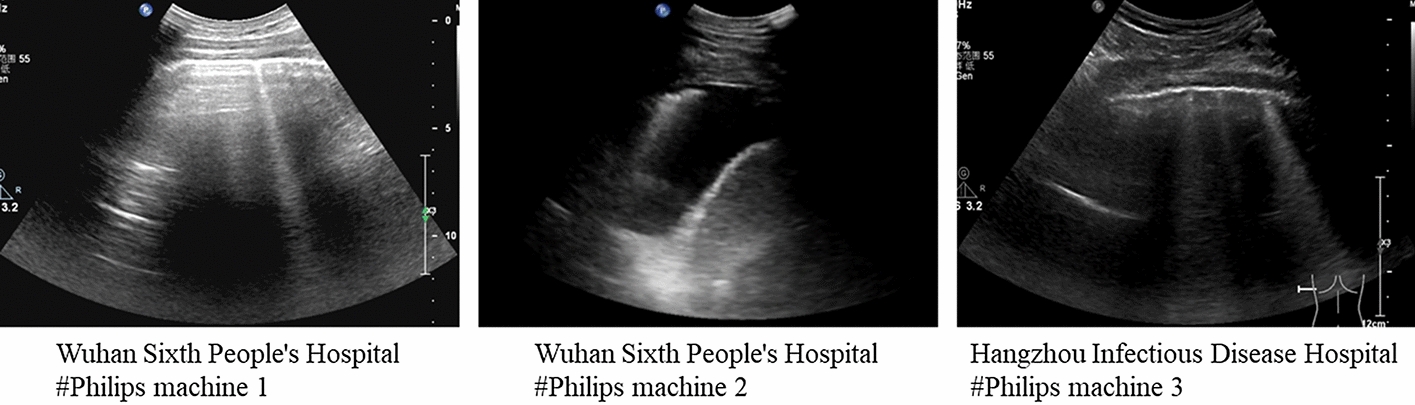
Using multicenter and multimodal ultrasound data from 104 patients, the diagnostic model achieved 94.39% accuracy, 82.28% precision, 76.27% sensitivity, and 96.44% specificity. The lung involvement severity and the trend of COVID-19 pneumonia were evaluated quantitatively.
肺部超声(LUS)可以成为诊断和评估肺部受累的重要影像学工具。超声声像图已被证实可以说明患者肺部的损伤,这意味着正确分类和评分患者的声像图可用于评估肺部受累。
本研究旨在建立基于深度学习的肺部受累评估模型。提出了一种新的多模态通道和感受野注意网络与 ResNeXt(MCRFNet)相结合的方法,用于对声像图进行分类,该网络可以自动融合浅层特征并确定不同通道和各自区域的重要性。最后,将声像图类别转换为分数,以从初始诊断到康复评估肺部受累。
该诊断模型使用来自 104 名患者的多中心和多模态超声数据,实现了 94.39%的准确率、82.28%的精密度、76.27%的灵敏度和 96.44%的特异性。定量评估了肺部受累的严重程度和 COVID-19 肺炎的趋势。