Zuo Zhihua, Xiong Junjun, Zeng Chuyi, Jiang Yao, Xiong Kang, Tao Hualin, Guo Yongcan
Department of Clinical Laboratory, The Affiliated Hospital of Southwest Medical University, Luzhou, China.
Department of Gynaecology, The Affiliated Hospital of Southwest Medical University, Luzhou, China.
Front Mol Biosci. 2021 Mar 3;8:625470. doi: 10.3389/fmolb.2021.625470. eCollection 2021.
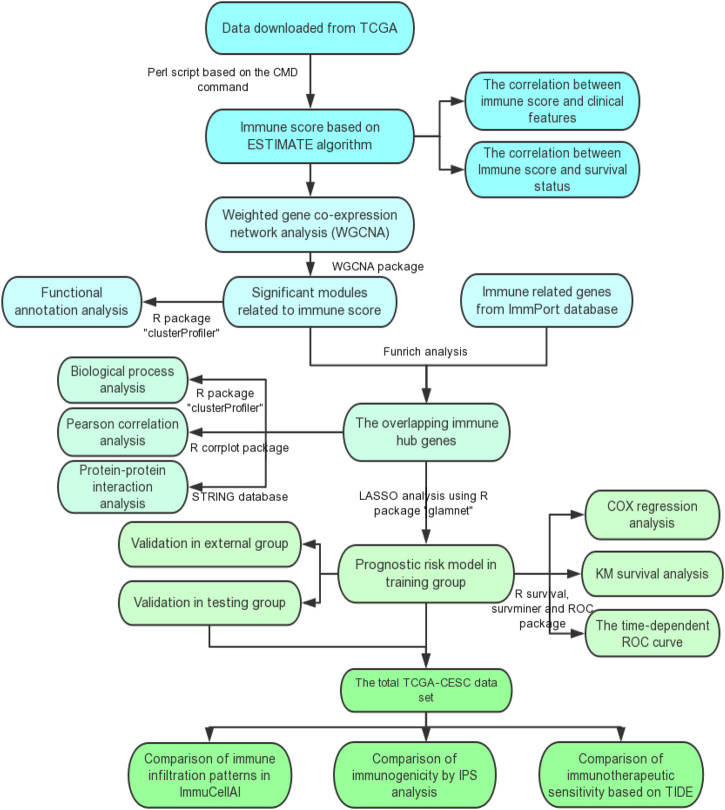
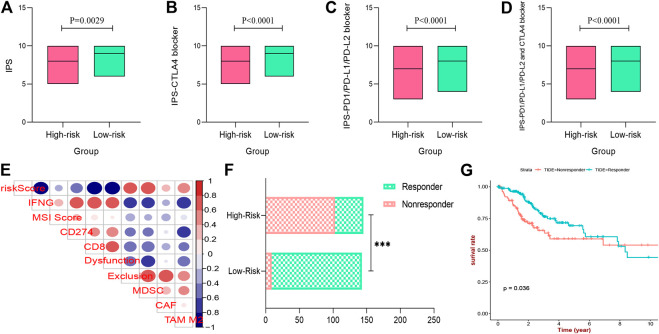
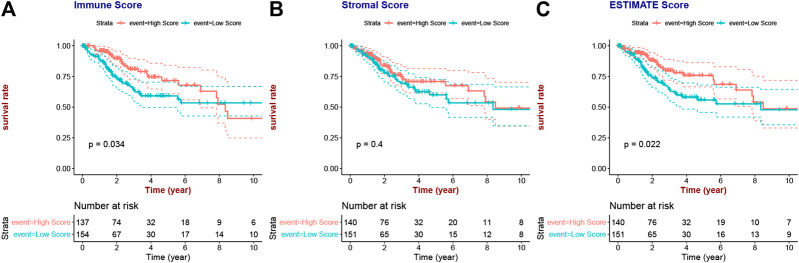
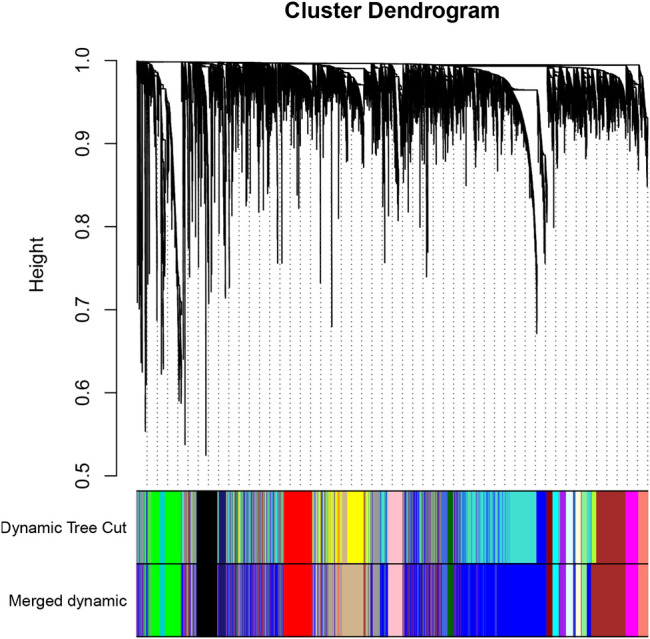
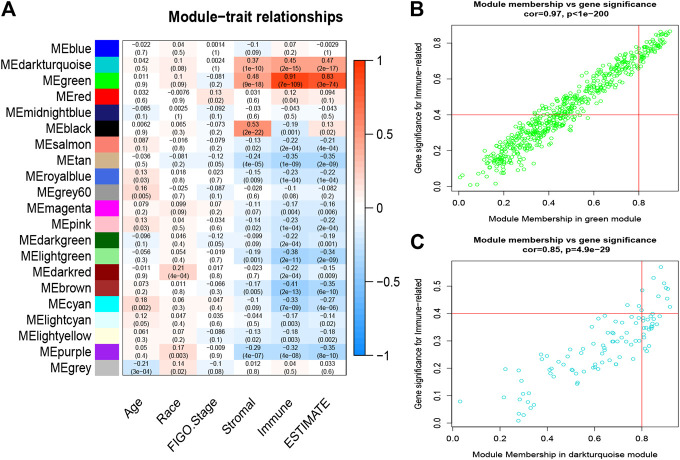
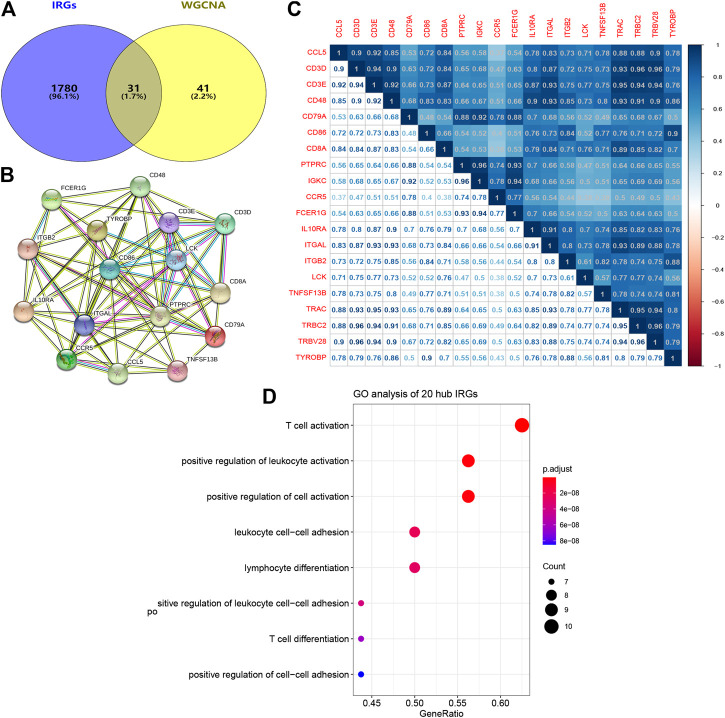
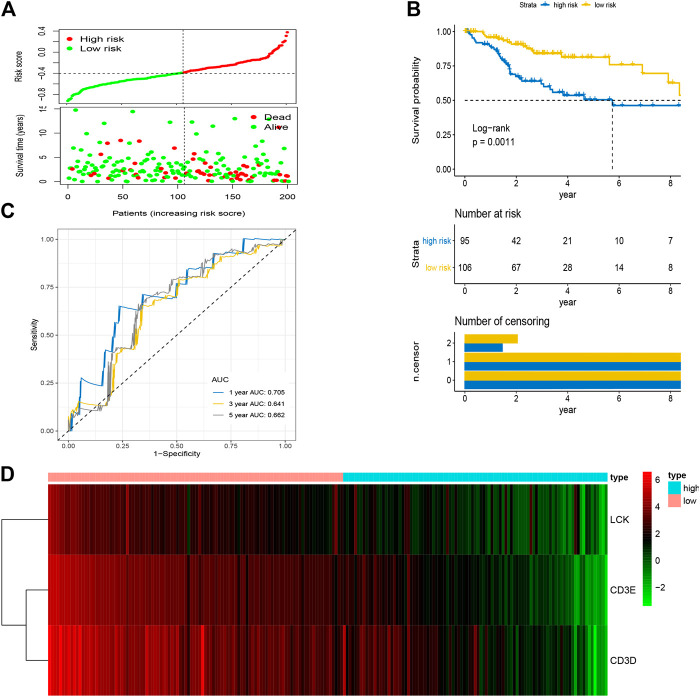
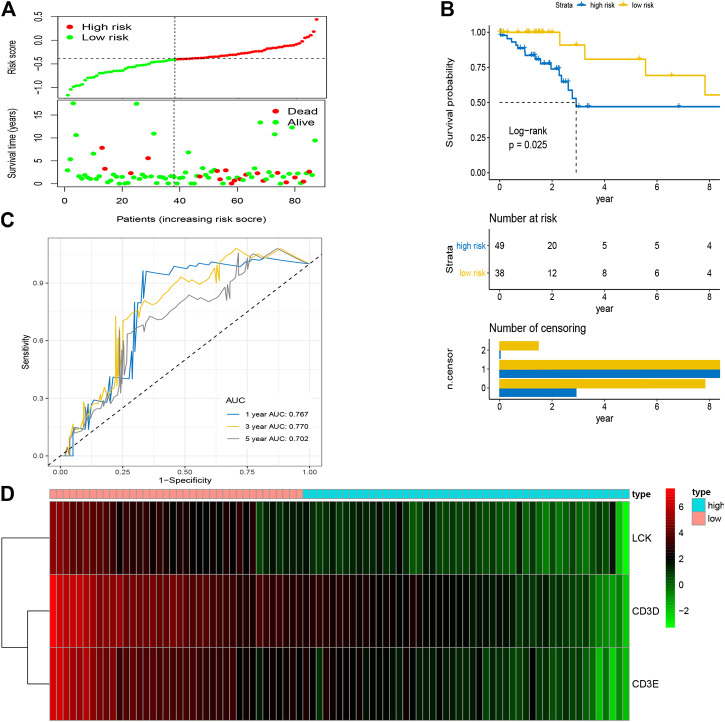
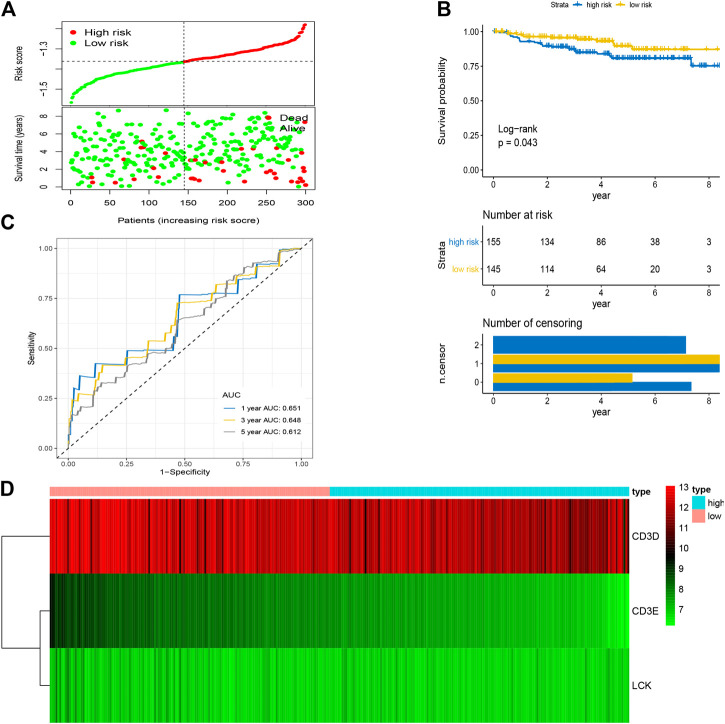
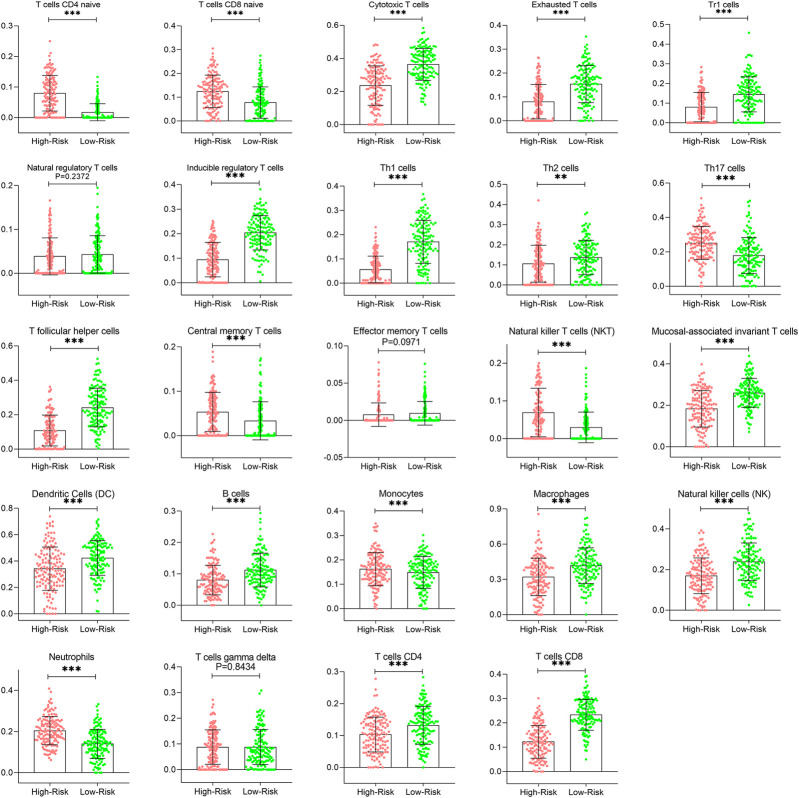
Cervical squamous cell carcinoma (CESC) is one of the most frequent malignancies in women worldwide. The level of immune cell infiltration and immune-related genes (IRGs) can significantly affect the prognosis and immunotherapy of CESC patients. Thus, this study aimed to identify an immune-related prognostic signature for CESC. TCGA-CESC cohorts, obtained from TCGA database, were divided into the training group and testing group; while GSE44001 dataset from GEO database was viewed as external validation group. ESTIMATE algorithm was applied to evaluate the infiltration levels of immune cells of CESC patients. IRGs were screened out through weighted gene co-expression network analysis (WGCNA). A multi-gene prognostic signature based on IRGs was constructed using LASSO penalized Cox proportional hazards regression, which was validated through Kaplan-Meier, Cox, and receiver operating characteristic curve (ROC) analyses. The abundance of immune cells was calculated using ssGSEA algorithm in the ImmuCellAI database, and the response to immunotherapy was evaluated using immunophenoscore (IPS) analysis and the TIDE algorithm. In TCGA-CESC cohorts, higher levels of immune cell infiltration were closely associated with better prognoses. Moreover, a prognostic signature was constructed using three IRGs. Based on this given signature, Kaplan-Meier analysis suggested the significant differences in overall survival (OS) and the ROC analysis demonstrated its robust predictive potential for CESC prognosis, further confirmed by internal and external validation. Additionally, multivariate Cox analysis revealed that the three IRGs signature served as an independent prognostic factor for CESC. In the three-IRGs signature low-risk group, the infiltrating immune cells (B cells, CD4/8 + T cells, cytotoxic T cells, macrophages and so on) were much more abundant than that in high-risk group. Ultimately, IPS and TIDE analyses showed that low-risk CESC patients appeared to present with a better response to immunotherapy and a better prognosis than high-risk patients. The present prognostic signature based on three IRGs (CD3E, CD3D, LCK) was not only reliable for survival prediction but efficient to predict the clinical response to immunotherapy for CESC patients, which might assist in guiding more precise individual treatment in the future.
宫颈鳞状细胞癌(CESC)是全球女性中最常见的恶性肿瘤之一。免疫细胞浸润水平和免疫相关基因(IRGs)可显著影响CESC患者的预后和免疫治疗。因此,本研究旨在确定CESC的免疫相关预后特征。从TCGA数据库获取的TCGA-CESC队列被分为训练组和测试组;而来自GEO数据库的GSE44001数据集被视为外部验证组。应用ESTIMATE算法评估CESC患者免疫细胞的浸润水平。通过加权基因共表达网络分析(WGCNA)筛选出IRGs。使用LASSO惩罚Cox比例风险回归构建基于IRGs的多基因预后特征,并通过Kaplan-Meier分析、Cox分析和受试者工作特征曲线(ROC)分析进行验证。使用ImmuCellAI数据库中的ssGSEA算法计算免疫细胞丰度,并使用免疫表型评分(IPS)分析和TIDE算法评估免疫治疗反应。在TCGA-CESC队列中,较高水平的免疫细胞浸润与较好的预后密切相关。此外,使用三个IRGs构建了一个预后特征。基于此给定特征,Kaplan-Meier分析表明总生存期(OS)存在显著差异,ROC分析证明其对CESC预后具有强大的预测潜力,内部和外部验证进一步证实了这一点。此外,多变量Cox分析显示,三个IRGs特征是CESC的独立预后因素。在三个IRGs特征的低风险组中,浸润性免疫细胞(B细胞、CD4/8 + T细胞、细胞毒性T细胞、巨噬细胞等)比高风险组丰富得多。最终,IPS和TIDE分析表明,低风险CESC患者似乎比高风险患者对免疫治疗有更好的反应和更好的预后。基于三个IRGs(CD3E、CD3D、LCK)的当前预后特征不仅对生存预测可靠,而且对预测CESC患者的免疫治疗临床反应有效,这可能有助于未来指导更精确的个体化治疗。