
天然先导化合物与严重急性呼吸综合征冠状病毒2(SARS-CoV-2)主要蛋白质靶点相互作用潜力的结构见解:分子建模、对接和动力学模拟研究
Structural insights on the interaction potential of natural leads against major protein targets of SARS-CoV-2: Molecular modelling, docking and dynamic simulation studies.
作者信息
Skariyachan Sinosh, Gopal Dharshini, Muddebihalkar Aditi G, Uttarkar Akshay, Niranjan Vidya
机构信息
Department of Microbiology, St. Pius X College Rajapuram, Kasaragod, Kerala, India.
Department of Bioinformatics, Manipal Academy of Higher Education, Manipal, Karnataka, India.
出版信息
Comput Biol Med. 2021 May;132:104325. doi: 10.1016/j.compbiomed.2021.104325. Epub 2021 Mar 13.
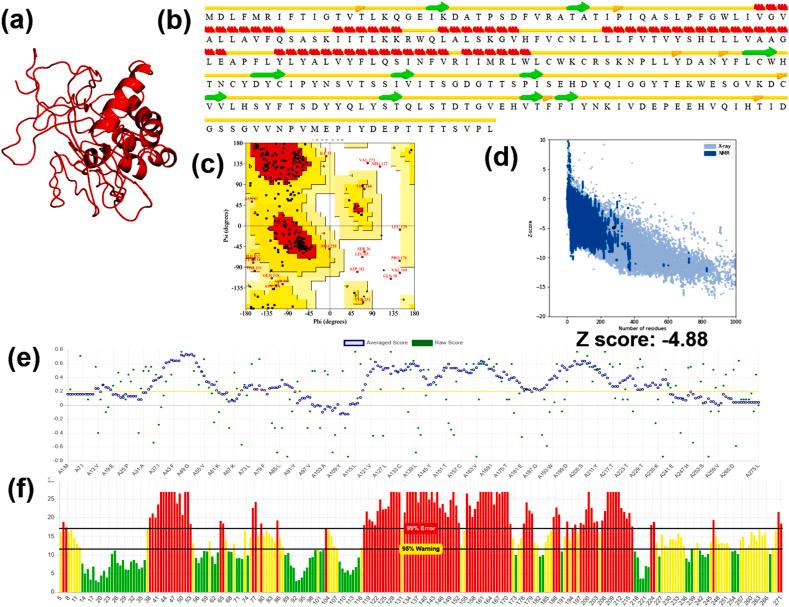
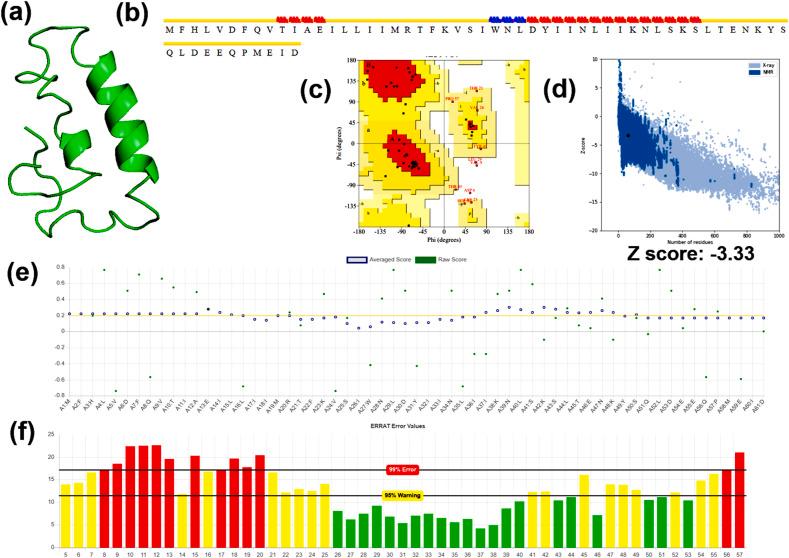
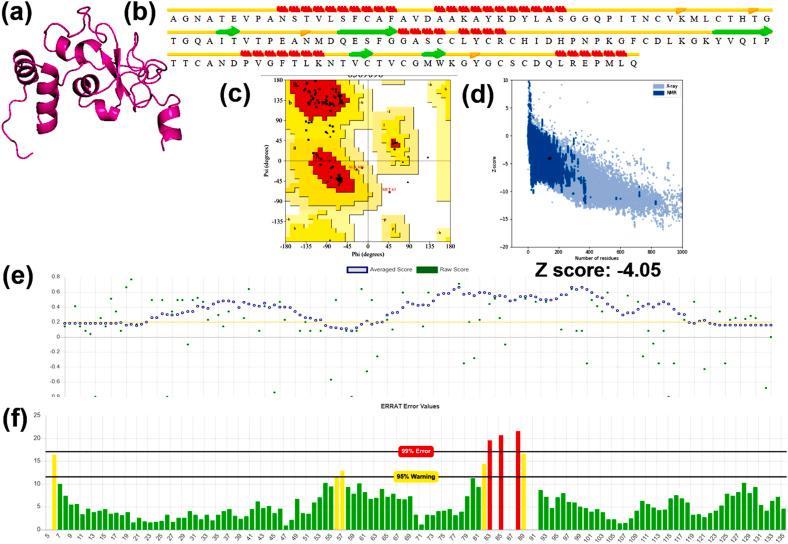
Though significant efforts are in progress for developing drugs and vaccines against COVID-19, limited therapeutic agents are available currently. Thus, it is essential to undertake COVID-19 research and to identify therapeutic interventions in which computational modeling and virtual screening of lead molecules provide significant insights. The present study aimed to predict the interaction potential of natural lead molecules against prospective protein targets of SARS-CoV-2 by molecular modeling, docking, and dynamic simulation. Based on the literature survey and database search, fourteen molecular targets were selected and the three targets which lack the native structures were computationally modeled. The drug-likeliness and pharmacokinetic features of ninety-two natural molecules were predicted. Four lead molecules with ideal drug-likeliness and pharmacokinetic properties were selected and docked against fourteen targets, and their binding energies were compared with the binding energy of the interaction between Chloroquine and Hydroxychloroquine to their usual targets. The stabilities of selected docked complexes were confirmed by MD simulation and energy calculations. Four natural molecules demonstrated profound binding to most of the prioritized targets, especially, Hyoscyamine and Tamaridone to spike glycoprotein and Rotiorinol-C and Scutifoliamide-A to replicase polyprotein-1ab main protease of SARS-CoV-2 showed better binding energy, conformational and dynamic stabilities compared to the binding energy of Chloroquine and its usual target glutathione-S-transferase. The aforementioned lead molecules can be used to develop novel therapeutic agents towards the protein targets of SARS-CoV-2, and the study provides significant insight for structure-based drug development against COVID-19.
尽管目前正在大力研发针对新冠病毒的药物和疫苗,但目前可用的治疗药物有限。因此,开展新冠病毒研究并确定治疗干预措施至关重要,其中计算建模和先导分子虚拟筛选能提供重要见解。本研究旨在通过分子建模、对接和动态模拟预测天然先导分子与严重急性呼吸综合征冠状病毒2(SARS-CoV-2)潜在蛋白靶点的相互作用潜力。基于文献调研和数据库搜索,选择了14个分子靶点,并对其中3个缺乏天然结构的靶点进行了计算建模。预测了92种天然分子的类药性和药代动力学特征。选择了4种具有理想类药性和药代动力学特性的先导分子,使其与14个靶点进行对接,并将它们的结合能与氯喹和羟氯喹与其常见靶点之间相互作用的结合能进行比较。通过分子动力学(MD)模拟和能量计算确认了所选对接复合物的稳定性。4种天然分子与大多数优先靶点表现出深度结合,特别是,天仙子胺和罗蒂酮对刺突糖蛋白,以及rotiorinol-C和scutifoliamide-A对SARS-CoV-2的复制酶多聚蛋白1ab主要蛋白酶,与氯喹及其常见靶点谷胱甘肽-S-转移酶的结合能相比,显示出更好的结合能、构象和动态稳定性。上述先导分子可用于开发针对SARS-CoV-2蛋白靶点的新型治疗药物,该研究为基于结构的抗新冠病毒药物开发提供了重要见解。

 Zotero 插件