Geng Zhimin, Tao Yijing, Zheng Fenglei, Wu Linlin, Wang Ying, Wang Yujia, Sun Yameng, Fu Songling, Wang Wei, Xie Chunhong, Zhang Yiying, Gong Fangqi
Department of Cardiology, Children's Hospital, Zhejiang University School of Medicine, National Clinical Research Center for Child Health, Hangzhou, Zhejiang, People's Republic of China.
J Inflamm Res. 2021 Mar 16;14:885-896. doi: 10.2147/JIR.S293993. eCollection 2021.
Kawasaki disease (KD) is characterized by a disorder of immune response, and its etiology remains unknown. Monocyte is an important member of the body's innate immune system; however its role in KD is still elusive due to its ambiguous heterogeneity and complex functions. We aim to comprehensively delineate monocyte heterogeneity in healthy and KD infants and to reveal the underlying mechanism for KD.
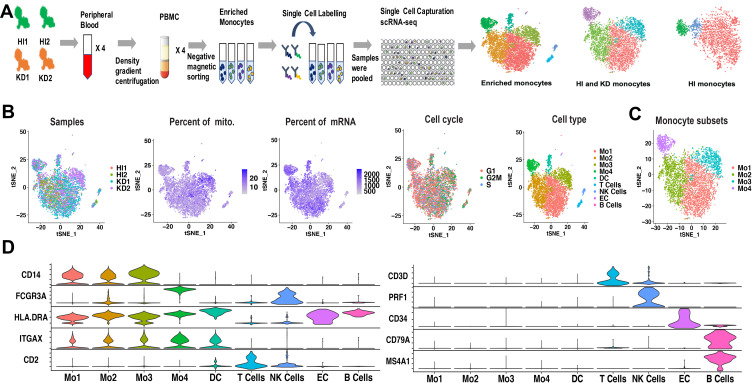
Peripheral monocytes were enriched from peripheral blood samples of two healthy infants and two KD infants. scRNA-seq was performed to acquire the transcriptomic atlas of monocytes. Bio-information analysis was utilized to identify monocyte subsets and explore their functions and differentiation states. SELL+CD14+CD16- monocytes were validated using flow cytometry.
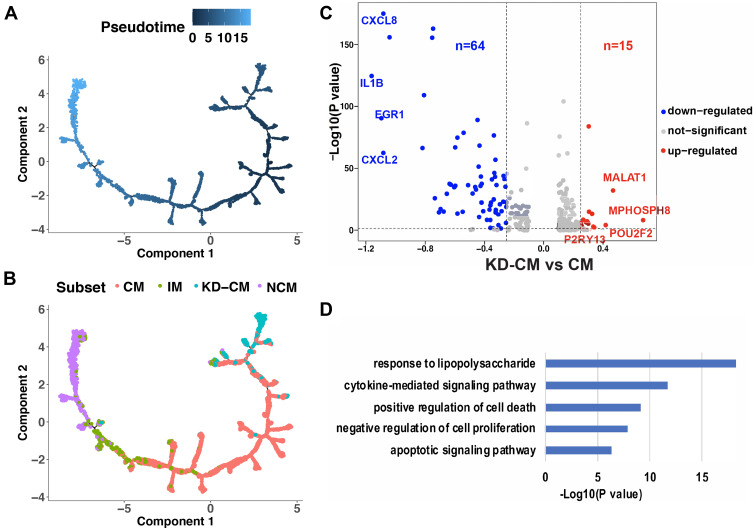
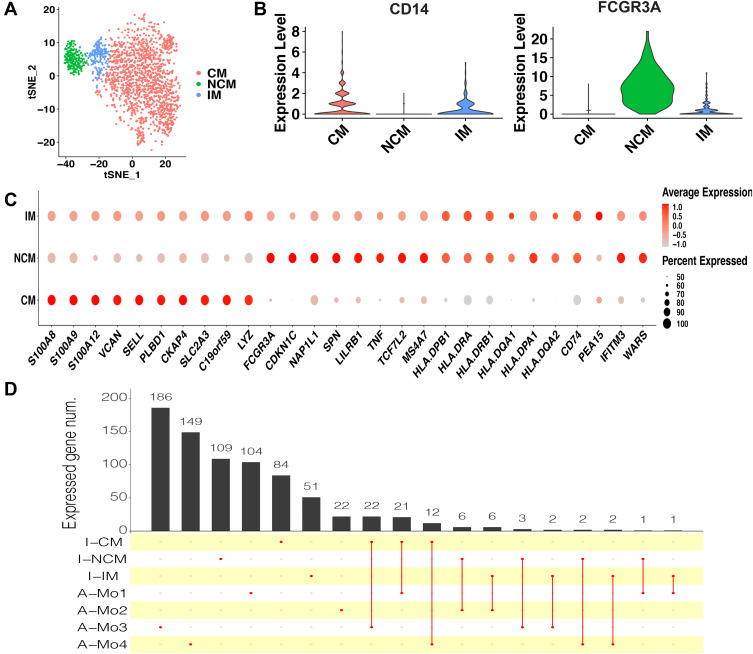
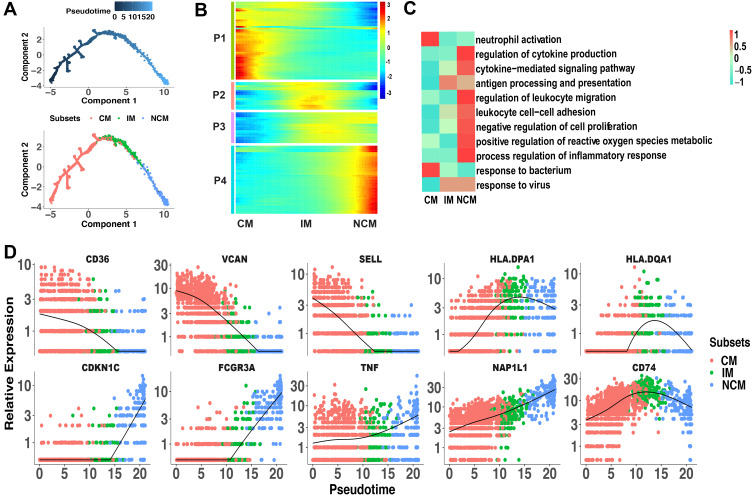
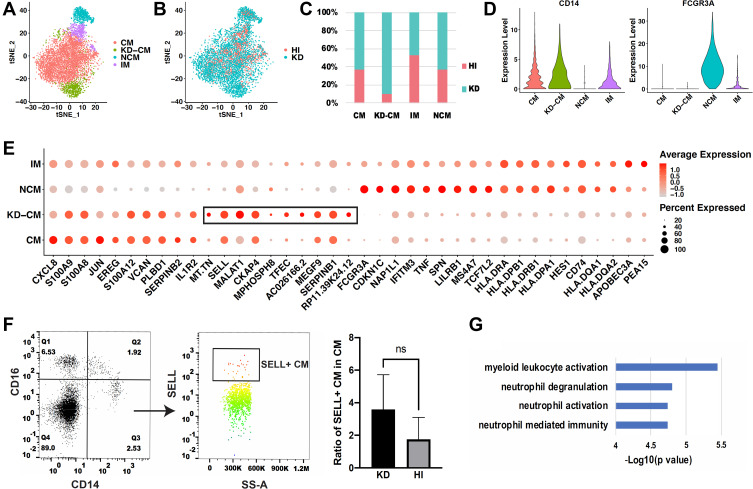
Three monocyte subsets were identified in healthy infants, including CD14+CD16- monocytes, CD14+CD16+ monocytes, and CD14CD16+ monocytes. Cell trajectory analysis revealed that the three monocyte subsets represent a linear differentiation, and possess different biological functions. Furthermore, SELL+CD14+CD16- monocytes, which were poorly differentiated and relating to neutrophil activation, were found to be expanded in KD.
Our findings provide a valuable resource for deciphering the monocyte heterogeneity in healthy infants and uncover the altered monocyte subsets in KD patients, suggesting potential biomarkers for KD diagnosis and treatment.
川崎病(KD)以免疫反应紊乱为特征,其病因尚不清楚。单核细胞是机体固有免疫系统的重要成员;然而,由于其异质性不明确和功能复杂,其在KD中的作用仍不清楚。我们旨在全面描述健康婴儿和KD婴儿的单核细胞异质性,并揭示KD的潜在机制。
从两名健康婴儿和两名KD婴儿的外周血样本中富集外周单核细胞。进行单细胞RNA测序以获取单核细胞的转录组图谱。利用生物信息分析来鉴定单核细胞亚群,并探索它们的功能和分化状态。使用流式细胞术验证SELL+CD14+CD16-单核细胞。
在健康婴儿中鉴定出三个单核细胞亚群,包括CD14+CD16-单核细胞、CD14+CD16+单核细胞和CD14CD16+单核细胞。细胞轨迹分析表明,这三个单核细胞亚群代表线性分化,并具有不同的生物学功能。此外,发现分化较差且与中性粒细胞活化相关的SELL+CD14+CD16-单核细胞在KD中扩增。
我们的研究结果为解读健康婴儿的单核细胞异质性提供了有价值的资源,并揭示了KD患者中单核细胞亚群的改变,为KD的诊断和治疗提供了潜在的生物标志物。