Department of Microbiology and Immunology, University of Miami Miller School of Medicine, Miami, FL, United States of America.
Sylvester Comprehensive Cancer Center, University of Miami Miller School of Medicine, Miami, FL, United States of America.
PLoS One. 2021 Mar 24;16(3):e0245424. doi: 10.1371/journal.pone.0245424. eCollection 2021.
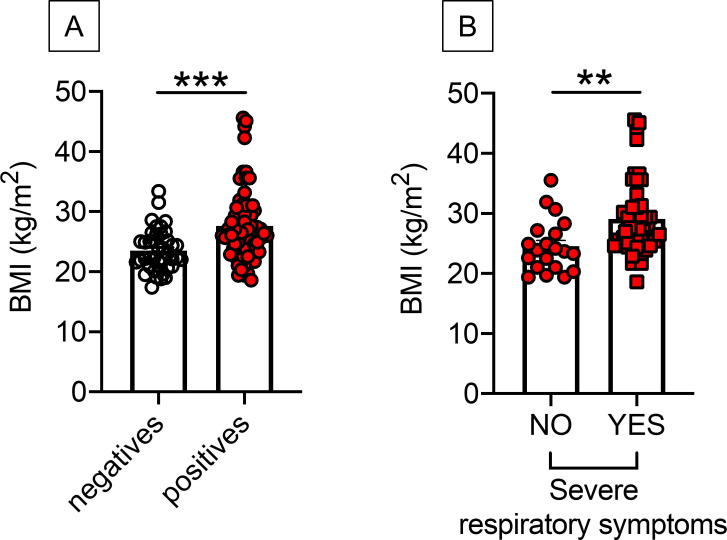
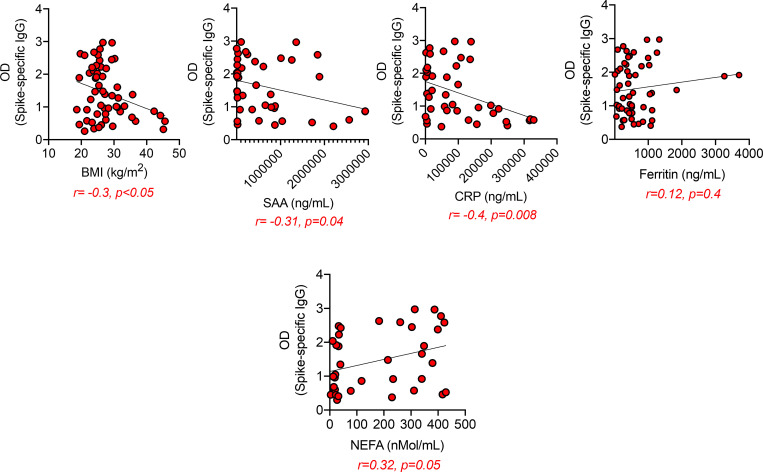
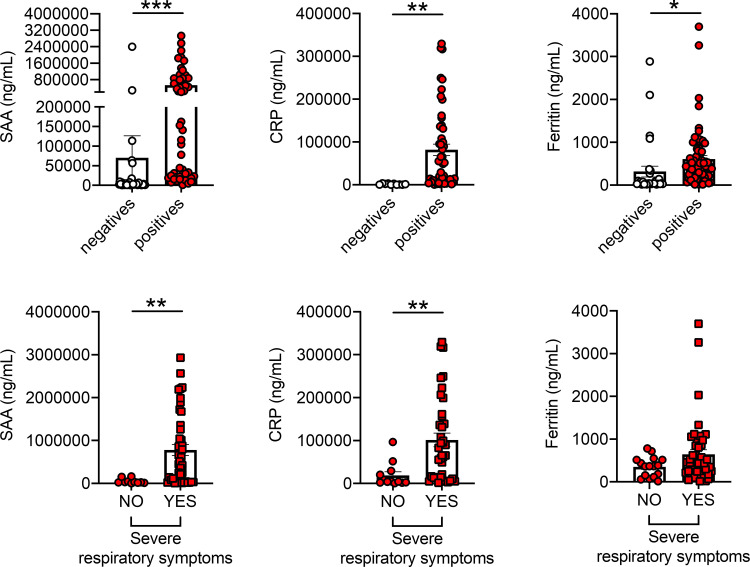
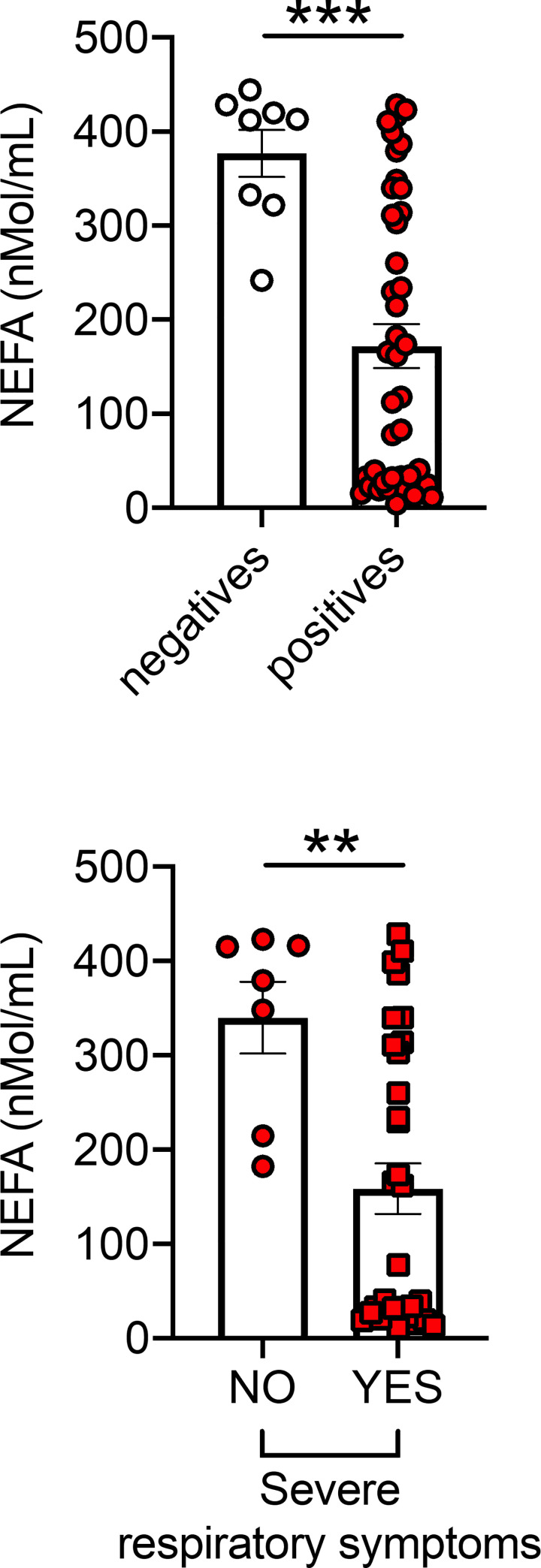
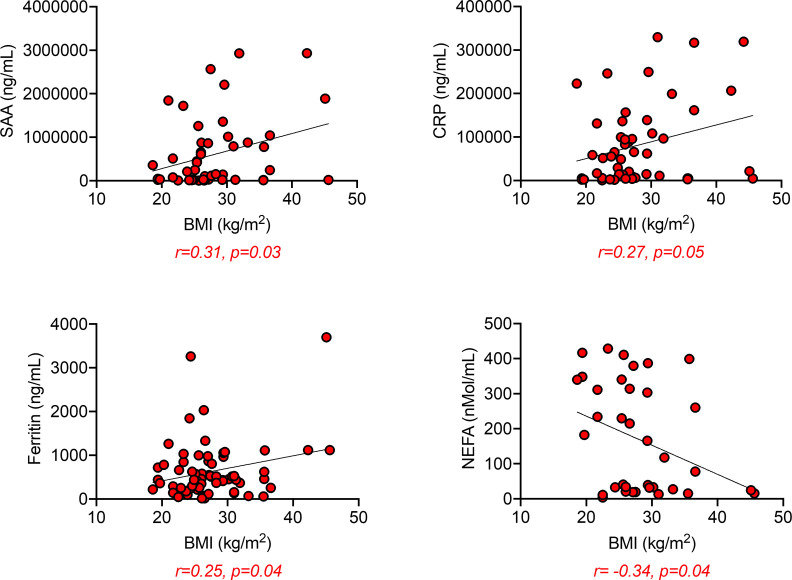
SARS-CoV-2 (Severe Acute Respiratory Syndrome Corona Virus-2), cause of COVID-19 (Coronavirus Disease of 2019), represents a significant risk to people living with pre-existing conditions associated with exacerbated inflammatory responses and consequent dysfunctional immunity. In this paper, we have evaluated the influence of obesity, a condition associated with chronic systemic inflammation, on the secretion of SARS-CoV-2-specific IgG antibodies in the blood of COVID-19 patients. Our hypothesis is that obesity is associated with reduced amounts of specific IgG antibodies. Results have confirmed our hypothesis and have shown that SARS-CoV-2 IgG antibodies are negatively associated with Body Mass Index (BMI) in COVID-19 obese patients, as expected based on the known influence of obesity on humoral immunity. Antibodies in COVID-19 obese patients are also negatively associated with serum levels of pro-inflammatory and metabolic markers of inflammaging and pulmonary inflammation, such as SAA (serum amyloid A protein), CRP (C-reactive protein), and ferritin, but positively associated with NEFA (nonesterified fatty acids). These results altogether could help to identify an inflammatory signature with strong predictive value for immune dysfunction. Inflammatory markers identified may subsequently be targeted to improve humoral immunity in individuals with obesity and in individuals with other chronic inflammatory conditions.
SARS-CoV-2(严重急性呼吸系统综合症冠状病毒 2),引发 COVID-19(2019 年冠状病毒病),对患有与炎症反应加剧和随之而来的免疫功能障碍相关的既往疾病的人构成重大风险。在本文中,我们评估了肥胖(与慢性系统性炎症相关的病症)对 COVID-19 患者血液中 SARS-CoV-2 特异性 IgG 抗体分泌的影响。我们的假设是肥胖与特异性 IgG 抗体的数量减少有关。结果证实了我们的假设,表明肥胖的 COVID-19 患者的 SARS-CoV-2 IgG 抗体与体重指数(BMI)呈负相关,这与肥胖对体液免疫的已知影响相符。COVID-19 肥胖患者的抗体也与血清中促炎和炎症老化及肺部炎症的代谢标志物呈负相关,如 SAA(血清淀粉样蛋白 A 蛋白)、CRP(C 反应蛋白)和铁蛋白,但与 NEFA(非酯化脂肪酸)呈正相关。这些结果共同帮助确定了具有强预测免疫功能障碍价值的炎症特征。随后可针对炎症标志物进行靶向治疗,以改善肥胖人群和其他慢性炎症性疾病人群的体液免疫。