Department of Environmental Toxicology, University of California, Davis, Davis, CA, United States.
Center for Health and the Environment, University of California, Davis, Davis, CA, United States.
Front Immunol. 2021 Mar 8;12:625346. doi: 10.3389/fimmu.2021.625346. eCollection 2021.
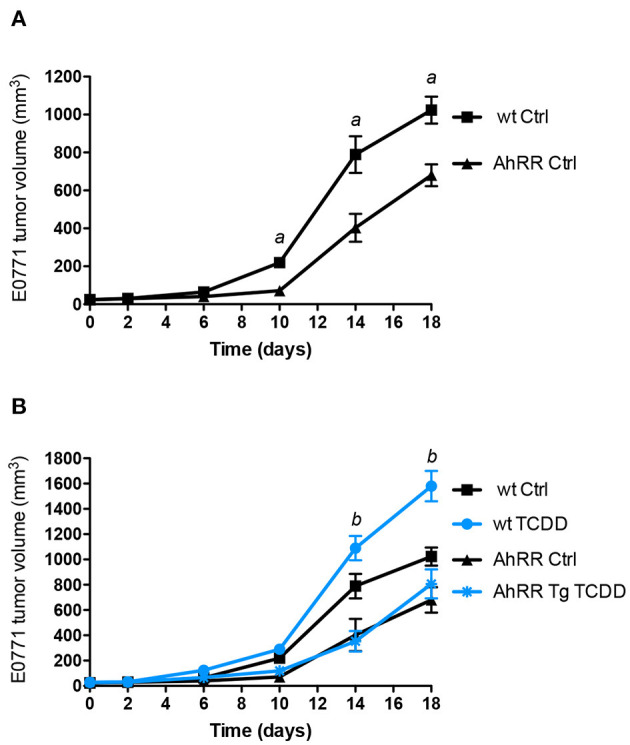
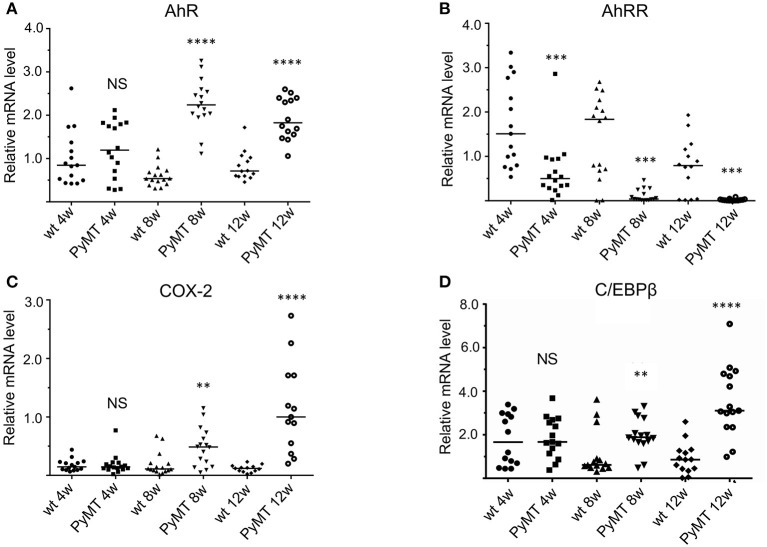
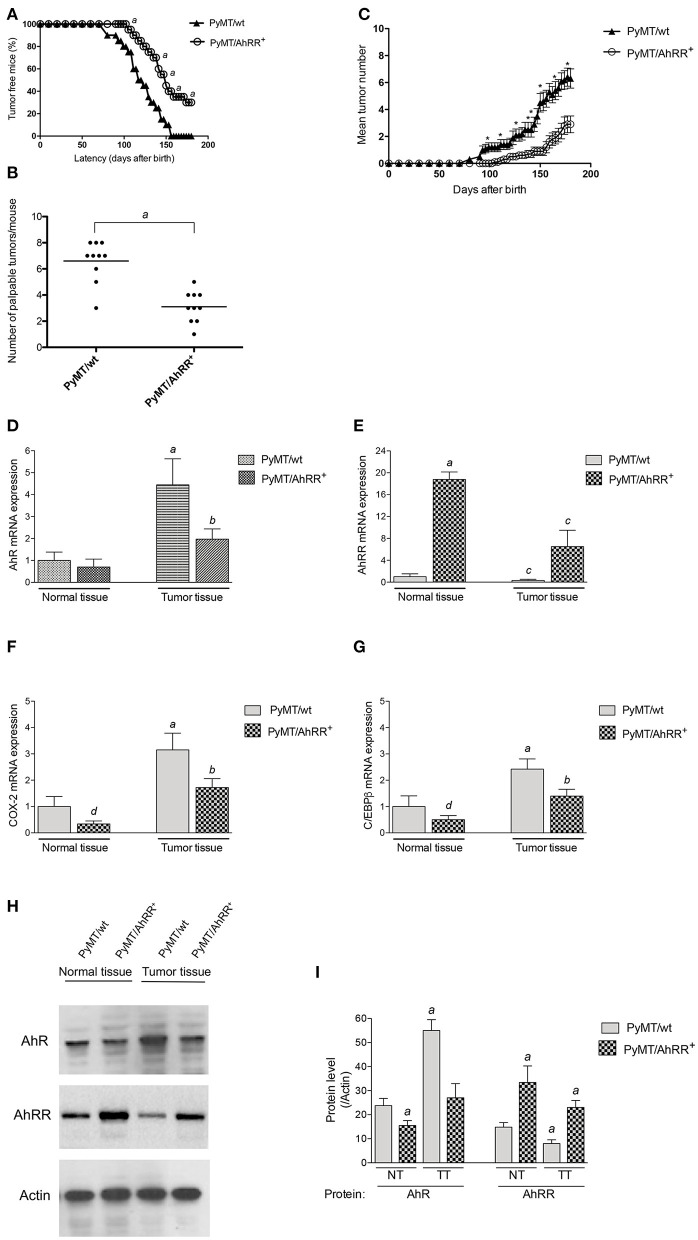
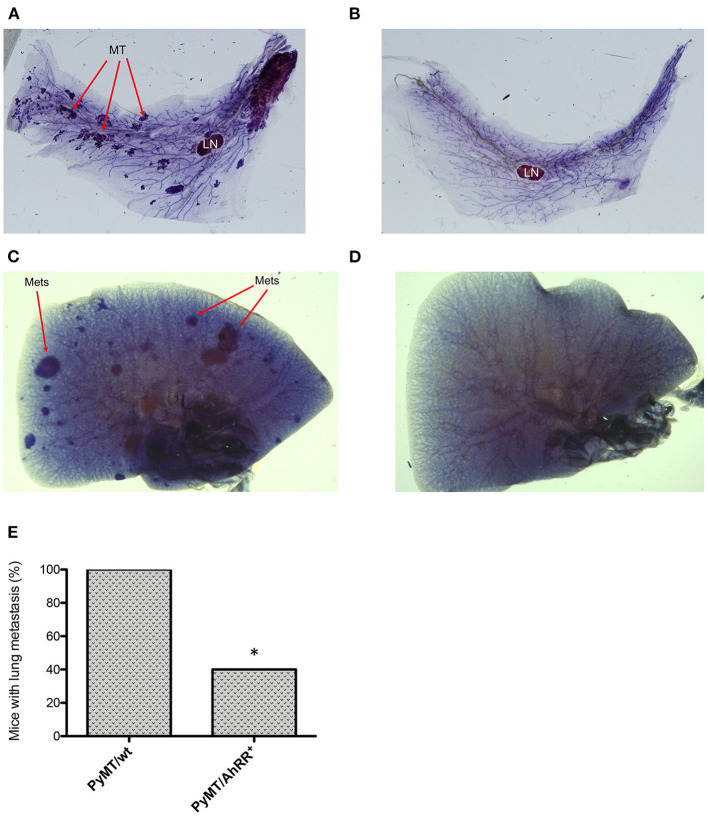
Activation of the aryl hydrocarbon receptor (AhR) through environmental exposure to known human carcinogens including dioxins can lead to the promotion of breast cancer. While the repressor protein of the AhR (AhRR) blocks the canonical AhR pathway, the function of AhRR in the development of breast cancer is not well-known. In the current study we examined the impact of suppressing AhR activity using its dedicated repressor protein AhRR. AhRR is a putative tumor suppressor and is silenced in several cancer types, including breast, where its loss correlates with shorter patient survival. Using the AhRR transgenic mouse, we demonstrate that AhRR overexpression opposes AhR-driven and inflammation-induced growth of mammary tumors in two different murine models of breast cancer. These include a syngeneic model using E0771 mammary tumor cells as well as the Polyoma Middle T antigen (PyMT) transgenic model. Further AhRR overexpression or knockout of AhR in human breast cancer cells enhanced apoptosis induced by chemotherapeutics and inhibited the growth of mouse mammary tumor cells. This study provides the first evidence that AhRR suppresses mammary tumor development and suggests that strategies which lead to its functional restoration and expression may have therapeutic benefit.
芳烃受体 (AhR) 的激活可导致乳腺癌的发生,其途径是通过环境暴露于二恶英等已知人类致癌物。尽管 AhR 的抑制蛋白(AhRR)可阻断经典的 AhR 途径,但 AhRR 在乳腺癌发展中的功能尚不清楚。在本研究中,我们研究了使用 AhR 的专用抑制剂 AhRR 抑制 AhR 活性的作用。AhRR 是一种潜在的肿瘤抑制因子,在包括乳腺癌在内的多种癌症中失活,其缺失与患者生存时间缩短相关。利用 AhRR 转基因小鼠,我们证明 AhRR 过表达可抑制两种不同的乳腺癌小鼠模型中由 AhR 驱动和炎症诱导的乳腺肿瘤生长。这些模型包括使用 E0771 乳腺肿瘤细胞的同基因模型和 Polyoma Middle T 抗原 (PyMT) 转基因模型。进一步在人乳腺癌细胞中过表达 AhRR 或敲除 AhR 可增强化疗诱导的细胞凋亡并抑制鼠乳腺肿瘤细胞的生长。本研究首次提供了 AhRR 抑制乳腺肿瘤发生的证据,并表明可通过恢复其功能和表达的策略可能具有治疗益处。