Duc Nguyen Minh
Doctoral Program, Department of Radiology, Hanoi Medical University, Ha Noi, Vietnam.
Department of Radiology, Pham Ngoc Thach University of Medicine, Ho Chi Minh City, Vietnam.
Front Pediatr. 2021 Mar 2;8:598190. doi: 10.3389/fped.2020.598190. eCollection 2020.
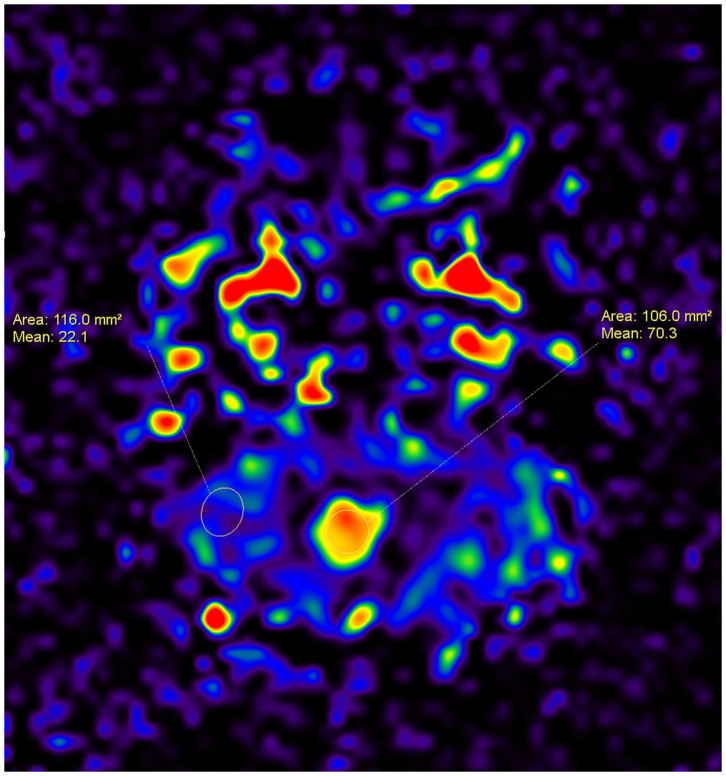
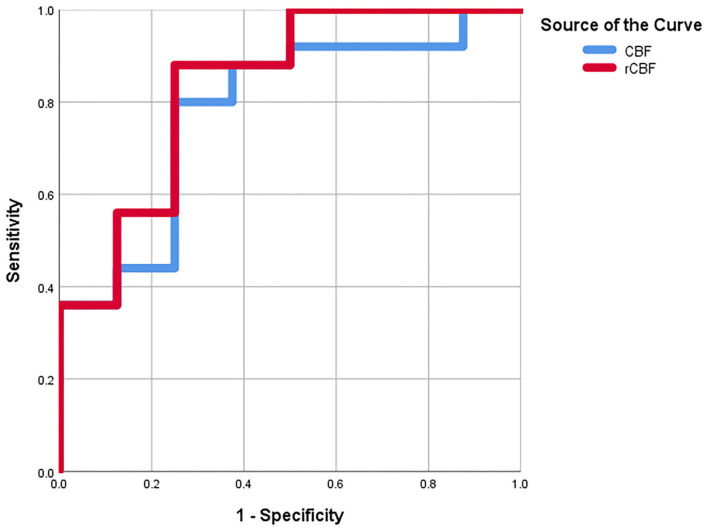
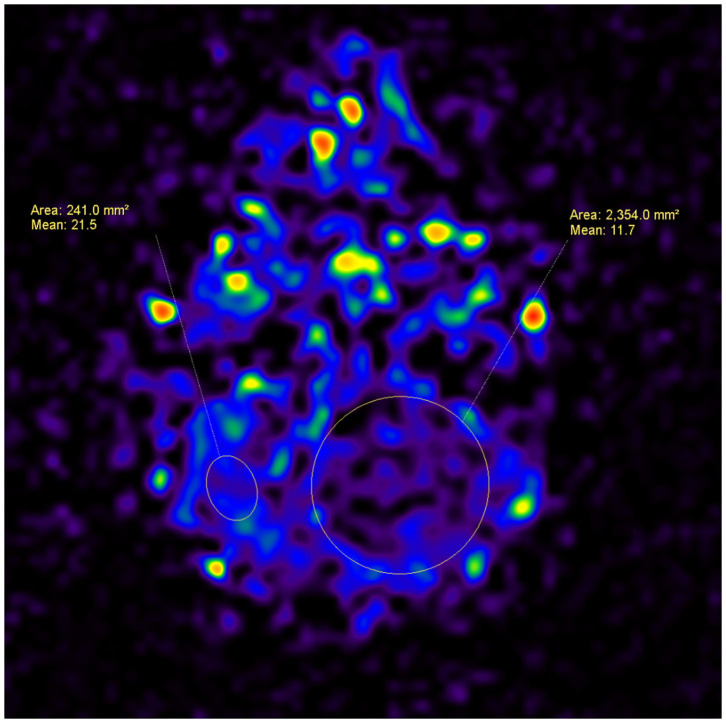
Arterial Spin Labeling (ASL), a perfusion assessment without using gadolinium-based contrast agents, is outstandingly advantageous for pediatric patients. The differentiation of medulloblastomas from pilocytic astrocytomas in children plays a significant role in determining treatment strategies and prognosis. This study aimed to assess the use of ASL parameters during the differentiation between pediatric medulloblastoma and pilocytic astrocytoma. The institutional review board of Children's Hospital 2 approved this prospective study. The brain magnetic resonance imaging (MRI) protocol, including axial three-dimensional (3D) pseudo-continuous ASL, was evaluated in 33 patients, who were divided into a medulloblastoma group ( = 25) and a pilocytic astrocytoma group ( = 8). The quantified region of interest (ROI) values for the tumors and the tumor to parenchyma ratios were collected and compared between the two groups. Receiver operating characteristic (ROC) curve analysis and the Youden index were utilized to identify the best cut-off, sensitivity, specificity, and area under the curve (AUC) values for significant ASL parameters. The cerebral blood flow (CBF) and the ratio between the CBF of the tumor relative to that of the parenchyma (rCBF) values for medulloblastomas were significantly higher than those for pilocytic astrocytomas ( < 0.05). A cut-off value of 0.51 for rCBF was able to discriminate between medulloblastoma and pilocytic astrocytoma, generating a sensitivity of 88%, a specificity of 75%, and an AUC of 83.5%. The rCBF measurement, obtained during MRI with 3D pseudo-continuous ASL, plays a supplemental role in the differentiation of medulloblastoma from pilocytic astrocytoma.
动脉自旋标记(ASL)是一种无需使用钆基造影剂的灌注评估方法,对儿科患者具有显著优势。儿童髓母细胞瘤与毛细胞型星形细胞瘤的鉴别对于确定治疗策略和预后起着重要作用。本研究旨在评估ASL参数在儿科髓母细胞瘤与毛细胞型星形细胞瘤鉴别中的应用。儿童医院2的机构审查委员会批准了这项前瞻性研究。对33例患者进行了脑磁共振成像(MRI)检查,包括轴向三维(3D)伪连续ASL,这些患者被分为髓母细胞瘤组(n = 25)和毛细胞型星形细胞瘤组(n = 8)。收集两组肿瘤的定量感兴趣区(ROI)值以及肿瘤与实质的比值并进行比较。采用受试者操作特征(ROC)曲线分析和尤登指数来确定重要ASL参数的最佳截断值、敏感性、特异性和曲线下面积(AUC)值。髓母细胞瘤的脑血流量(CBF)以及肿瘤CBF与实质CBF的比值(rCBF)值显著高于毛细胞型星形细胞瘤(P < 0.05)。rCBF的截断值为0.51时能够区分髓母细胞瘤和毛细胞型星形细胞瘤,敏感性为88%,特异性为75%,AUC为83.5%。在3D伪连续ASL的MRI检查中获得的rCBF测量值在髓母细胞瘤与毛细胞型星形细胞瘤的鉴别中起辅助作用。