Mishra Sanatan, Chattopadhyay Aindrila, Naaz Shamreen, Banerjee Adrita, Ghosh Arnab Kumar, Pal Palash Kumar, Bhattacharya Tuhin, Das Ankur, Chattopadhyay Sreya, Bandyopadhyay Debasish
Oxidative Stress and Free Radical Biology Laboratory, Department of Physiology, University of Calcutta, 92, A.P.C. Road, Kolkata, 700009, India.
Department of Physiology, Vidyasagar College, 39, Sankar Ghosh Lane, Kolkata, 700006, India.
Heliyon. 2021 Mar 17;7(3):e06476. doi: 10.1016/j.heliyon.2021.e06476. eCollection 2021 Mar.
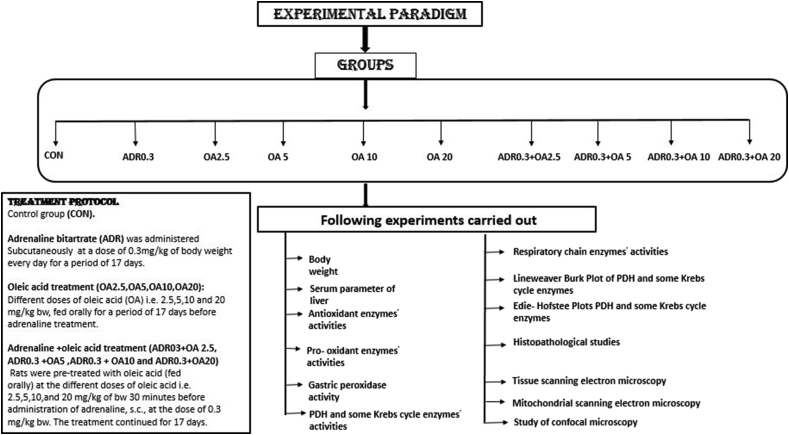
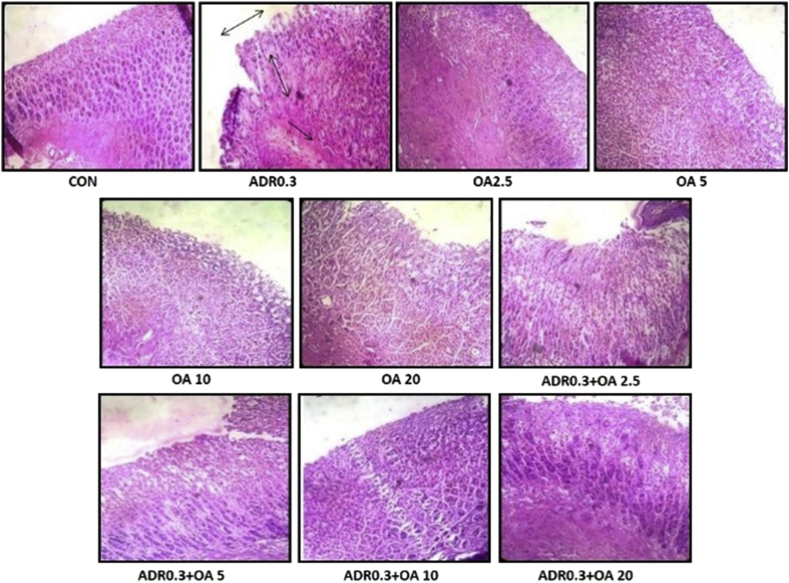
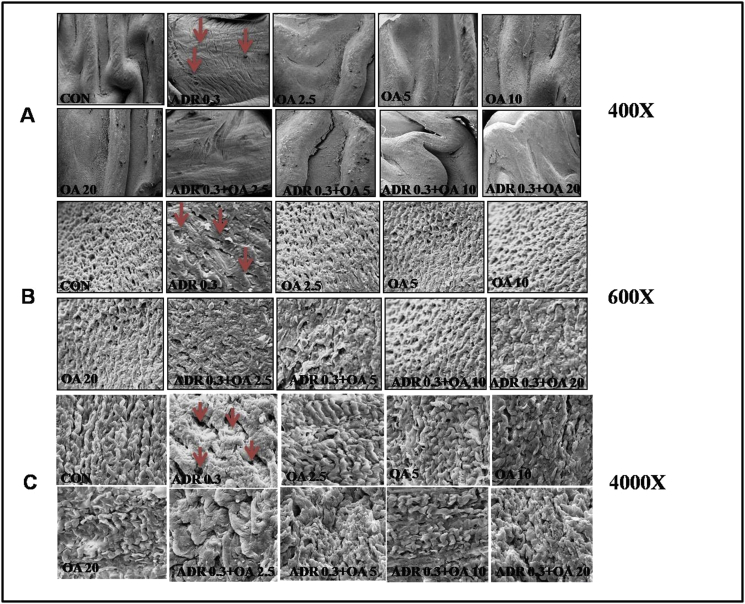
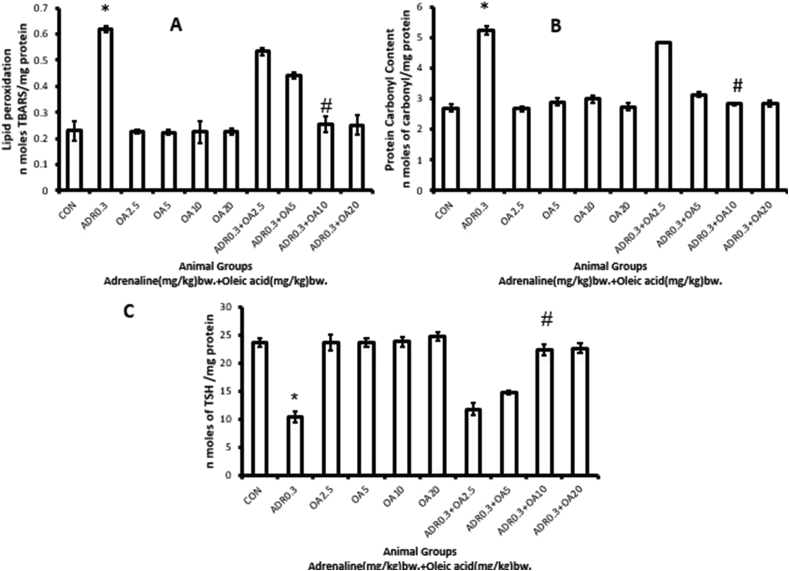
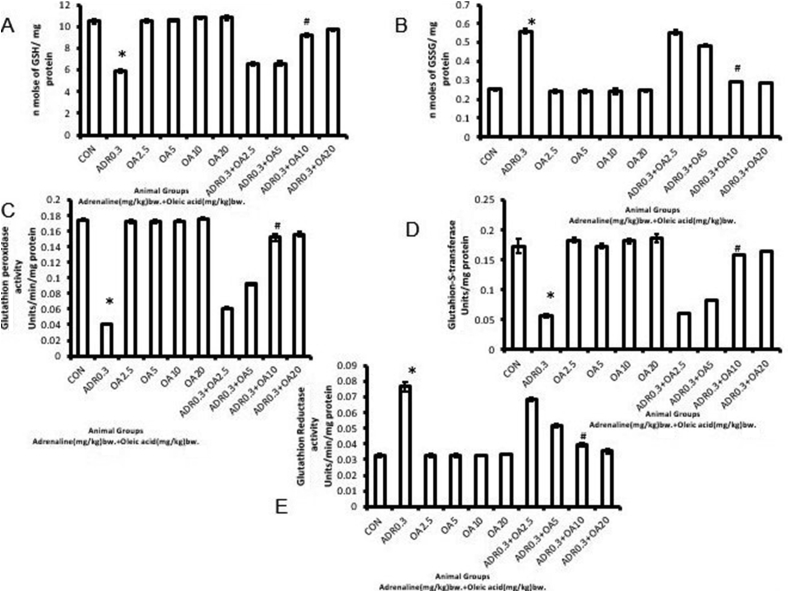
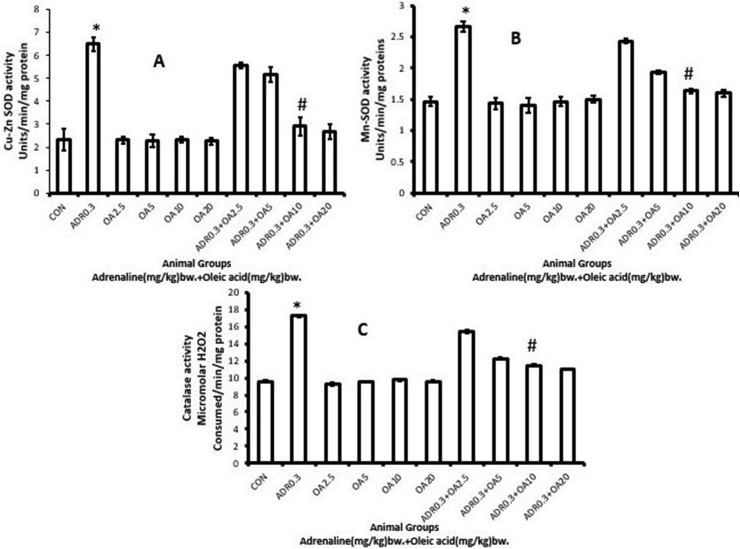
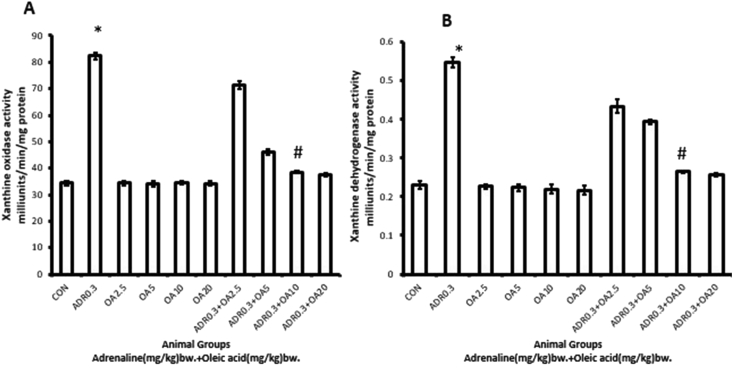
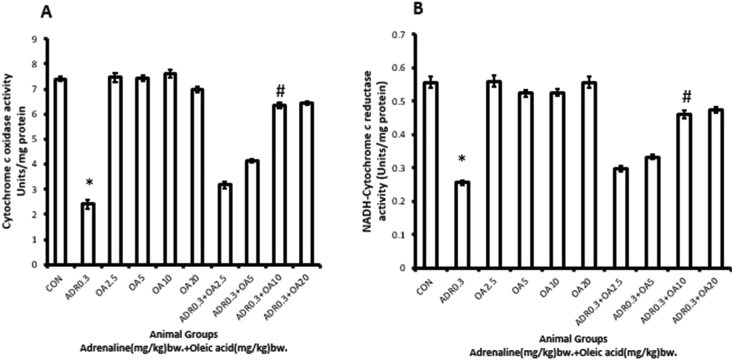
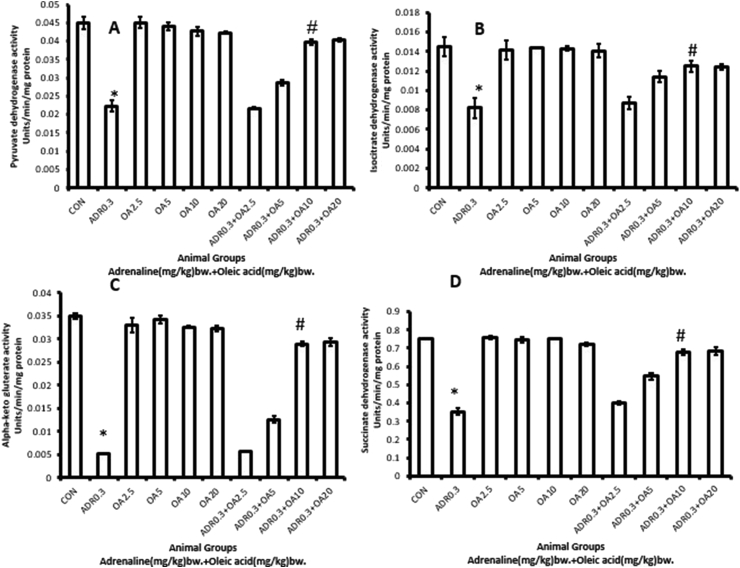
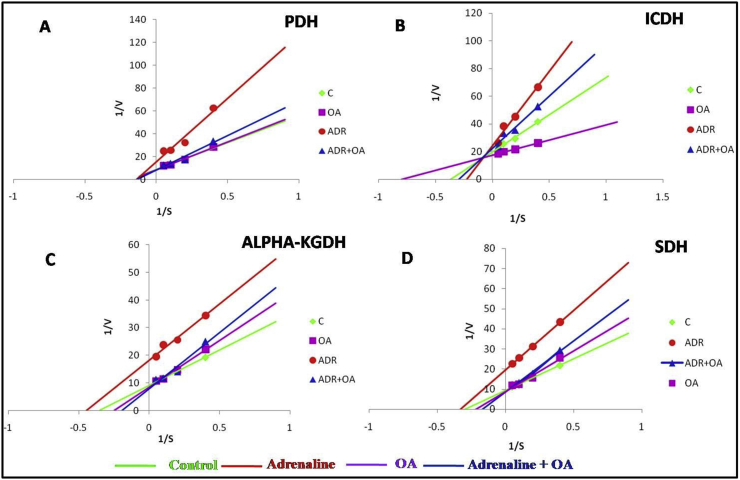
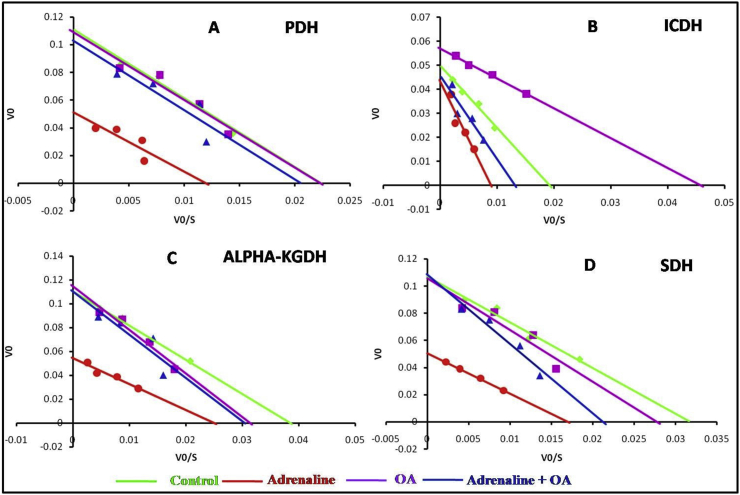
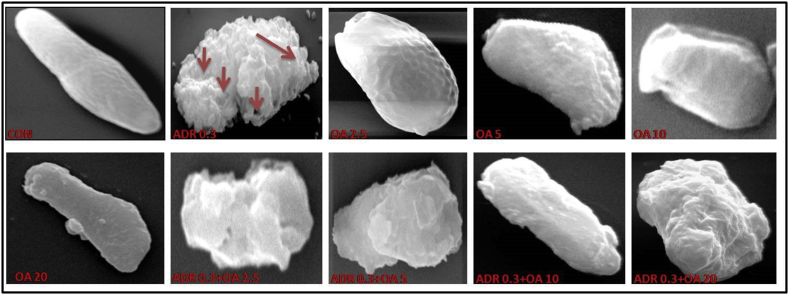
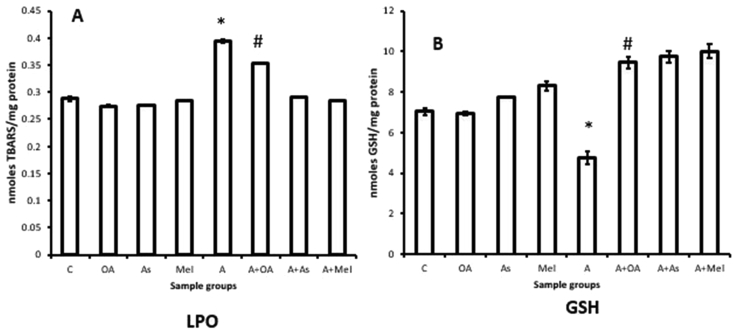
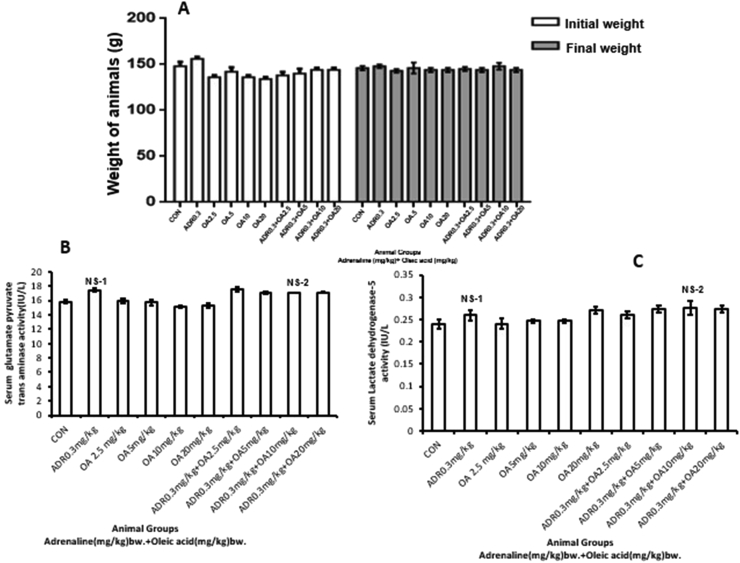
The role of oleic acid as a protective antioxidant has recently been recognized. The present study is aimed to explore whether oleic acid can afford protection to rat gastric tissue when challenged with adrenaline. Sixty adult healthy male albino rats were divided into 10 groups comprising of 6 animals each. First group constituted the control. Rats of the second group were injected sub-cutaneously with adrenaline bitartrate at the dose of 0.3mg/kg body weight, every day for a period of 17 days. Rats of the third, to the sixth groups were orally fed with different doses of oleic acid (2.5, 5, 10, 20 mg/kg body weight/day) respectively. The rats of seventh to tenth groups were orally fed with doses of oleic acid as mentioned above and subsequently injected with adrenaline bitartrate at 0.3mg/kg body weight sub-cutaneously. After the treatment period, the animals were euthanized through cervical dislocation following light ether anaesthesia and gastric tissues were collected for morphological and biochemical studies. Subcutaneously administered pharmacological dose of adrenaline bitartrate caused oxidative stress inducing gastric lesion in male albino rats as evident from the altered levels of biomarkers of oxidative stress, activities of antioxidant and mitochondrial enzymes related to energy metabolism with changes in tissue morphology. Pre-treatment of rats with oleic acid dose-dependently protected against these gastric injuries induced by adrenaline indicating the potentiality of oleic acid in protecting against adrenaline induced gastric injury in male albino rats where antioxidant mechanisms appear to play a pivotal role in mediating such protection.
油酸作为一种保护性抗氧化剂的作用最近已得到认可。本研究旨在探讨当用肾上腺素刺激时,油酸是否能对大鼠胃组织提供保护。将60只成年健康雄性白化病大鼠分为10组,每组6只动物。第一组为对照组。第二组大鼠每天皮下注射剂量为0.3mg/kg体重的酒石酸肾上腺素,持续17天。第三组至第六组大鼠分别口服不同剂量的油酸(2.5、5、10、20mg/kg体重/天)。第七组至第十组大鼠口服上述剂量的油酸,随后皮下注射0.3mg/kg体重的酒石酸肾上腺素。治疗期结束后,在轻度乙醚麻醉下通过颈椎脱臼法对动物实施安乐死,并收集胃组织进行形态学和生化研究。皮下注射药理剂量的酒石酸肾上腺素会引起氧化应激,导致雄性白化病大鼠出现胃损伤,氧化应激生物标志物水平、抗氧化剂和与能量代谢相关的线粒体酶活性的改变以及组织形态变化均证明了这一点。用油酸对大鼠进行预处理可剂量依赖性地预防肾上腺素引起的这些胃损伤,这表明油酸在保护雄性白化病大鼠免受肾上腺素诱导的胃损伤方面具有潜力,其中抗氧化机制似乎在介导这种保护中起关键作用。