Wang Yishan, Zhang Xiaodi, Li Jiawei, Zhang Ying, Guo Yingjie, Chang Qing, Chen Li, Wang Yiwei, Wang Siyao, Song Yu, Zhao Yongkun, Wang Zhihong
Key Laboratory of Utilization and Conservation for Tropical Marine Bioresources, Ministry of Education, Key Laboratory for Protection and Utilization of Tropical Marine Fishery Resources, College of Fishery and Life Science, Hainan Tropical Ocean University, Sanya, China.
College of Animal Science, Jilin University, Changchun, China.
Front Pharmacol. 2021 Mar 11;12:609992. doi: 10.3389/fphar.2021.609992. eCollection 2021.
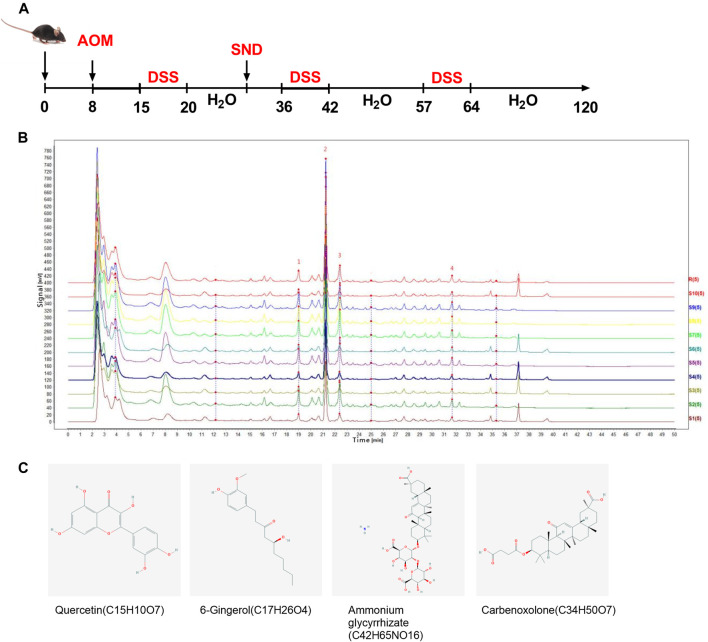
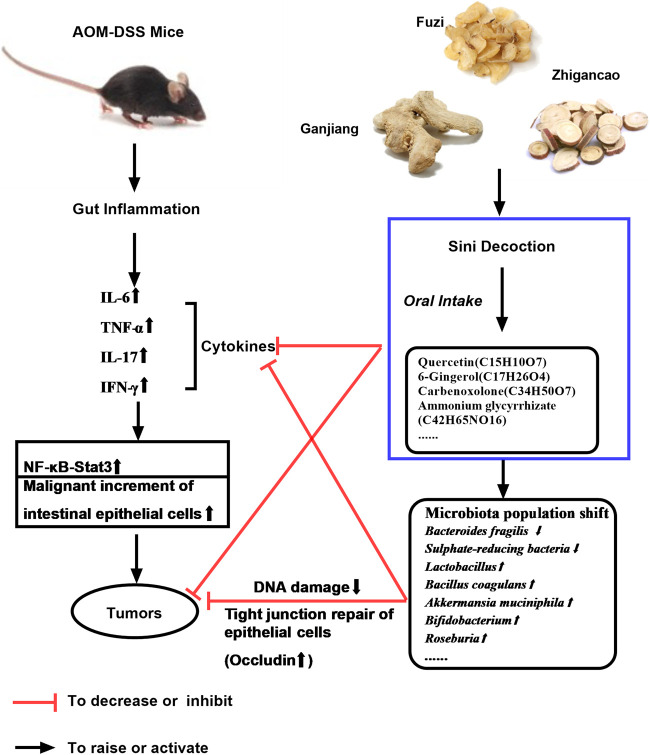
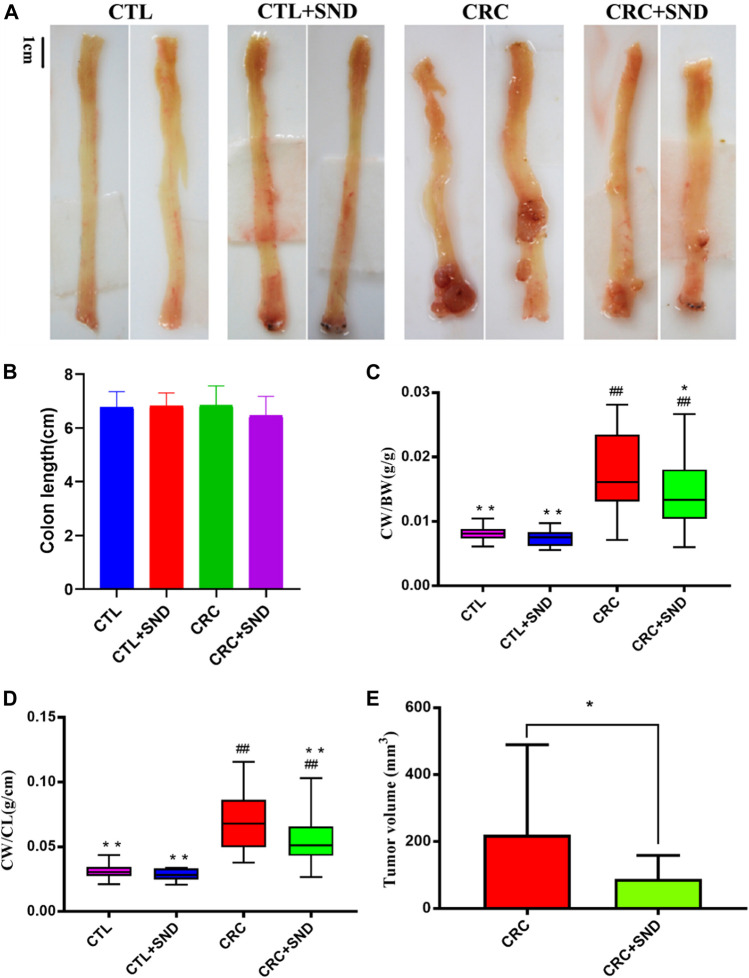
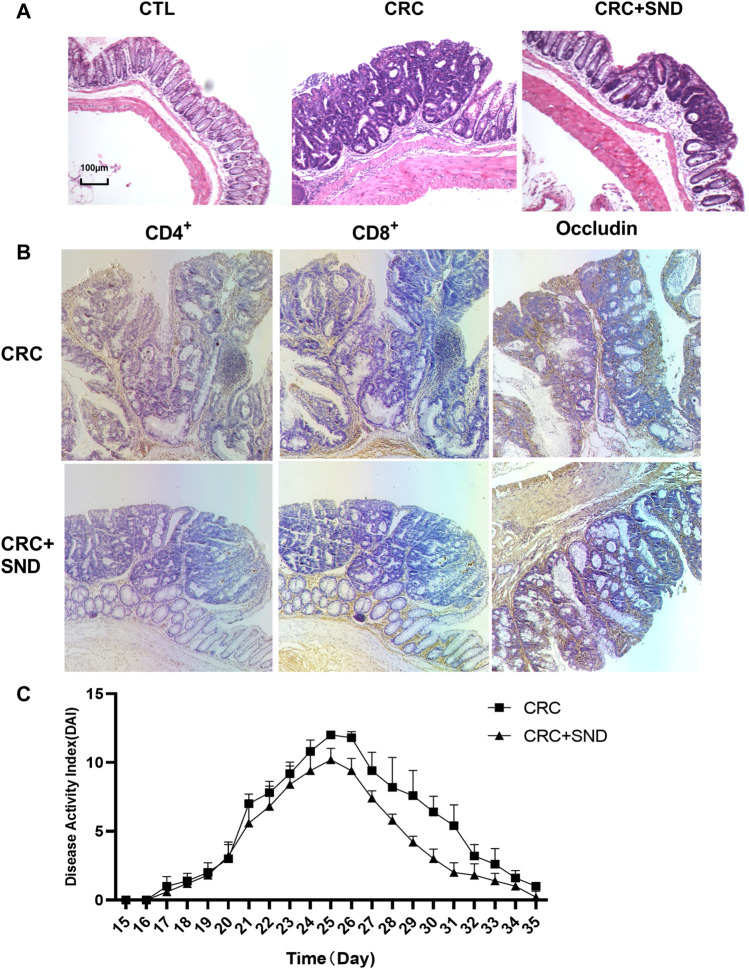
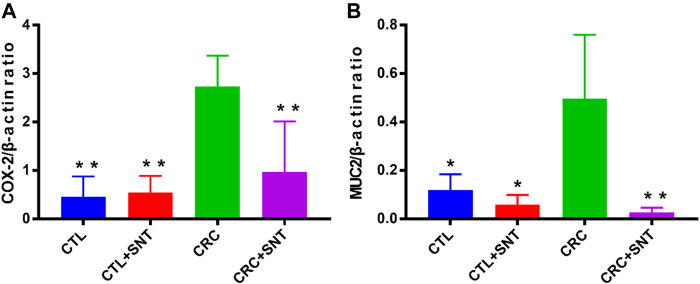
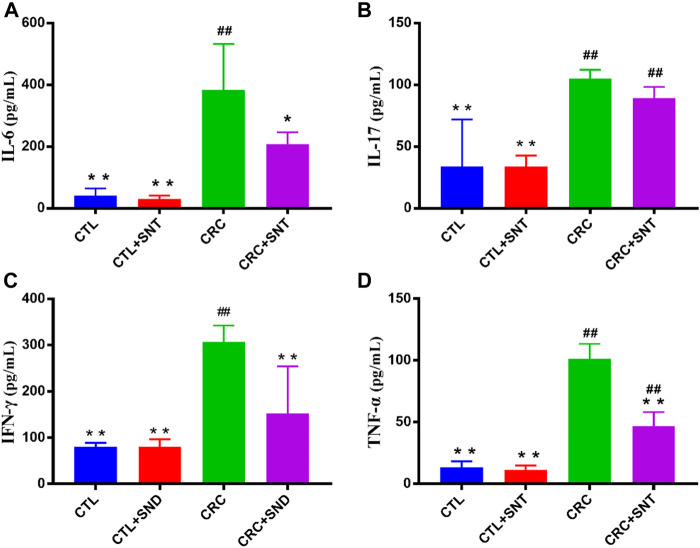
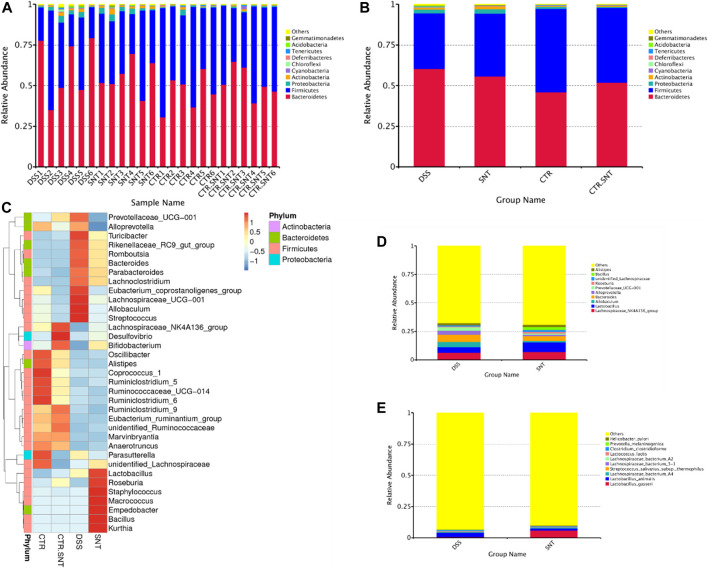
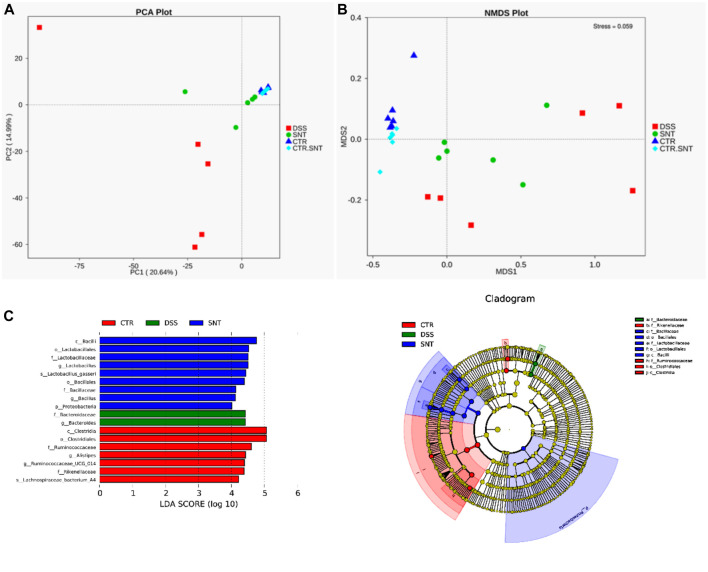
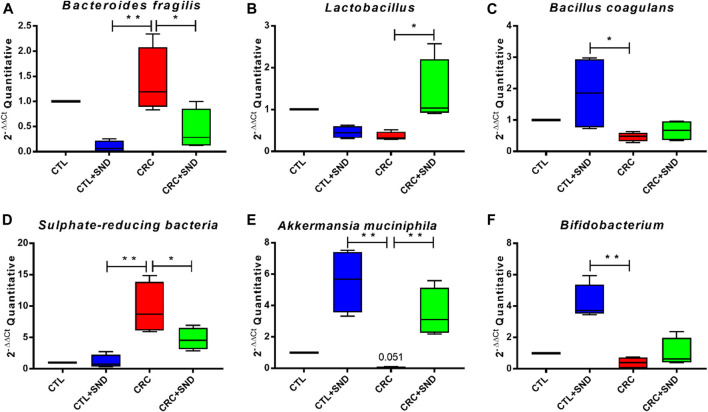
Sini Decoction (SND), as a classic prescription of Traditional Chinese Medicine (TCM), has been proved to be clinically useful in cardiomyopathy and inflammatory bowel diseases. However, the role and mechanism of SND in colitis-associated cancer remains unclear. This study aims to evaluate the effect of SND on colorectal cancer(CRC) symptoms and further explore the changes of gut microbes mediated by SND extract in azoxymethane (AOM)/dextran sulfate sodium (DSS)-induced CRC mice through 16 S rRNA sequencing. Our results indicated that treatment with SND extract could ameliorate the tumors' malignant degree by decreasing tumor number and size. Also, the expression levels of Cyclooxygenase 2 and Mucin-2, which are typical CRC biomarkers, were reduced compared to the CRC group. In the meantime, SND extract can upregulate CD8 T lymphocytes' expression and Occludin in the colonic mucosal layer. Besides, SND inhibited the expression of CD4 T cells and inflammatory cytokines in CRC tissue. According to bioinformatics analysis, SND extract was also suggested could modulate the gut microbial community. After the SND treatment, compared with the CRC mice model, the number of pathogenic bacteria showed a significant reduction, including and ; and SND increased the relative contents of the beneficial bacteria, including , and . In summary, SND can effectively intervene in colorectal cancer development by regulating intestinal immunity, protecting the colonic mucosal barrier, and SND can change the intestinal microbiota composition in mice.
四逆汤(SND)作为中医经典方剂,已被证明在心肌病和炎症性肠病的临床治疗中具有一定作用。然而,SND在结肠炎相关癌症中的作用和机制仍不清楚。本研究旨在通过16S rRNA测序评估SND对结直肠癌(CRC)症状的影响,并进一步探讨SND提取物在氧化偶氮甲烷(AOM)/葡聚糖硫酸钠(DSS)诱导的CRC小鼠中介导的肠道微生物变化。我们的结果表明,SND提取物治疗可通过减少肿瘤数量和大小来改善肿瘤的恶性程度。此外,与CRC组相比,典型的CRC生物标志物环氧化酶2和粘蛋白-2的表达水平降低。同时,SND提取物可上调结肠黏膜层中CD8 T淋巴细胞的表达和闭合蛋白。此外,SND抑制CRC组织中CD4 T细胞和炎性细胞因子的表达。根据生物信息学分析,还表明SND提取物可调节肠道微生物群落。SND治疗后,与CRC小鼠模型相比,病原菌数量显著减少,包括 和 ;SND增加了有益菌的相对含量,包括 、 和 。综上所述,SND可通过调节肠道免疫、保护结肠黏膜屏障有效干预结直肠癌的发展,且SND可改变小鼠肠道微生物群组成。