Liu Xiaoling, Cao Yinghao, Fu Hongmei, Wei Jie, Chen Jianhong, Hu Jun, Liu Bende
Department of endocrinology, Liyuan Hospital, Tongji Medical College, Huazhong University of Since and Technology, Wuhan, Hubei 430022, China.
Department of Gastrointestinal Surgery, Union Hospital, Tongji Medical College, Huazhong University of Science and Technology, Wuhan 430022, China.
ACS Omega. 2021 Mar 9;6(11):7951-7958. doi: 10.1021/acsomega.1c00616. eCollection 2021 Mar 23.
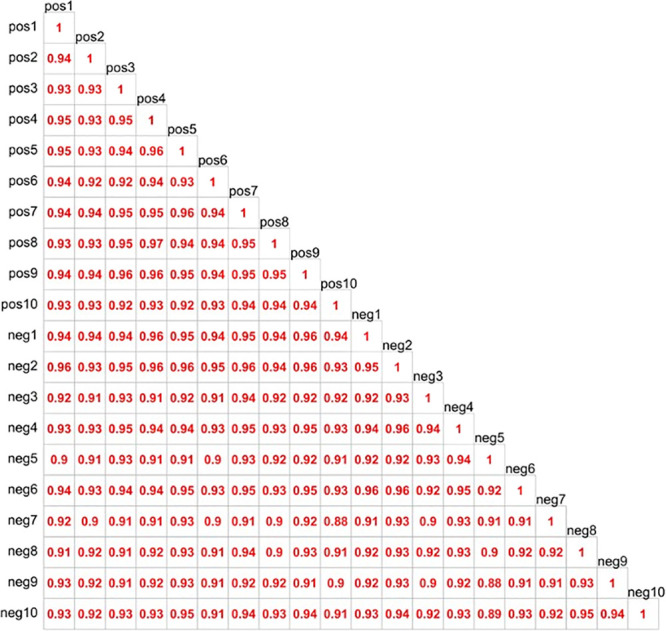
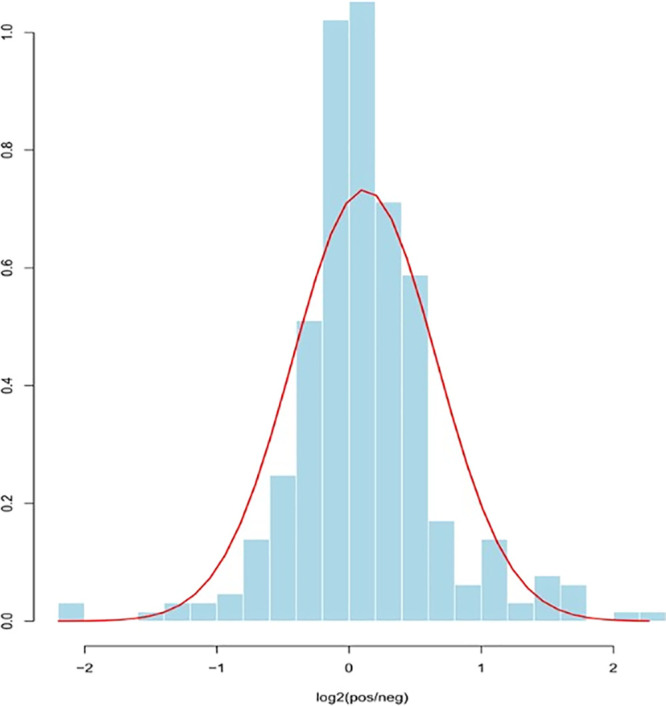
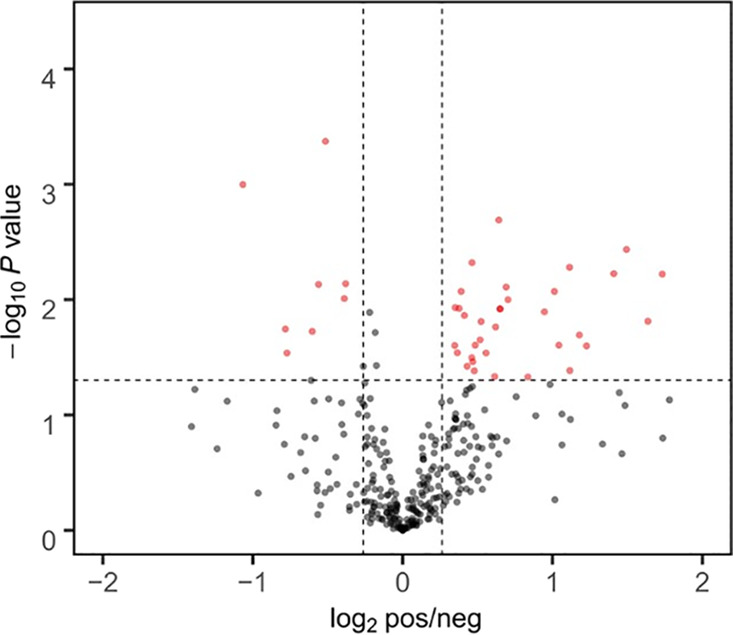
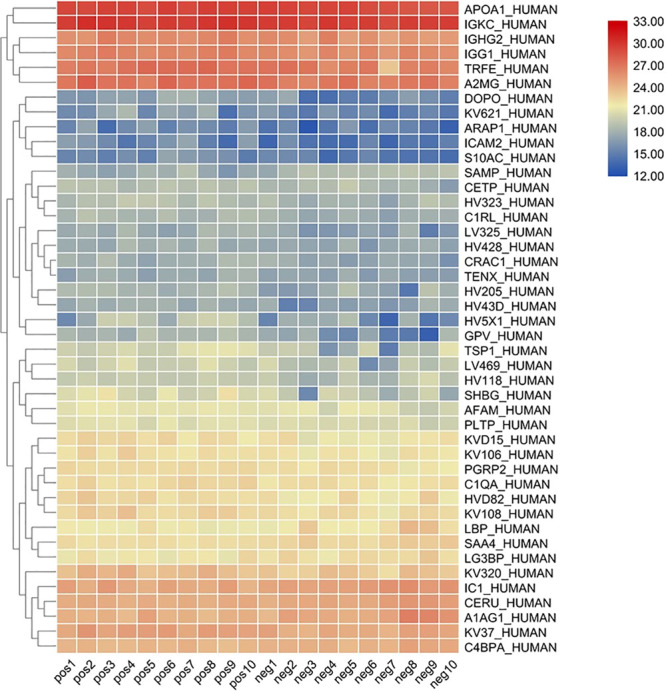
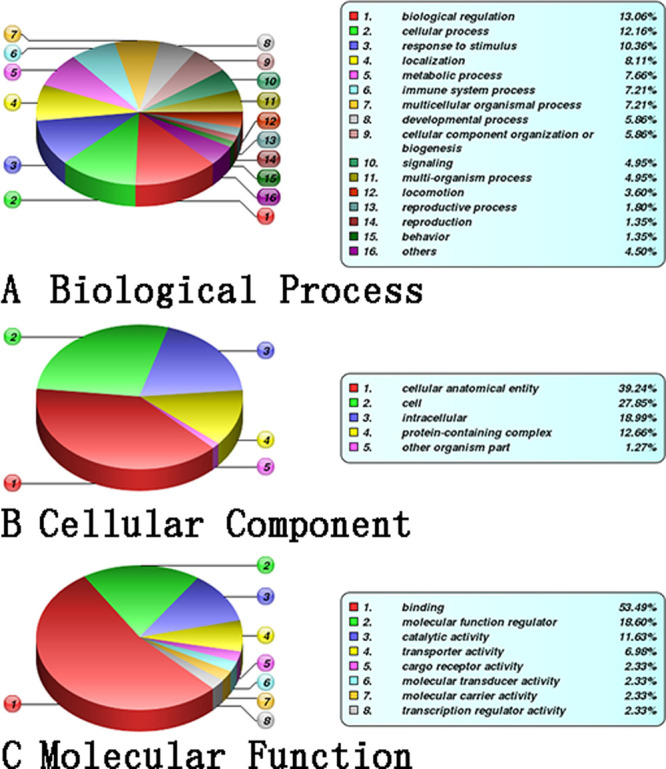
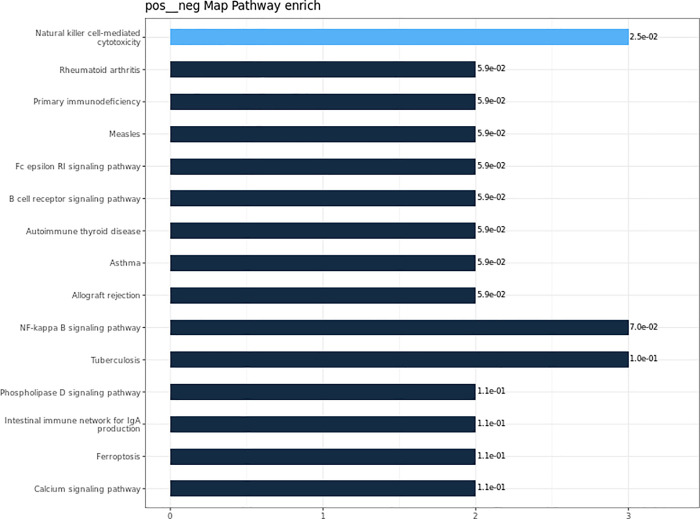
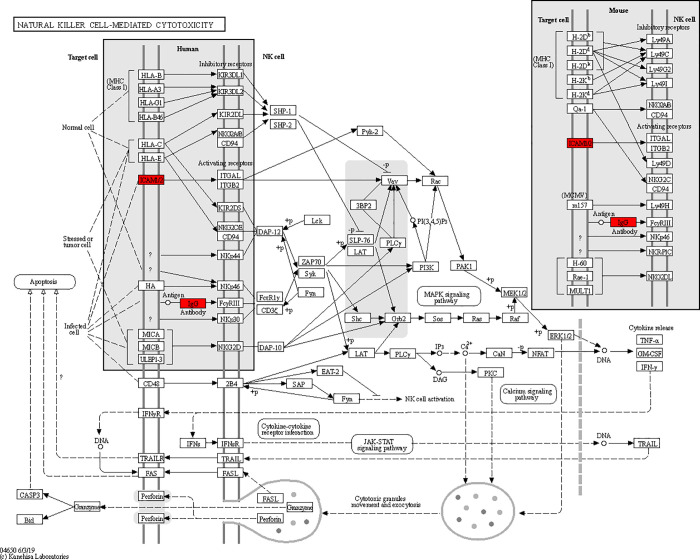
Coronavirus disease 2019 (COVID-19) is a worldwide pandemic. To understand the changes in plasma proteomics upon SARS-CoV-2 infection, we analyzed the protein profiles of plasma samples from 10 COVID-19 patients and 10 healthy volunteers by using the DIA quantitative proteomics technology. We compared and identified differential proteins whose abundance changed upon SARS-CoV-2 infection. Bioinformatic analyses were then conducted for these identified differential proteins. The GO/KEEG database was used for functional annotation and enrichment analysis. The interaction relationship of differential proteins was evaluated with the STRING database, and Cytoscape software was used to conduct network analysis of the obtained data. A total of 323 proteins were detected in all samples. Difference between patients and healthy donors was found in 44 plasma proteins, among which 36 proteins were up-regulated and 8 proteins were down-regulated. GO functional annotation showed that these proteins mostly composed of cellular anatomical entities and proteins involved in biological regulation, cellular processes, transport, and other processes. KEEG functional annotation further showed that these proteins were mainly involved in complement system activation and infectious disease processes. Importantly, a KEEG pathway (natural killer cell-mediated cytotoxicity) was enriched, with three important activators of this pathway, ICAM1/2 and IgG, being up-regulated. Protein-protein interaction (PPI) statistics indicated that, among these 44 proteins, 6 were the most significantly up-regulated (DBH, SHGB, TF, ICAM2, THBS1, and C1RL) while 2 were the most significantly down-regulated (APCS and ORM1). Results from this study showed that a few proteins associated with immune activation were up-regulated in patient plasma. In addition, this study established a method for extraction and quantitative determination of plasma components in convalescent plasma from COVID-19 patients.
2019冠状病毒病(COVID-19)是一场全球大流行疾病。为了解严重急性呼吸综合征冠状病毒2(SARS-CoV-2)感染后血浆蛋白质组学的变化,我们采用数据独立采集(DIA)定量蛋白质组学技术分析了10例COVID-19患者和10名健康志愿者的血浆样本蛋白质谱。我们比较并鉴定了SARS-CoV-2感染后丰度发生变化的差异蛋白。然后对这些鉴定出的差异蛋白进行生物信息学分析。基因本体论(GO)/京都基因与基因组百科全书(KEGG)数据库用于功能注释和富集分析。利用STRING数据库评估差异蛋白的相互作用关系,并使用Cytoscape软件对所得数据进行网络分析。所有样本共检测到323种蛋白质。在44种血浆蛋白中发现患者与健康供体之间存在差异,其中36种蛋白上调,8种蛋白下调。GO功能注释表明,这些蛋白大多由细胞解剖实体以及参与生物调节、细胞过程、转运和其他过程的蛋白质组成。KEGG功能注释进一步表明,这些蛋白主要参与补体系统激活和传染病过程。重要的是,一条KEGG通路(自然杀伤细胞介导的细胞毒性)被富集,该通路的三个重要激活因子细胞间黏附分子1/2(ICAM1/2)和免疫球蛋白G(IgG)上调。蛋白质-蛋白质相互作用(PPI)统计表明,在这44种蛋白中,有6种上调最为显著(多巴胺β-羟化酶(DBH)、性激素结合球蛋白(SHGB)、转铁蛋白(TF)、ICAM2、血小板反应蛋白1(THBS1)和补体1r亚基(C1RL)),而有2种下调最为显著(补体因子S(APCS)和ORM蛋白1(ORM1))。本研究结果表明,患者血浆中一些与免疫激活相关的蛋白上调。此外,本研究建立了一种从COVID-19患者康复期血浆中提取和定量测定血浆成分的方法。