UCLA Molecular Biology Institute, University of California Los Angeles, Los Angeles, California, United States of America.
UCLA-DOE Institute for Genomics and Proteomics, University of California Los Angeles, Los Angeles, California, United States of America.
PLoS One. 2021 Mar 29;16(3):e0248269. doi: 10.1371/journal.pone.0248269. eCollection 2021.
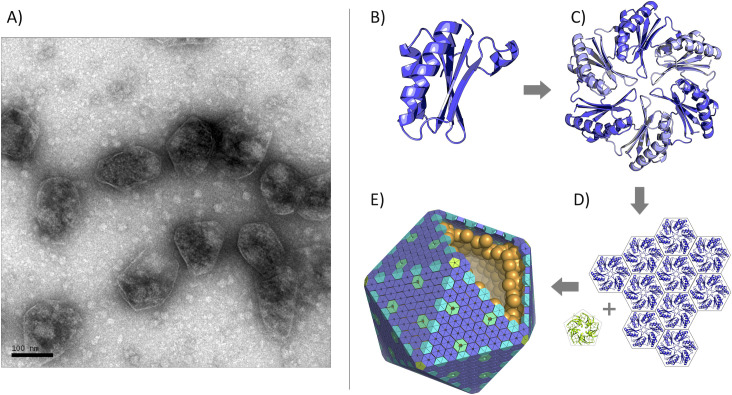
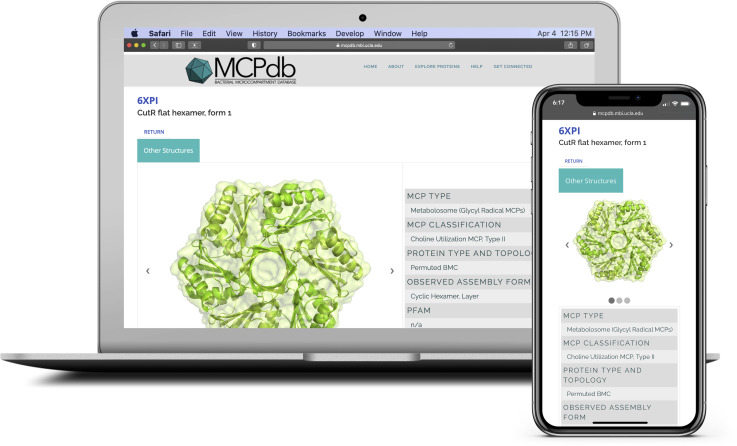
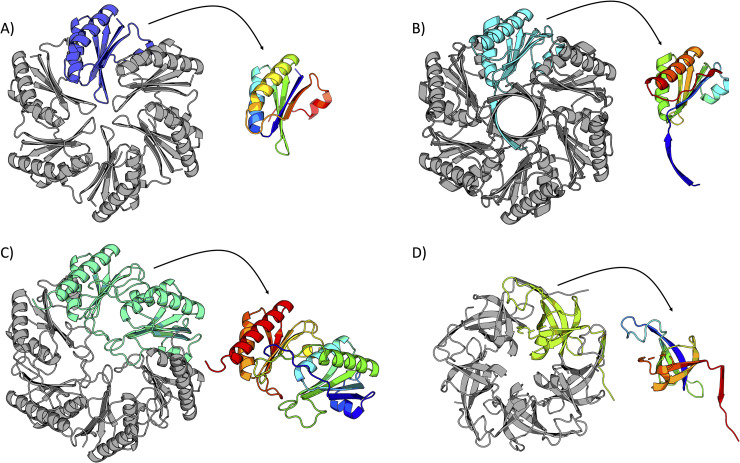
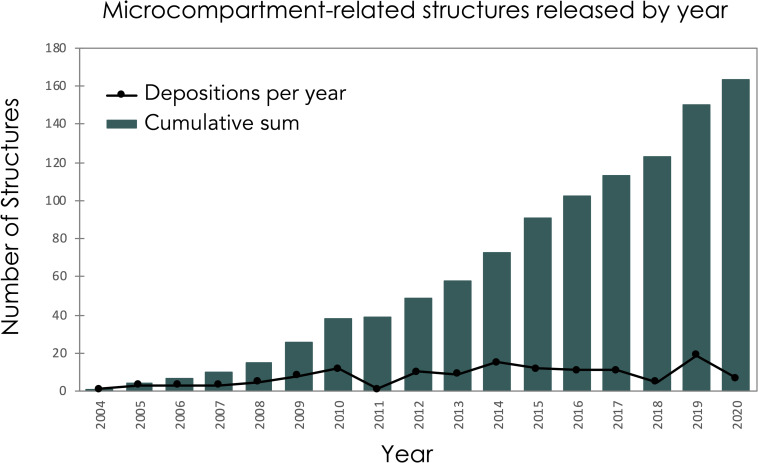
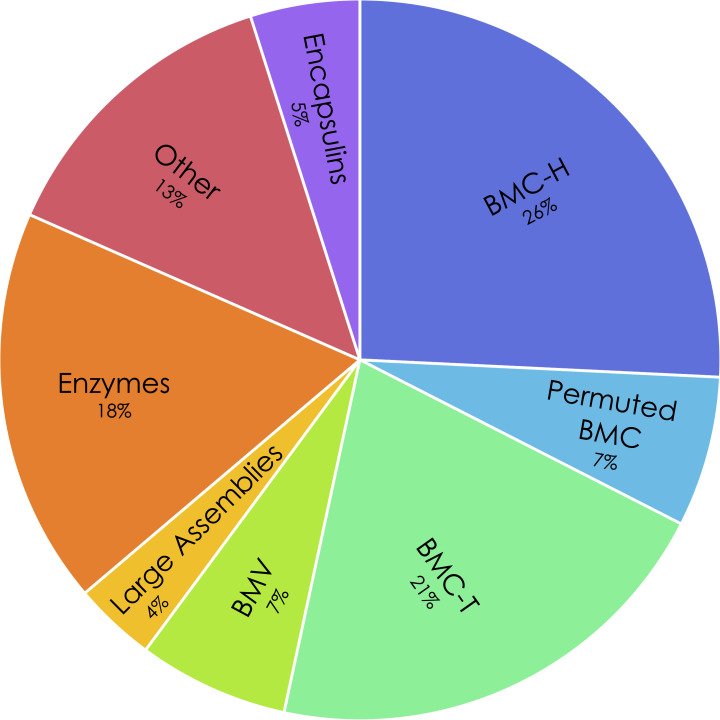
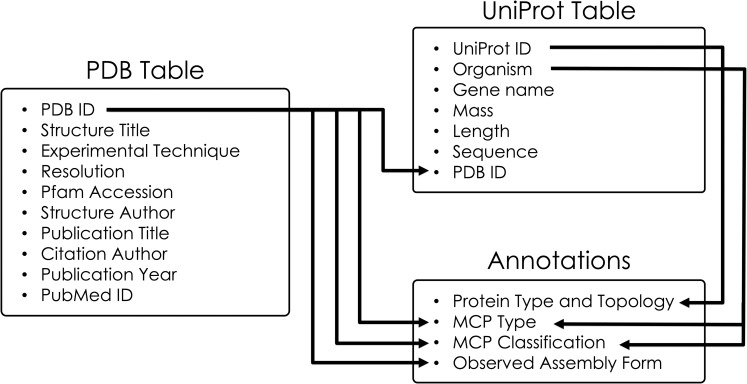
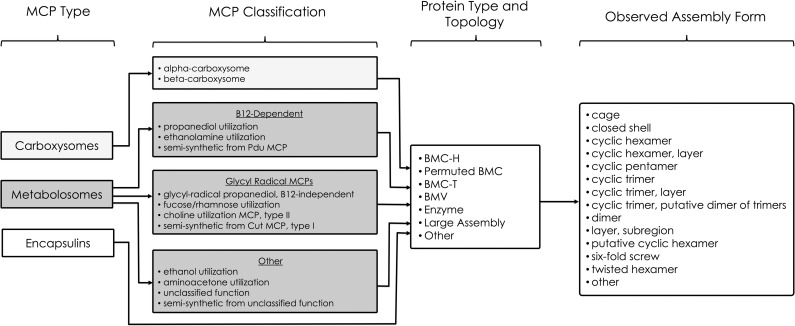
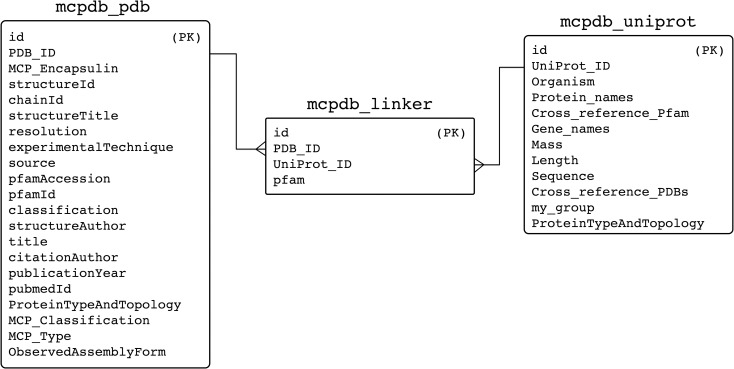
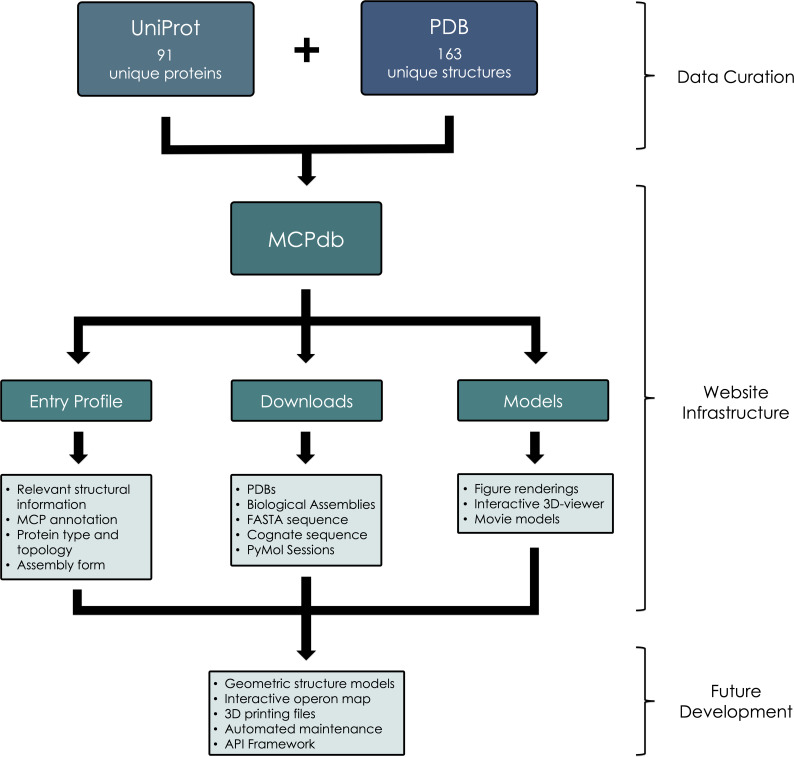
Bacterial microcompartments are organelle-like structures composed entirely of proteins. They have evolved to carry out several distinct and specialized metabolic functions in a wide variety of bacteria. Their outer shell is constructed from thousands of tessellating protein subunits, encapsulating enzymes that carry out the internal metabolic reactions. The shell proteins are varied, with single, tandem and permuted versions of the PF00936 protein family domain comprising the primary structural component of their polyhedral architecture, which is reminiscent of a viral capsid. While considerable amounts of structural and biophysical data have been generated in the last 15 years, the existing functionalities of current resources have limited our ability to rapidly understand the functional and structural properties of microcompartments (MCPs) and their diversity. In order to make the remarkable structural features of bacterial microcompartments accessible to a broad community of scientists and non-specialists, we developed MCPdb: The Bacterial Microcompartment Database (https://mcpdb.mbi.ucla.edu/). MCPdb is a comprehensive resource that categorizes and organizes known microcompartment protein structures and their larger assemblies. To emphasize the critical roles symmetric assembly and architecture play in microcompartment function, each structure in the MCPdb is validated and annotated with respect to: (1) its predicted natural assembly state (2) tertiary structure and topology and (3) the metabolic compartment type from which it derives. The current database includes 163 structures and is available to the public with the anticipation that it will serve as a growing resource for scientists interested in understanding protein-based metabolic organelles in bacteria.
细菌微室是由蛋白质完全组成的细胞器样结构。它们已经进化到可以在各种各样的细菌中执行几种不同的、专门的代谢功能。它们的外壳由数千个镶嵌的蛋白质亚基构成,封装着进行内部代谢反应的酶。壳蛋白多种多样,具有单一、串联和置换形式的 PF00936 蛋白家族结构域构成了它们多面体结构的主要结构成分,这让人联想到病毒衣壳。尽管在过去的 15 年中已经产生了大量的结构和生物物理数据,但现有资源的现有功能限制了我们快速理解微室(MCPs)及其多样性的功能和结构特性的能力。为了使细菌微室的显著结构特征能够为广大科学家和非专业人士所接受,我们开发了 MCPdb:细菌微室数据库(https://mcpdb.mbi.ucla.edu/)。MCPdb 是一个全面的资源,它对已知的微室蛋白结构及其更大的组装进行分类和组织。为了强调对称组装和结构在微室功能中的关键作用,MCPdb 中的每个结构都根据以下方面进行验证和注释:(1)其预测的自然组装状态;(2)三级结构和拓扑结构;(3)它源自的代谢隔室类型。当前数据库包含 163 个结构,并向公众开放,预计它将成为对理解细菌中基于蛋白质的代谢细胞器感兴趣的科学家的一个不断增长的资源。