Department of Pharmacology, College of Medicine, The University of Arizona, Tucson, Arizona 85724, United States.
The Center for Innovation in Brain Sciences, The University of Arizona Health Sciences, Tucson, Arizona 85704, United States.
ACS Chem Neurosci. 2021 Apr 21;12(8):1299-1312. doi: 10.1021/acschemneuro.0c00619. Epub 2021 Mar 31.
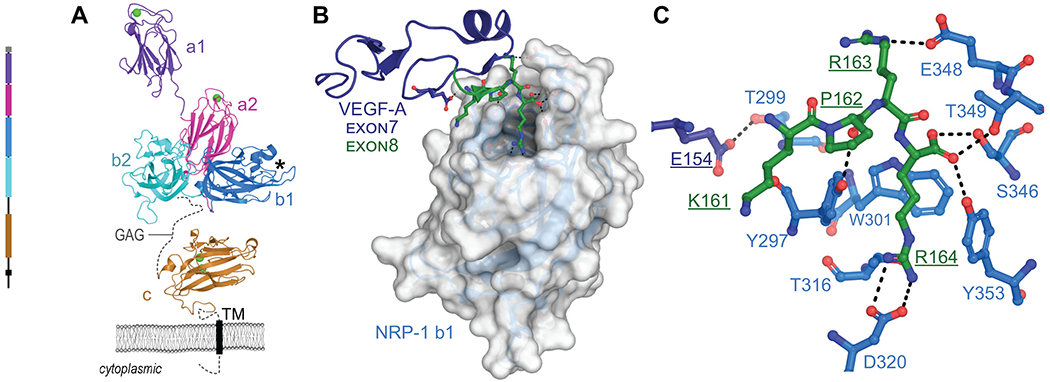
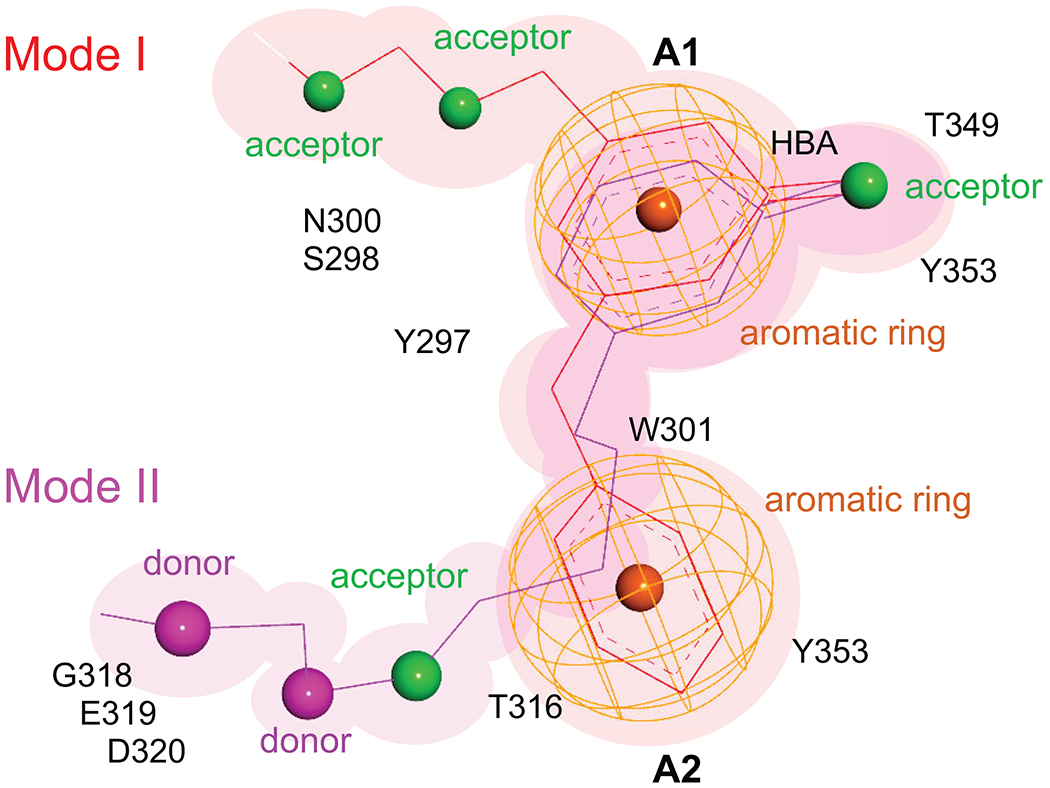
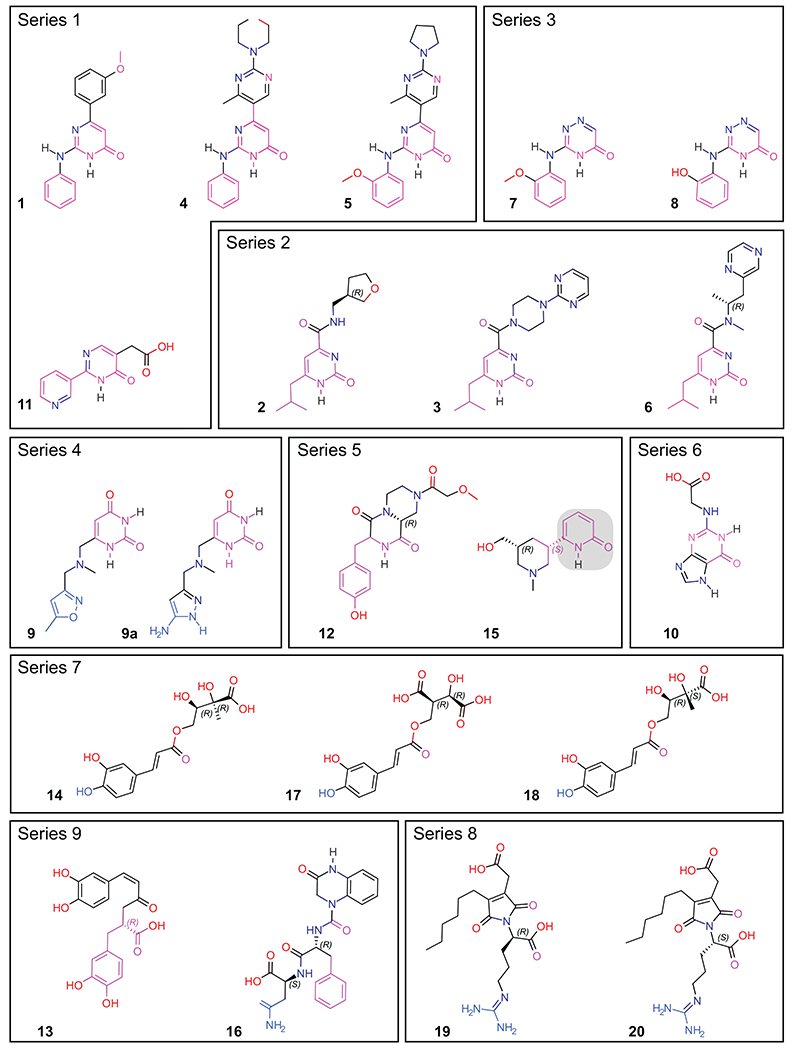
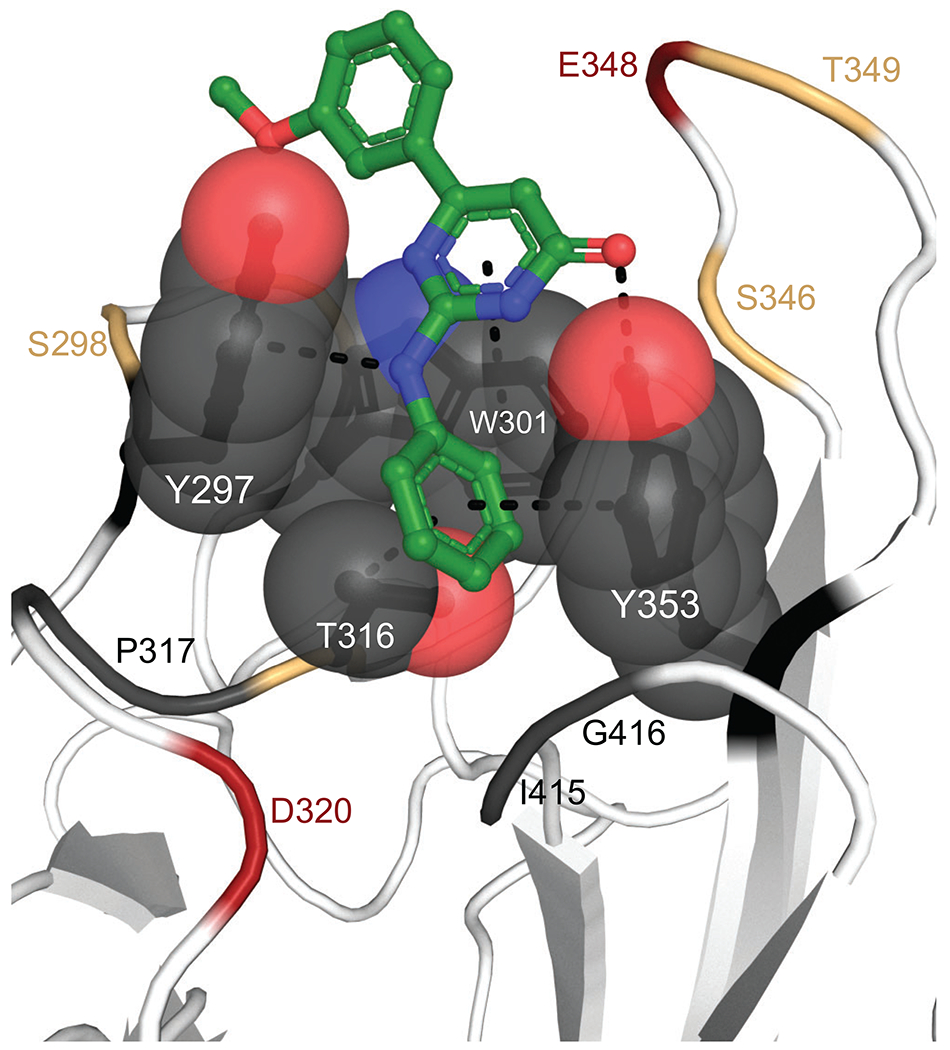
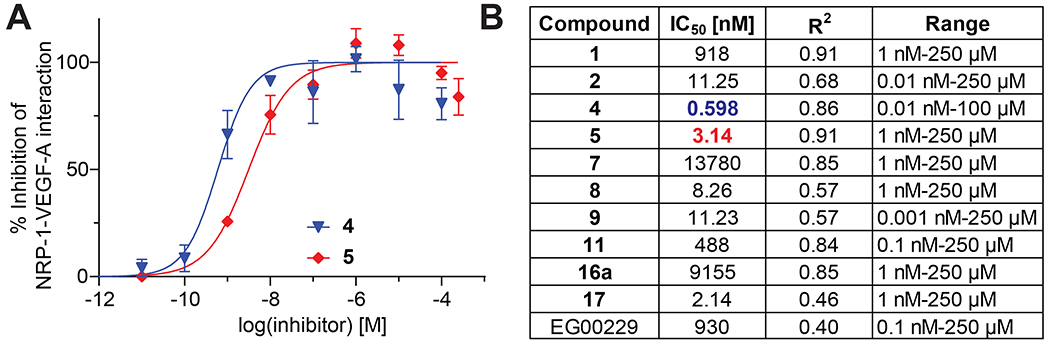
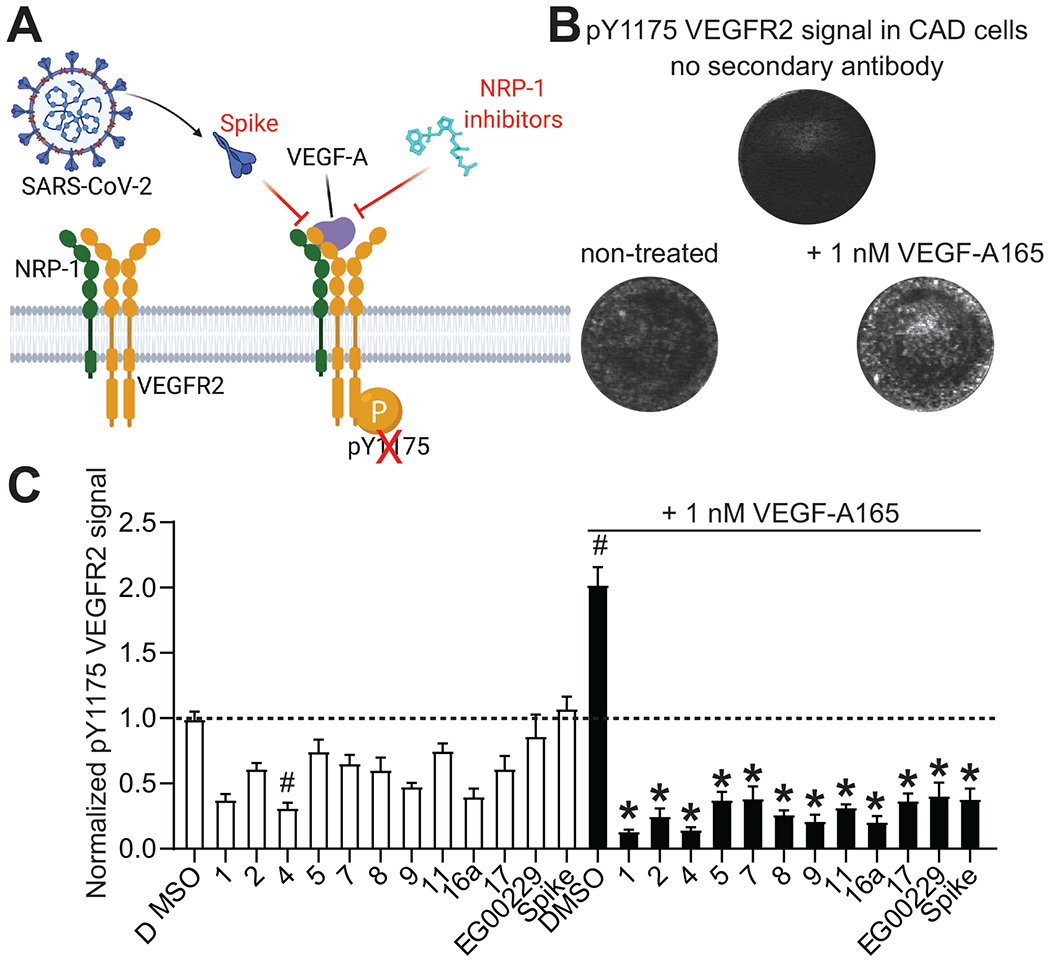
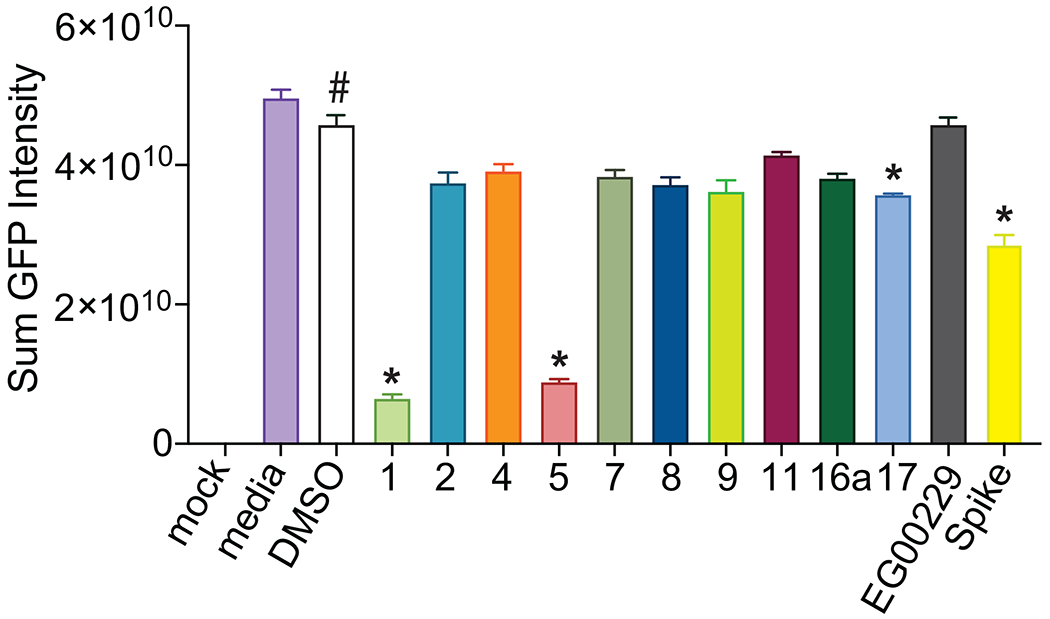
Neuropilin-1 (NRP-1) is a multifunctional transmembrane receptor for ligands that affect developmental axonal growth and angiogenesis. In addition to a role in cancer, NRP-1 is a reported entry point for several viruses, including severe acute respiratory syndrome coronavirus 2 (SARS-CoV-2), the causal agent of coronavirus disease 2019 (COVID-19). The furin cleavage product of SARS-CoV-2 Spike protein takes advantage of the vascular endothelial growth factor A (VEGF-A) binding site on NRP-1 which accommodates a polybasic stretch ending in a C-terminal arginine. This site has long been a focus of drug discovery efforts for cancer therapeutics. We recently showed that interruption of the VEGF-A/NRP-1 signaling pathway ameliorates neuropathic pain and hypothesize that interference of this pathway by SARS-CoV-2 Spike protein interferes with pain signaling. Here, we report confirmed hits from a small molecule and natural product screen of nearly 0.5 million compounds targeting the VEGF-A binding site on NRP-1. We identified nine chemical series with lead- or drug-like physicochemical properties. Using ELISA, we demonstrate that six compounds disrupt VEGF-A-NRP-1 binding more effectively than EG00229, a known NRP-1 inhibitor. Secondary validation in cells revealed that all tested compounds inhibited VEGF-A triggered VEGFR2 phosphorylation. Further, two compounds displayed robust inhibition of a recombinant vesicular stomatitis virus protein that utilizes the SARS-CoV-2 Spike for entry and fusion. These compounds represent a first step in a renewed effort to develop small molecule inhibitors of the VEGF-A/NRP-1 signaling for the treatment of neuropathic pain and cancer with the added potential of inhibiting SARS-CoV-2 virus entry.
神经纤毛蛋白 1(NRP-1)是一种多功能跨膜受体,可与影响发育性轴突生长和血管生成的配体结合。除了在癌症中的作用外,NRP-1 还是几种病毒的报道进入点,包括严重急性呼吸系统综合征冠状病毒 2(SARS-CoV-2),即 2019 年冠状病毒病(COVID-19)的病原体。SARS-CoV-2 刺突蛋白的弗林裂解产物利用 NRP-1 上的血管内皮生长因子 A(VEGF-A)结合位点,该位点容纳以 C 末端精氨酸结尾的多碱性延伸。该位点长期以来一直是癌症治疗药物发现工作的重点。我们最近表明,阻断 VEGF-A/NRP-1 信号通路可改善神经性疼痛,并假设 SARS-CoV-2 刺突蛋白对该通路的干扰会干扰疼痛信号。在这里,我们报告了针对 NRP-1 上 VEGF-A 结合位点的近 50 万种化合物的小分子和天然产物筛选的确认命中。我们确定了具有先导或药物样理化性质的九个化学系列。通过 ELISA,我们证明了六种化合物比已知的 NRP-1 抑制剂 EG00229 更有效地破坏 VEGF-A-NRP-1 结合。在细胞中的二次验证表明,所有测试的化合物均抑制了 VEGF-A 触发的 VEGFR2 磷酸化。此外,两种化合物对利用 SARS-CoV-2 刺突蛋白进入和融合的重组水疱性口炎病毒蛋白显示出强大的抑制作用。这些化合物代表了重新努力开发用于治疗神经性疼痛和癌症的 VEGF-A/NRP-1 信号小分子抑制剂的第一步,并且具有抑制 SARS-CoV-2 病毒进入的附加潜力。