Akbar Umer, McQueen Robert Brett, Bemski Julienne, Carter Julie, Goy Elizabeth R, Kutner Jean, Johnson Miriam J, Miyasaki Janis M, Kluger Benzi
Neurology, Brown University Warren Alpert Medical School, Providence, Rhode Island, USA
Department of Neurology, University of Colorado, Denver, Colorado, USA.
J Neurol Neurosurg Psychiatry. 2021 Mar 31;92(6):629-36. doi: 10.1136/jnnp-2020-323939.
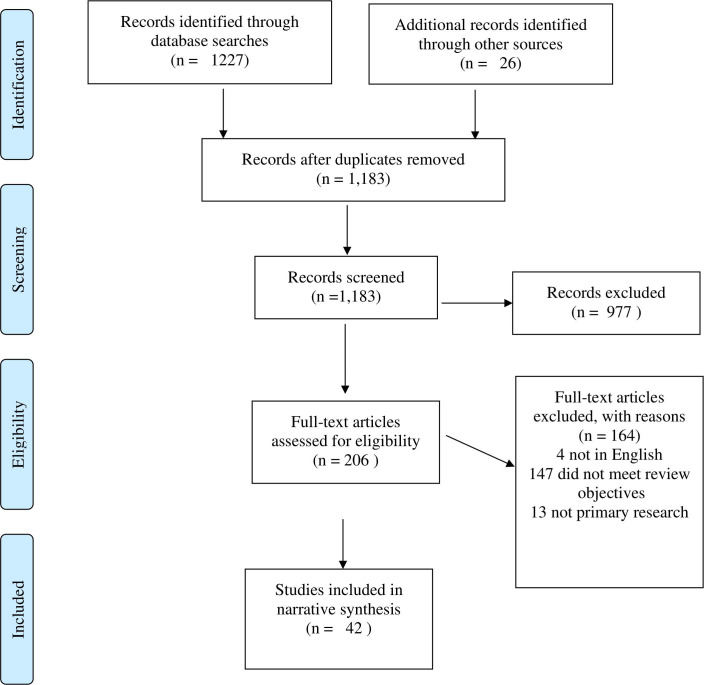
Parkinson's disease and related disorders (PDRD) are the second most common neurodegenerative disease and a leading cause of death. However, patients with PDRD receive less end-of-life palliative care (hospice) than other illnesses, including other neurologic illnesses. Identification of predictors of PDRD mortality may aid in increasing appropriate and timely referrals. To systematically review the literature for causes of death and predictors of mortality in PDRD to provide guidance regarding hospice/end-of-life palliative care referrals. We searched MEDLINE, PubMed, EMBASE and CINAHL databases (1970-2020) of original quantitative research using patient-level, provider-level or caregiver-level data from medical records, administrative data or survey responses associated with mortality, prognosis or cause of death in PDRD. Findings were reviewed by an International Working Group on PD and Palliative Care supported by the Parkinson's Foundation. Of 1183 research articles, 42 studies met our inclusion criteria. We found four main domains of factors associated with mortality in PDRD: (1) demographic and clinical markers (age, sex, body mass index and comorbid illnesses), (2) motor dysfunction and global disability, (3) falls and infections and (4) non-motor symptoms. We provide suggestions for consideration of timing of hospice/end-of-life palliative care referrals. Several clinical features of advancing disease may be useful in triggering end-of-life palliative/hospice referral. Prognostic studies focused on identifying when people with PDRD are nearing their final months of life are limited. There is further need for research in this area as well as policies that support need-based palliative care for the duration of PDRD.
帕金森病及相关疾病(PDRD)是第二常见的神经退行性疾病,也是主要死因之一。然而,与其他疾病(包括其他神经系统疾病)相比,PDRD患者接受临终姑息治疗(临终关怀)的比例更低。识别PDRD死亡率的预测因素可能有助于增加适当和及时的转诊。系统回顾关于PDRD死亡原因和死亡率预测因素的文献,以提供有关临终关怀/临终姑息治疗转诊的指导。我们检索了MEDLINE、PubMed、EMBASE和CINAHL数据库(1970 - 2020年)中使用患者层面、提供者层面或护理人员层面数据的原始定量研究,这些数据来自医疗记录、行政数据或与PDRD死亡率、预后或死亡原因相关的调查回复。研究结果由帕金森病基金会支持的帕金森病与姑息治疗国际工作组进行审查。在1183篇研究文章中,42项研究符合我们的纳入标准。我们发现与PDRD死亡率相关的因素主要有四个领域:(1)人口统计学和临床指标(年龄、性别、体重指数和合并症),(2)运动功能障碍和整体残疾,(3)跌倒和感染,以及(4)非运动症状。我们为临终关怀/临终姑息治疗转诊的时机考虑提供了建议。疾病进展的几个临床特征可能有助于触发临终姑息/临终关怀转诊。专注于确定PDRD患者何时接近生命最后几个月的预后研究有限。这一领域以及支持在PDRD病程中基于需求的姑息治疗的政策仍需要进一步研究。