Gao Junying, Fan Lixia, Zhao Long, Su Ying
Institute of Evolution & Marine Biodiversity, Ocean University of China, Qingdao, 266003, Shandong, China.
College of Fisheries, Ocean University of China, Qingdao, 266003, Shandong, China.
Cell Regen. 2021 Apr 1;10(1):11. doi: 10.1186/s13619-020-00072-2.
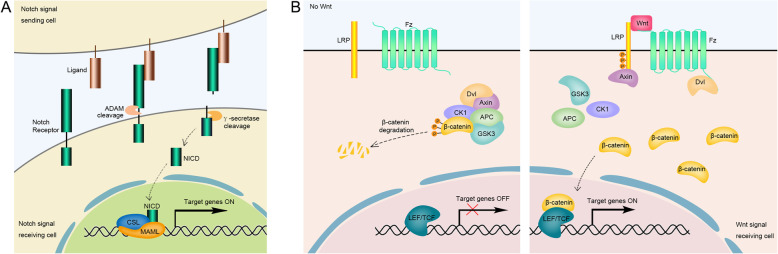
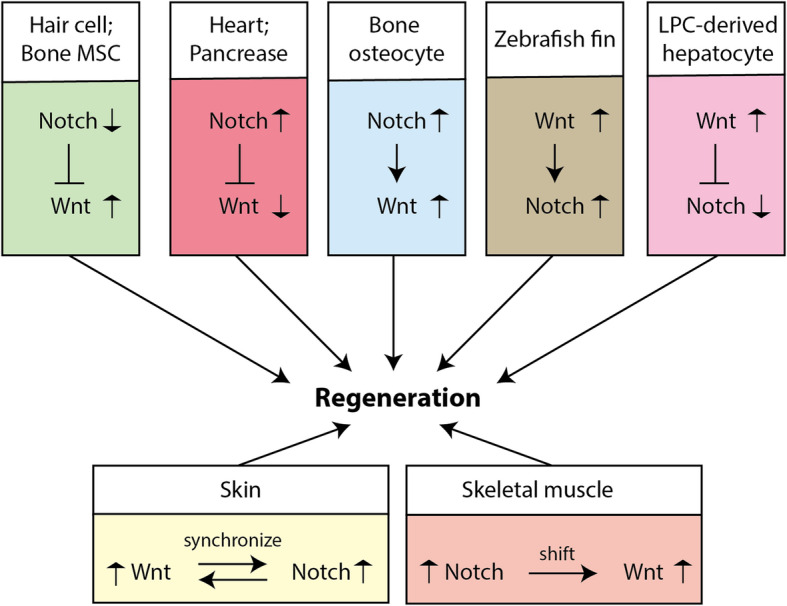
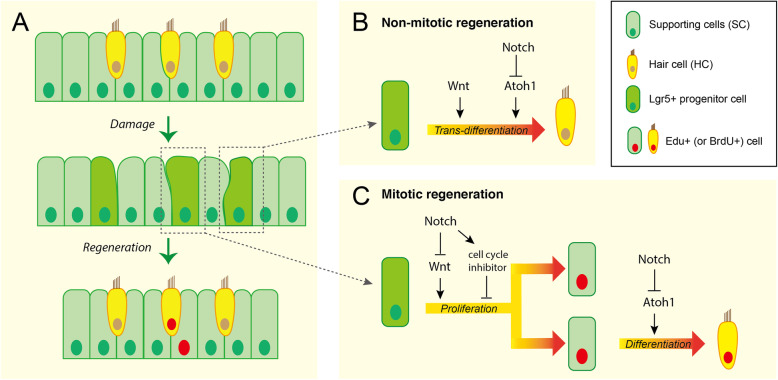
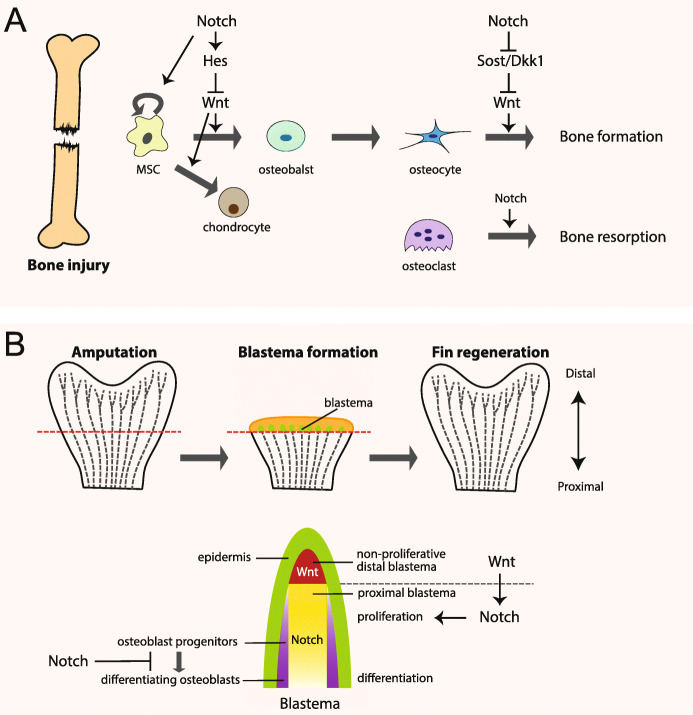
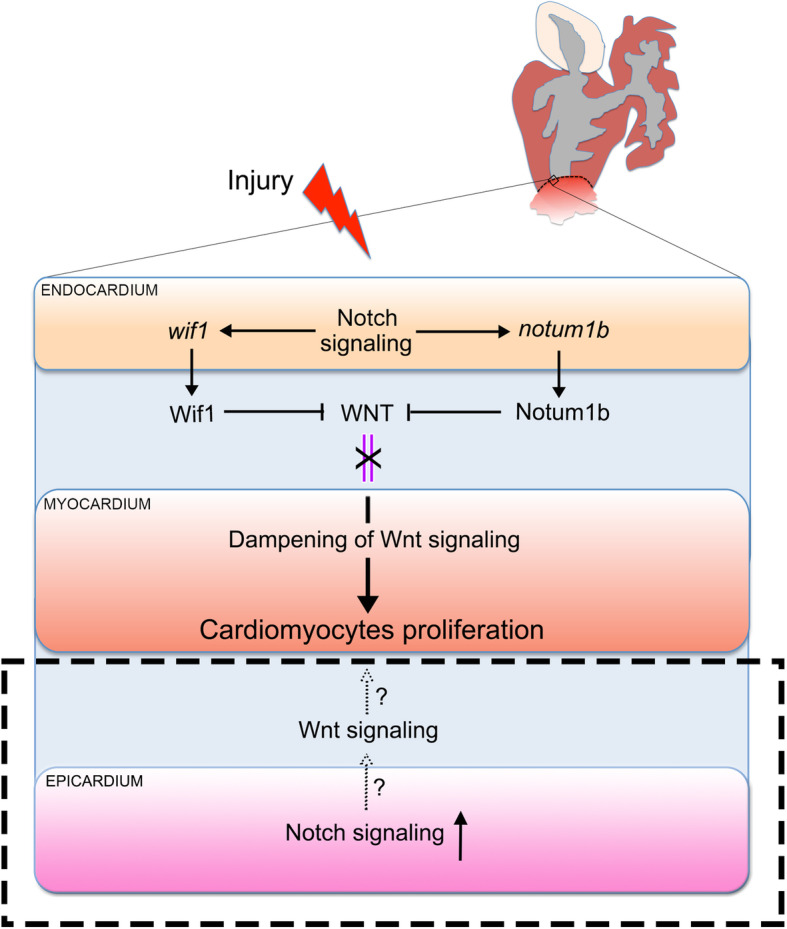
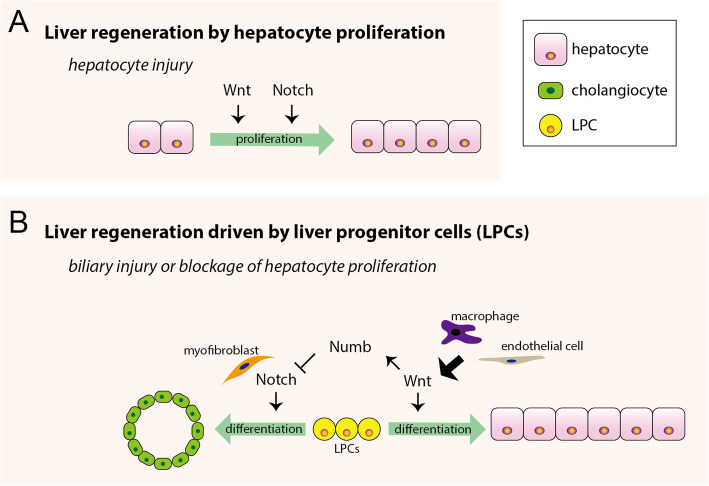
Regeneration is an evolutionarily conserved process in animal kingdoms, however, the regenerative capacities differ from species and organ/tissues. Mammals possess very limited regenerative potential to replace damaged organs, whereas non-mammalian species usually have impressive abilities to regenerate organs. The regeneration process requires proper spatiotemporal regulation from key signaling pathways. The canonical Notch and Wnt signaling pathways, two fundamental signals guiding animal development, have been demonstrated to play significant roles in the regeneration of vertebrates. In recent years, increasing evidence has implicated the cross-talking between Notch and Wnt signals during organ regeneration. In this review, we summarize the roles of Notch signaling and Wnt signaling during several representative organ regenerative events, emphasizing the functions and molecular bases of their interplay in these processes, shedding light on utilizing these two signaling pathways to enhance regeneration in mammals and design legitimate therapeutic strategies.
再生是动物界中一个进化上保守的过程,然而,不同物种以及器官/组织的再生能力存在差异。哺乳动物替换受损器官的再生潜力非常有限,而非哺乳动物通常具有令人印象深刻的器官再生能力。再生过程需要关键信号通路进行适当的时空调节。经典的Notch和Wnt信号通路是指导动物发育的两个基本信号,已被证明在脊椎动物的再生中发挥重要作用。近年来,越来越多的证据表明在器官再生过程中Notch信号和Wnt信号之间存在相互作用。在这篇综述中,我们总结了Notch信号和Wnt信号在几个代表性器官再生事件中的作用,强调了它们在这些过程中相互作用的功能和分子基础,为利用这两个信号通路增强哺乳动物的再生能力以及设计合理的治疗策略提供思路。