Singla Aditya Kumar, Madan Renu, Gupta Kirti, Goyal Shikha, Kumar Narendra, Sahoo Sushant Kumar, Uppal Deepak K, Ahuja Chirag K
Department of Radiotherapy and Oncology, Postgraduate Institute of Medical Education and Research, Chandigarh, India.
Department of Histopathology, Postgraduate Institute of Medical Education and Research, Chandigarh, India.
Radiat Oncol J. 2021 Mar;39(1):72-77. doi: 10.3857/roj.2020.00591. Epub 2021 Mar 30.
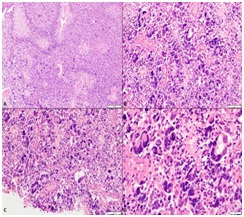
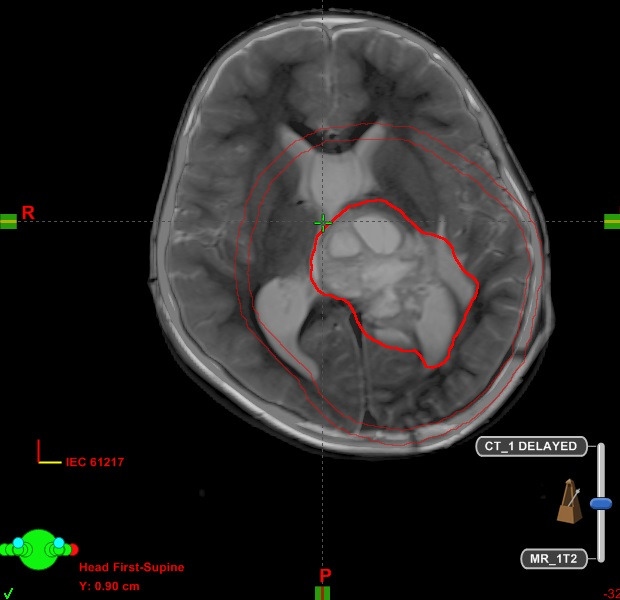
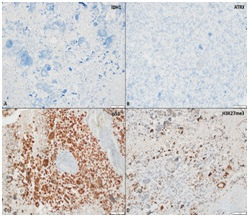
Pediatric glioblastoma (pGBM) is a rare entity accounting for only approximately 3% of all childhood brain tumors. Treatment guidelines for pGBM have been extrapolated from those in adult glioblastoma. Rarity of pGBM and underrepresentation of pediatric population in major studies precludes from defining the ideal treatment protocol for these patients. Maximum safe resection is performed in most of the cases followed by postoperative radiotherapy in children over 3 years of age. Benefit of temozolomide is unclear in these patients. Here, we present the clinicopathological details and outcome of six pGBM patients treated at our institute in 2018-2019.
小儿胶质母细胞瘤(pGBM)是一种罕见的疾病,仅占所有儿童脑肿瘤的约3%。pGBM的治疗指南是从成人胶质母细胞瘤的治疗指南推断而来的。pGBM的罕见性以及儿科人群在主要研究中的代表性不足,使得无法为这些患者确定理想的治疗方案。大多数病例都进行了最大安全切除,然后对3岁以上的儿童进行术后放疗。替莫唑胺在这些患者中的益处尚不清楚。在此,我们介绍了2018 - 2019年在我们研究所接受治疗的6例pGBM患者的临床病理细节和治疗结果。