Centre for the Analysis of Genome Evolution and Function, University of Toronto, Toronto, CA, Canada.
Department of Immunology, University of Toronto, Toronto, CA, Canada.
Gut Microbes. 2021 Jan-Dec;13(1):1-29. doi: 10.1080/19490976.2021.1902705.
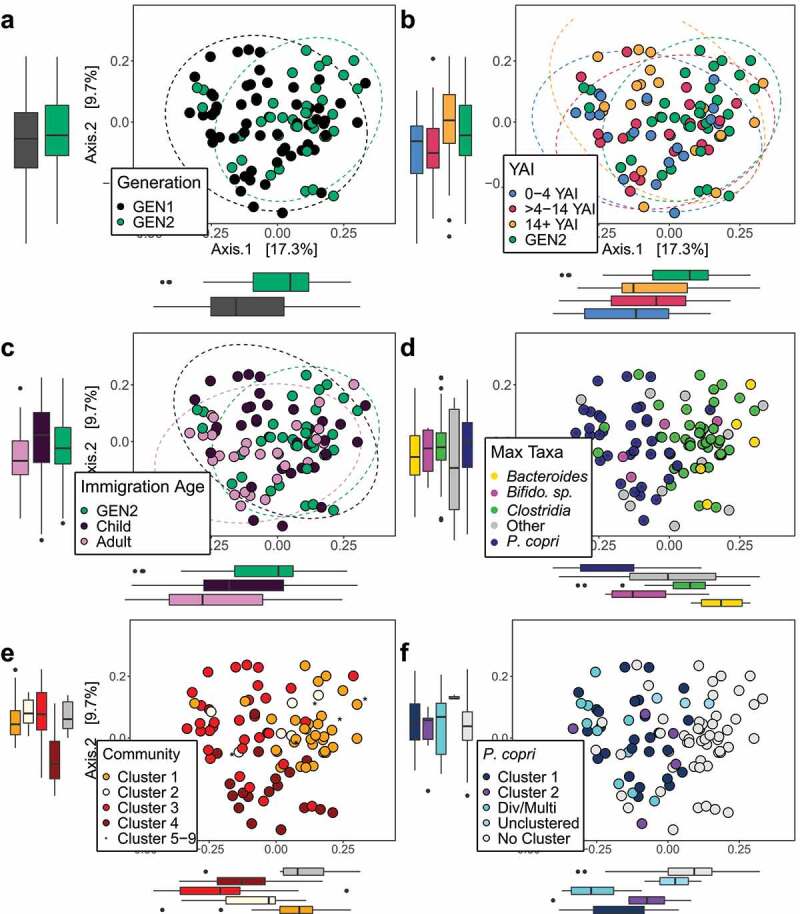
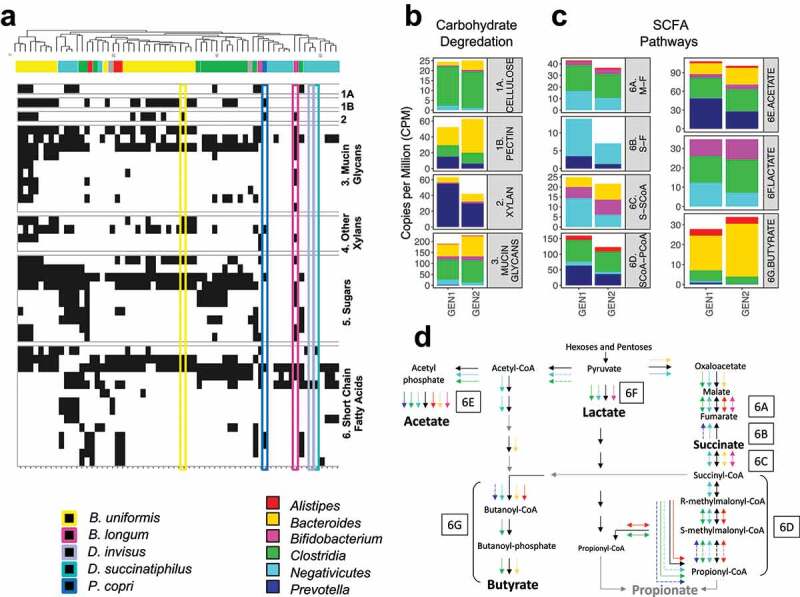
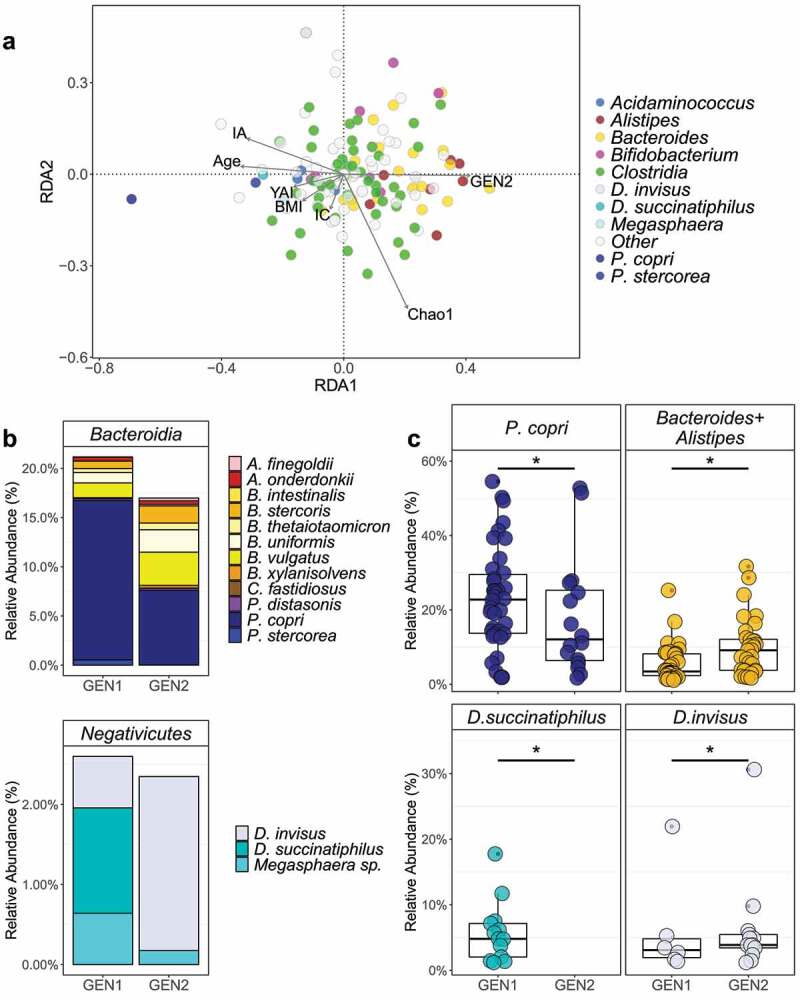
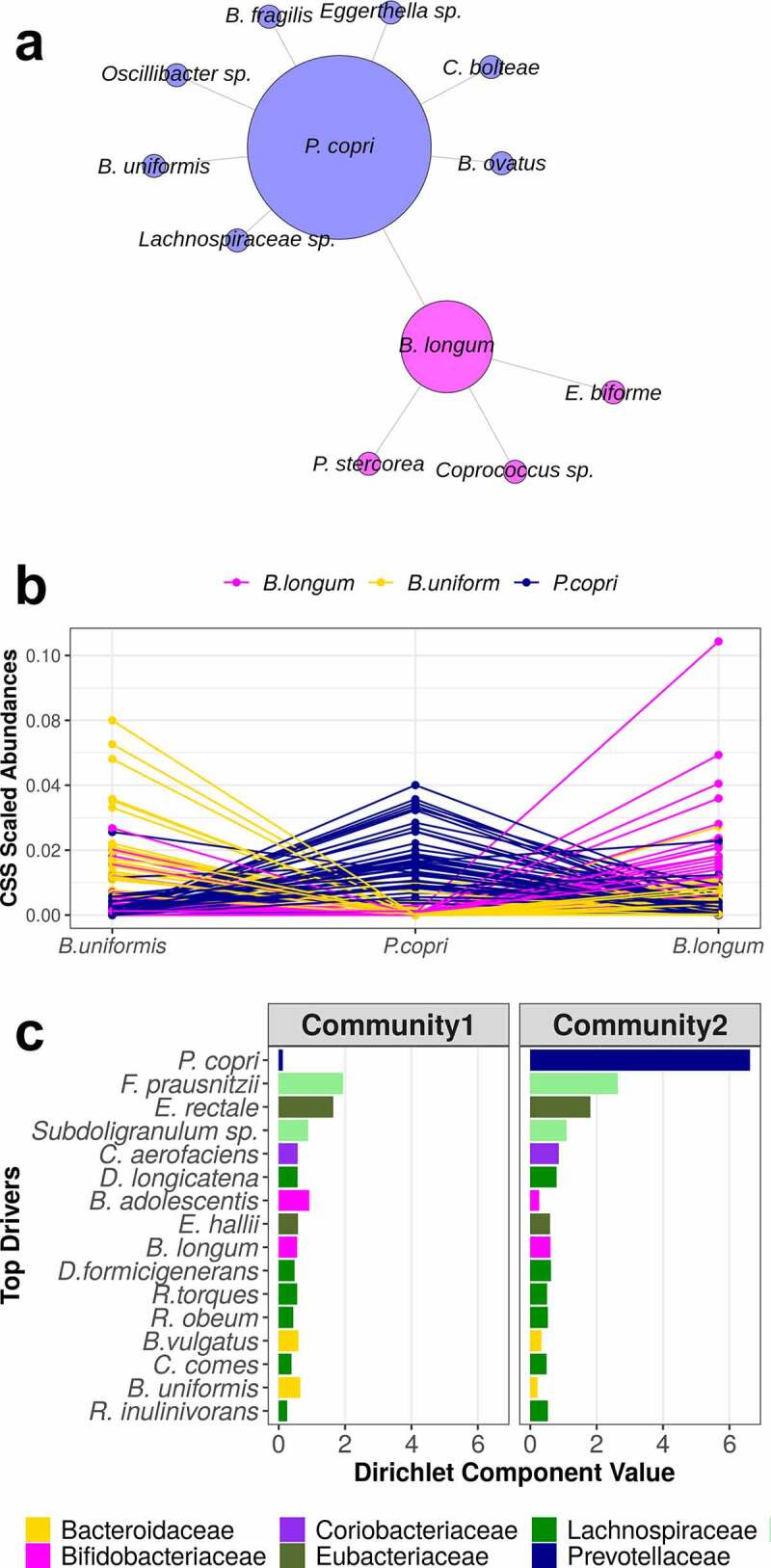
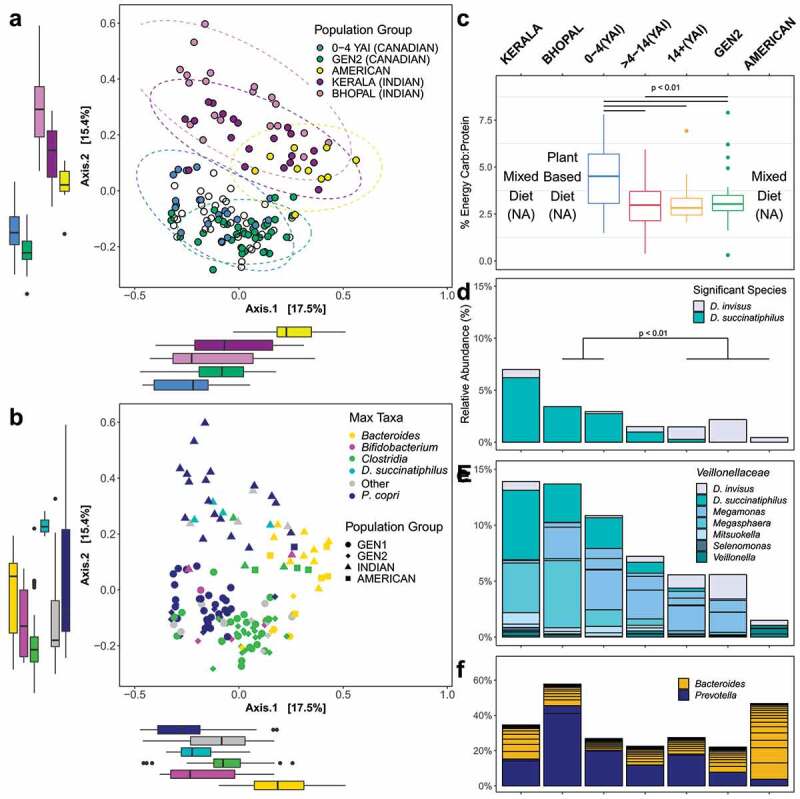
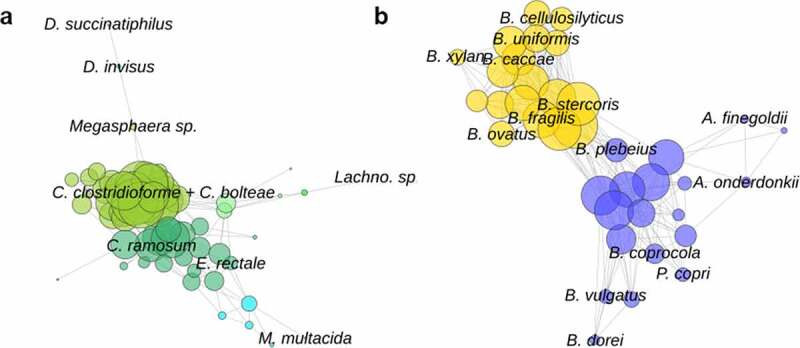
South Asian (SA) Canadian immigrants have a higher risk of developing certain immune-mediated inflammatory diseases compared to non-migrant SAs. We sought to investigate the effect of migration on the gut metagenome and to identify microbiological associations between migration and conditions that may influence the development of immune-mediated inflammatory diseases. Metagenomic analysis of 58 first-generation (GEN1) SA immigrants and 38 unrelated Canadian born children-of-immigrants (GEN2) determined that the time lived in Canada was associated with continued changes in gut microbial communities. Migration of GEN1 to Canada early in life results in a gut community with similarities to GEN2 SA Canadians and non-SA North Americans. Conversely, GEN1 immigrants who arrived recently to Canada exhibited pronounced differences from GEN2, while displaying microbial similarities to a non-migrating SA cohort. Multivariate analysis identified that community composition was primarily influenced by high abundance taxa. dominated in GEN1 and non-migrant SAs. and functionally related spp. replaced dominance over generations in Canada. Mutually exclusive species occurred at differing relative abundances over time and generations in Canada. This shift in species composition is accompanied by a change in genes associated with carbohydrate utilization and short-chain fatty acid production. Total energy derived from carbohydrates compared to protein consumption was significantly higher for GEN1 recent immigrants, which may influence the functional requirements of the gut community. This study demonstrates the associations between migration and the gut microbiome, which may be further associated with the altered risk of immune-mediated inflammatory diseases observed for SA Canadians.
南亚(SA)加拿大移民比非移民 SA 人群患某些免疫介导的炎症性疾病的风险更高。我们试图研究移民对肠道宏基因组的影响,并确定与可能影响免疫介导的炎症性疾病发展的条件之间的微生物关联。对 58 名第一代(GEN1)南亚移民和 38 名无亲属关系的移民子女(GEN2)进行宏基因组分析,结果表明在加拿大的居住时间与肠道微生物群落的持续变化有关。GEN1 年轻时移民到加拿大会导致肠道群落与 GEN2 加拿大 SA 人和非 SA 北美人相似。相反,最近移民到加拿大的 GEN1 移民与 GEN2 表现出明显的差异,同时与非移民 SA 队列表现出微生物相似性。多变量分析表明,群落组成主要受高丰度分类群的影响。 在 GEN1 和非移民 SA 中占优势。 和功能相关的 spp. 取代了在加拿大的世代更替中的 优势。在加拿大,随着时间的推移和世代的更替, 物种的相对丰度发生了相互排斥的变化。这种物种组成的变化伴随着与碳水化合物利用和短链脂肪酸产生相关的基因的变化。与蛋白质相比,来自碳水化合物的总能量消耗对于最近移民的 GEN1 更高,这可能影响肠道群落的功能需求。本研究表明了移民与肠道微生物组之间的关联,这可能与观察到的 SA 加拿大人群免疫介导的炎症性疾病风险改变进一步相关。