Zhou Linglin, Liu Di, Liu Li, He Lixia, Cao Xia, Wang Jie, Wang Zhong Lin
Beijing Institute of Nanoenergy and Nanosystems, Chinese Academy of Sciences, Beijing 100083, China.
College of Nanoscience and Technology, University of Chinese Academy of Sciences, Beijing 100049, China.
Research (Wash D C). 2021 Mar 12;2021:4673028. doi: 10.34133/2021/4673028. eCollection 2021.
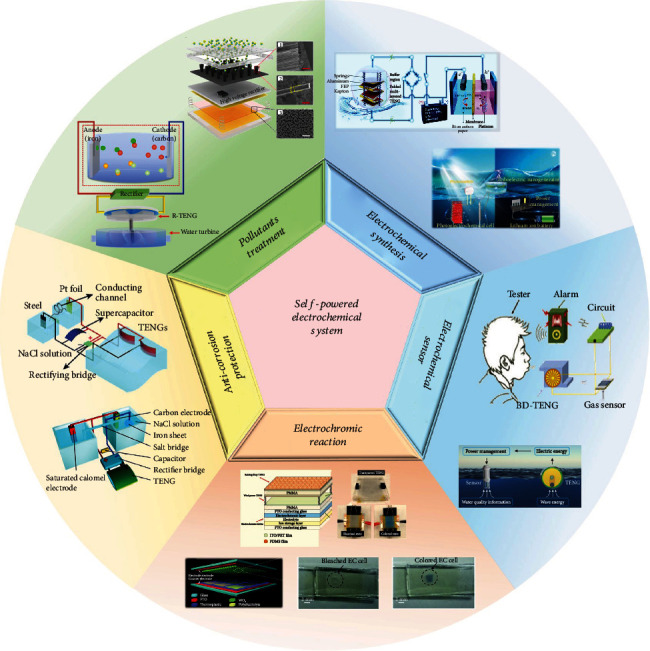
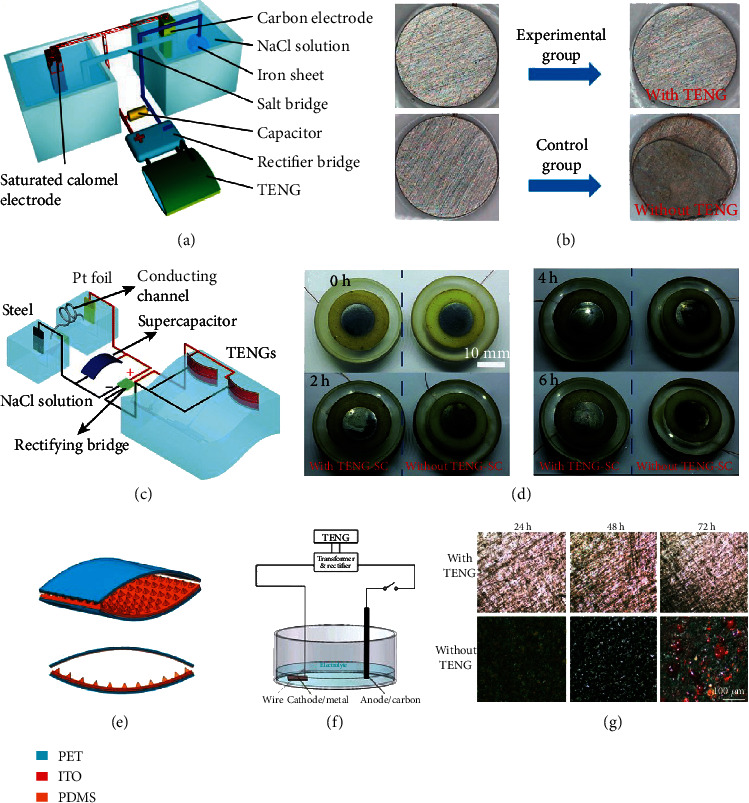
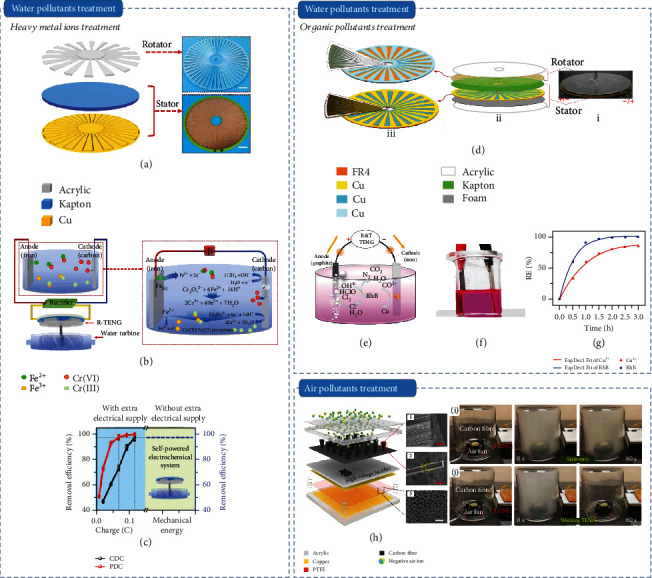
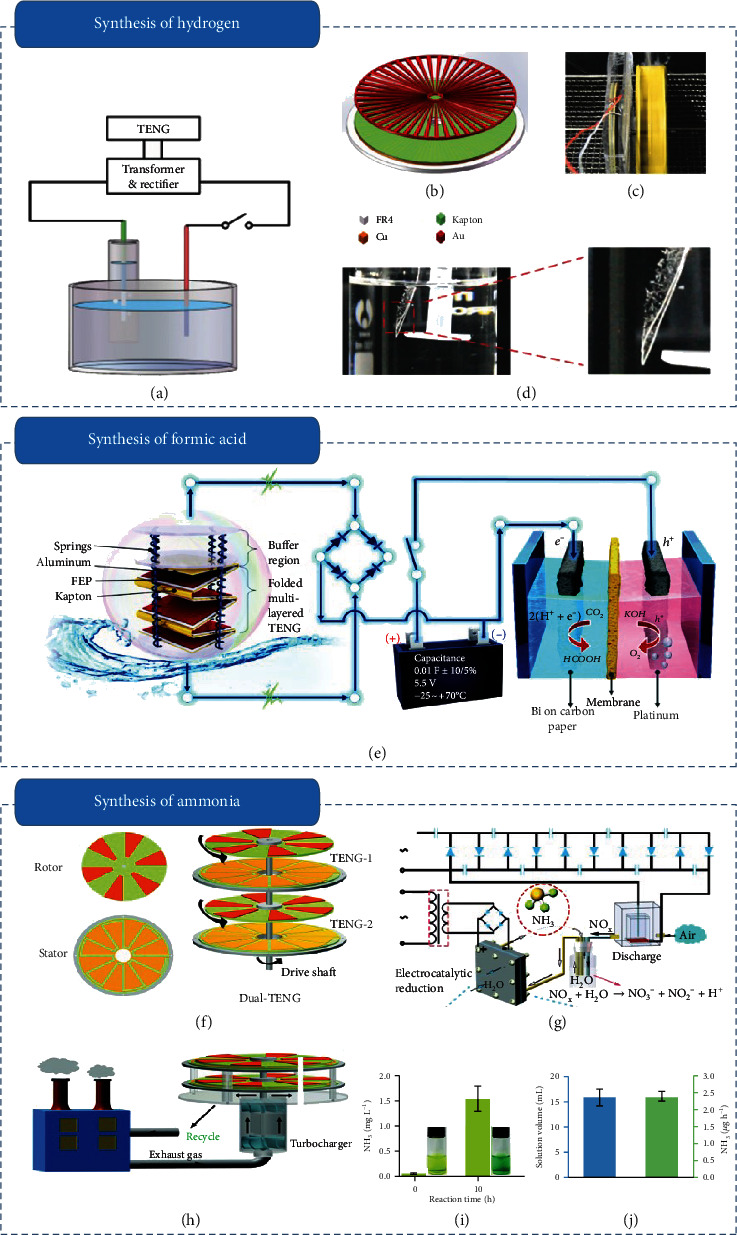
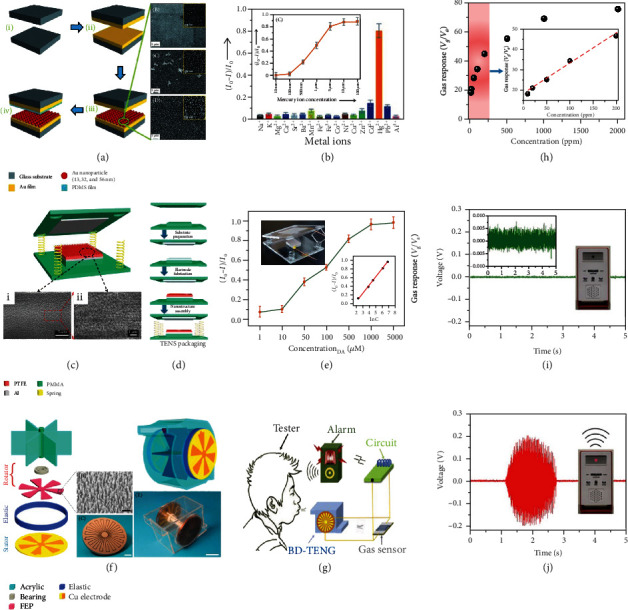
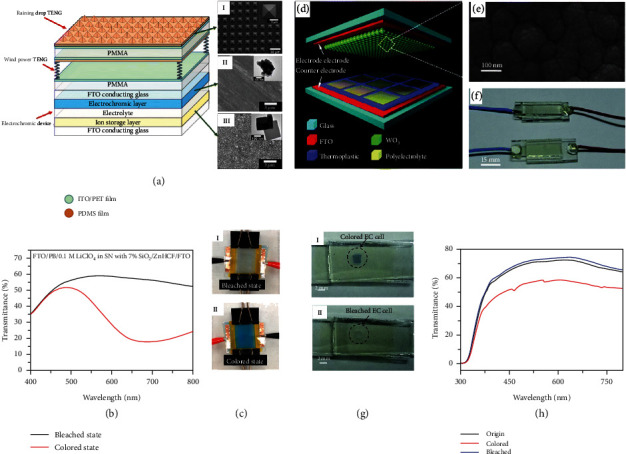
Electrochemistry, one of the most important research and production technology, has been widely applicated in various fields. However, the requirement of external power source is a major challenge to its development. To solve this issue, developing self-powered electrochemical system (SPES) that can work by collecting energy from the environment is highly desired. The invention of triboelectric nanogenerator (TENG), which can transform mechanical energy into electricity, is a promising approach to build SPES by integrating with electrochemistry. In this view, the latest representative achievements of SPES based on TENG are comprehensively reviewed. By harvesting various mechanical energy, five SPESs are built, including electrochemical pollutants treatment, electrochemical synthesis, electrochemical sensor, electrochromic reaction, and anticorrosion system, according to the application domain. Additionally, the perspective for promoting the development of SPES is discussed.
电化学作为最重要的研究与生产技术之一,已在各个领域得到广泛应用。然而,对外部电源的需求是其发展的一大挑战。为解决这一问题,人们迫切希望开发出能够通过收集环境能量来工作的自供电电化学系统(SPES)。摩擦纳米发电机(TENG)的发明能够将机械能转化为电能,是一种通过与电化学集成来构建SPES的有前景的方法。基于此观点,本文全面综述了基于TENG的SPES的最新代表性成果。根据应用领域,通过收集各种机械能构建了五个SPES,包括电化学污染物处理、电化学合成、电化学传感器、电致变色反应和防腐系统。此外,还讨论了促进SPES发展的前景。