The Hatter Cardiovascular Institute, University College London, London, UK.
Department of Biochemistry and Molecular Biology, Institute of Medical Research Israel-Canada, The Hebrew University of Jerusalem, Jerusalem, Israel.
J Cell Mol Med. 2021 May;25(9):4455-4465. doi: 10.1111/jcmm.16515. Epub 2021 Apr 1.
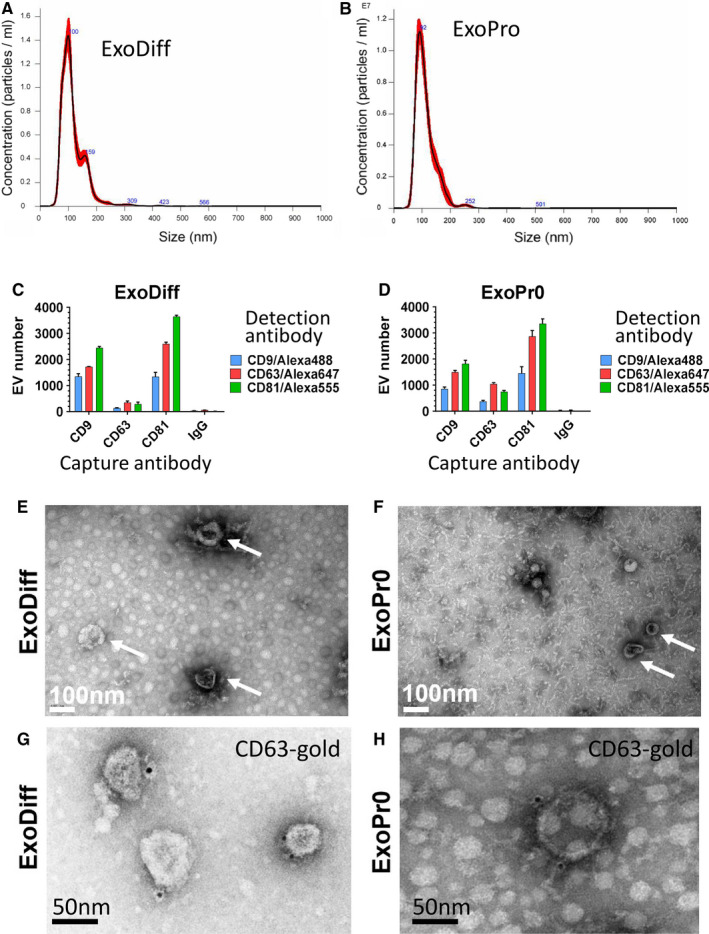
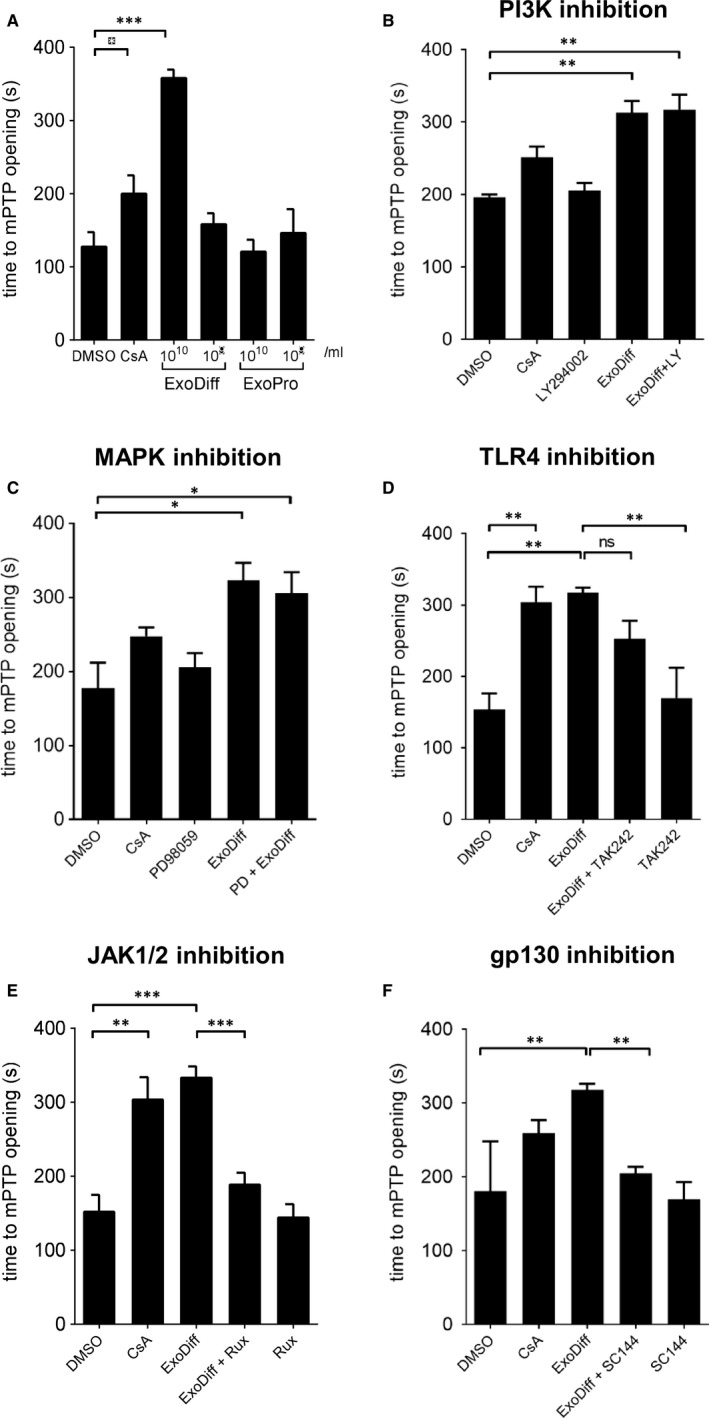
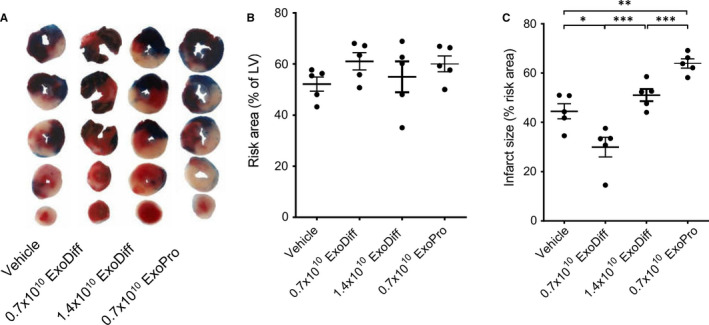
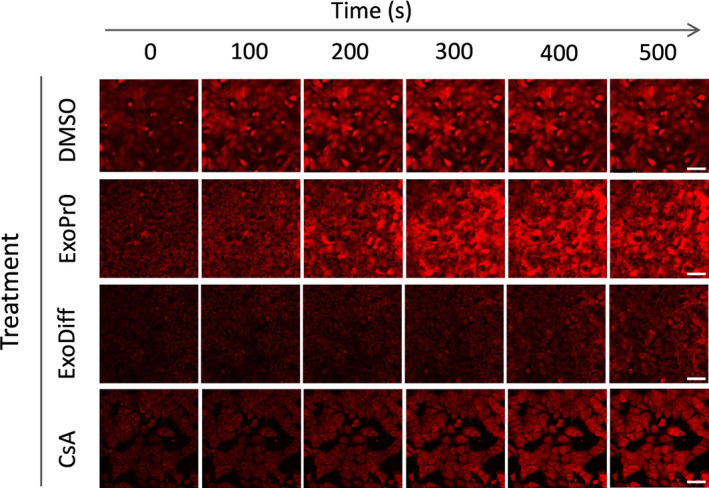
Myocardial infarction requires urgent reperfusion to salvage viable heart tissue. However, reperfusion increases infarct size further by promoting mitochondrial damage in cardiomyocytes. Exosomes from a wide range of different cell sources have been shown to activate cardioprotective pathways in cardiomyocytes, thereby reducing infarct size. Yet, it is currently challenging to obtain highly pure exosomes in quantities enough for clinical studies. To overcome this problem, we used exosomes isolated from CTX0E03 neuronal stem cells, which are genetically stable, conditionally inducible and can be produced on an industrial scale. However, it is unknown whether exosomes from neuronal stem cells may reduce cardiac ischaemia/reperfusion injury. In this study, we demonstrate that exosomes from differentiating CTX0E03 cells can reduce infarct size in mice. In an in vitro assay, these exosomes delayed cardiomyocyte mitochondrial permeability transition pore opening, which is responsible for cardiomyocyte death after reperfusion. The mechanism of MPTP inhibition was via gp130 signalling and the downstream JAK/STAT pathway. Our results support previous findings that exosomes from non-cardiomyocyte-related cells produce exosomes capable of protecting cardiomyocytes from myocardial infarction. We anticipate our findings may encourage scientists to use exosomes obtained from reproducible clinical-grade stocks of cells for their ischaemia/reperfusion studies.
心肌梗死需要紧急再灌注以挽救存活的心脏组织。然而,再灌注通过促进心肌细胞中线粒体损伤进一步增加梗死面积。来自广泛不同细胞来源的外泌体已被证明可激活心肌细胞中的心脏保护途径,从而减少梗死面积。然而,目前难以获得足够数量的高度纯净的外泌体用于临床研究。为了克服这个问题,我们使用了来自 CTX0E03 神经元干细胞的外泌体,这些细胞具有遗传稳定性、条件诱导性并且可以在工业规模上生产。然而,尚不清楚神经元干细胞来源的外泌体是否可以减轻心脏缺血/再灌注损伤。在这项研究中,我们证明了来自分化的 CTX0E03 细胞的外泌体可以减少小鼠的梗死面积。在体外试验中,这些外泌体延迟了心肌细胞线粒体通透性转换孔的开放,这是再灌注后心肌细胞死亡的原因。MPTP 抑制的机制是通过 gp130 信号和下游 JAK/STAT 途径。我们的结果支持先前的发现,即来自非心肌细胞相关细胞的外泌体能够产生保护心肌细胞免受心肌梗死的外泌体。我们预计我们的发现可能会鼓励科学家使用可重复的临床级细胞库存获得的外泌体进行缺血/再灌注研究。