Borges Catarina S P, Akhavan-Safar Alireza, Marques Eduardo A S, Carbas Ricardo J C, Ueffing Christoph, Weißgraeber Philipp, da Silva Lucas F M
Instituto de Ciência e Inovação em Engenharia Mecânica e Engenharia Industrial (INEGI), 4200-465 Porto, Portugal.
Robert Bosch GmbH, Corporate Research and Advance Engineering, 71272 Renningen, Germany.
Materials (Basel). 2021 Mar 7;14(5):1261. doi: 10.3390/ma14051261.
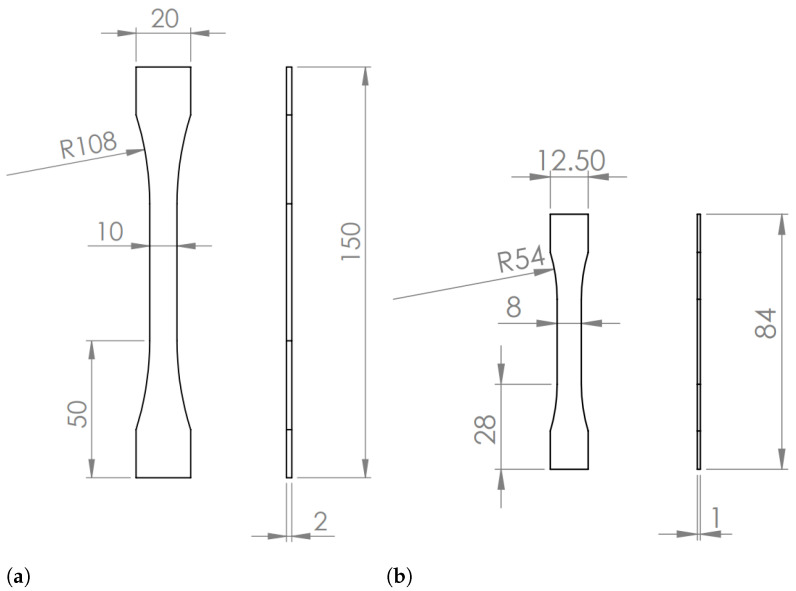
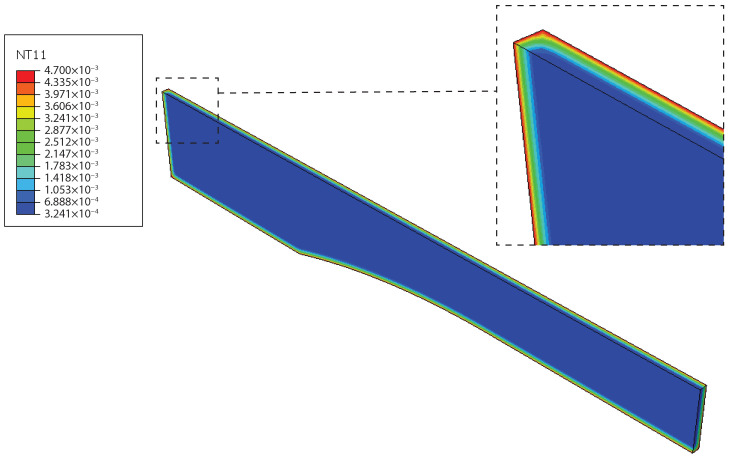
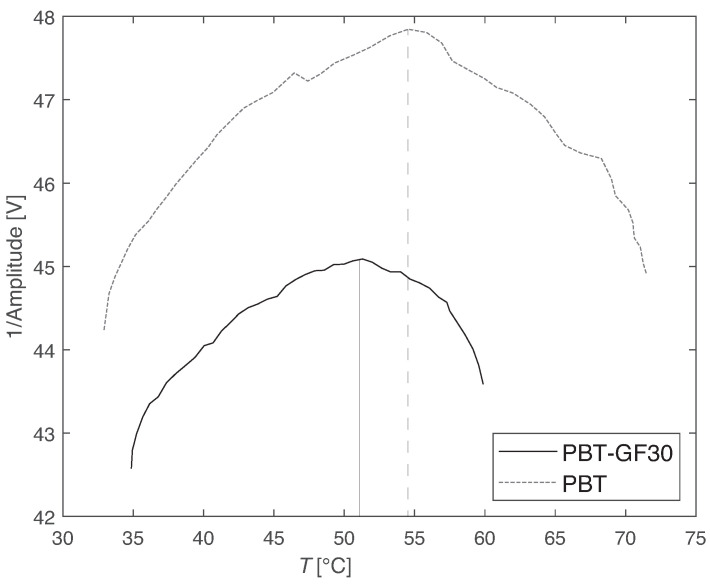
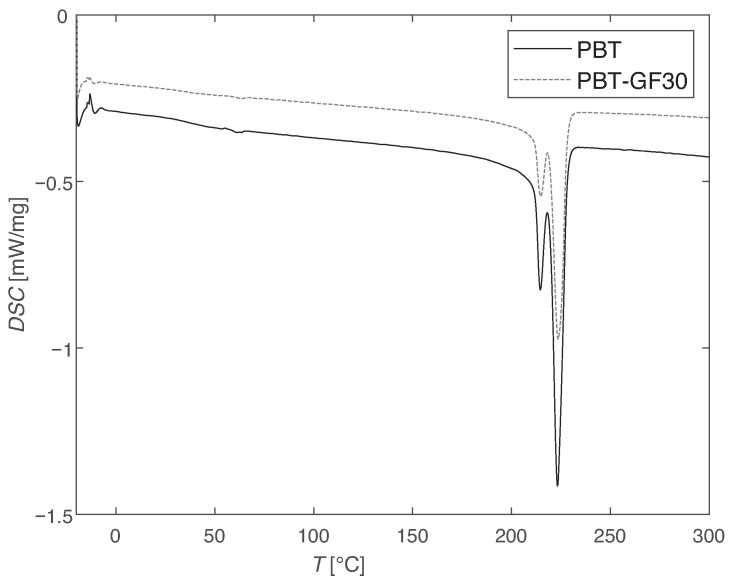
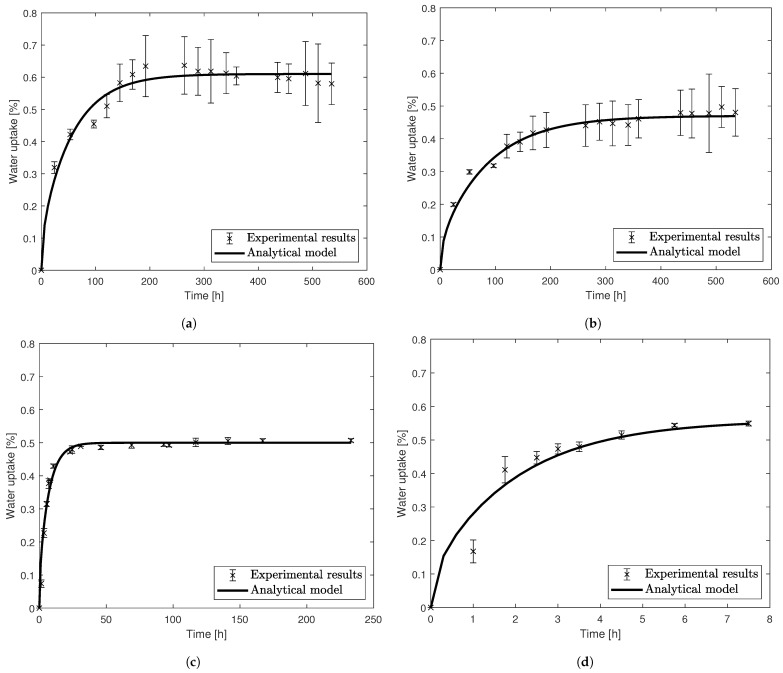
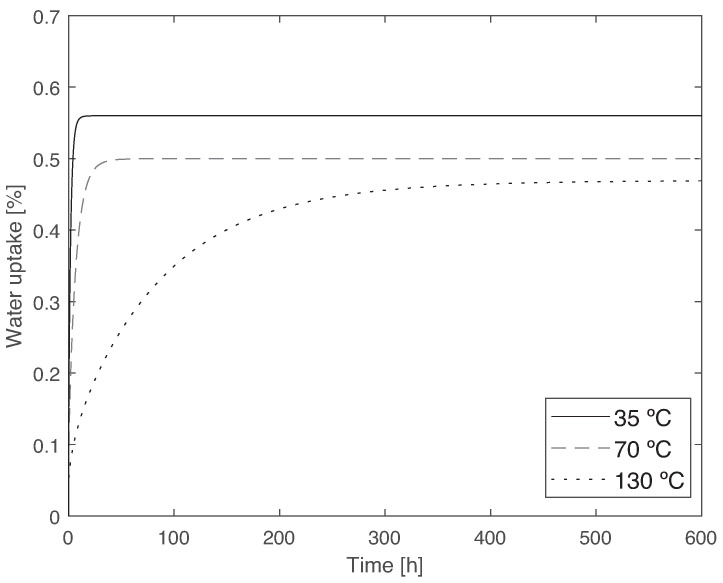
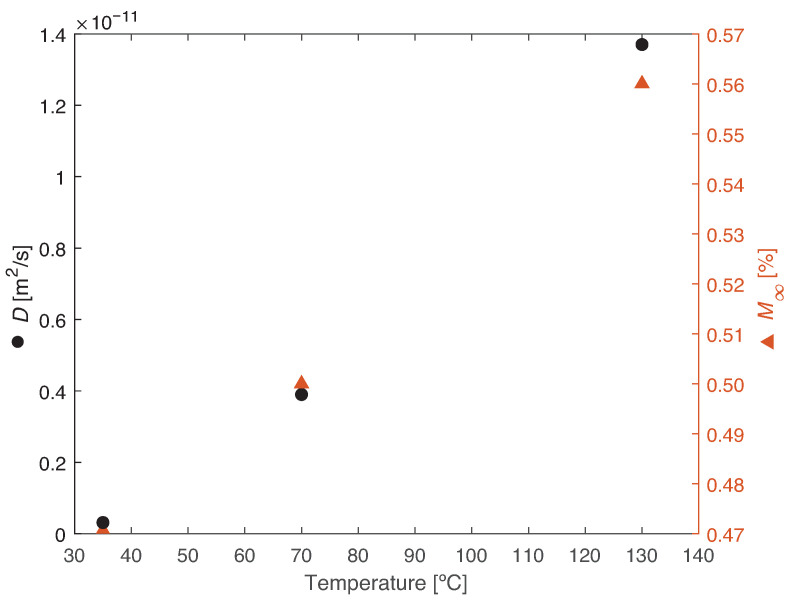
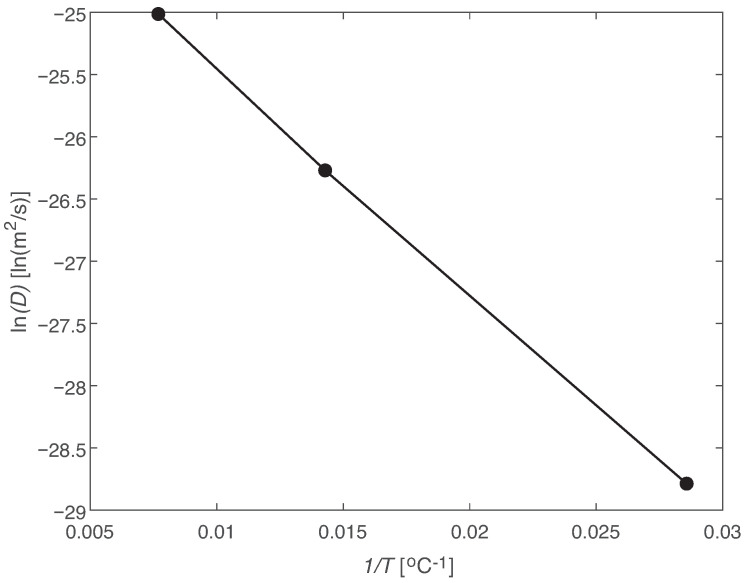
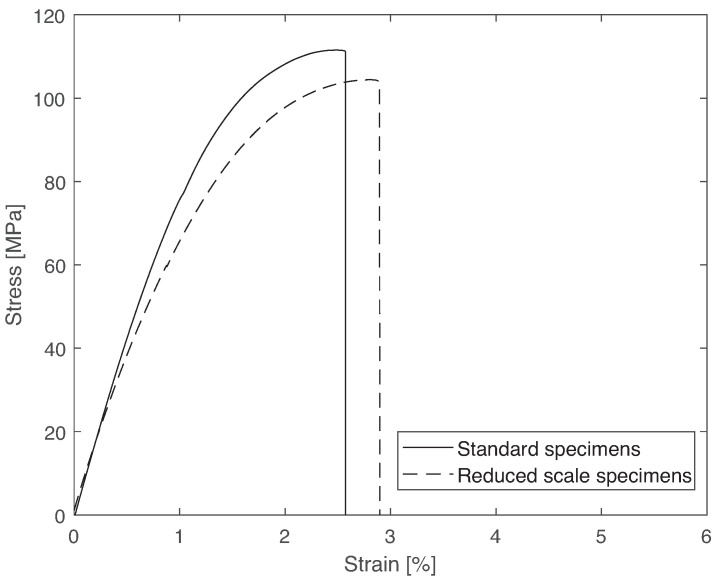
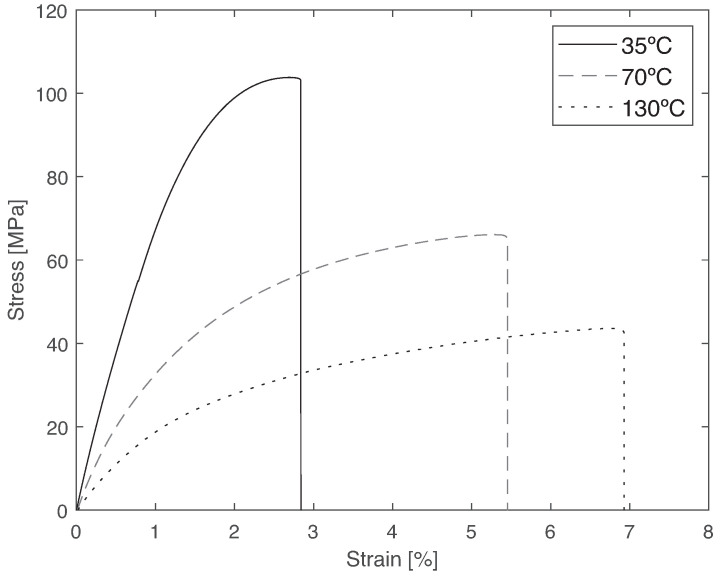
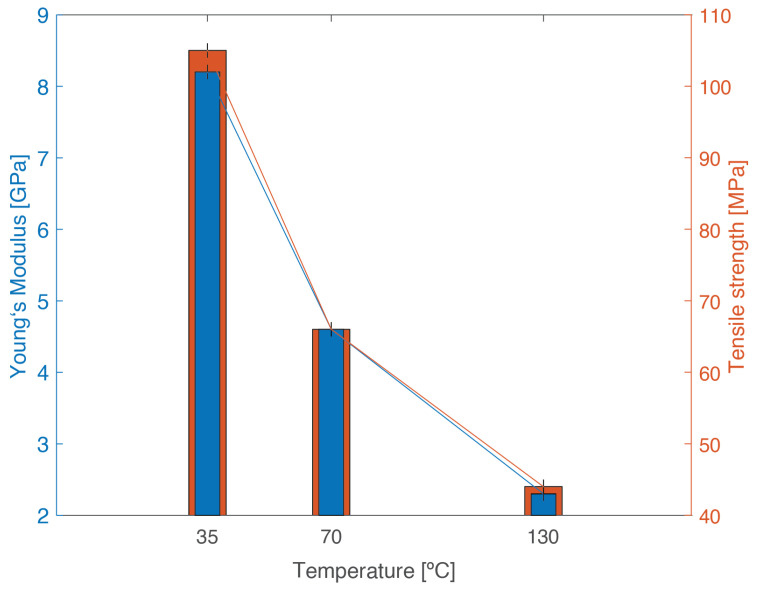
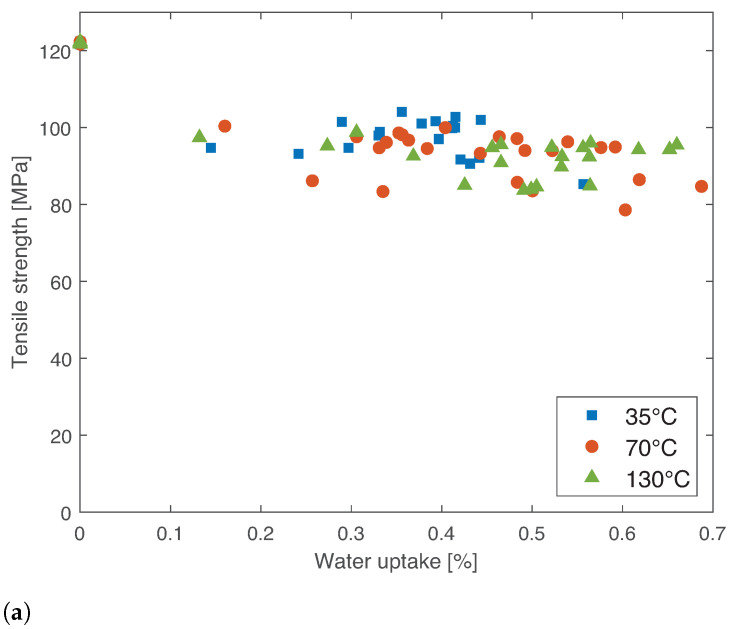
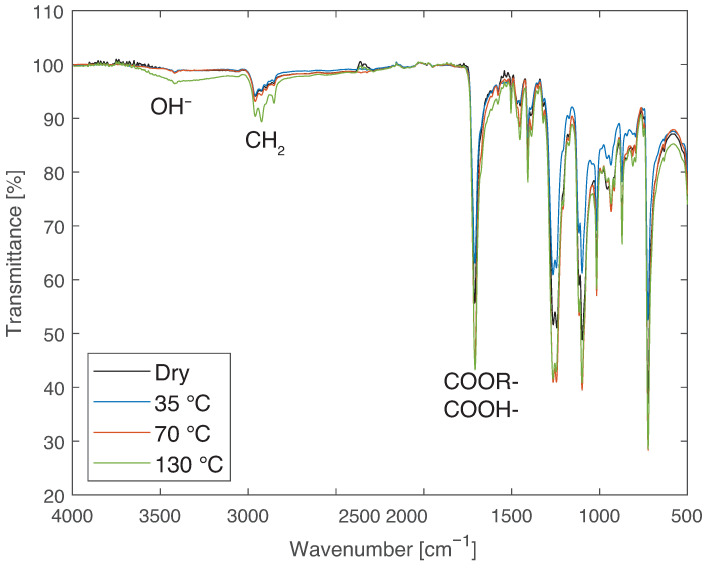
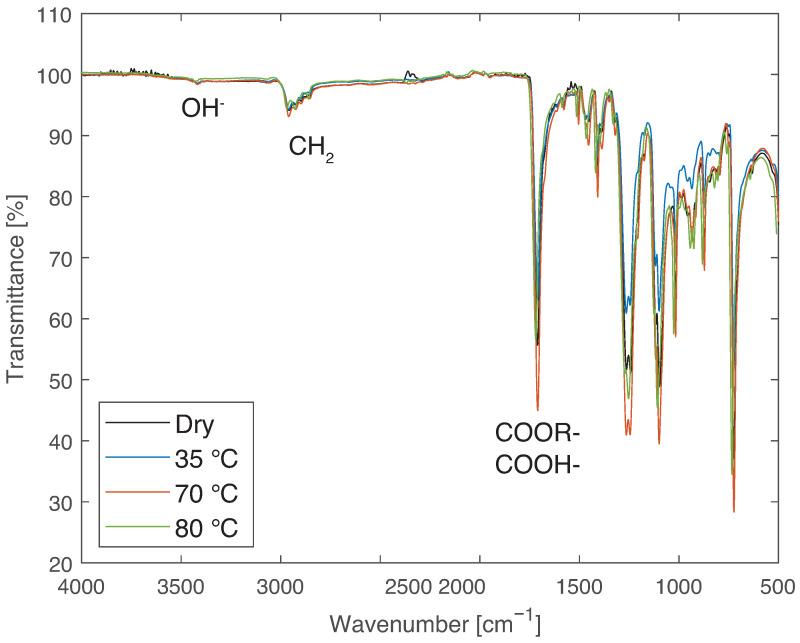
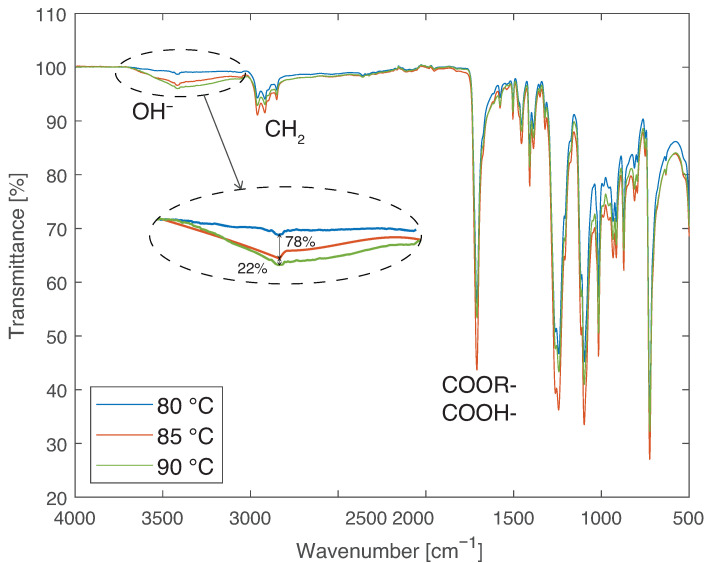
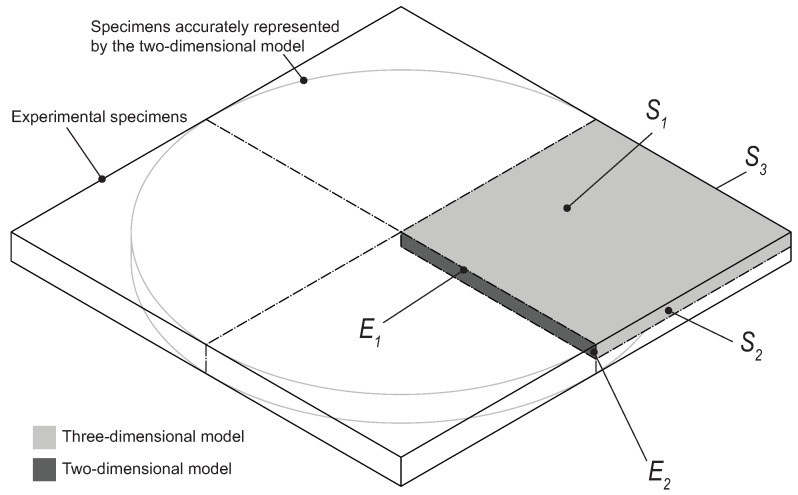
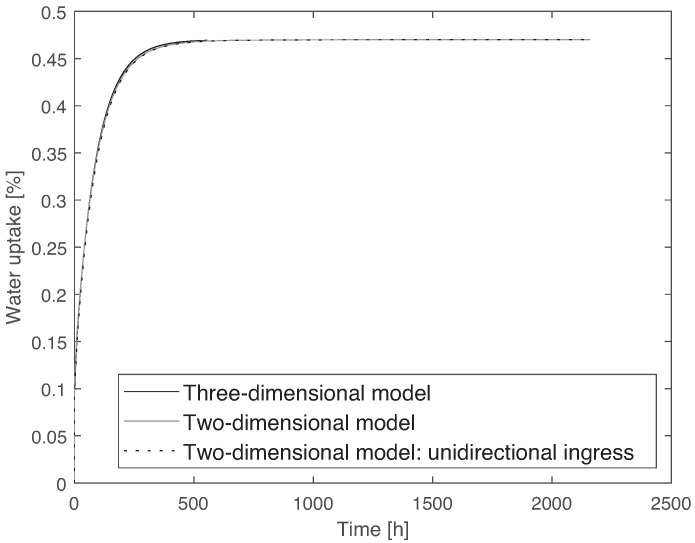
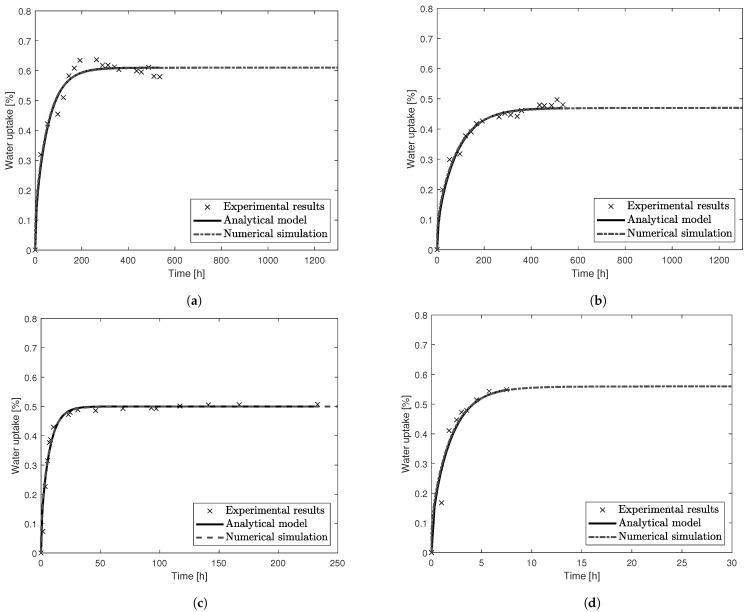
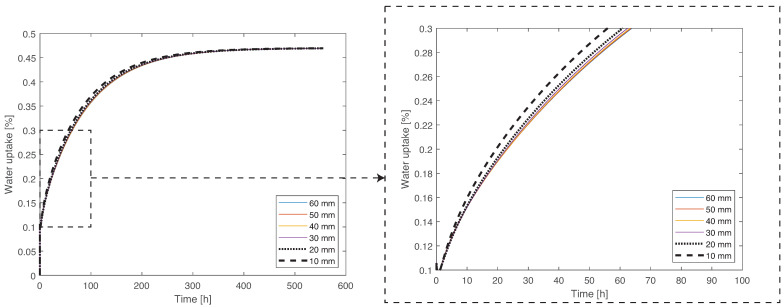
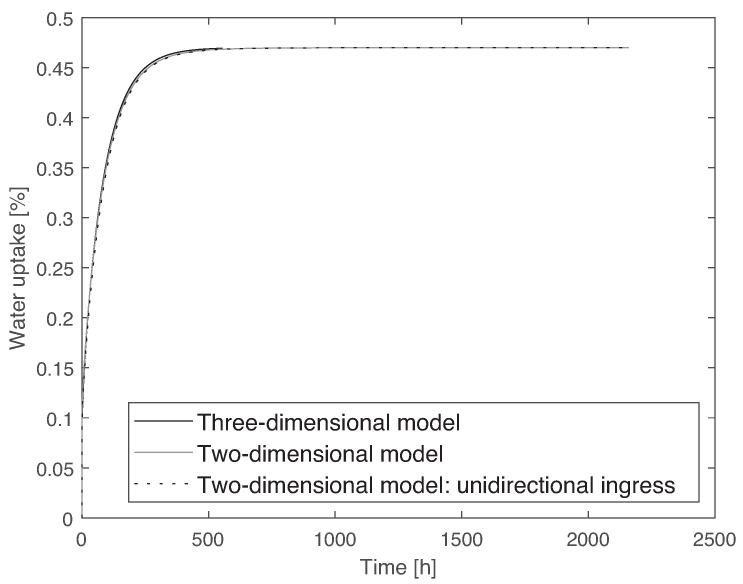
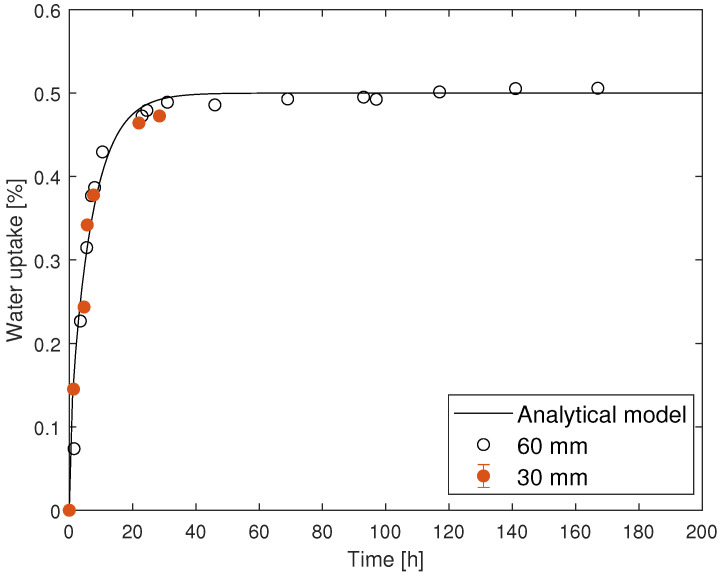
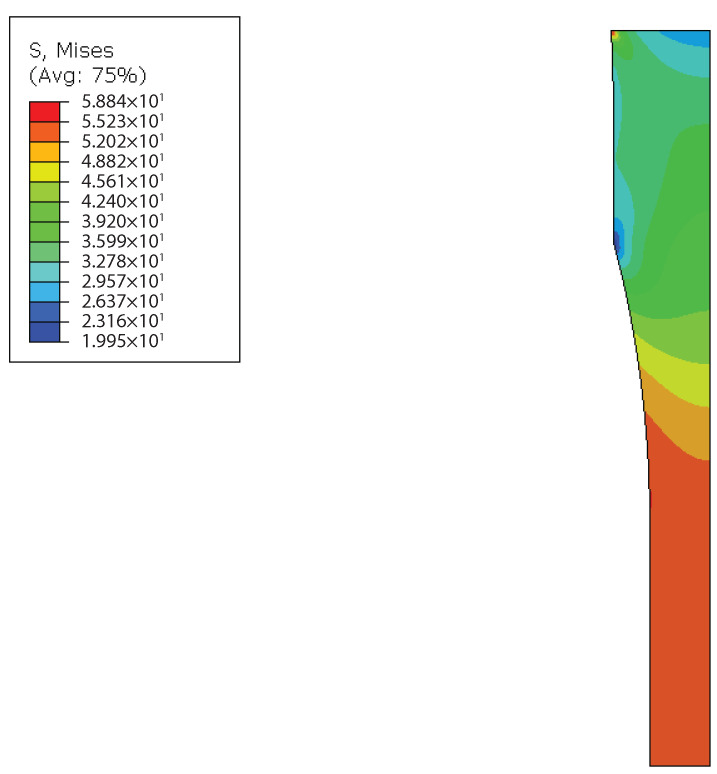
Short fiber reinforced polymers are widely used in the construction of electronic housings, where they are often exposed to harsh environmental conditions. The main purpose of this work is the in-depth study and characterization of the water uptake behavior of PBT-GF30 (polybutylene terephthalate with 30% of short glass fiber)as well as its consequent effect on the mechanical properties of the material. Further analysis was conducted to determine at which temperature range PBT-GF30 starts experiencing chemical changes. The influence of testing procedures and conditions on the evaluation of these effects was analyzed, also drawing comparisons with previous studies. The water absorption behavior was studied through gravimetric tests at 35, 70, and 130 °C. Fiber-free PBT was also studied at 35 °C for comparison purposes. The effect of water and temperature on the mechanical properties was analyzed through bulk tensile tests. The material was tested for the three temperatures in the as-supplied state (without drying or aging). Afterwards, PBT-GF30 was tested at room temperature following water immersion at the three temperatures. Chemical changes in the material were also analyzed through Fourier-transform infrared spectroscopy (FTIR). It was concluded that the water diffusion behavior is Fickian and that PBT absorbs more water than PBT-GF30 but at a slightly higher rate. However, temperature was found to have a more significant influence on the rate of water diffusion of PBT-GF30 than fiber content did. Temperature has a significant influence on the mechanical properties of the material. Humidity contributes to a slight drop in stiffness and strength, not showing a clear dependence on water uptake. This decrease in mechanical properties occurs due to the relaxation of the polymeric chain promoted by water ingress. Between 80 and 85 °C, after water immersion, the FTIR profile of the material changes, which suggests chemical changes in the PBT. The water absorption was simulated through heat transfer analogy with good results. From the developed numerical simulation, the minimum plate size to maintain the water ingress unidirectional was 30 mm, which was validated experimentally.
短纤维增强聚合物广泛应用于电子外壳的制造中,在这些应用中它们常常会暴露在恶劣的环境条件下。这项工作的主要目的是深入研究和表征PBT-GF30(含30%短玻璃纤维的聚对苯二甲酸丁二醇酯)的吸水行为,以及其对材料机械性能的后续影响。进行了进一步分析,以确定PBT-GF30在哪个温度范围内开始发生化学变化。分析了测试程序和条件对这些影响评估的影响,并与先前的研究进行了比较。通过在35、70和130℃下的重量测试研究了吸水行为。为了进行比较,还在35℃下研究了无纤维的PBT。通过整体拉伸试验分析了水和温度对机械性能的影响。在材料供应状态(未干燥或老化)下对这三个温度进行了测试。之后,在三个温度下进行水浸后,在室温下对PBT-GF30进行了测试。还通过傅里叶变换红外光谱(FTIR)分析了材料中的化学变化。得出的结论是,水扩散行为符合菲克定律,PBT比PBT-GF30吸收更多的水,但速率略高。然而,发现温度对PBT-GF30的水扩散速率的影响比纤维含量的影响更大。温度对材料的机械性能有显著影响。湿度导致刚度和强度略有下降,未表现出对吸水率的明显依赖性。这种机械性能的下降是由于水进入促进了聚合物链的松弛。在80至85℃之间,水浸后材料的FTIR谱图发生变化,这表明PBT发生了化学变化。通过传热类比模拟了吸水情况,结果良好。从所开发的数值模拟中,保持水单向进入的最小板尺寸为30毫米,这通过实验得到了验证。