Chen Baoliang, Liu Peng, Xiao Feiyun, Liu Zhengshi, Wang Yong
School of Mechanical Engineering, Hefei University of Technology, Hefei 230009, China.
Int J Environ Res Public Health. 2021 Mar 8;18(5):2696. doi: 10.3390/ijerph18052696.
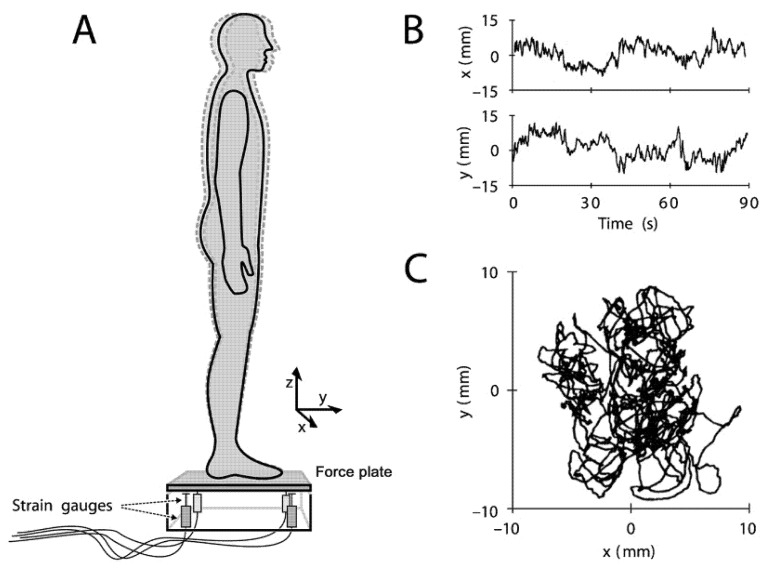
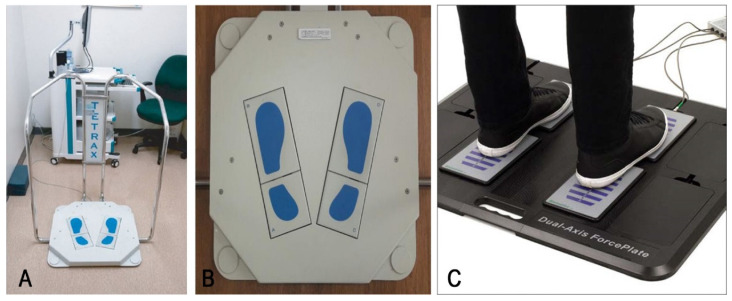
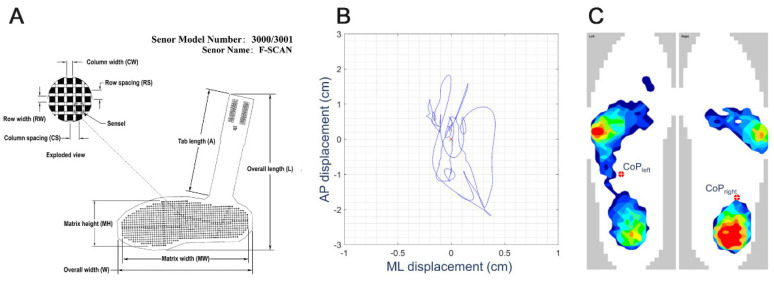
Quantitative assessment is crucial for the evaluation of human postural balance. The force plate system is the key quantitative balance assessment method. The purpose of this study is to review the important concepts in balance assessment and analyze the experimental conditions, parameter variables, and application scope based on force plate technology. As there is a wide range of balance assessment tests and a variety of commercial force plate systems to choose from, there is room for further improvement of the test details and evaluation variables of the balance assessment. The recommendations presented in this article are the foundation and key part of the postural balance assessment; these recommendations focus on the type of force plate, the subject's foot posture, and the choice of assessment variables, which further enriches the content of posturography. In order to promote a more reasonable balance assessment method based on force plates, further methodological research and a stronger consensus are still needed.
定量评估对于人体姿势平衡的评估至关重要。测力板系统是关键的定量平衡评估方法。本研究的目的是回顾平衡评估中的重要概念,并基于测力板技术分析实验条件、参数变量和应用范围。由于平衡评估测试种类繁多,可供选择的商用测力板系统也多种多样,因此平衡评估的测试细节和评估变量仍有进一步改进的空间。本文提出的建议是姿势平衡评估的基础和关键部分;这些建议侧重于测力板的类型、受试者的足部姿势以及评估变量的选择,进一步丰富了姿势图的内容。为了推广更合理的基于测力板的平衡评估方法,仍需要进一步的方法学研究和更强的共识。