Department of Dermatology, University of Kiel, 24105 Kiel, Germany.
Independent Researcher, 24105 Kiel, Germany.
Int J Mol Sci. 2021 Mar 8;22(5):2730. doi: 10.3390/ijms22052730.
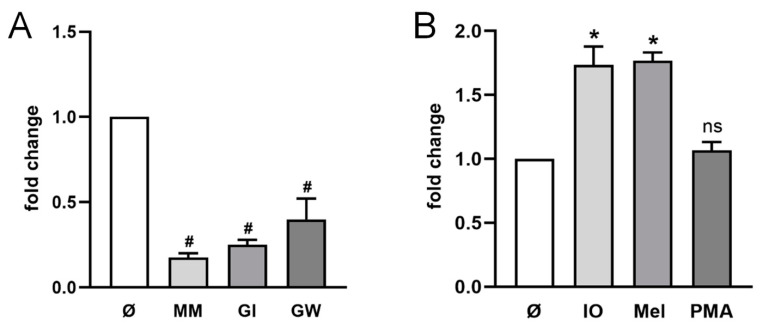
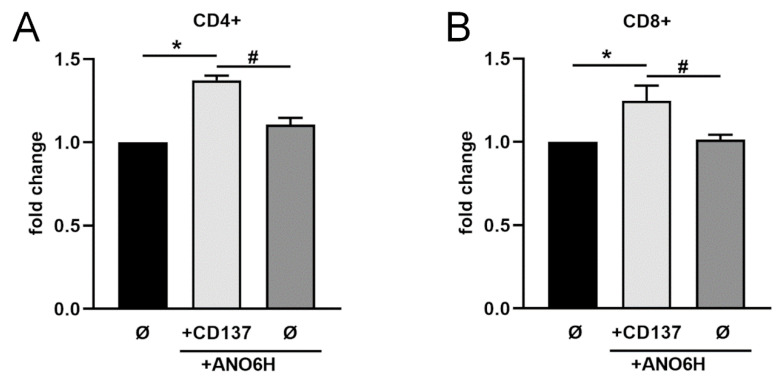
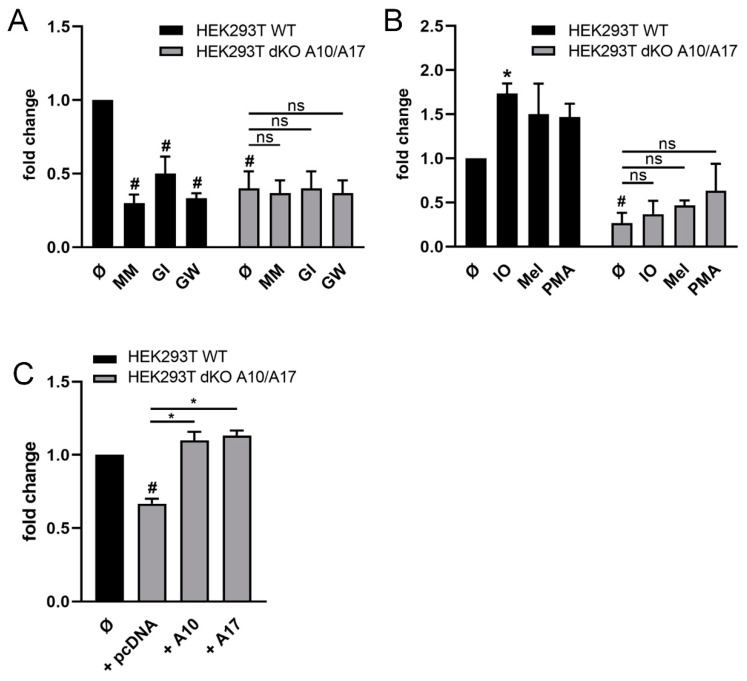
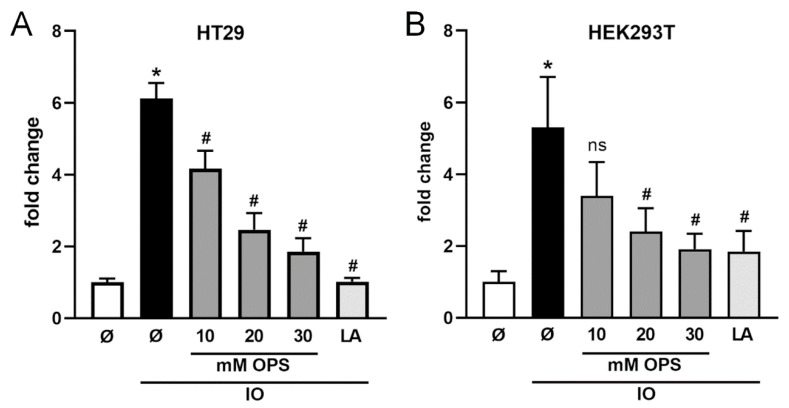
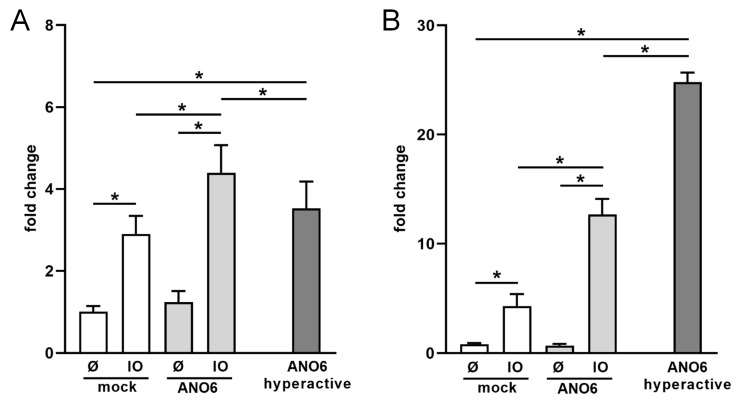
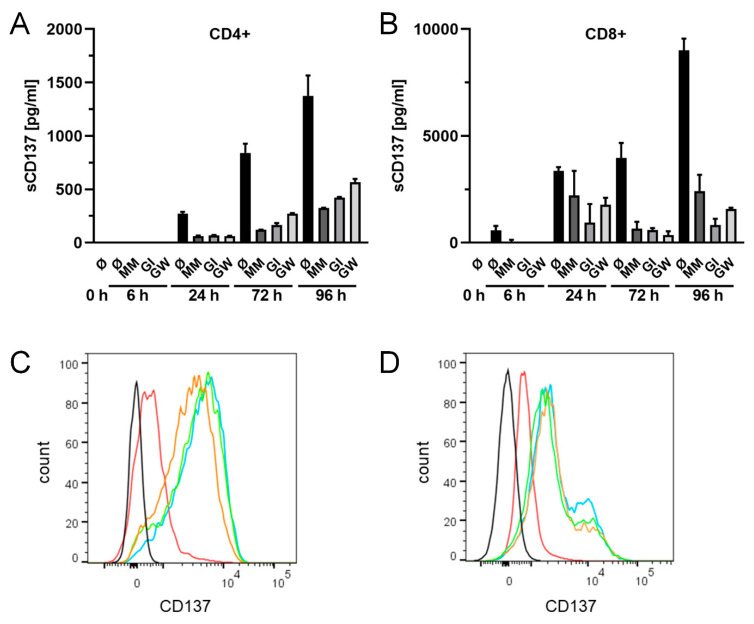
Human CD137 (4-1BB), a member of the TNF receptor family, and its ligand CD137L (4-1BBL), are expressed on immune cells and tumor cells. CD137/CD137L interaction mediates bidirectional cellular responses of potential relevance in inflammatory diseases, autoimmunity and oncology. A soluble form of CD137 exists, elevated levels of which have been reported in patients with rheumatoid arthritis and various malignancies. Soluble CD137 (sCD137) is considered to represent a splice variant of CD137. In this report, however, evidence is presented that A Disintegrin and Metalloproteinase (ADAM)10 and potentially also ADAM17 are centrally involved in its generation. Release of sCD137 by transfected cell lines and primary T cells was uniformly inhibitable by ADAM10 inhibition. The shedding function of ADAM10 can be blocked through inhibition of its interaction with surface exposed phosphatidylserine (PS), and this effectively inhibited sCD137 generation. The phospholipid scramblase Anoctamin-6 (ANO6) traffics PS to the outer membrane and thus modifies ADAM10 function. Overexpression of ANO6 increased stimulated shedding, and hyperactive ANO6 led to maximal constitutive shedding of CD137. sCD137 was functionally active and augmented T cell proliferation. Our findings shed new light on the regulation of CD137/CD137L immune responses with potential impact on immunotherapeutic approaches targeting CD137.
人 CD137(4-1BB),肿瘤坏死因子受体家族的一员,及其配体 CD137L(4-1BBL),在免疫细胞和肿瘤细胞上表达。CD137/CD137L 相互作用介导了潜在炎症性疾病、自身免疫和肿瘤学中双向细胞反应。可溶性 CD137 形式存在,据报道类风湿关节炎和各种恶性肿瘤患者的水平升高。可溶性 CD137(sCD137)被认为是 CD137 的剪接变体。然而,本报告提供的证据表明,解整合素金属蛋白酶 10(ADAM10)和潜在的 ADAM17 都参与了它的生成。转染细胞系和原代 T 细胞释放的 sCD137 可被 ADAM10 抑制的统一抑制。ADAM10 的脱落功能可通过抑制其与暴露于表面的磷脂酰丝氨酸(PS)相互作用而阻断,这有效地抑制了 sCD137 的生成。磷脂酶 scramblase Anoctamin-6(ANO6)将 PS 转运到外膜,从而改变 ADAM10 的功能。ANO6 的过表达增加了刺激的脱落,而过活性的 ANO6 导致 CD137 的最大组成性脱落。sCD137 具有功能活性,并增强了 T 细胞增殖。我们的发现为 CD137/CD137L 免疫反应的调节提供了新的认识,这可能对针对 CD137 的免疫治疗方法产生影响。