Carli Giulia, Tondo Giacomo, Boccalini Cecilia, Perani Daniela
School of Psychology, Vita-Salute San Raffaele University, 20121 Milan, Italy.
In Vivo Human Molecular and Structural Neuroimaging Unit, Division of Neuroscience, IRCCS San Raffaele Scientific Institute, 20121 Milan, Italy.
Brain Sci. 2021 Mar 28;11(4):433. doi: 10.3390/brainsci11040433.
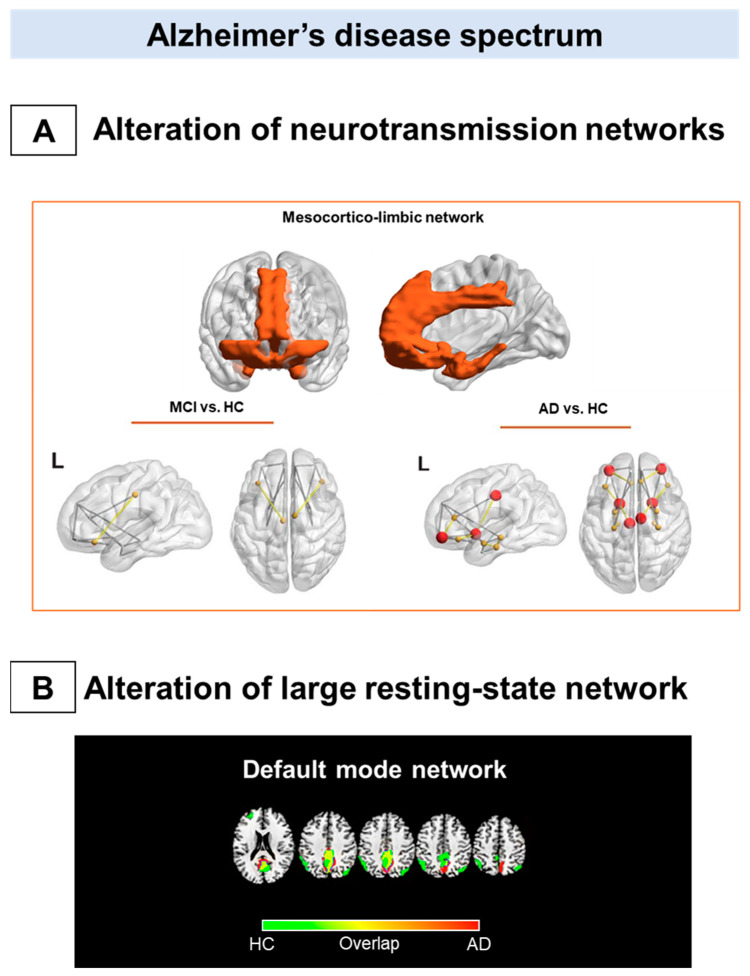
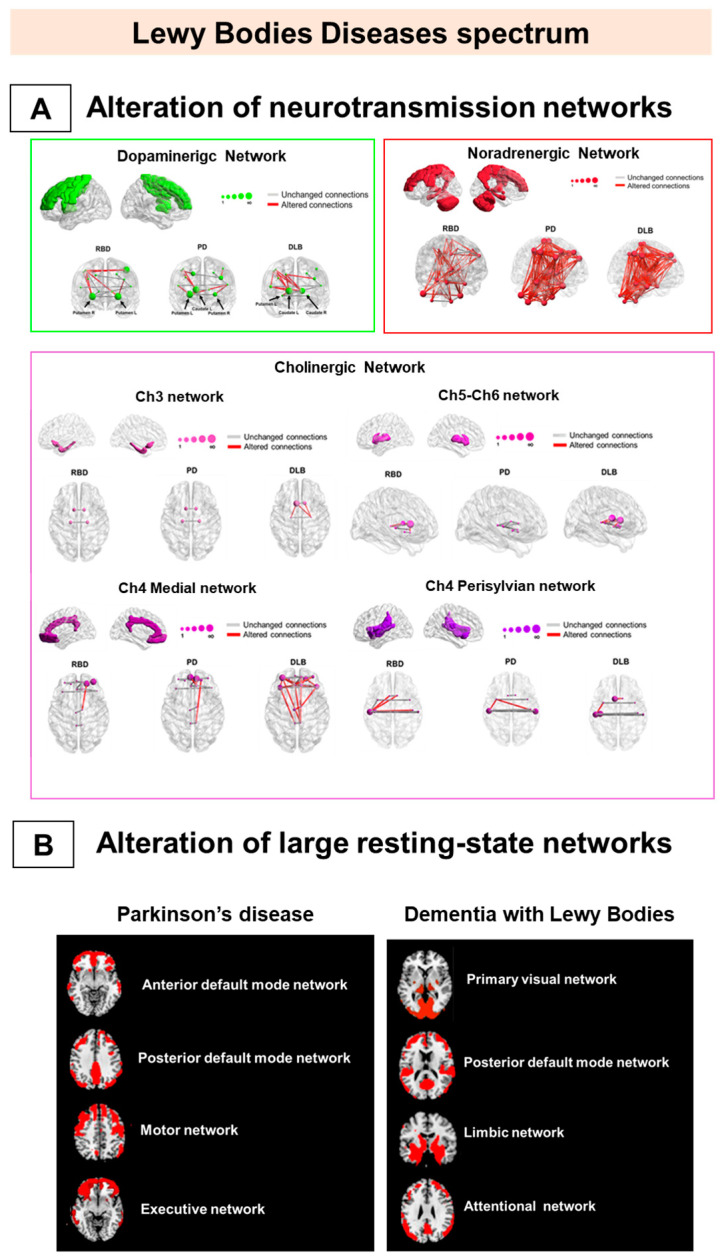
Positron emission tomography (PET) allows for the in vivo assessment of early brain functional and molecular changes in neurodegenerative conditions, representing a unique tool in the diagnostic workup. The increased use of multivariate PET imaging analysis approaches has provided the chance to investigate regional molecular processes and long-distance brain circuit functional interactions in the last decade. PET metabolic and neurotransmission connectome can reveal brain region interactions. This review is an overview of concepts and methods for PET molecular and metabolic covariance assessment with evidence in neurodegenerative conditions, including Alzheimer's disease and Lewy bodies disease spectrum. We highlight the effects of environmental and biological factors on brain network organization. All of the above might contribute to innovative diagnostic tools and potential disease-modifying interventions.
正电子发射断层扫描(PET)能够在体内评估神经退行性疾病早期的脑功能和分子变化,是诊断检查中的一种独特工具。在过去十年中,多变量PET成像分析方法的使用增加,为研究区域分子过程和远距离脑回路功能相互作用提供了机会。PET代谢和神经传递连接组可以揭示脑区之间的相互作用。本综述概述了PET分子和代谢协方差评估的概念和方法,并提供了神经退行性疾病(包括阿尔茨海默病和路易体病谱系)方面的证据。我们强调了环境和生物因素对脑网络组织的影响。上述所有内容可能有助于开发创新的诊断工具和潜在的疾病修饰干预措施。