Kasas Sandor, Malovichko Anton, Villalba Maria Ines, Vela María Elena, Yantorno Osvaldo, Willaert Ronnie G
Laboratory of Biological Electron Microscopy, Ecole Polytechnique Fédérale de Lausanne, 1015 Lausanne, Switzerland.
Unité Facultaire d'Anatomie et de Morphologie (UFAM), CUMRL, University of Lausanne, 1005 Lausanne, Switzerland.
Antibiotics (Basel). 2021 Mar 10;10(3):287. doi: 10.3390/antibiotics10030287.
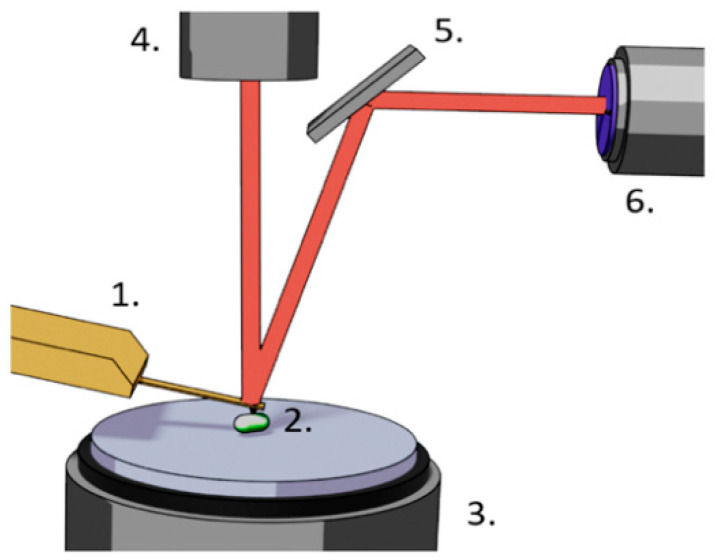
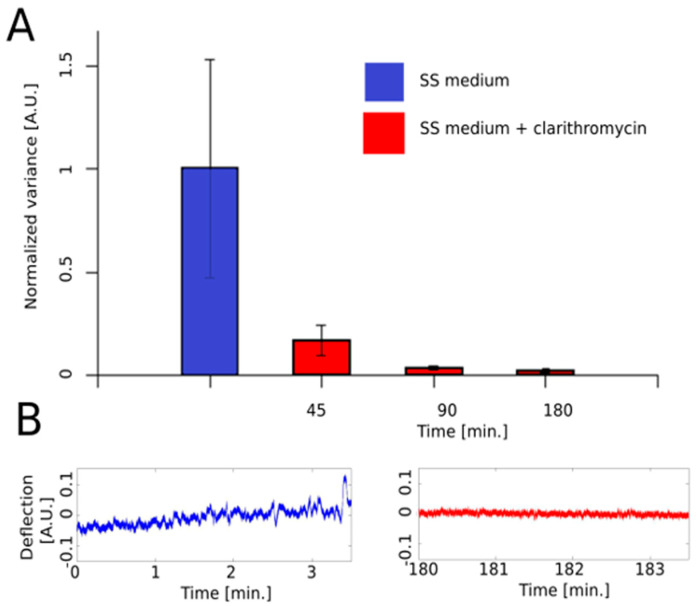
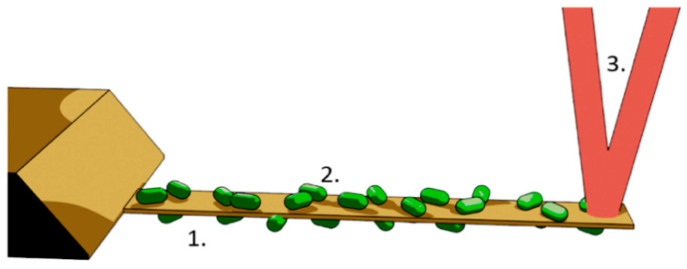
Rapid antibiotic susceptibility testing (AST) could play a major role in fighting multidrug-resistant bacteria. Recently, it was discovered that all living organisms oscillate in the range of nanometers and that these oscillations, referred to as nanomotion, stop as soon the organism dies. This finding led to the development of rapid AST techniques based on the monitoring of these oscillations upon exposure to antibiotics. In this review, we explain the working principle of this novel technique, compare the method with current ASTs, explore its application and give some advice about its implementation. As an illustrative example, we present the application of the technique to the slowly growing and pathogenic bacteria.
快速抗生素敏感性测试(AST)在对抗多重耐药菌方面可能发挥重要作用。最近,人们发现所有生物都在纳米范围内振荡,这些振荡被称为纳米运动,一旦生物死亡就会停止。这一发现促使基于监测暴露于抗生素时的这些振荡而开发出快速AST技术。在这篇综述中,我们解释了这种新技术的工作原理,将该方法与当前的AST进行比较,探讨其应用,并就其实施给出一些建议。作为一个说明性例子,我们展示了该技术在生长缓慢的致病细菌中的应用。