Berczeli Miklós, Weltsch Zoltán
Department of Innovative Vehicles and Materials, GAMF Faculty of Mechanical Engineering and Computer Science, John von Neumann University, Izsáki St. 10, 6000 Kecskemét, Hungary.
Polymers (Basel). 2021 Mar 15;13(6):901. doi: 10.3390/polym13060901.
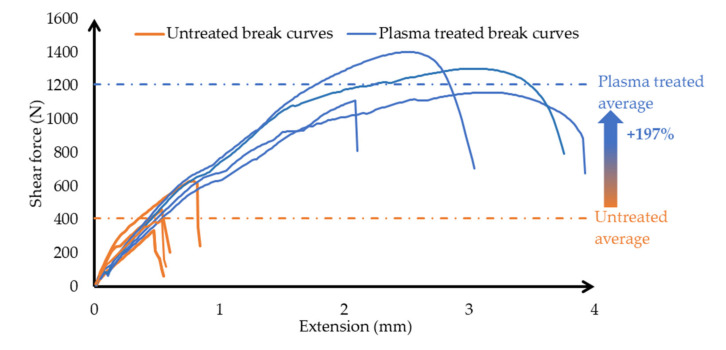
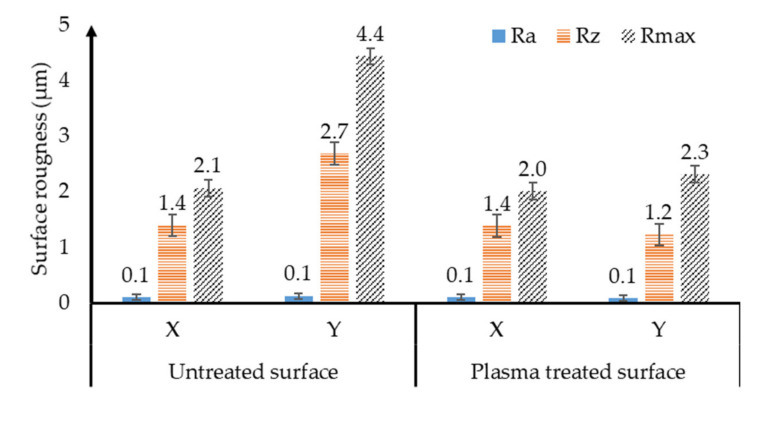
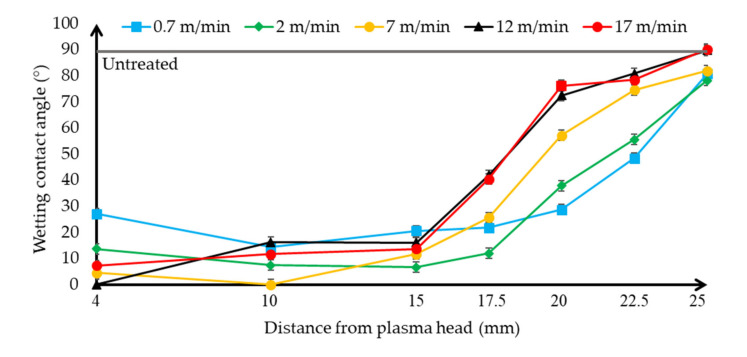
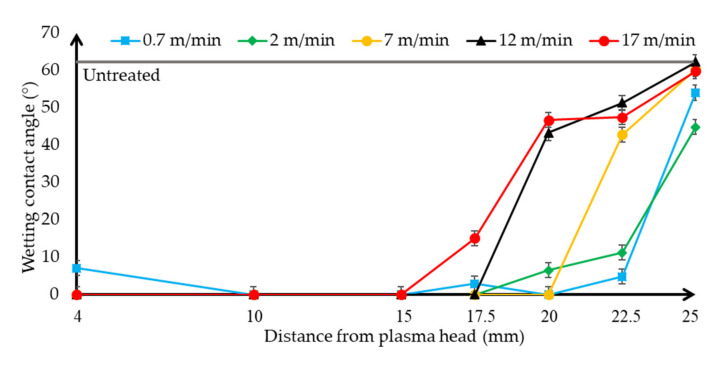
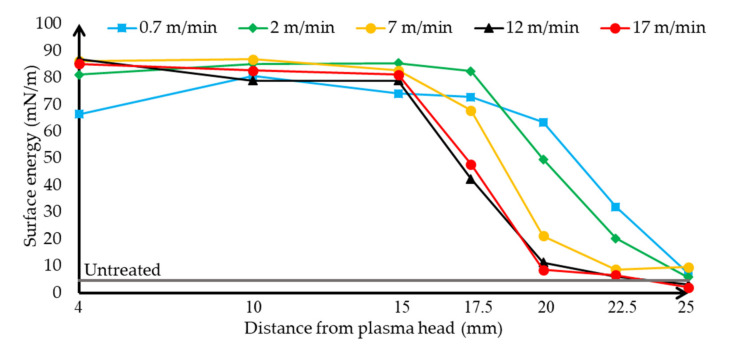
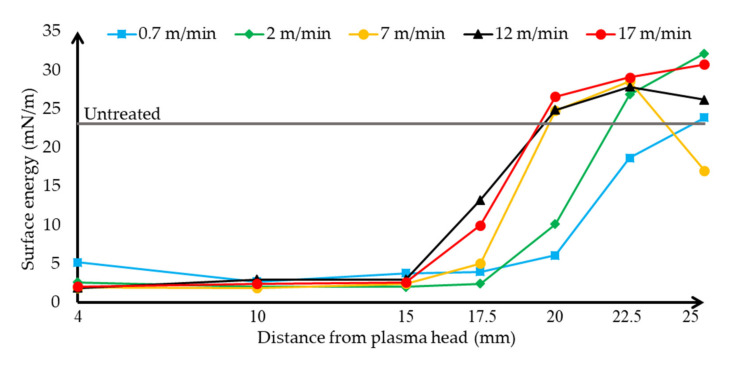
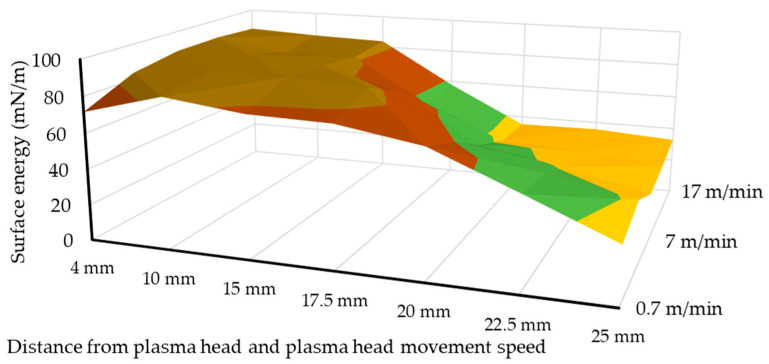
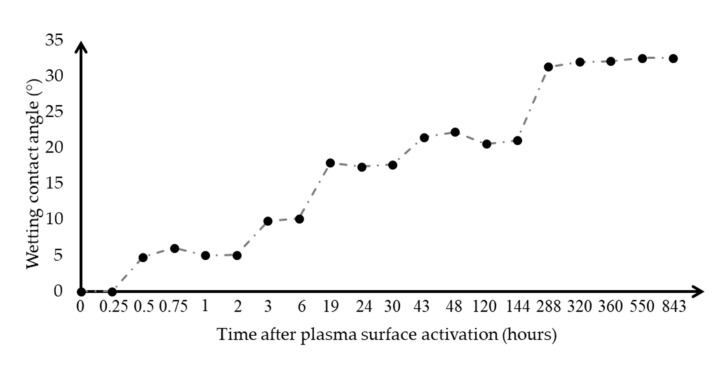
The development of bonding technology and coating technologies require the use of modern materials and topologies for the demanding effect and modification of their wetting properties. For the industry, a process modification process that can be integrated into a process is the atmospheric pressure of air operation plasma surface treatment. This can be classified and evaluated based on the wettability, which has a significant impact on the adhesive force. The aim is to improve the wetting properties and to find the relationship between plasma treatment parameters, wetting, and adhesion. High Impact PolyStyrene (HIPS) was used as an experimental material, and then the plasma treatment can be treated with various adjustable parameters. The effect of plasma parameters on surface roughness, wetting contact angle, and using Fowkes theory of the surface energy have been investigated. Seven different plasma jet treatment distances were tested, combined with 5 scan speeds. Samples with the best plasma parameters were prepared from 25 mm × 25 mm overlapping adhesive joints using acrylic/cyanoacrylate. The possibility of creating a completely hydrophilic surface was achieved, where the untreated wetting edge angle decreased from 88.2° to 0° for distilled water and from 62.7° to 0° in the case of ethylene glycol. The bonding strength of High Impact PolyStyrene was increased by plasma treatment by 297%.
粘结技术和涂层技术的发展需要使用现代材料和拓扑结构,以实现对其润湿性能的苛刻效果和改性。对于工业而言,一种可集成到工艺中的工艺改性方法是常压空气操作等离子体表面处理。这可以根据对粘附力有重大影响的润湿性进行分类和评估。目的是改善润湿性能,并找出等离子体处理参数、润湿性和粘附力之间的关系。使用高抗冲聚苯乙烯(HIPS)作为实验材料,然后可以用各种可调参数进行等离子体处理。研究了等离子体参数对表面粗糙度、润湿接触角以及使用Fowkes表面能理论的影响。测试了七种不同的等离子体射流处理距离,并结合5种扫描速度。使用丙烯酸/氰基丙烯酸酯从25 mm×25 mm重叠粘结接头制备具有最佳等离子体参数的样品。实现了创建完全亲水表面的可能性,对于蒸馏水,未处理时的润湿边缘角从88.2°降至0°,对于乙二醇,从62.7°降至0°。通过等离子体处理,高抗冲聚苯乙烯的粘结强度提高了297%。