Siddiqui Manaal, Abdellatif Basma, Zhai Kevin, Liskova Alena, Kubatka Peter, Büsselberg Dietrich
Weill Cornell Medicine-Qatar, Education City, Qatar Foundation, Doha 24144, Qatar.
Department of Obstetrics and Gynecology, Jessenius Faculty of Medicine, Comenius University in Bratislava, 036 01 Martin, Slovakia.
Cancers (Basel). 2021 Mar 29;13(7):1576. doi: 10.3390/cancers13071576.
This study aimed to assess the potential of flavonoids in combating CIPN.
PubMed and Google Scholar were used, and studies that investigated flavonoids in models of CIPN and models of neuropathic pain similar to CIPN were included. Only studies investigating peripheral mechanisms of CIPN were used.
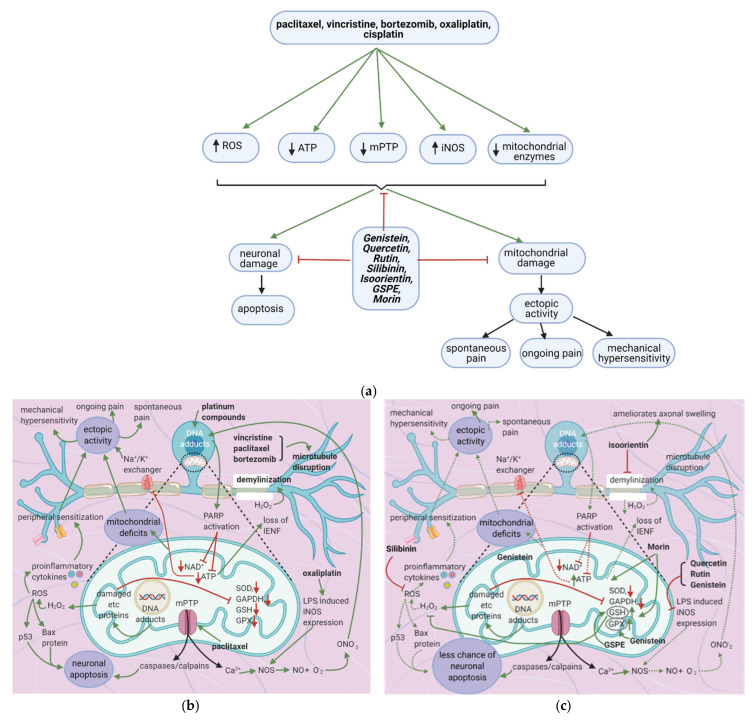
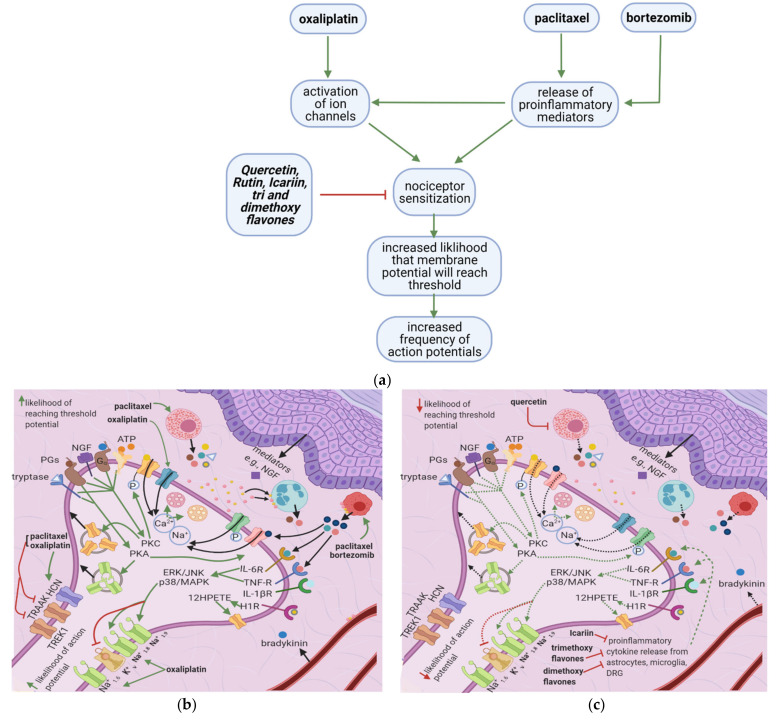
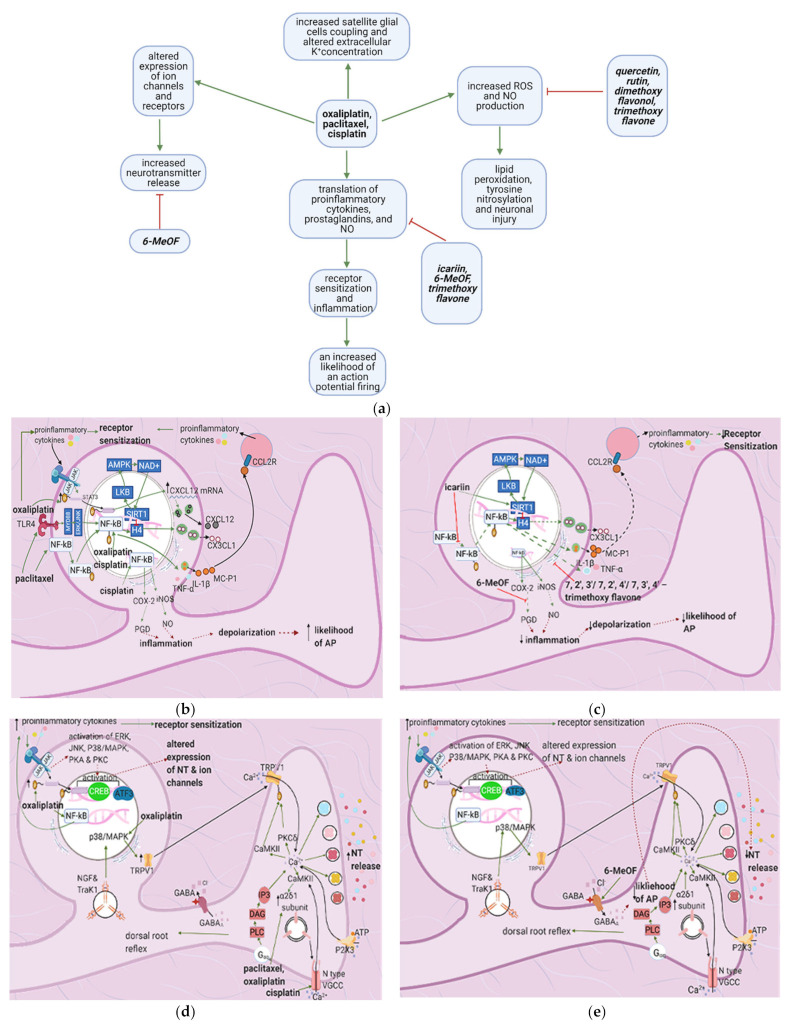
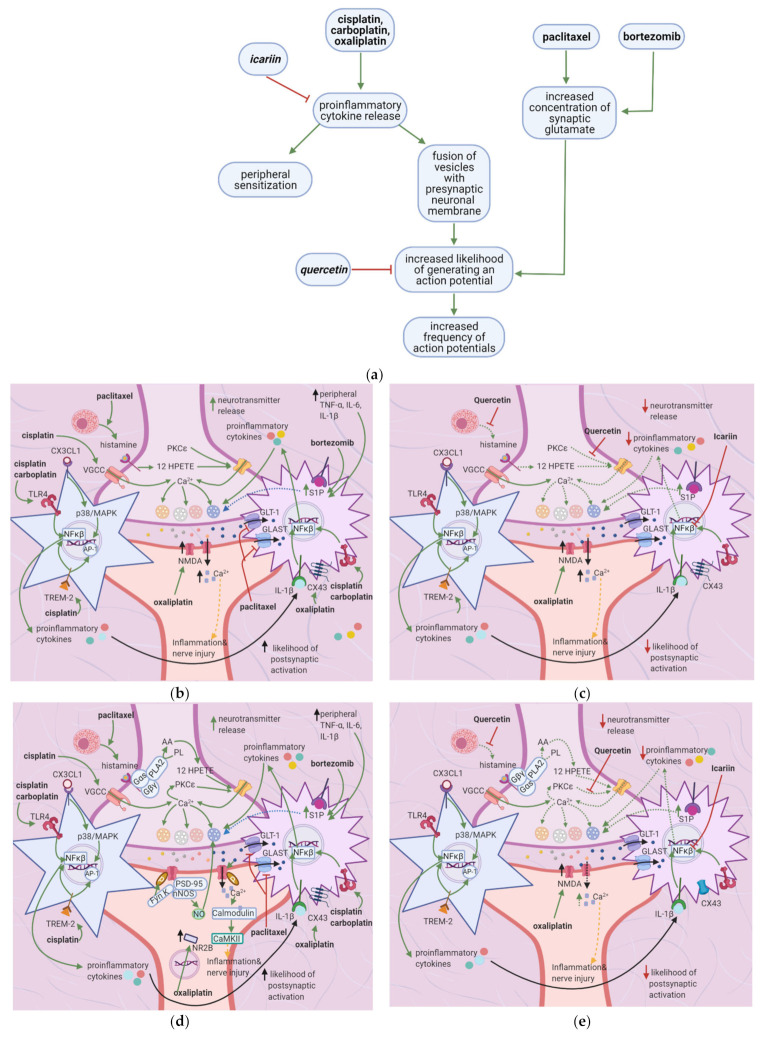
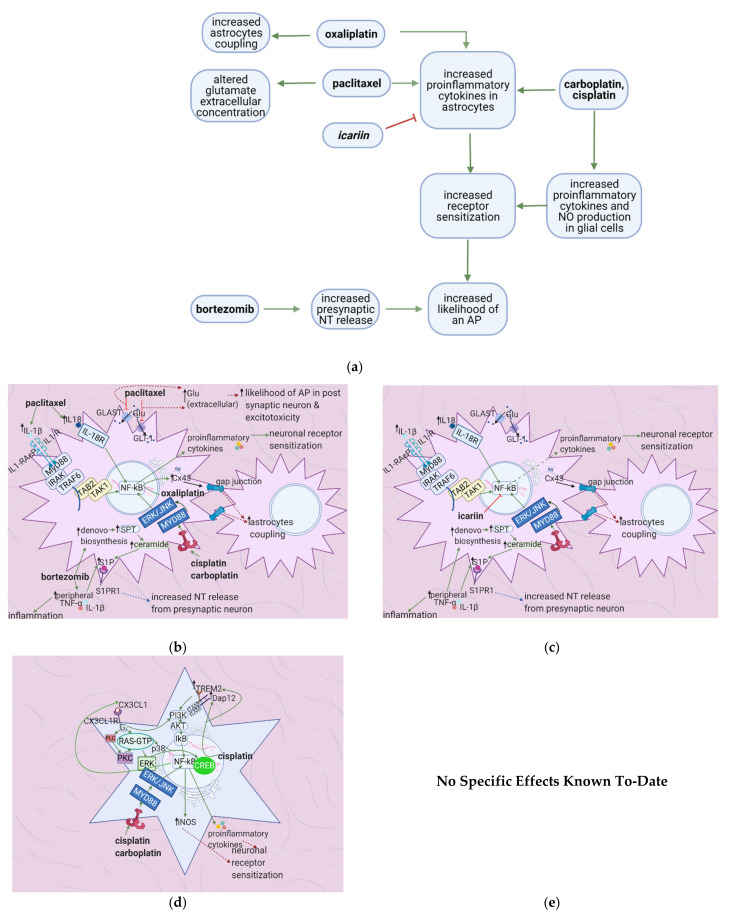
Flavonoids inhibit several essential mechanisms of CIPN, such as proinflammatory cytokine release, astrocyte and microglial activation, oxidative stress, neuronal damage and apoptosis, mitochondrial damage, ectopic discharge, and ion channel activation. They decreased the severity of certain CIPN symptoms, such as thermal hyperalgesia and mechanical, tactile, and cold allodynia.
Flavonoids hold immense promise in treating CIPN; thus, future research should investigate their effects in humans. Specifically, precise pharmacological mechanisms and side effects need to be elucidated in human models before clinical benefits can be achieved.
本研究旨在评估黄酮类化合物对抗化疗引起的周围神经病变(CIPN)的潜力。
使用了PubMed和谷歌学术,纳入了在CIPN模型以及与CIPN相似的神经性疼痛模型中研究黄酮类化合物的研究。仅使用了研究CIPN外周机制的研究。
黄酮类化合物抑制CIPN的几种关键机制,如促炎细胞因子释放、星形胶质细胞和小胶质细胞激活、氧化应激、神经元损伤和凋亡、线粒体损伤、异位放电以及离子通道激活。它们减轻了某些CIPN症状的严重程度,如热痛觉过敏以及机械性、触觉性和冷觉异常性疼痛。
黄酮类化合物在治疗CIPN方面具有巨大潜力;因此,未来的研究应调查它们在人体中的作用。具体而言,在获得临床益处之前,需要在人体模型中阐明精确的药理机制和副作用。