Wang Tian-Yang, Li Qing, Bi Kai-Shun
School of Pharmacy, Shenyang Pharmaceutical University, 103 Wenhua Road, Shenyang 110016, China.
Asian J Pharm Sci. 2018 Jan;13(1):12-23. doi: 10.1016/j.ajps.2017.08.004. Epub 2017 Aug 15.
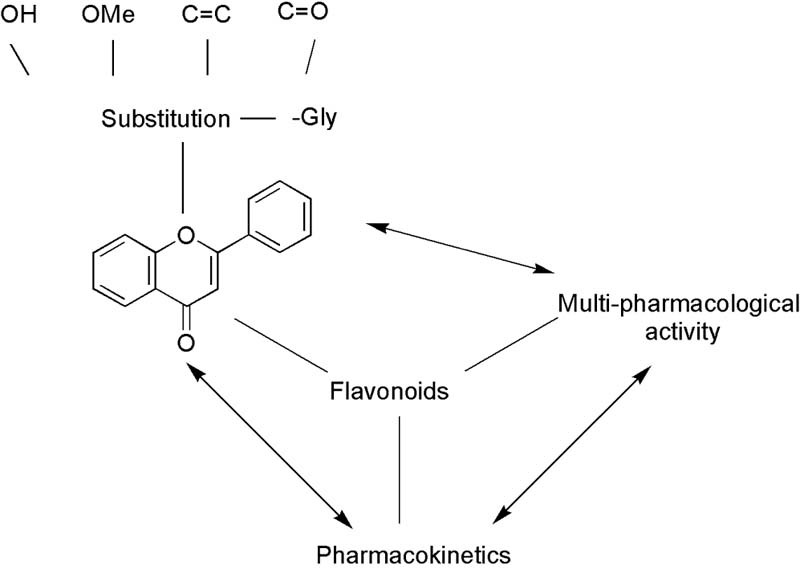
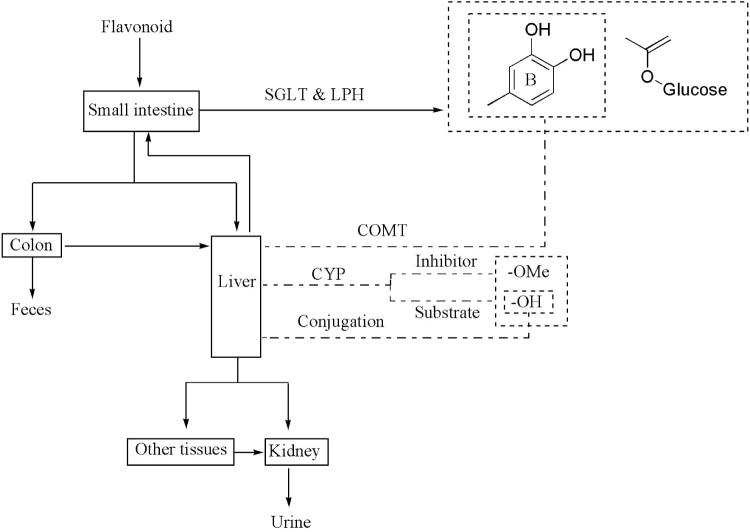
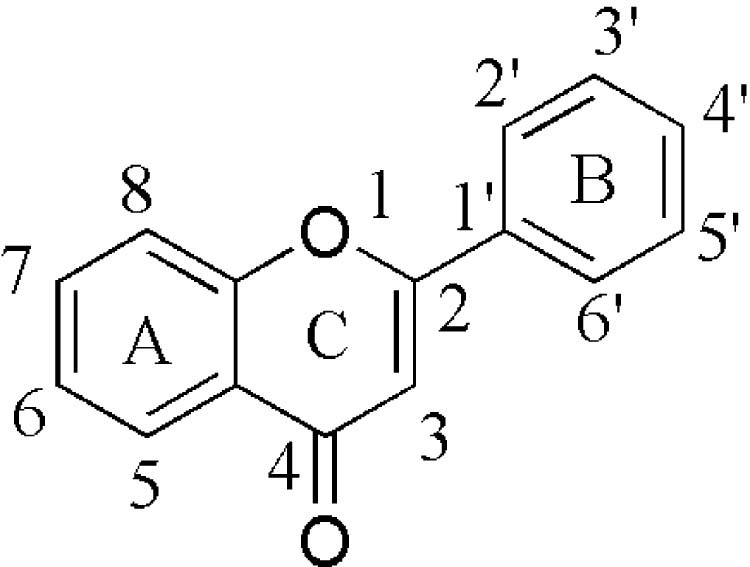
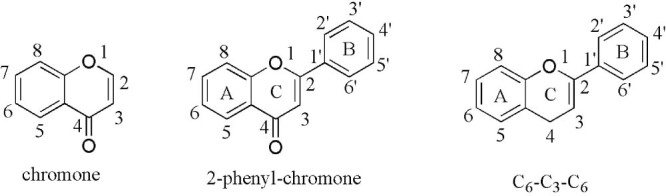
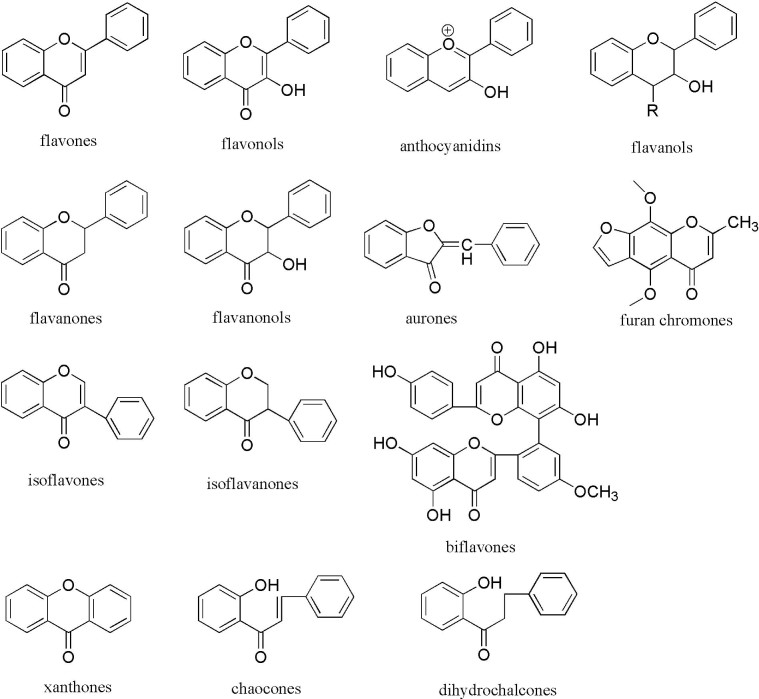
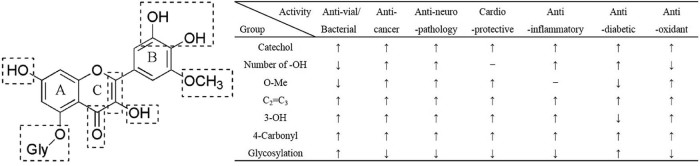
Flavonoids, a class of polyphenol secondary metabolites, are presented broadly in plants and diets. They are believed to have various bioactive effects including anti-viral, anti-inflammatory, cardioprotective, anti-diabetic, anti-cancer, anti-aging, etc. Their basic structures consist of C-C-C rings with different substitution patterns to produce a series of subclass compounds, and correlations between chemical structures and bioactivities have been studied before. Given their poor bioavailability, however, information about associations between structure and biological fate is limited and urgently needed. This review therefore attempts to bring some order into relationships between structure, activity as well as pharmacokinetics of bioactive flavonoids.
黄酮类化合物是一类多酚次生代谢产物,广泛存在于植物和日常饮食中。人们认为它们具有多种生物活性作用,包括抗病毒、抗炎、心脏保护、抗糖尿病、抗癌、抗衰老等。它们的基本结构由具有不同取代模式的C-C-C环组成,可产生一系列亚类化合物,之前已经对化学结构与生物活性之间的相关性进行了研究。然而,由于它们的生物利用度较差,关于结构与生物命运之间关联的信息有限且迫切需要。因此,本综述试图梳理生物活性黄酮类化合物的结构、活性以及药代动力学之间的关系。