Research Chair of Pervasive and Mobile Computing, Department of Information Systems, College of Computer and Information Sciences, King Saud University, Riyadh 11543, Saudi Arabia.
Information Systems Department, College of Computer and Information Sciences, King Saud University, Riyadh 11543, Saudi Arabia.
Sensors (Basel). 2021 Mar 4;21(5):1759. doi: 10.3390/s21051759.
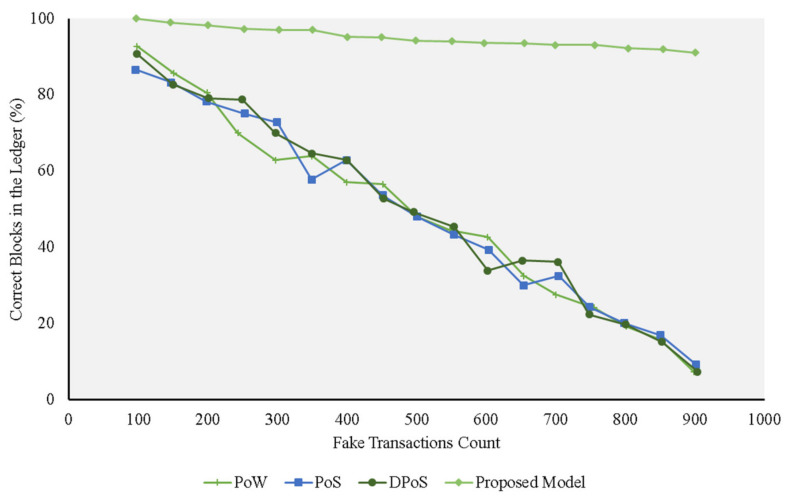
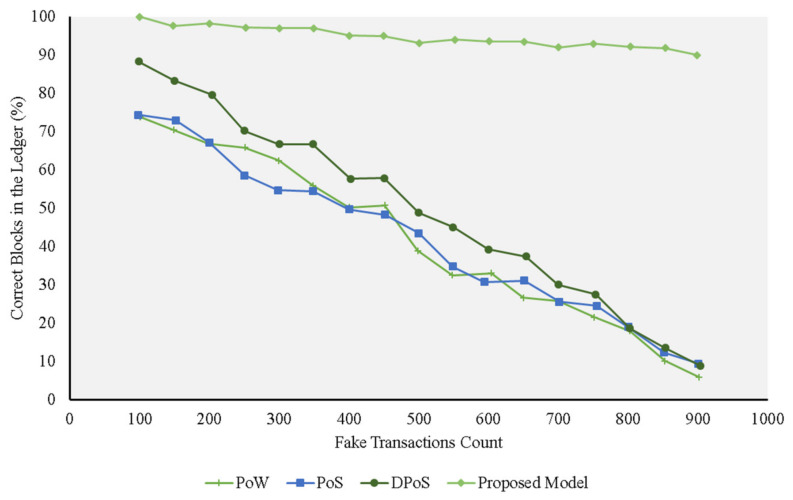
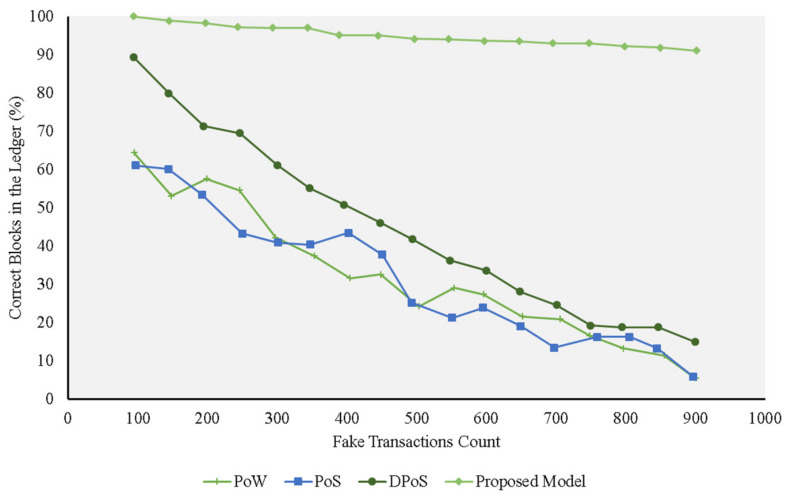
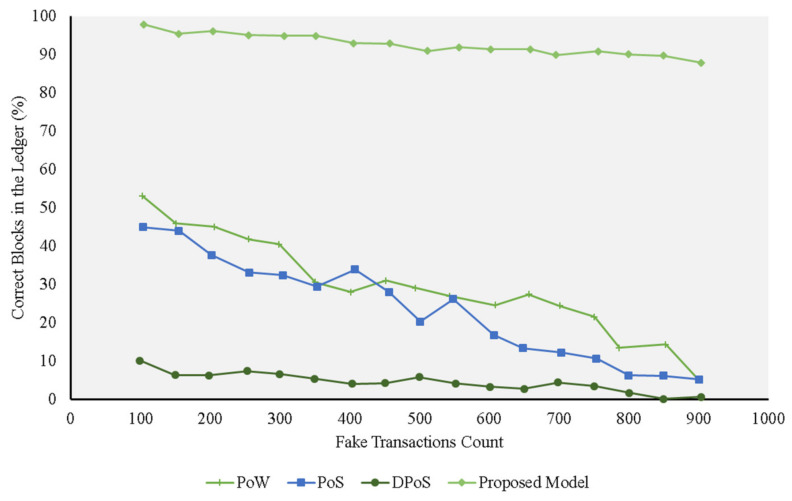
Accurate data and strategic business processes are crucial to all parties in a supply chain system. However, the absence of mutual trust can create a barrier to implementation. Several studies have shown that supply chains face challenges arising from a lack of trust with respect to the sharing of data. How well each party trusts the data they receive can have a profound influence on management decisions. Blockchain technology has been widely used to process cryptocurrency transactions. Recently, it has also proved to be effective in creating trust in the Internet of things (IoT) domain. Blockchain technology can facilitate mutual trust between parties who would otherwise have been doubtful of each other's data, allowing for more effective and secure sharing of data. However, if the blockchain is not IoT-optimized, companies can experience significant delays and the need for extensive computational capacity. Moreover, there are still some limitations regarding the consensus between the nodes in the traditional consensus approaches. Here, we propose an alternative approach to creating trust in supply chains with diverse IoT elements. Our streamlined trust model simplifies data sharing and reduces computational, storage, and latency requirements while increasing the security of the IoT-based supply chain management. We evaluate the suggested model using simulations and highlight its viability.
准确的数据和战略业务流程对供应链系统中的所有各方都至关重要。然而,缺乏相互信任会成为实施的障碍。有几项研究表明,供应链面临着由于缺乏数据共享信任而产生的挑战。每个参与方对其收到的数据的信任程度如何,会对管理决策产生深远的影响。区块链技术已被广泛用于处理加密货币交易。最近,它在物联网(IoT)领域建立信任方面也证明是有效的。区块链技术可以促进原本相互怀疑对方数据的各方之间的相互信任,从而更有效地安全地共享数据。然而,如果区块链没有针对物联网进行优化,公司可能会经历显著的延迟和对大量计算能力的需求。此外,在传统共识方法中,节点之间的共识仍然存在一些限制。在这里,我们提出了一种在具有多种物联网元素的供应链中建立信任的替代方法。我们的简化信任模型简化了数据共享,并降低了计算、存储和延迟要求,同时提高了基于物联网的供应链管理的安全性。我们使用模拟评估了所提出的模型,并强调了其可行性。