The Laboratory of Complex Human Activity and Participation (CHAP), Department of Occupational Therapy, University of Haifa, Haifa 3498838, Israel.
Department of Industrial Engineering, Jerusalem College of Technology, Jerusalem 93721, Israel.
Sensors (Basel). 2021 Mar 4;21(5):1788. doi: 10.3390/s21051788.
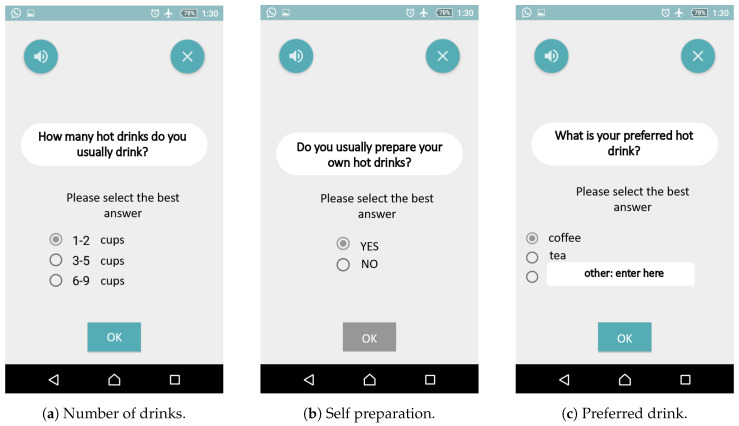
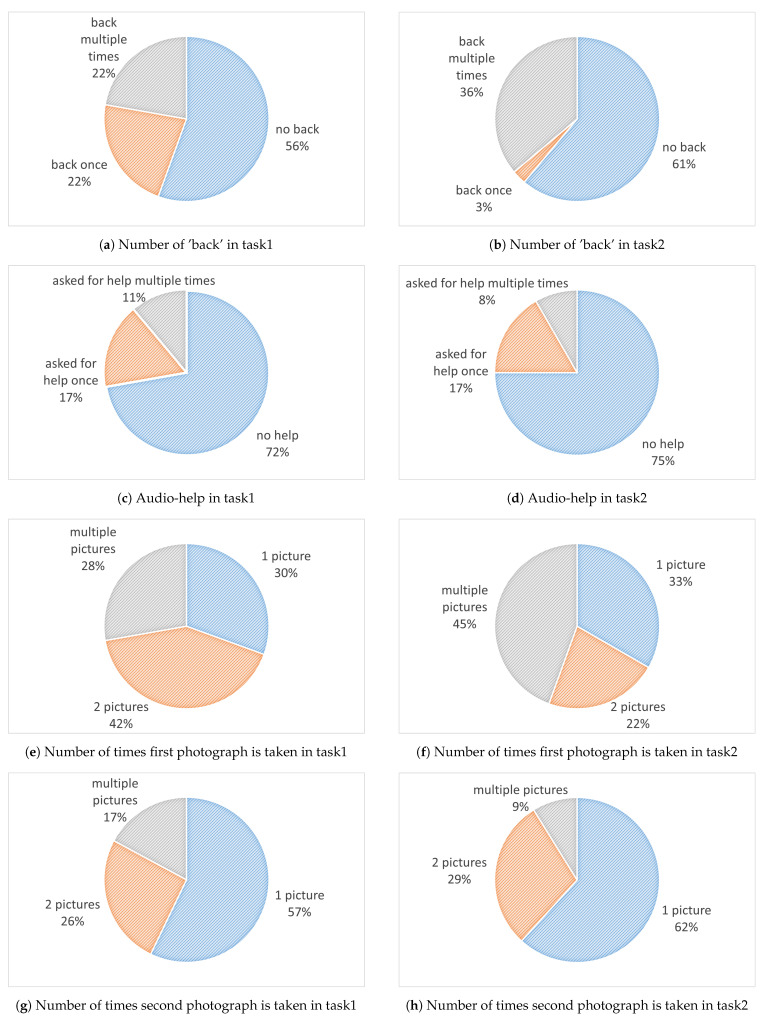
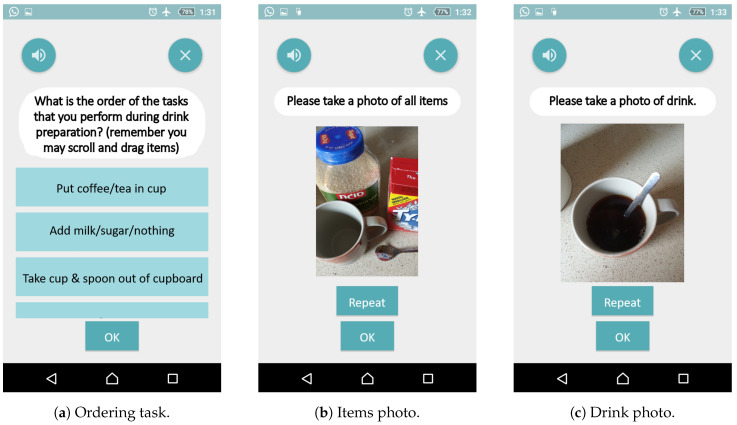
Parkinson's disease (PD) is the second most common progressive neurodegenerative disorder affecting patient functioning and quality of life. Aside from the motor symptoms of PD, cognitive impairment may occur at early stages of PD and has a substantial impact on patient emotional and physical health. Detecting these early signs through actual daily functioning while the patient is still functionally independent is challenging. We developed DailyCog-a smartphone application for the detection of mild cognitive impairment. DailyCog includes an environment that simulates daily tasks, such as making a drink and shopping, as well as a self-report questionnaire related to daily events performed at home requiring executive functions and visual-spatial abilities, and psychomotor speed. We present the detailed design of DailyCog and discuss various considerations that influenced the design. We tested DailyCog on patients with mild cognitive impairment in PD. Our case study demonstrates how the markers we used coincide with the cognitive levels of the users. We present the outcome of our usability study that found that most users were able to use our app with ease, and provide details on how various features were used, along with some of the difficulties that were identified.
帕金森病(PD)是影响患者功能和生活质量的第二大常见进行性神经退行性疾病。除了 PD 的运动症状外,认知障碍可能在 PD 的早期阶段发生,对患者的情绪和身体健康有重大影响。在患者仍然具有独立功能的情况下,通过实际的日常功能检测到这些早期迹象具有挑战性。我们开发了一款名为 DailyCog 的智能手机应用程序,用于检测轻度认知障碍。DailyCog 包括一个模拟日常任务的环境,例如制作饮料和购物,以及一个与在家中执行需要执行功能和视觉空间能力以及心理运动速度的日常事件相关的自我报告问卷。我们介绍了 DailyCog 的详细设计,并讨论了影响设计的各种因素。我们在 PD 轻度认知障碍患者中测试了 DailyCog。我们的案例研究表明,我们使用的标志物如何与用户的认知水平相吻合。我们介绍了我们的可用性研究的结果,发现大多数用户都能够轻松使用我们的应用程序,并详细介绍了各种功能的使用情况,以及确定的一些困难。