Rinaldi Sara, Caselli Maria Cristina, Cofelice Valentina, D'Amico Simonetta, De Cagno Anna Giulia, Della Corte Giuseppina, Di Martino Maria Valeria, Di Costanzo Brigida, Levorato Maria Chiara, Penge Roberta, Rossetto Tiziana, Sansavini Alessandra, Vecchi Simona, Zoccolotti Pierluigi
Developmental Neurorehabilitation Service, UOC Infancy, Adolescence, Family Counseling, AULSS 6 Euganea-Padua Bacchiglione District, Via Dei Colli 4/6, 35143 Padua, Italy.
Federazione Logopedisti Italiani, Via Daniello Bartoli, 00152 Rome, Italy.
Brain Sci. 2021 Mar 23;11(3):407. doi: 10.3390/brainsci11030407.
Language disorder is the most frequent developmental disorder in childhood and it has a significant negative impact on children's development. The goal of the present review was to systematically analyze the effectiveness of interventions in children with developmental language disorder (DLD) from an evidence-based perspective.
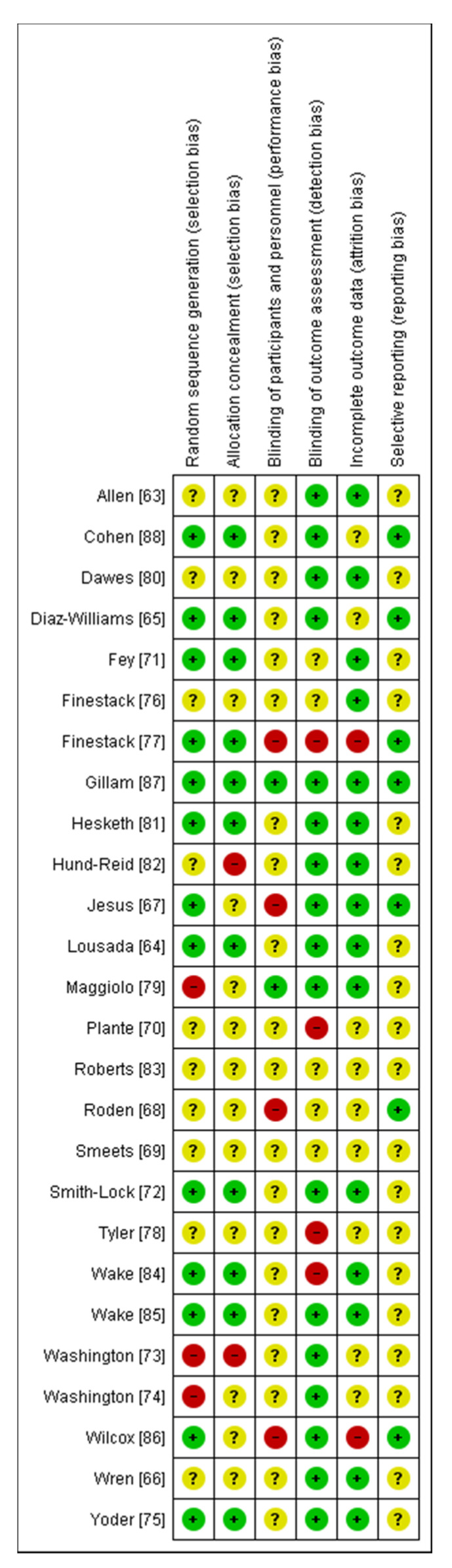
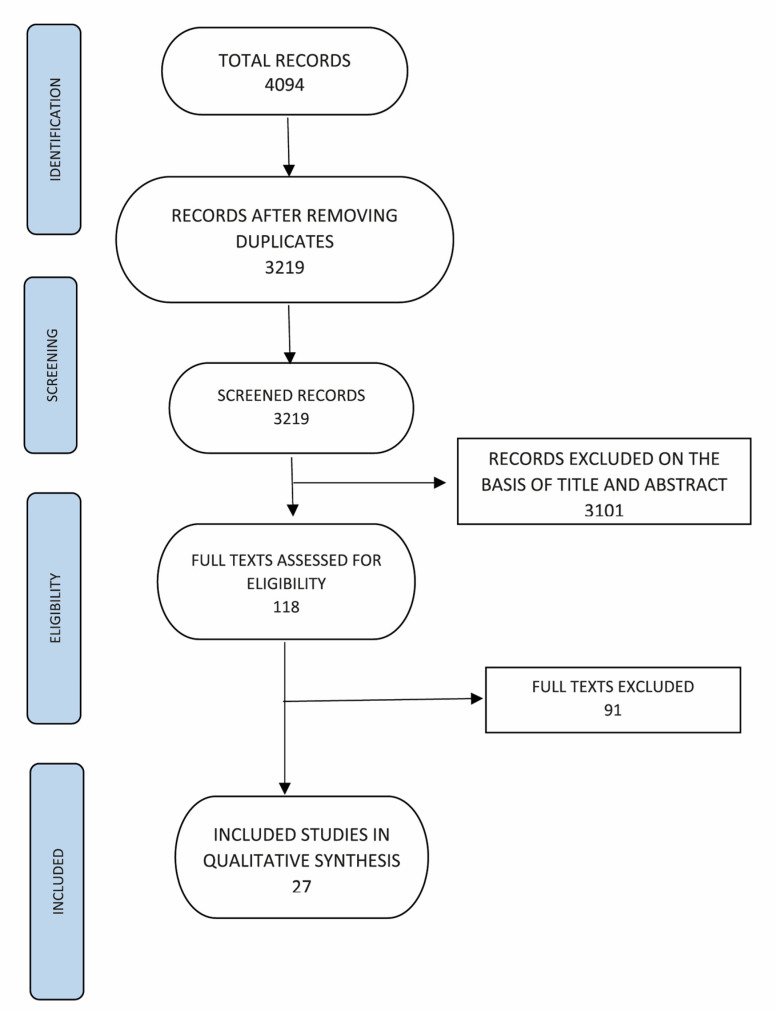
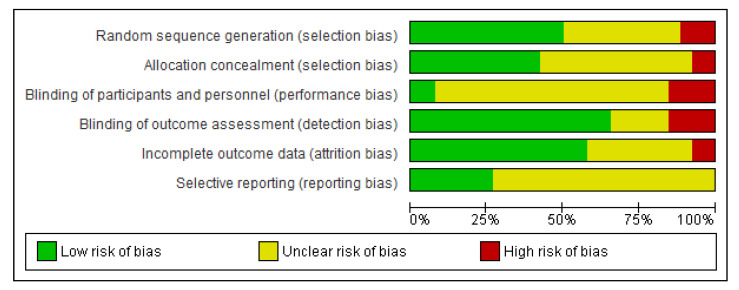
We considered systematic reviews, meta-analyses of randomized controlled trials (RCTs), control group cohort studies on any type of intervention aimed at improving children's skills in the phono-articulatory, phonological, semantic-lexical, and morpho-syntactic fields in preschool and primary school children (up to eight years of age) that were diagnosed with DLD. We identified 27 full-length studies, 26 RCT and one review.
Early intensive intervention in three- and four-year-old children has a positive effect on phonological expressive and receptive skills and acquisitions are maintained in the medium term. Less evidence is available on the treatment of expressive vocabulary (and no evidence on receptive vocabulary). Intervention on morphological and syntactic skills has effective results on expressive (but not receptive) skills; however, a number of inconsistent results have also been reported. Only one study reports a positive effect of treatment on inferential narrative skills. Limited evidence is also available on the treatment of meta-phonological skills. More studies investigated the effectiveness of interventions on general language skills, which now appears as a promising area of investigation, even though results are not all consistent.
The effectiveness of interventions over expressive and receptive phonological skills, morpho-syntactic skills, as well as inferential skills in narrative context underscores the importance that these trainings be implemented in children with DLD.
语言障碍是儿童时期最常见的发育障碍,对儿童的发育有重大负面影响。本综述的目的是从循证角度系统分析发育性语言障碍(DLD)儿童干预措施的有效性。
我们纳入了系统评价、随机对照试验(RCT)的荟萃分析、针对已诊断为DLD的学前和小学儿童(8岁以下)在语音发音、音系、语义词汇和形态句法领域提高儿童技能的任何类型干预措施的对照组队列研究。我们确定了27项完整研究,26项RCT和1项综述。
对3岁和4岁儿童进行早期强化干预对语音表达和接受技能有积极影响,且中期能保持习得成果。关于表达性词汇治疗的证据较少(接受性词汇方面无证据)。对形态和句法技能的干预对表达性(而非接受性)技能有有效结果;然而,也有一些不一致的结果报道。只有一项研究报告了治疗对推理叙事技能有积极影响。关于元音系技能治疗的证据也有限。更多研究调查了干预对一般语言技能的有效性,尽管结果并非都一致,但这现在似乎是一个有前景的研究领域。
干预措施在表达性和接受性语音技能、形态句法技能以及叙事语境中的推理技能方面的有效性强调了对DLD儿童实施这些训练的重要性。