Department of Biological Chemistry, The Alexander Silberman Institute of Life Sciences, The Hebrew University of Jerusalem, Edmond J. Safra Campus Givat-Ram, Jerusalem 91904, Israel.
Viruses. 2021 Mar 23;13(3):532. doi: 10.3390/v13030532.
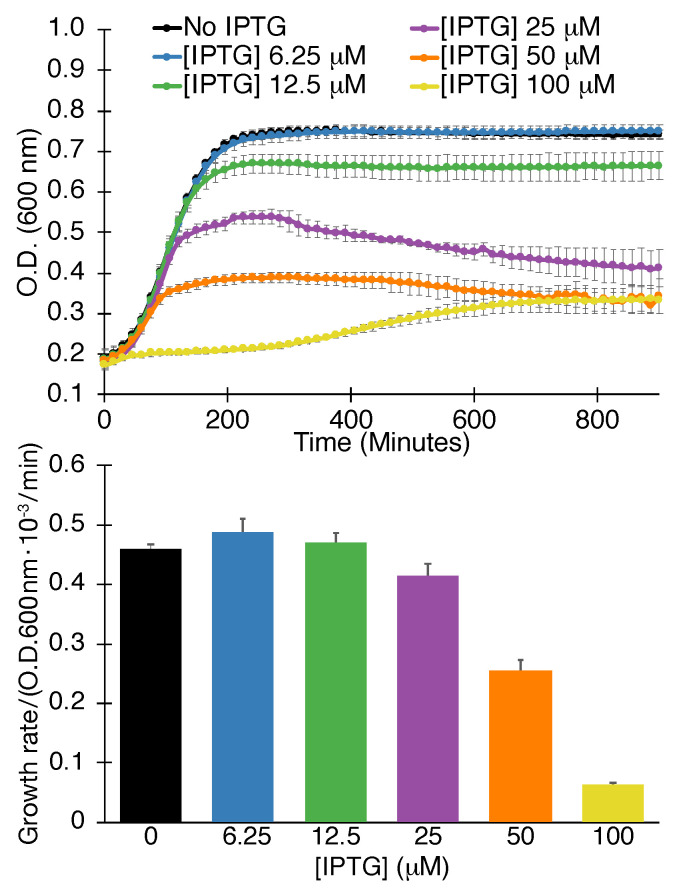
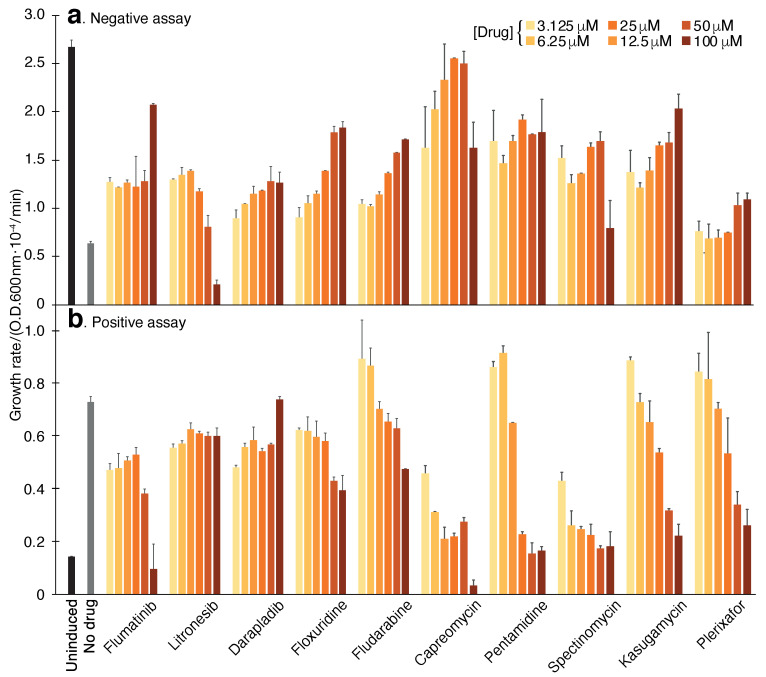
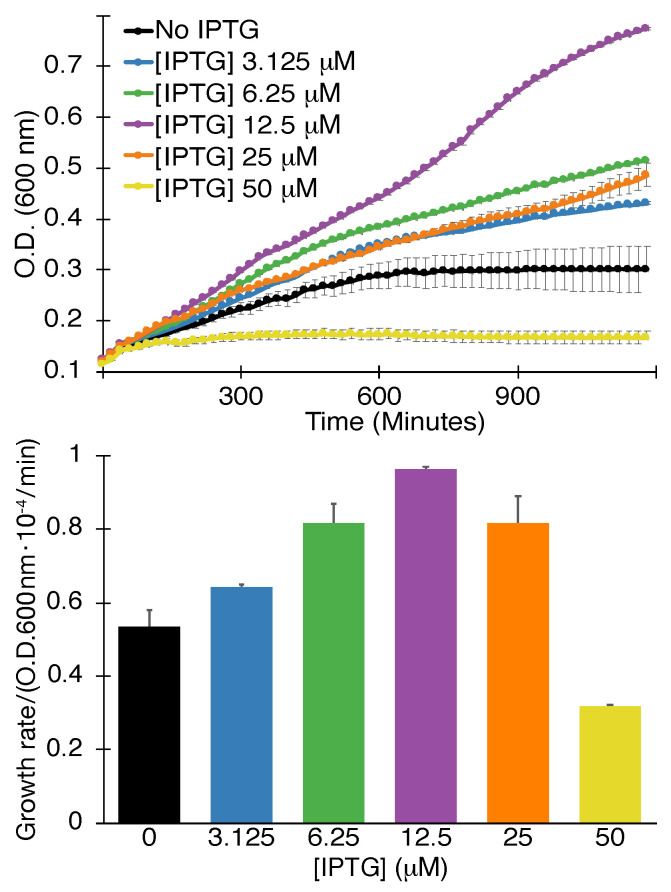
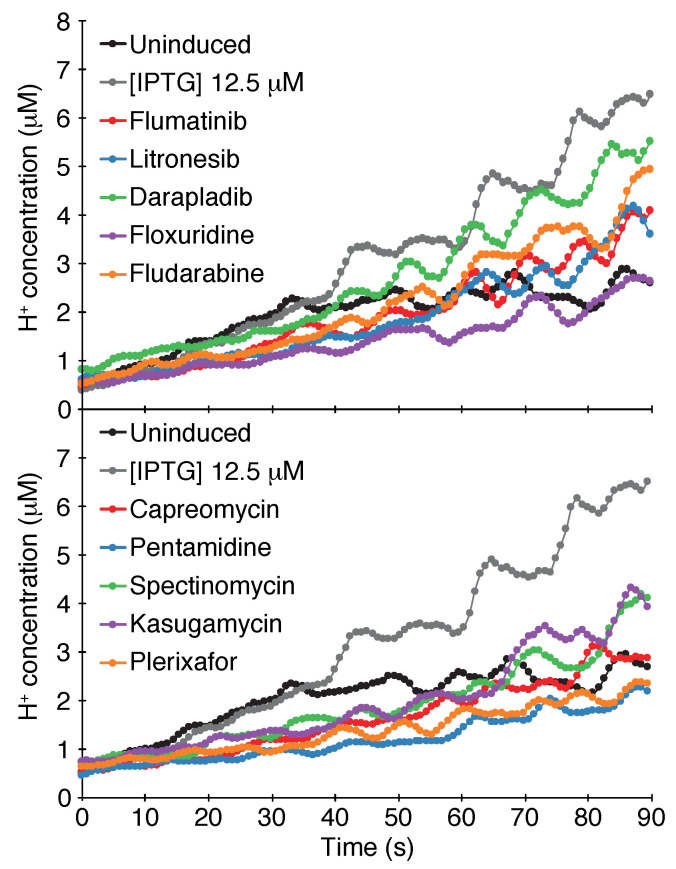
The etiological agent of the COVID-19 pandemic is SARS-CoV-2. As a member of the Coronaviridae, the enveloped pathogen has several membrane proteins, of which two, E and 3a, were suggested to function as ion channels. In an effort to increase our treatment options, alongside providing new research tools, we have sought to inhibit the 3a channel by targeted drug repurposing. To that end, using three bacteria-based assays, we screened a library of 2839 approved-for-human-use drugs and identified the following potential channel-blockers: Capreomycin, Pentamidine, Spectinomycin, Kasugamycin, Plerixafor, Flumatinib, Litronesib, Darapladib, Floxuridine and Fludarabine. The stage is now set for examining the activity of these compounds in detailed electrophysiological studies and their impact on the whole virus with appropriate biosafety measures.
COVID-19 大流行的病原体是 SARS-CoV-2。作为冠状病毒科的一员,这种包膜病原体有几种膜蛋白,其中两种,E 和 3a,被认为具有离子通道的功能。为了增加我们的治疗选择,并提供新的研究工具,我们试图通过靶向药物再利用来抑制 3a 通道。为此,我们使用三种基于细菌的测定方法,筛选了一个包含 2839 种已批准用于人体的药物的文库,并确定了以下潜在的通道阻滞剂:卷曲霉素、戊烷脒、大观霉素、井冈霉素、普乐沙福、氟马替尼、利妥昔单抗、达拉匹林、氟尿嘧啶和氟达拉滨。现在,我们已经准备好通过适当的生物安全措施,在详细的电生理研究中检查这些化合物的活性及其对整个病毒的影响。