Univ. Grenoble Alpes, CEA, LETI, F-38000 Grenoble, France.
ENEA CR-Portici, TERIN-FSD Department, P.le E. Fermi 1, 80055 Portici, Italy.
Sensors (Basel). 2021 Mar 5;21(5):1802. doi: 10.3390/s21051802.
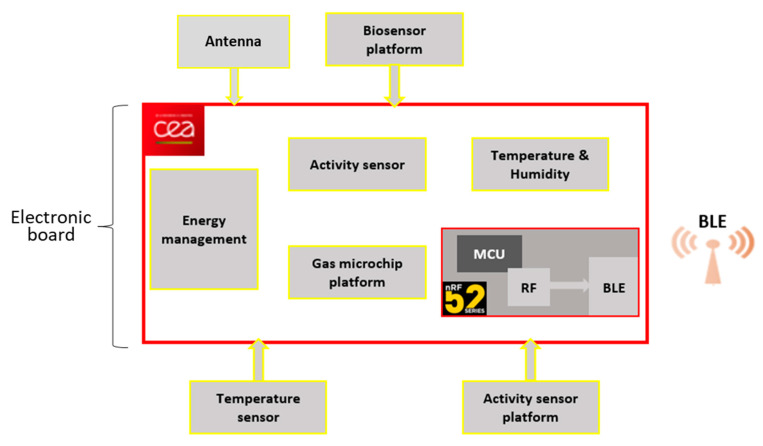
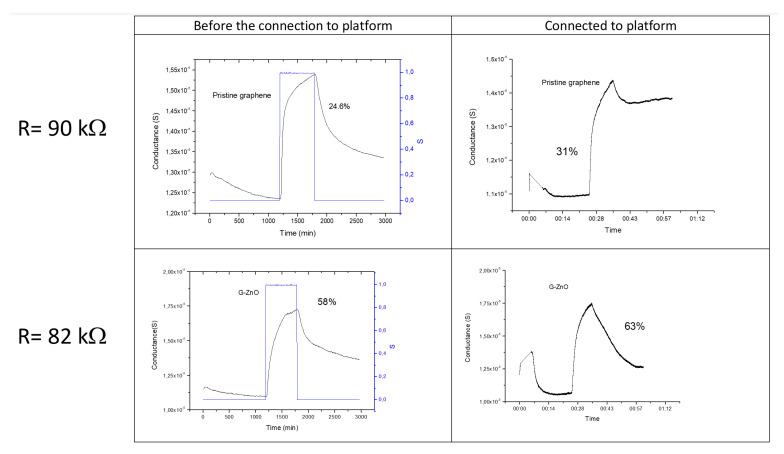
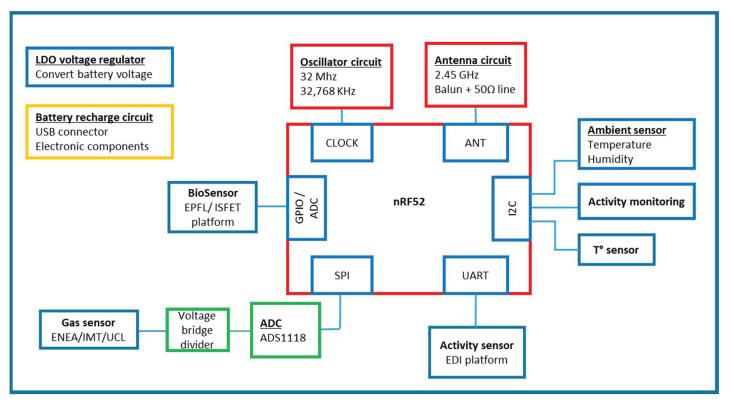
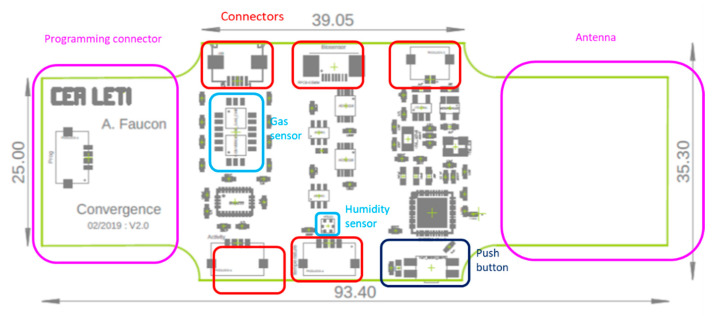
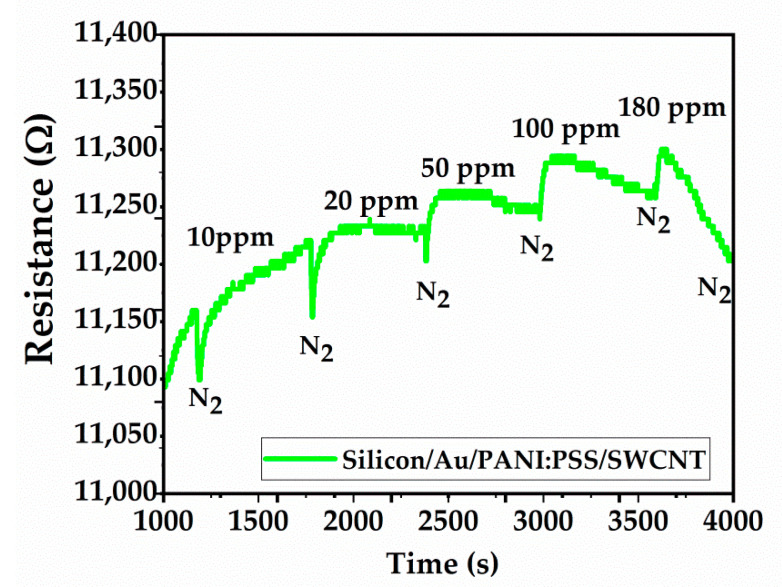
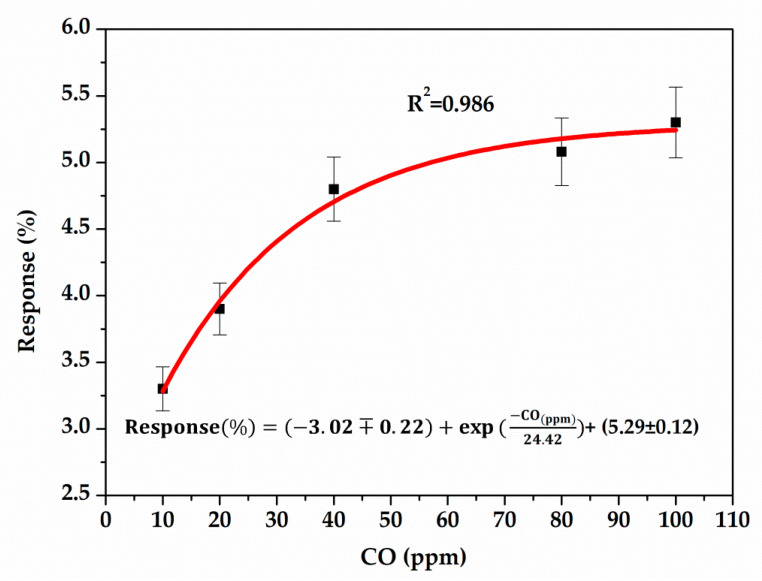
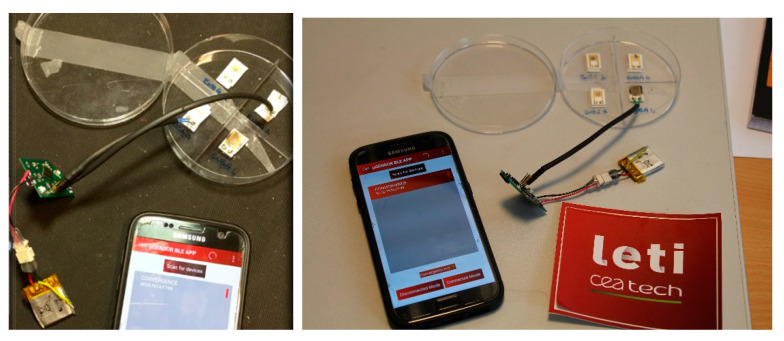
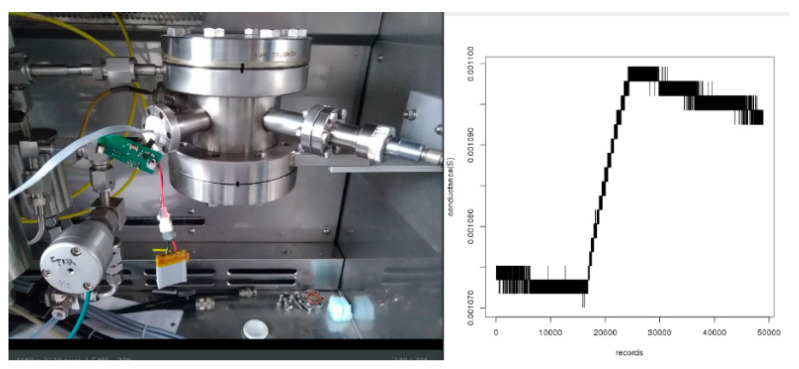
The low-power sensing platform proposed by the Convergence project is foreseen as a wireless, low-power and multifunctional wearable system empowered by energy-efficient technologies. This will allow meeting the strict demands of life-style and healthcare applications in terms of autonomy for quasi-continuous collection of data for early-detection strategies. The system is compatible with different kinds of sensors, able to monitor not only health indicators of individual person (physical activity, core body temperature and biomarkers) but also the environment with chemical composition of the ambient air (NO, CO, NH particles) returning meaningful information on his/her exposure to dangerous (safety) or pollutant agents. In this article, we introduce the specifications and the design of the low-power sensing platform and the different sensors developed in the project, with a particular focus on pollutant sensing capabilities and specifically on NO sensor based on graphene and CO sensor based on polyaniline ink.
融合项目提出的低功耗感应平台有望成为一种无线、低功耗、多功能的可穿戴系统,其功能由节能技术提供。这将满足生活方式和医疗保健应用在自主性方面的严格要求,实现对数据的准连续采集,以用于早期检测策略。该系统与多种类型的传感器兼容,不仅能够监测个体的健康指标(身体活动、核心体温和生物标志物),还能够监测环境中的化学组成(NO、CO、NH 颗粒),为其接触危险(安全)或污染物的情况提供有意义的信息。在本文中,我们介绍了低功耗感应平台的规格和设计,以及项目中开发的不同传感器,特别关注了污染物感应能力,具体介绍了基于石墨烯的 NO 传感器和基于聚苯胺墨水的 CO 传感器。