Meng Li, Coleman Verena, Zhao Yu, Ost Mario, Voigt Anja, Bunschoten Annelies, Keijer Jaap, Teerds Katja, Klaus Susanne
National Engineering Research Center for Breeding Swine Industry, College of Animal Science, South China Agricultural University, Guangzhou 510642, China.
Human and Animal Physiology, Wageningen University, De Elst 1, 6708 WD Wageningen, The Netherlands.
Int J Mol Sci. 2021 Mar 30;22(7):3557. doi: 10.3390/ijms22073557.
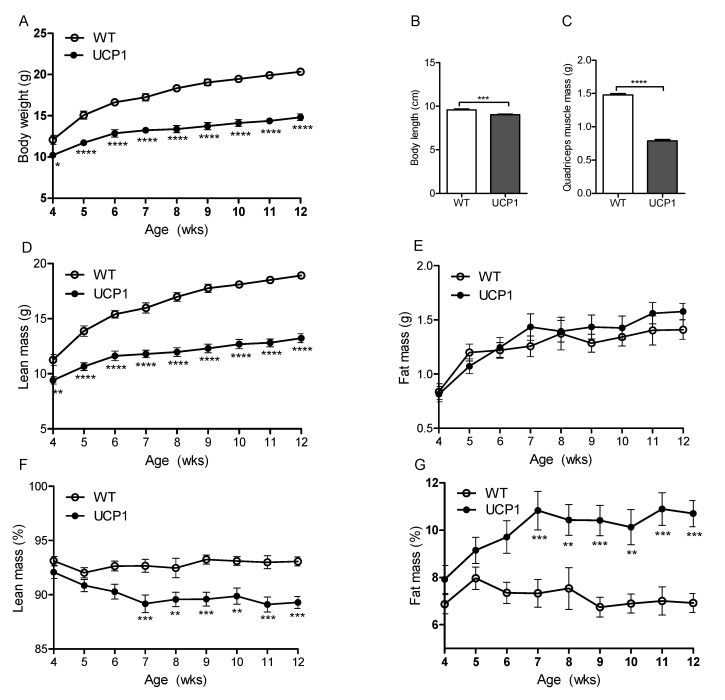
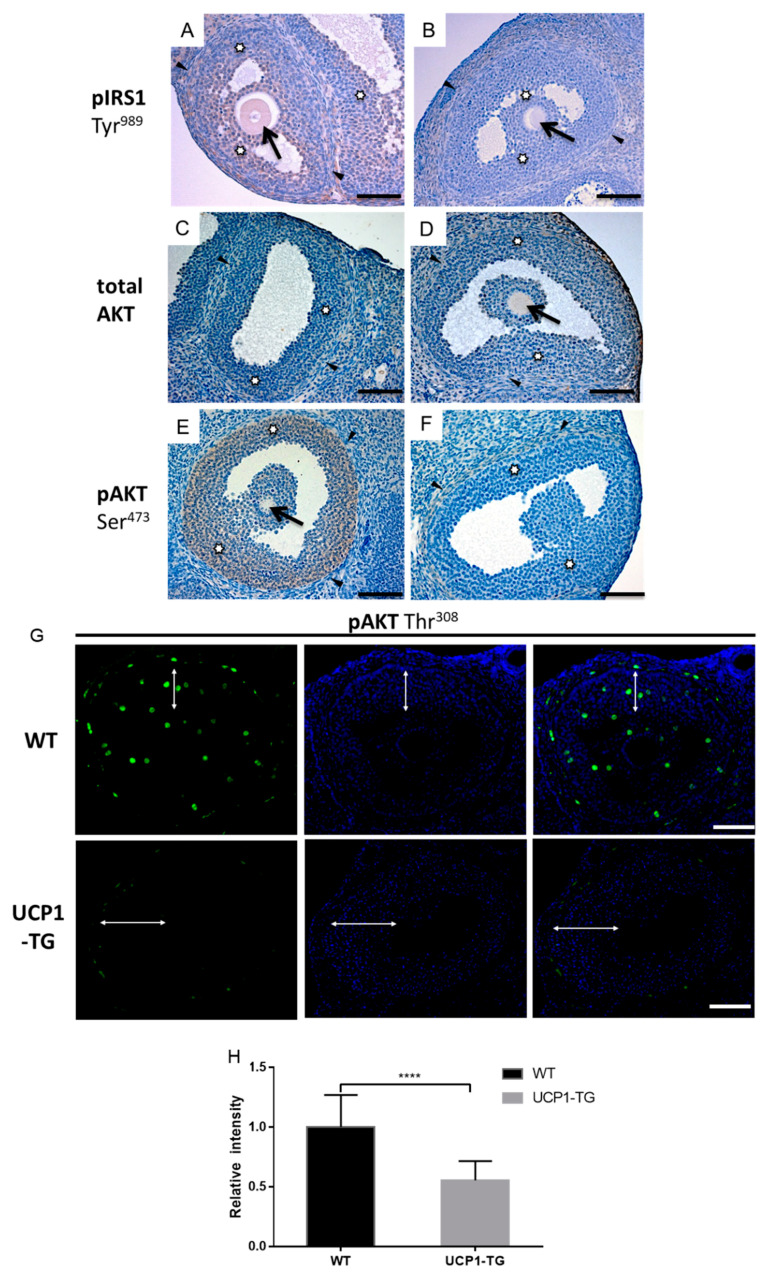
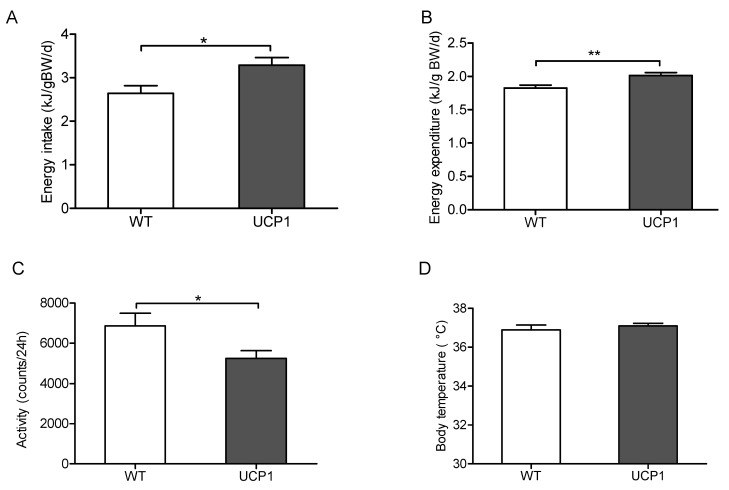
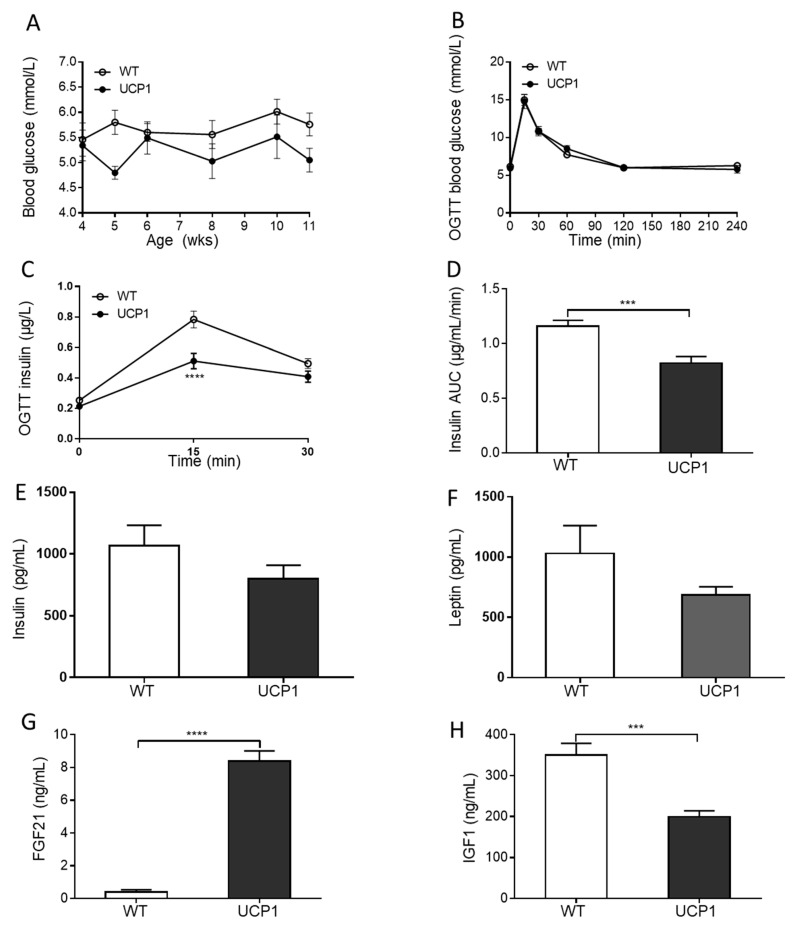
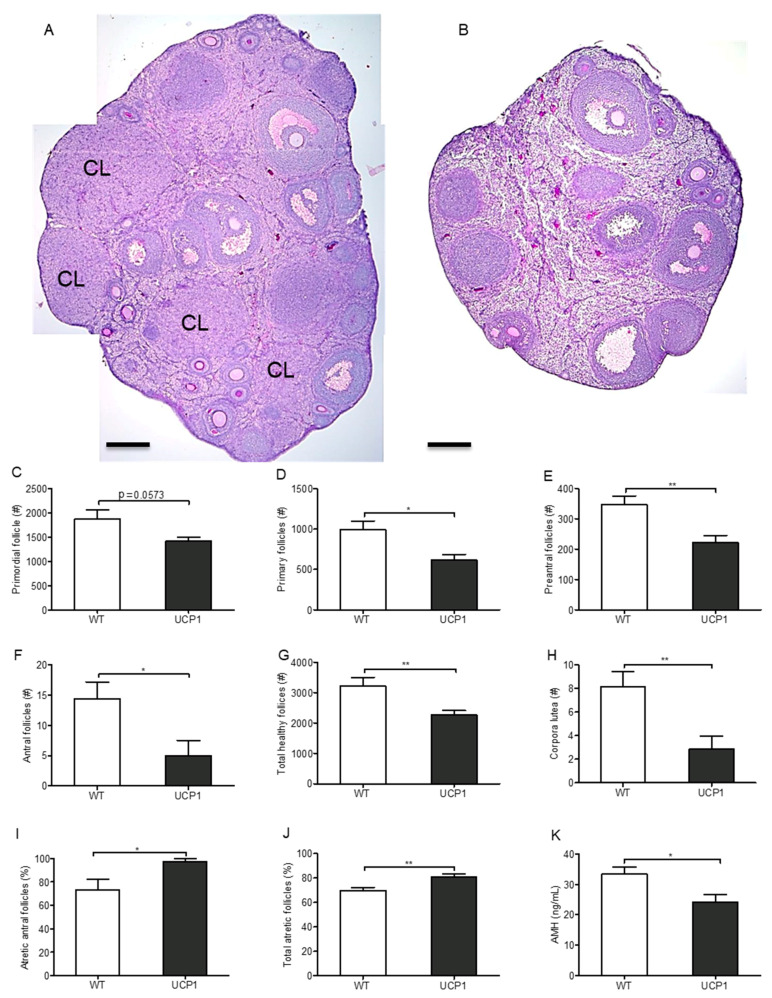
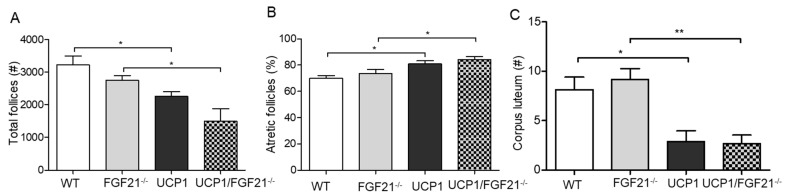
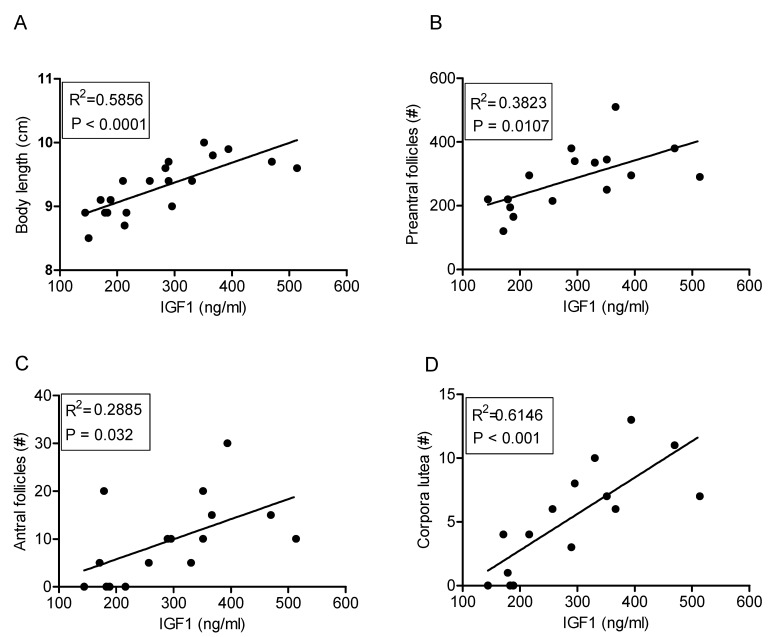
In the present investigation, we examined whether a change in whole body energy fluxes could affect ovarian follicular development, employing mice ectopically expressing uncoupling protein 1 in skeletal muscle (UCP1-TG). Female UCP1-TG and wild-type (WT) mice were dissected at the age of 12 weeks. Energy intake and expenditure, activity, body weight and length, and body composition were measured. Plasma insulin, glucose, leptin, plasma fibroblast growth factor 21 (FGF21) and plasma insulin-like growth factor 1 (IGF1) levels were analyzed and ovarian follicle and corpus luteum numbers were counted. IGF1 signaling was analyzed by immunohistochemical staining for the activation of insulin receptor substrate 1/2 (IRS1/2) and AKT. UCP1-TG female mice had increased energy expenditure, reduced body size, maintained adiposity, and decreased IGF1 concentrations compared to their WT littermates, while preantral and antral follicle numbers were reduced by 40% and 60%, respectively. Corpora lutea were absent in 40% of the ovaries of UCP1-TG mice. Phospho-IRS1, phospho-AKT -Ser473 and -Thr308 immunostaining was present in the granulosa cells of antral follicles in WT ovaries, but faint to absent in the antral follicles of UCP1-TG mice. In conclusion, the reduction in circulating IGF1 levels due to the ectopic expression of UCP1 is associated with reduced immunostaining of the IRS1-PI3/AKT pathway, which may negatively affect ovarian follicle development and ovulation.
在本研究中,我们利用在骨骼肌中异位表达解偶联蛋白1的小鼠(UCP1-TG),研究了全身能量通量的变化是否会影响卵巢卵泡发育。在12周龄时解剖雌性UCP1-TG小鼠和野生型(WT)小鼠。测量能量摄入与消耗、活动量、体重和体长以及身体组成。分析血浆胰岛素、葡萄糖、瘦素、血浆成纤维细胞生长因子21(FGF21)和血浆胰岛素样生长因子1(IGF1)水平,并计数卵巢卵泡和黄体数量。通过免疫组织化学染色分析胰岛素受体底物1/2(IRS1/2)和AKT的激活情况来分析IGF1信号传导。与野生型同窝小鼠相比,UCP1-TG雌性小鼠的能量消耗增加、体型减小、脂肪量维持不变且IGF1浓度降低,而窦前卵泡和窦卵泡数量分别减少了40%和60%。40%的UCP1-TG小鼠卵巢中没有黄体。磷酸化IRS1、磷酸化AKT -Ser473和 -Thr308免疫染色在野生型卵巢窦卵泡的颗粒细胞中存在,但在UCP1-TG小鼠的窦卵泡中微弱或不存在。总之,UCP1异位表达导致循环IGF1水平降低与IRS1-PI3/AKT途径免疫染色减少有关,这可能对卵巢卵泡发育和排卵产生负面影响。