El Seoud Omar A, Keppeler Nicolas, Malek Naved I, Galgano Paula D
Institute of Chemistry, The University of São Paulo, São Paulo 05508-000, Brazil.
Applied Chemistry Department, Sardar Vallabhbhai National Institute of Technology, Surat 395 007, Gujarat, India.
Polymers (Basel). 2021 Mar 30;13(7):1100. doi: 10.3390/polym13071100.
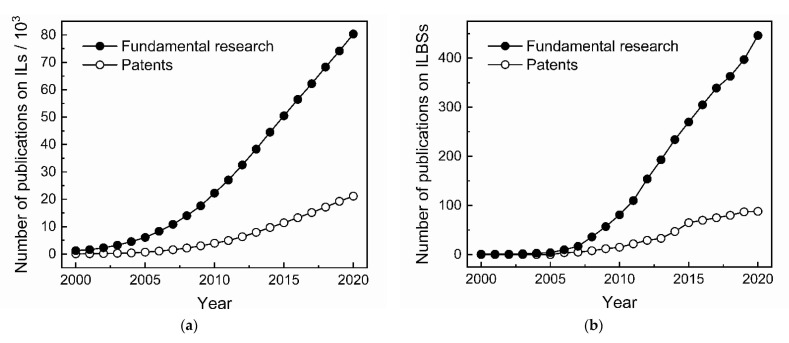
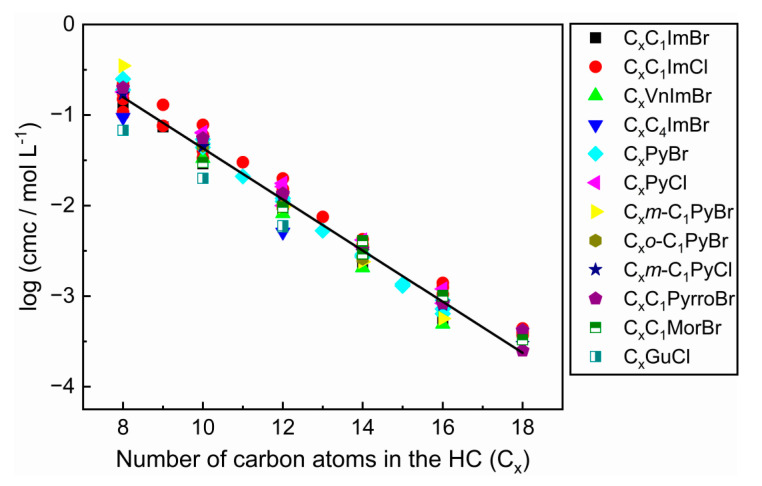
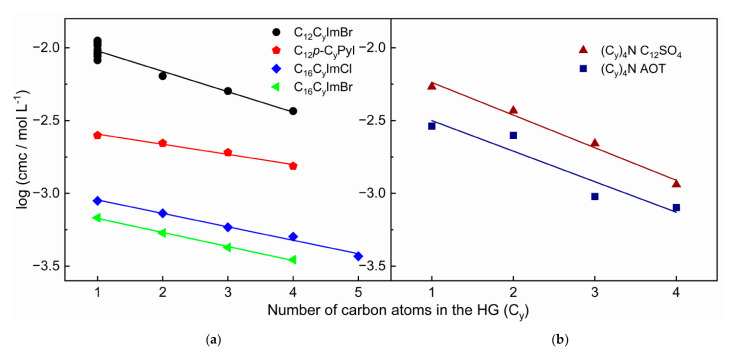
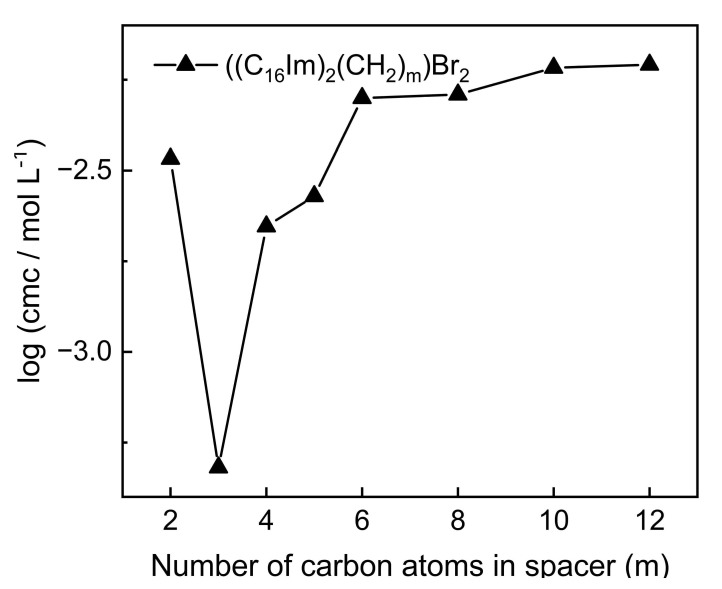
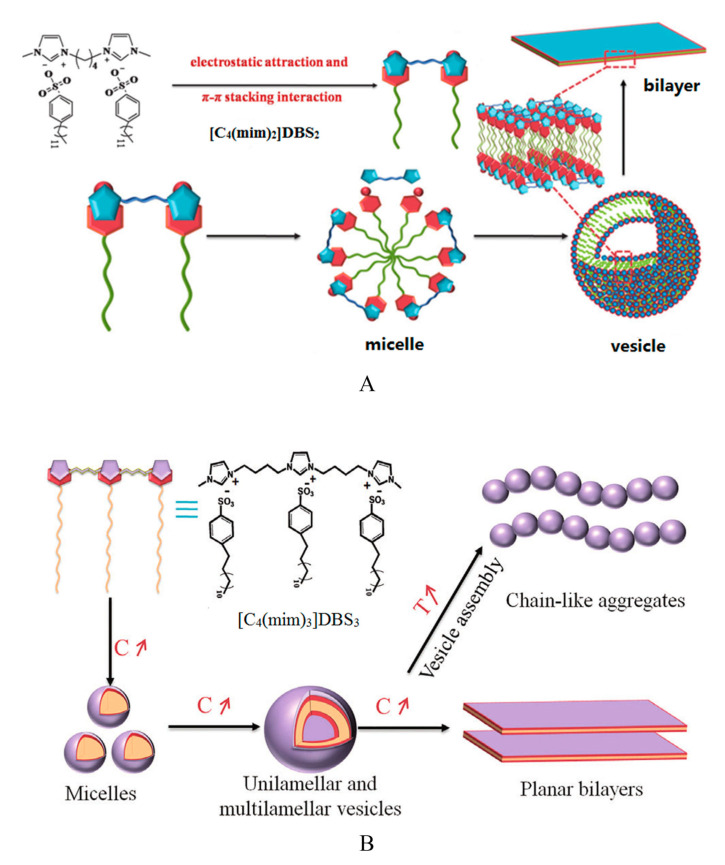
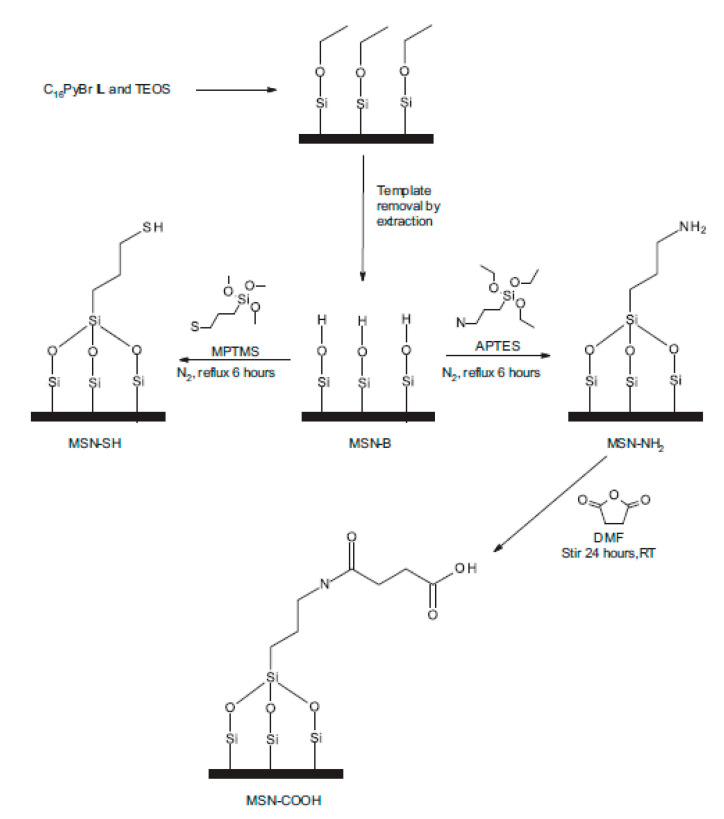
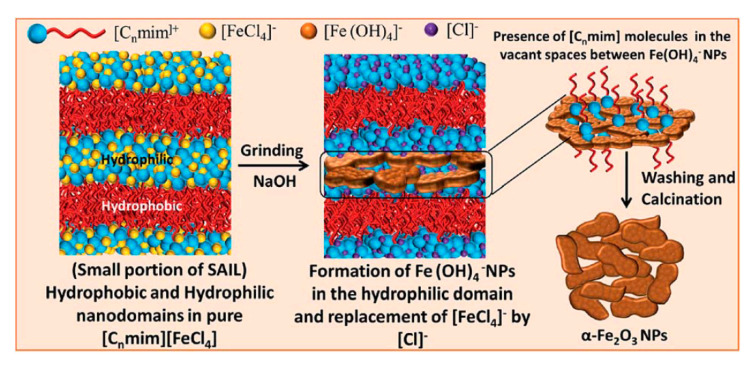
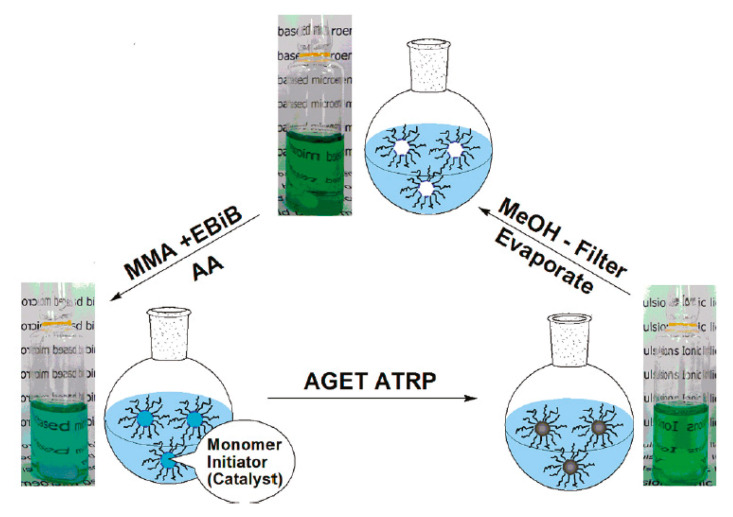
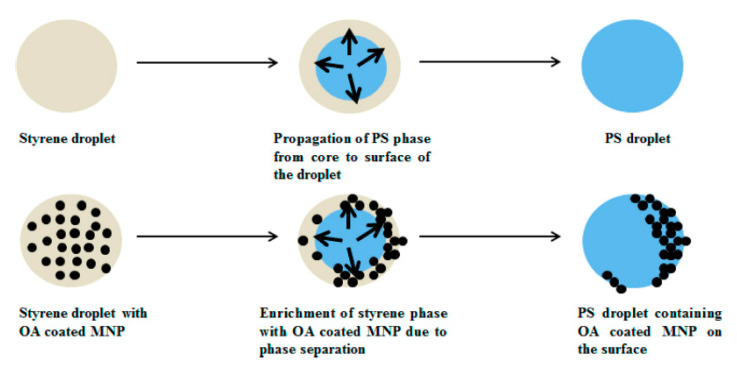
The impetus for the expanding interest in ionic liquids (ILs) is their favorable properties and important applications. Ionic liquid-based surfactants (ILBSs) carry long-chain hydrophobic tails. Two or more molecules of ILBSs can be joined by covalent bonds leading, e.g., to gemini compounds (GILBSs). This review article focuses on aspects of the chemistry and applications of ILBSs and GILBSs, especially in the last ten years. Data on their adsorption at the interface and micelle formation are relevant for the applications of these surfactants. Therefore, we collected data for 152 ILBSs and 11 biamphiphilic compounds. The head ions of ILBSs are usually heterocyclic (imidazolium, pyridinium, pyrrolidinium, etc.). Most of these head-ions are also present in the reported 53 GILBSs. Where possible, we correlate the adsorption/micellar properties of the surfactants with their molecular structures, in particular, the number of carbon atoms present in the hydrocarbon "tail". The use of ILBSs as templates for the fabrication of mesoporous nanoparticles enables better control of particle porosity and size, hence increasing their usefulness. ILs and ILBSs form thermodynamically stable water/oil and oil/water microemulsions. These were employed as templates for (radical) polymerization reactions, where the monomer is the "oil" component. The formed polymer nanoparticles can be further stabilized against aggregation by using a functionalized ILBS that is co-polymerized with the monomers. In addition to updating the literature on the subject, we hope that this review highlights the versatility and hence the potential applications of these classes of surfactants in several fields, including synthesis, catalysis, polymers, decontamination, and drug delivery.
离子液体(ILs)受到越来越多关注的推动力在于其优良的性质和重要的应用。基于离子液体的表面活性剂(ILBSs)带有长链疏水尾。两个或更多的ILBSs分子可以通过共价键连接,例如形成双子化合物(GILBSs)。这篇综述文章聚焦于ILBSs和GILBSs的化学及应用方面,特别是过去十年的情况。关于它们在界面的吸附和胶束形成的数据与这些表面活性剂的应用相关。因此,我们收集了152种ILBSs和11种双亲性化合物的数据。ILBSs的头离子通常是杂环的(咪唑鎓、吡啶鎓、吡咯烷鎓等)。在报道的53种GILBSs中也存在大多数这些头离子。在可能的情况下,我们将表面活性剂的吸附/胶束性质与其分子结构相关联,特别是烃“尾”中存在的碳原子数。使用ILBSs作为制备介孔纳米粒子的模板能够更好地控制粒子的孔隙率和尺寸,从而增加其用途。离子液体和ILBSs形成热力学稳定的水/油和油/水微乳液。这些被用作(自由基)聚合反应的模板,其中单体是“油”组分。通过使用与单体共聚的功能化ILBS,可以进一步稳定形成的聚合物纳米粒子以防止聚集。除了更新关于该主题的文献外,我们希望这篇综述突出了这些类型表面活性剂在包括合成、催化、聚合物、去污和药物递送等多个领域的多功能性以及潜在应用。