Zara Severino, Petretto Giacomo L, Mannu Alberto, Zara Giacomo, Budroni Marilena, Mannazzu Ilaria, Multineddu Chiara, Pintore Giorgio, Fancello Francesco
Department di Agricultural Sciences, University of Sassari, 07100 Sassari, Italy.
Department of Chemistry and Pharmacy, University of Sassari, 07100 Sassari, Italy.
Foods. 2021 Mar 26;10(4):703. doi: 10.3390/foods10040703.
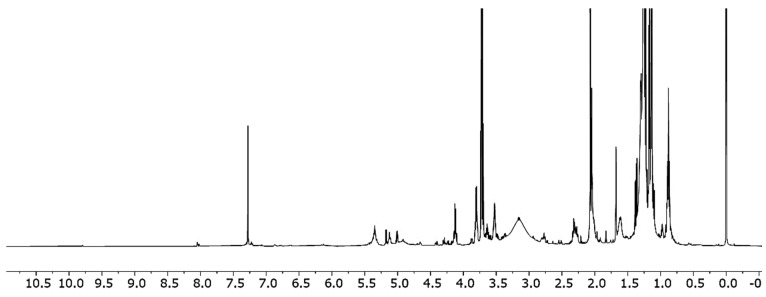
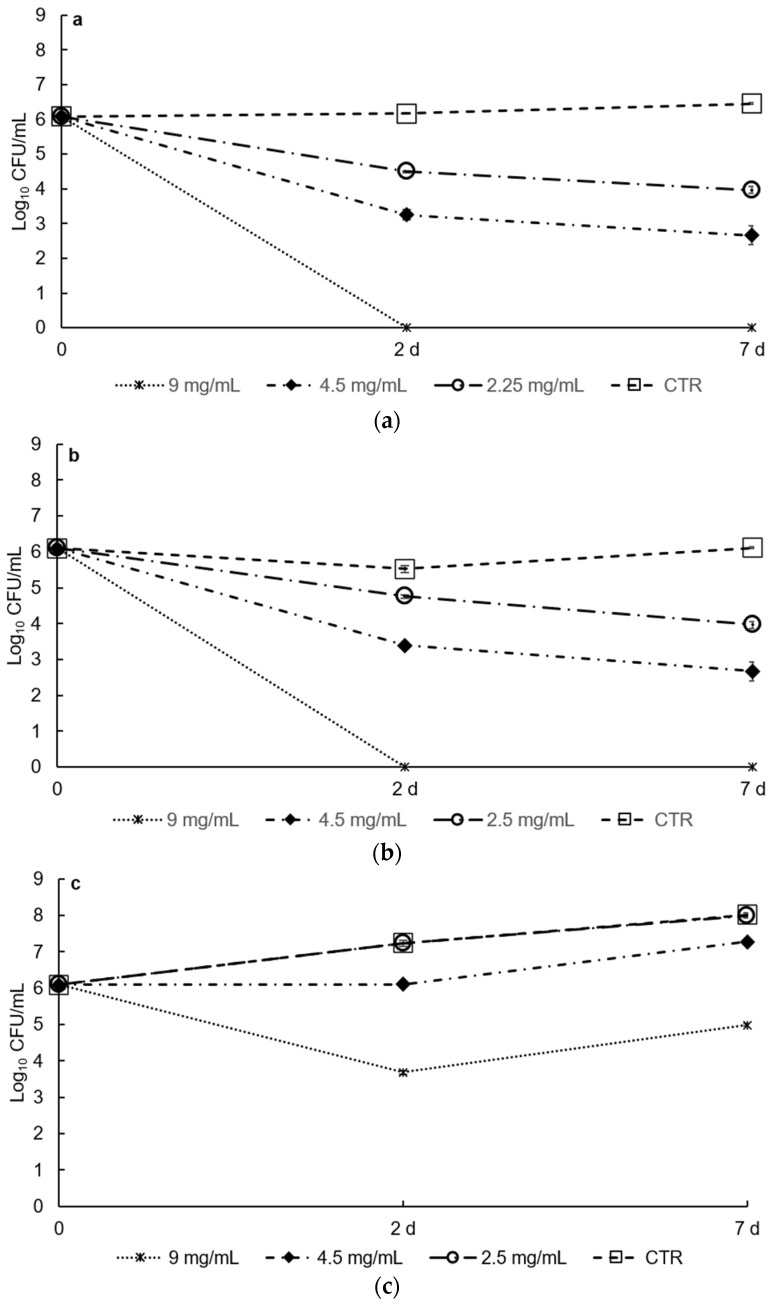
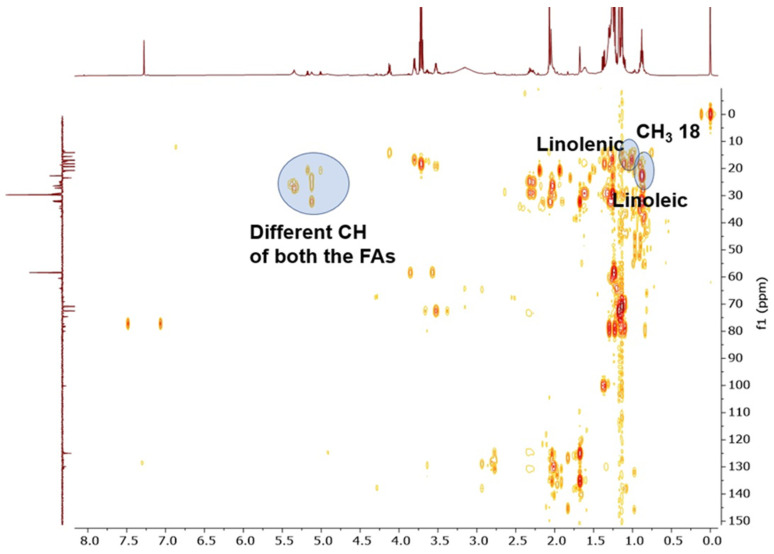
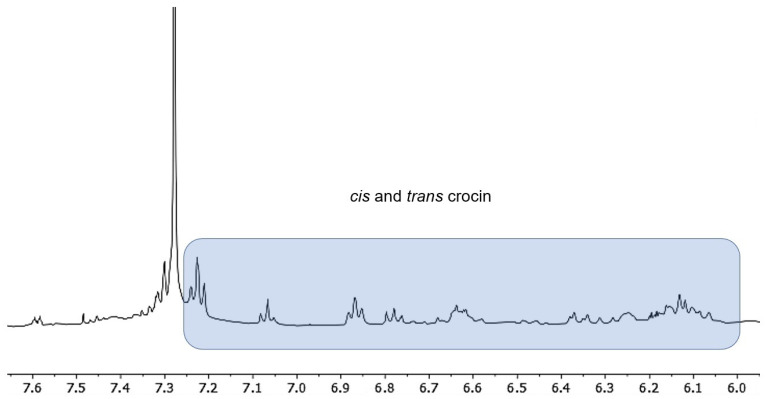
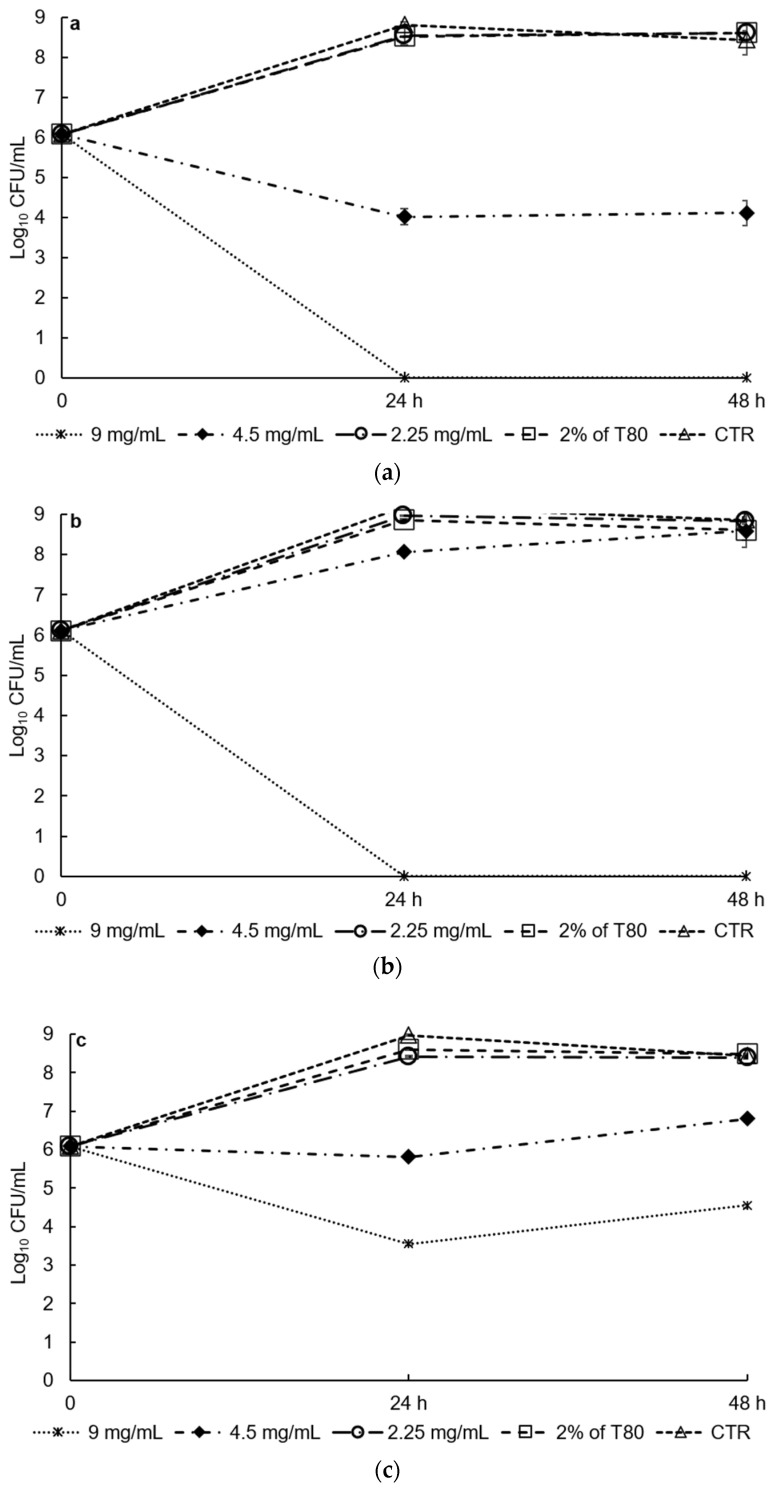
The production of saffron spice generates large quantities of plant by-products: over 90% of the plant material collected is discarded, and a consideration fraction of this waste is plant stamens. This work investigated the chemical composition and the antimicrobial activities of the non-polar fraction extracted from four different saffron flower stamens. The chemical composition of ethereal extracts of the saffron stamens was qualitatively assessed by means of gas-chromatography-mass spectrometry (GC-MS) and nuclear magnetic resonance (NMR) analyses. These analyses revealed ethereal extracts to possess a high polyunsaturated fatty acid content. In vitro antibacterial activity of stamen extracts showed no large differences between Gram-positive and Gram-negative bacteria in terms of minimal inhibitory concentration (MIC). In food matrix microbial analysis of the bacterial strains belonging to the main foodborne pathogen species, including DSM 20231, DSM 30083, and DSM 20600, using low-fat UHT milk, revealed a statistically significant reduction in the number of cells (particularly for and with a complete elimination of the population of the two target bacteria following incubation in diethyl ether extracts of saffron stamen (DES) at high concentrations tested, both at 37 °C and 6 °C (for 48 h and 7 days, respectively). A synergic effect was observed when the pathogens were incubated at 6 °C with DES. This work shows these by-products to be excellent sources of bioactive compounds, which could be exploited in high-added-value products, such as food, cosmetics, and drugs.
所收集的植物材料中超过90%被丢弃,其中相当一部分废弃物是植物雄蕊。本研究调查了从四种不同藏红花花蕊中提取的非极性部分的化学成分和抗菌活性。通过气相色谱 - 质谱联用(GC - MS)和核磁共振(NMR)分析对藏红花雄蕊的乙醚提取物的化学成分进行了定性评估。这些分析表明乙醚提取物含有高含量的多不饱和脂肪酸。雄蕊提取物的体外抗菌活性在最小抑菌浓度(MIC)方面,革兰氏阳性菌和革兰氏阴性菌之间没有显著差异。在食品基质微生物分析中,使用低脂超高温灭菌牛奶对属于主要食源性病原体种类的细菌菌株(包括DSM 20231、DSM 30083和DSM 20600)进行检测,结果显示细胞数量有统计学意义的减少(特别是对于[此处原文缺失相关内容],在37°C和6°C下分别于藏红花雄蕊乙醚提取物(DES)高浓度下孵育48小时和7天后,两种目标细菌的种群完全被消除。当病原体在6°C下与DES一起孵育时观察到协同效应。这项研究表明这些副产品是生物活性化合物的优质来源,可用于高附加值产品,如食品、化妆品和药品。