Laboratory of Aging Research and Cancer Drug Target, State Key Laboratory of Biotherapy, National Clinical Research Center for Geriatrics, West China Hospital, Sichuan University, No. 17, Block 3, Southern Renmin Road, Chengdu, Sichuan, 610041, People's Republic of China.
Department of Medical Oncology, First Affiliated Hospital of Kunming Medical University, Kunming, Yunnan, People's Republic of China.
Mol Cancer. 2021 Apr 4;20(1):62. doi: 10.1186/s12943-021-01355-1.
Drug-resistance and severe side effects of chemotherapeutic agents result in unsatisfied survival of patients with lung cancer. CXCLs/CXCR2 axis plays an important role in progression of cancer including lung cancer. However, the specific anti-cancer mechanism of targeting CXCR2 remains unclear.
Immunohistochemical analysis of CXCR2 was performed on the microarray of tumor tissues of clinical lung adenocarcinoma and lung squamous cell carcinoma patients. CCK8 test, TUNEL immunofluorescence staining, PI-Annexin V staining, β-galactosidase staining, and Western blot were used to verify the role of CXCR2 in vitro. Animal models of tail vein and subcutaneous injection were applied to investigate the therapeutic role of targeting CXCR2. Flow cytometry, qRT-PCR, enzyme-linked immunosorbent assay (ELISA), and immunohistochemistry analysis were performed for further mechanistic investigation.
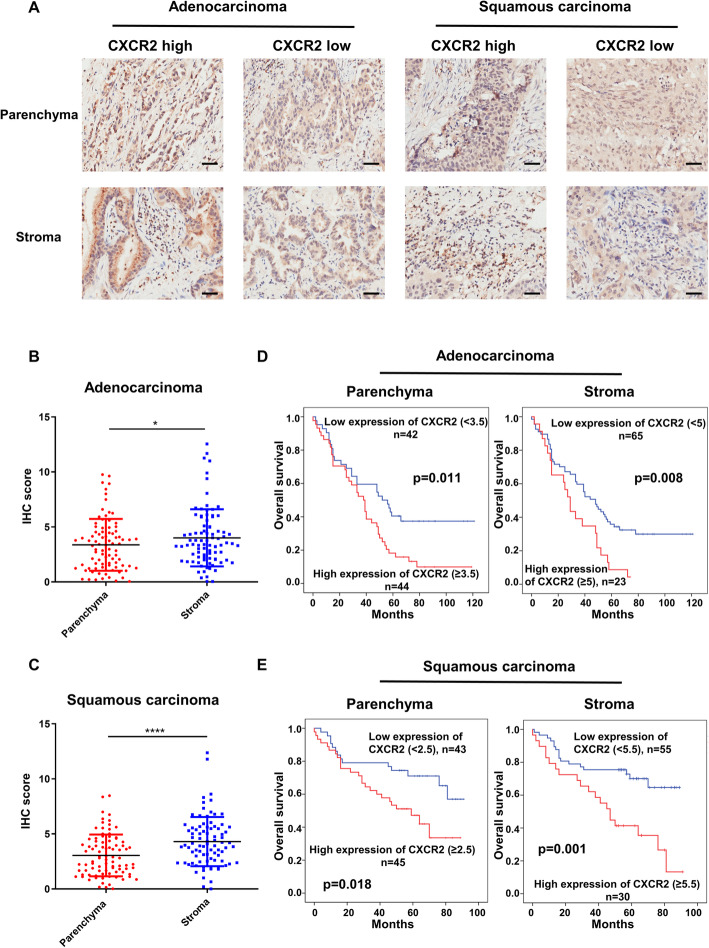
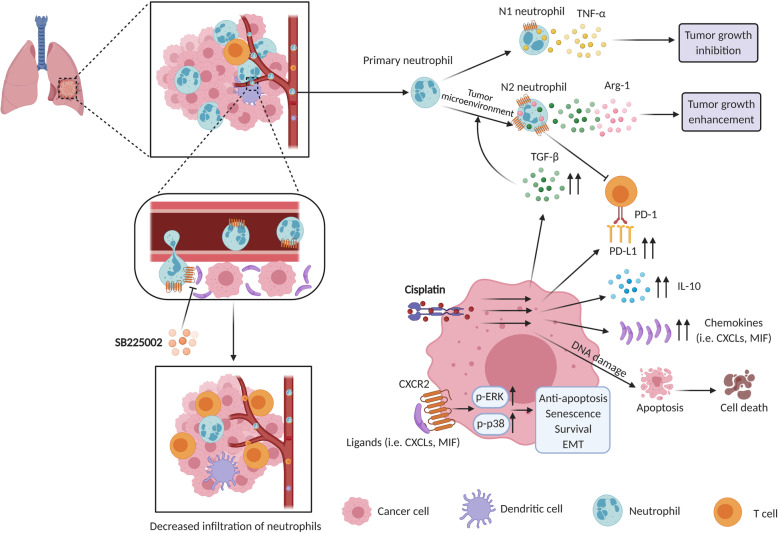
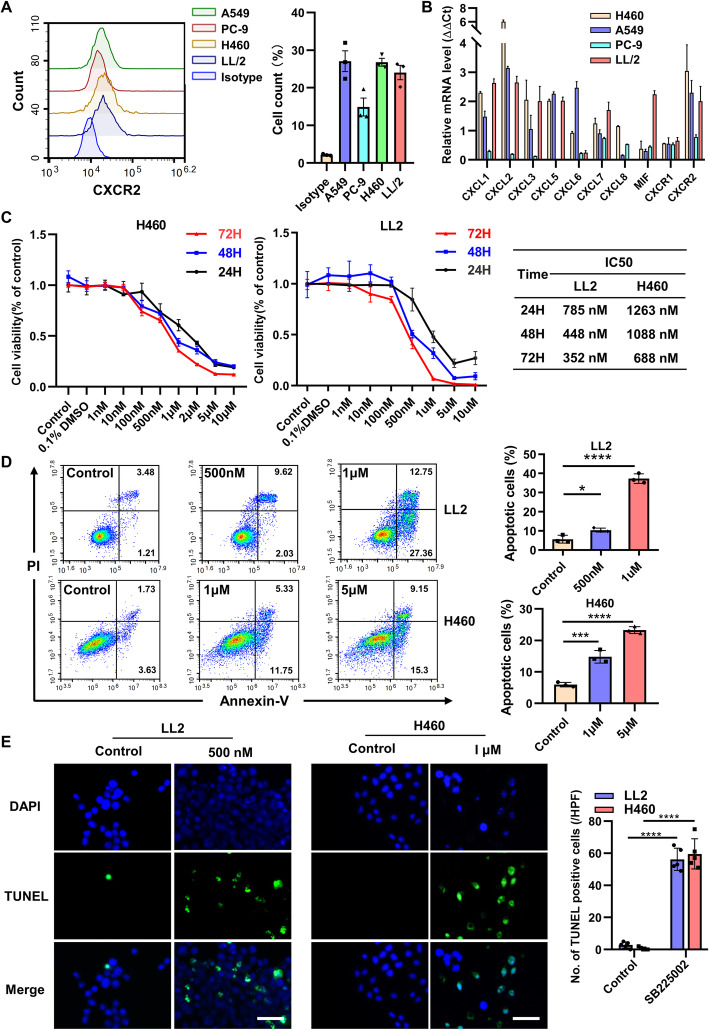
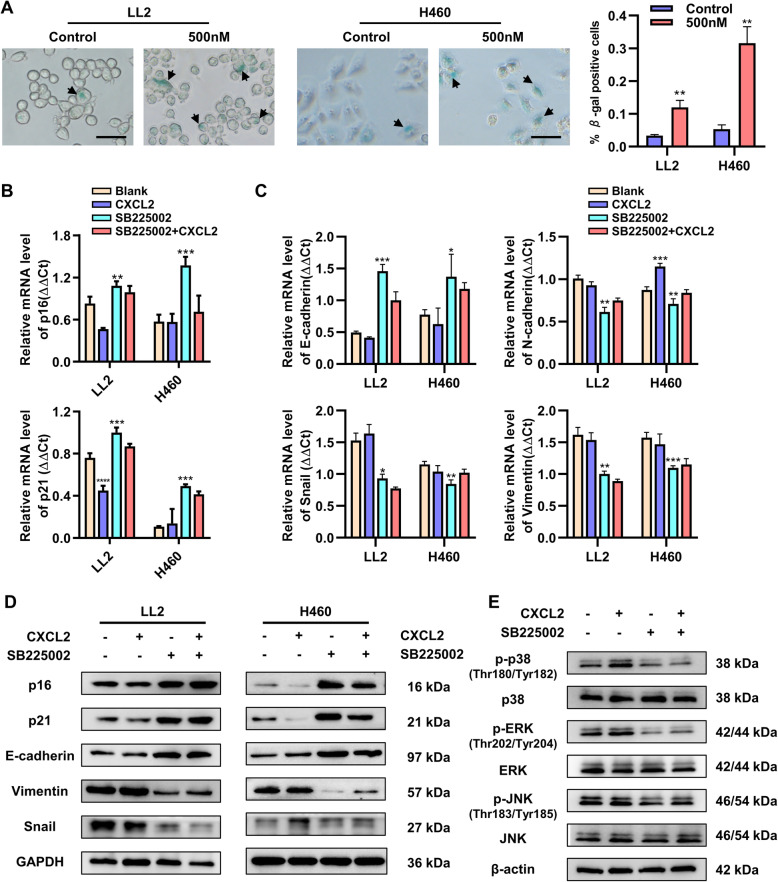
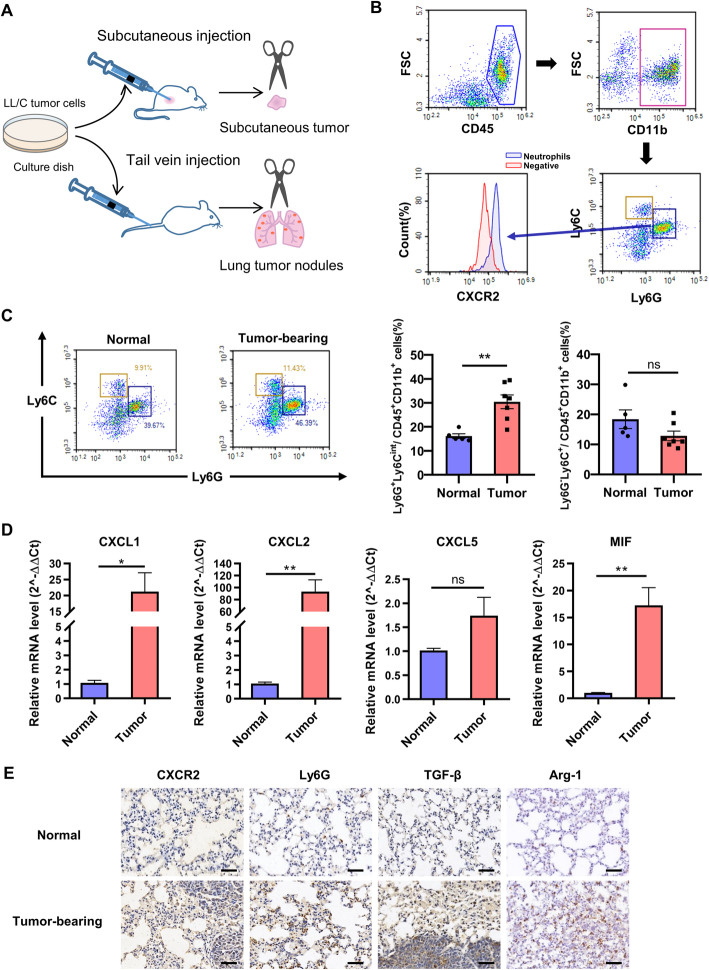
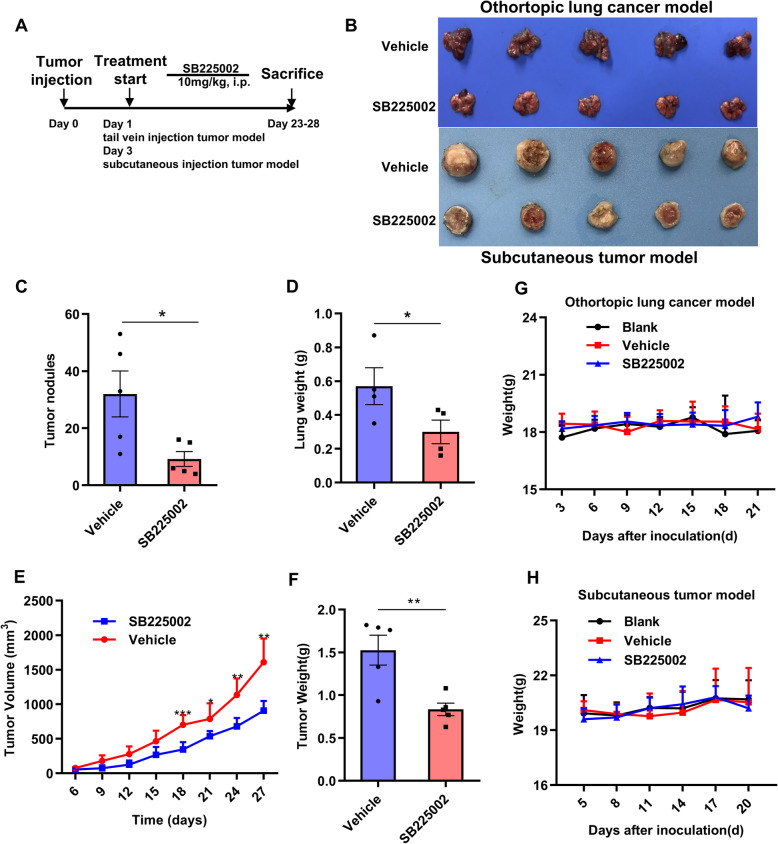
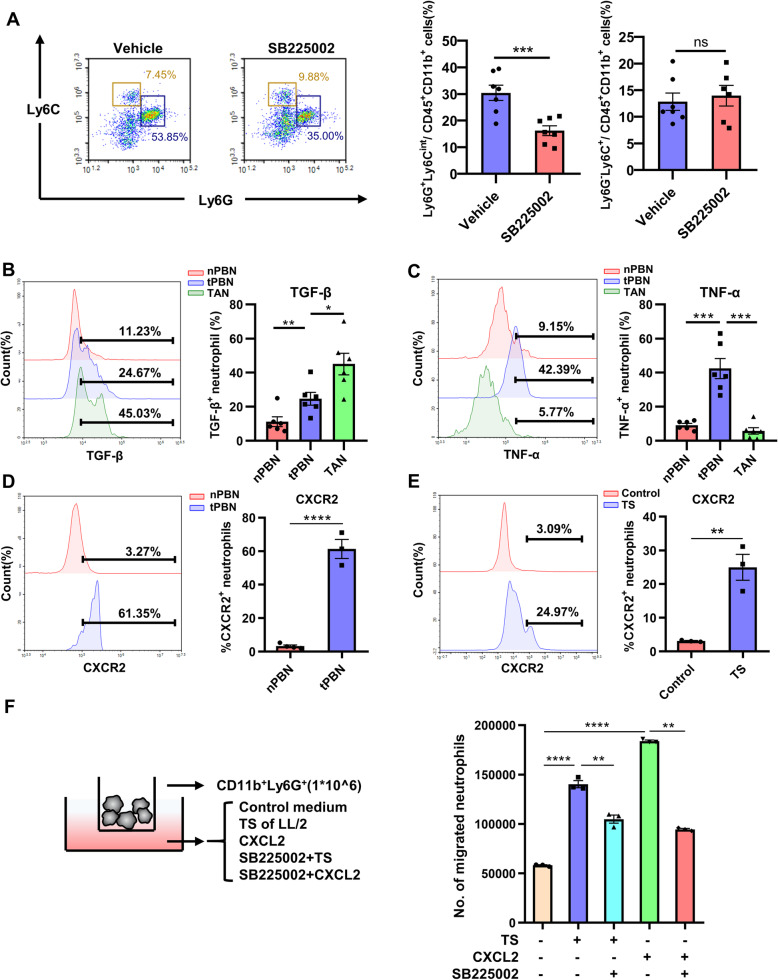
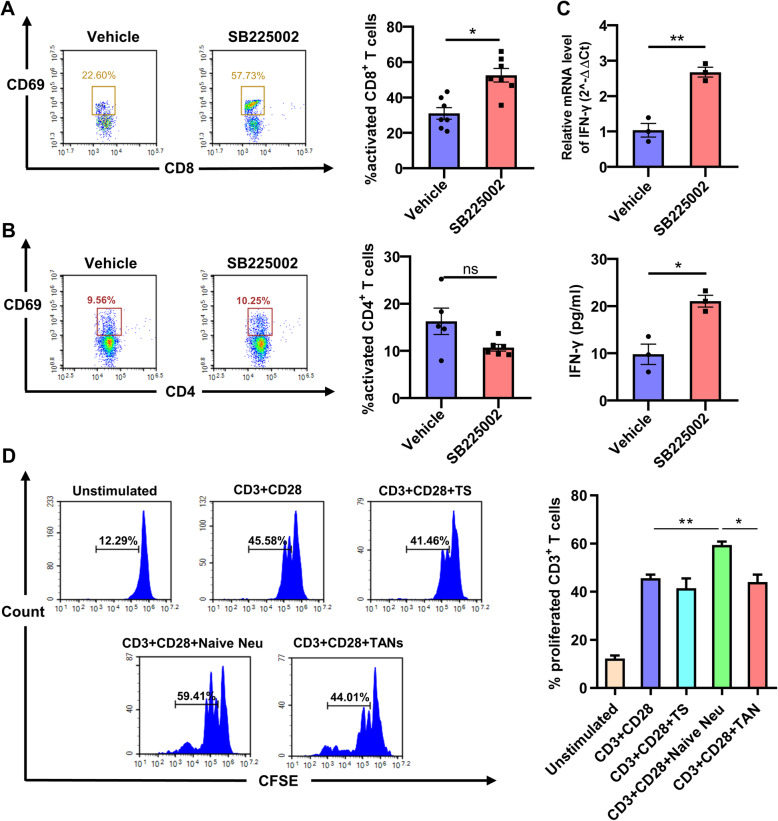
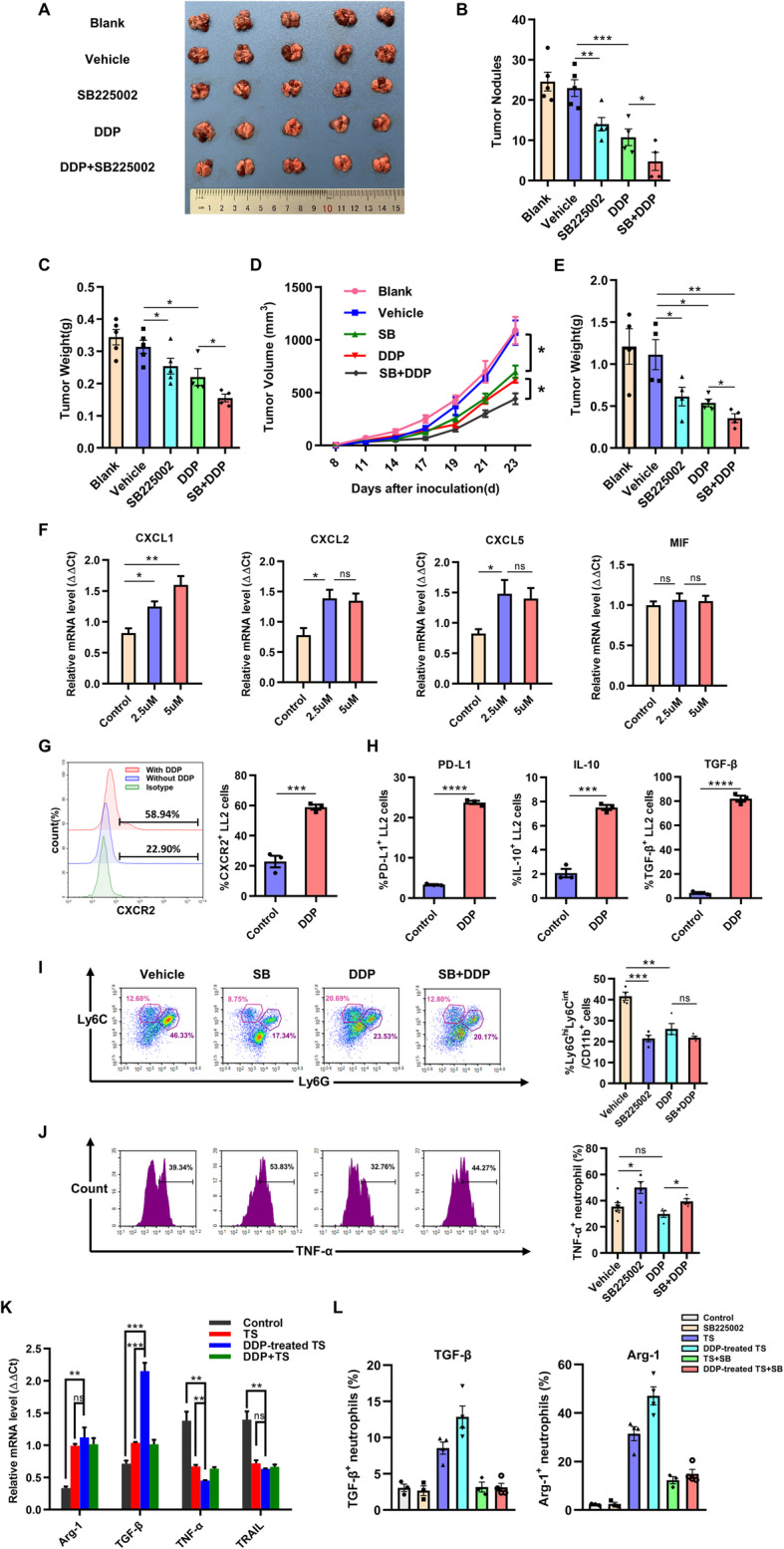
The expression of CXCR2 was elevated in both human lung cancer stroma and tumor cells, which was associated with patients' prognosis. Inhibition of CXCR2 promoted apoptosis, senescence, epithelial-to-mesenchymal transition (EMT), and anti-proliferation of lung cancer cells. In vivo study showed that tumor-associated neutrophils (TANs) were significantly infiltrate into tumor tissues of mouse model, with up-regulated CXCLs/CXCR2 signaling and suppressive molecules, including Arg-1 and TGF-β. SB225002, a selective inhibitor of CXCR2 showed promising therapeutic effect, and significantly reduced infiltration of neutrophils and enhanced anti-tumor T cell activity via promoting CD8 T cell activation. Meanwhile, blockade of CXCR2 could enhance therapeutic effect of cisplatin via regulation of neutrophils infiltration.
Our finds verify the therapeutic effects of targeting CXCR2 in lung cancer and uncover the potential mechanism for the increased sensitivity to chemotherapeutic agents by antagonists of CXCR2.
化疗药物的耐药性和严重副作用导致肺癌患者的生存状况不佳。趋化因子(CXCL)/趋化因子受体 2(CXCR2)轴在包括肺癌在内的癌症进展中发挥着重要作用。然而,针对 CXCR2 的具体抗癌机制尚不清楚。
对临床肺腺癌和肺鳞癌患者的肿瘤组织微阵列进行 CXCR2 的免疫组织化学分析。CCK8 试验、TUNEL 免疫荧光染色、PI-膜联蛋白 V 染色、β-半乳糖苷酶染色和 Western blot 用于验证 CXCR2 在体外的作用。尾静脉和皮下注射动物模型用于研究靶向 CXCR2 的治疗作用。流式细胞术、qRT-PCR、酶联免疫吸附试验(ELISA)和免疫组织化学分析用于进一步的机制研究。
CXCR2 在人类肺癌基质和肿瘤细胞中的表达均升高,与患者的预后相关。抑制 CXCR2 可促进肺癌细胞的凋亡、衰老、上皮间质转化(EMT)和抗增殖。体内研究表明,肿瘤相关中性粒细胞(TAN)显著浸润到小鼠模型的肿瘤组织中,伴有 CXCLs/CXCR2 信号和抑制性分子(包括 Arg-1 和 TGF-β)的上调。CXCR2 的选择性抑制剂 SB225002 表现出良好的治疗效果,通过促进 CD8 T 细胞的激活,显著减少中性粒细胞的浸润,并增强抗肿瘤 T 细胞的活性。同时,通过调节中性粒细胞浸润,CXCR2 阻断可增强顺铂的治疗效果。
我们的研究结果验证了靶向 CXCR2 在肺癌中的治疗效果,并揭示了 CXCR2 拮抗剂增加化疗药物敏感性的潜在机制。