Candelaria Pierre V, Leoh Lai Sum, Penichet Manuel L, Daniels-Wells Tracy R
Division of Surgical Oncology, Department of Surgery, David Geffen School of Medicine at the University of California, Los Angeles (UCLA), Los Angeles, CA, United States.
Department of Microbiology, Immunology, and Molecular Genetics, David Geffen School of Medicine at UCLA, Los Angeles, CA, United States.
Front Immunol. 2021 Mar 17;12:607692. doi: 10.3389/fimmu.2021.607692. eCollection 2021.
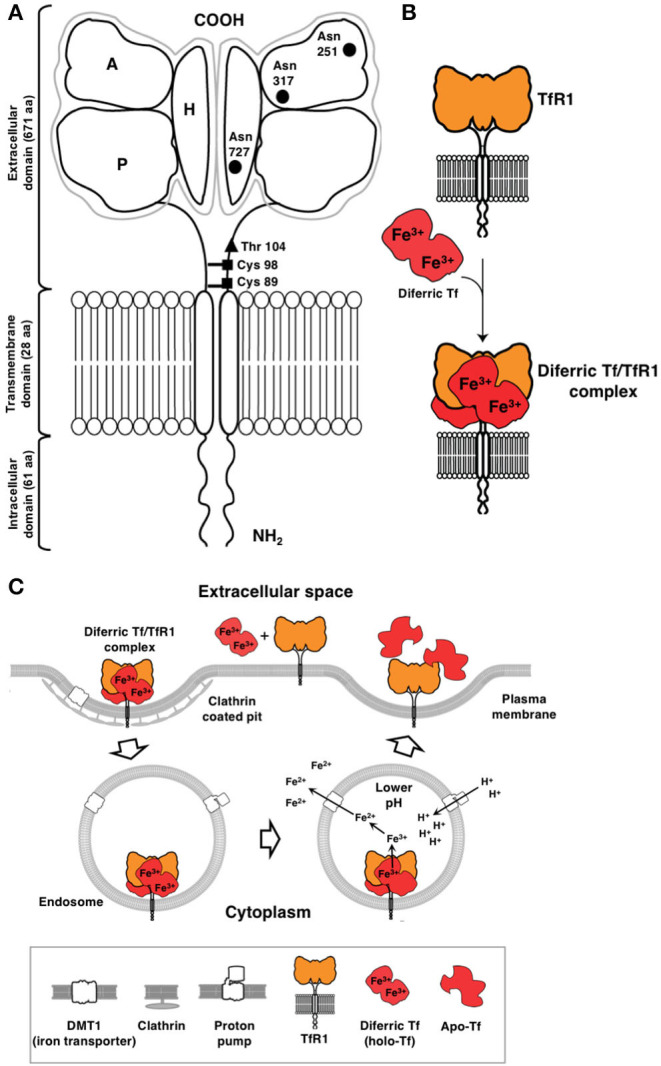
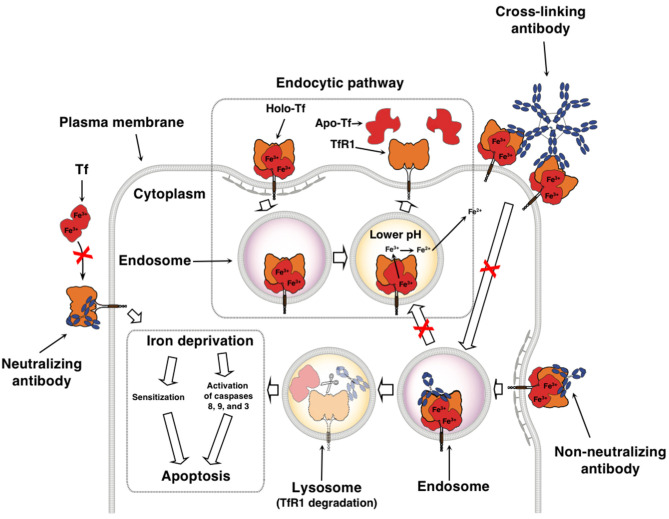
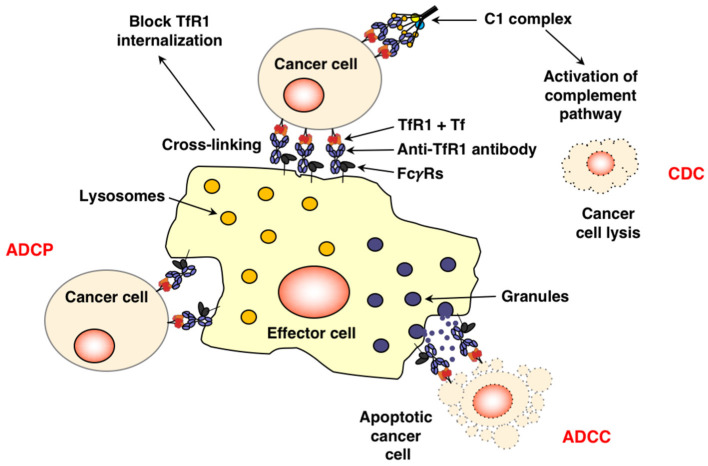
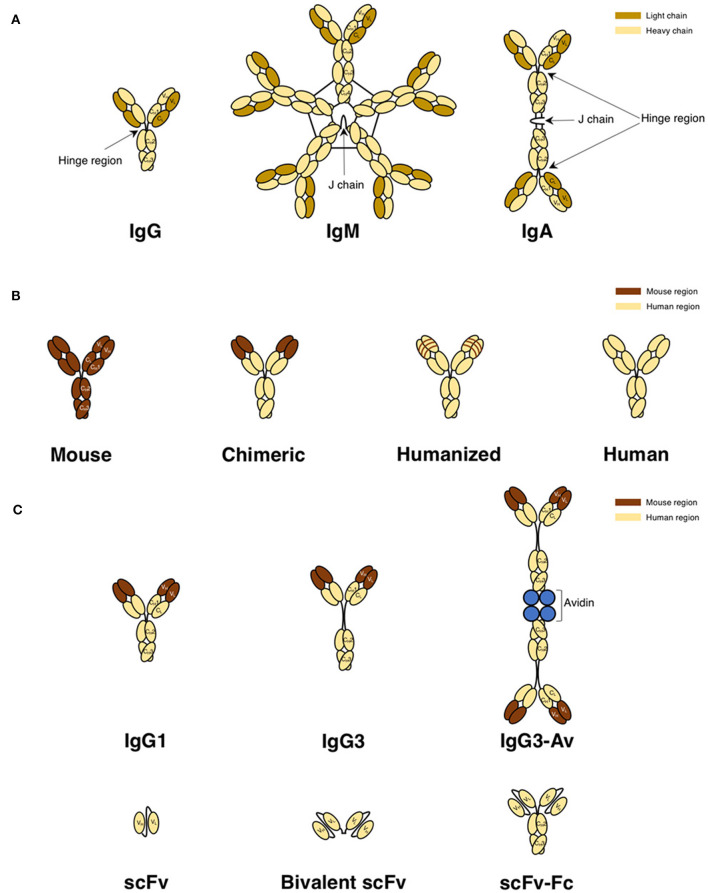
The transferrin receptor 1 (TfR1), also known as cluster of differentiation 71 (CD71), is a type II transmembrane glycoprotein that binds transferrin (Tf) and performs a critical role in cellular iron uptake through the interaction with iron-bound Tf. Iron is required for multiple cellular processes and is essential for DNA synthesis and, thus, cellular proliferation. Due to its central role in cancer cell pathology, malignant cells often overexpress TfR1 and this increased expression can be associated with poor prognosis in different types of cancer. The elevated levels of TfR1 expression on malignant cells, together with its extracellular accessibility, ability to internalize, and central role in cancer cell pathology make this receptor an attractive target for antibody-mediated therapy. The TfR1 can be targeted by antibodies for cancer therapy in two distinct ways: (1) indirectly through the use of antibodies conjugated to anti-cancer agents that are internalized by receptor-mediated endocytosis or (2) directly through the use of antibodies that disrupt the function of the receptor and/or induce Fc effector functions, such as antibody-dependent cell-mediated cytotoxicity (ADCC), antibody-dependent cell-mediated phagocytosis (ADCP), or complement-dependent cytotoxicity (CDC). Although TfR1 has been used extensively as a target for antibody-mediated cancer therapy over the years, interest continues to increase for both targeting the receptor for delivery purposes and for its use as direct anti-cancer agents. This review focuses on the developments in the use of antibodies targeting TfR1 as direct anti-tumor agents.
转铁蛋白受体1(TfR1),也称为分化簇71(CD71),是一种II型跨膜糖蛋白,它结合转铁蛋白(Tf),并通过与铁结合的Tf相互作用在细胞铁摄取中发挥关键作用。铁是多种细胞过程所必需的,对于DNA合成以及细胞增殖至关重要。由于其在癌细胞病理中的核心作用,恶性细胞通常过度表达TfR1,这种表达增加可能与不同类型癌症的预后不良有关。恶性细胞上TfR1表达水平的升高,加上其细胞外可及性、内化能力以及在癌细胞病理中的核心作用,使得该受体成为抗体介导治疗的一个有吸引力的靶点。TfR1可以通过两种不同方式被抗体靶向用于癌症治疗:(1)间接通过使用与抗癌剂偶联的抗体,这些抗癌剂通过受体介导的内吞作用被内化;(2)直接通过使用破坏受体功能和/或诱导Fc效应功能的抗体,如抗体依赖性细胞介导的细胞毒性(ADCC)、抗体依赖性细胞介导的吞噬作用(ADCP)或补体依赖性细胞毒性(CDC)。尽管多年来TfR1已被广泛用作抗体介导癌症治疗的靶点,但无论是将该受体用于递送目的还是用作直接抗癌剂,人们的兴趣都在持续增加。本综述重点关注将靶向TfR1的抗体用作直接抗肿瘤剂的研究进展。