Department of Neurology, Duke University, Durham, North Carolina.
Department of Neurology, Duke University, Durham, North Carolina; Center for Translational Pain Medicine, Department of Anesthesiology, Duke University, Durham, North Carolina.
Gastroenterology. 2021 Jul;161(1):301-317.e16. doi: 10.1053/j.gastro.2021.03.049. Epub 2021 Apr 2.
BACKGROUND & AIMS: Limited understanding of pruritus mechanisms in cholestatic liver diseases hinders development of antipruritic treatments. Previous studies implicated lysophosphatidic acid (LPA) as a potential mediator of cholestatic pruritus.
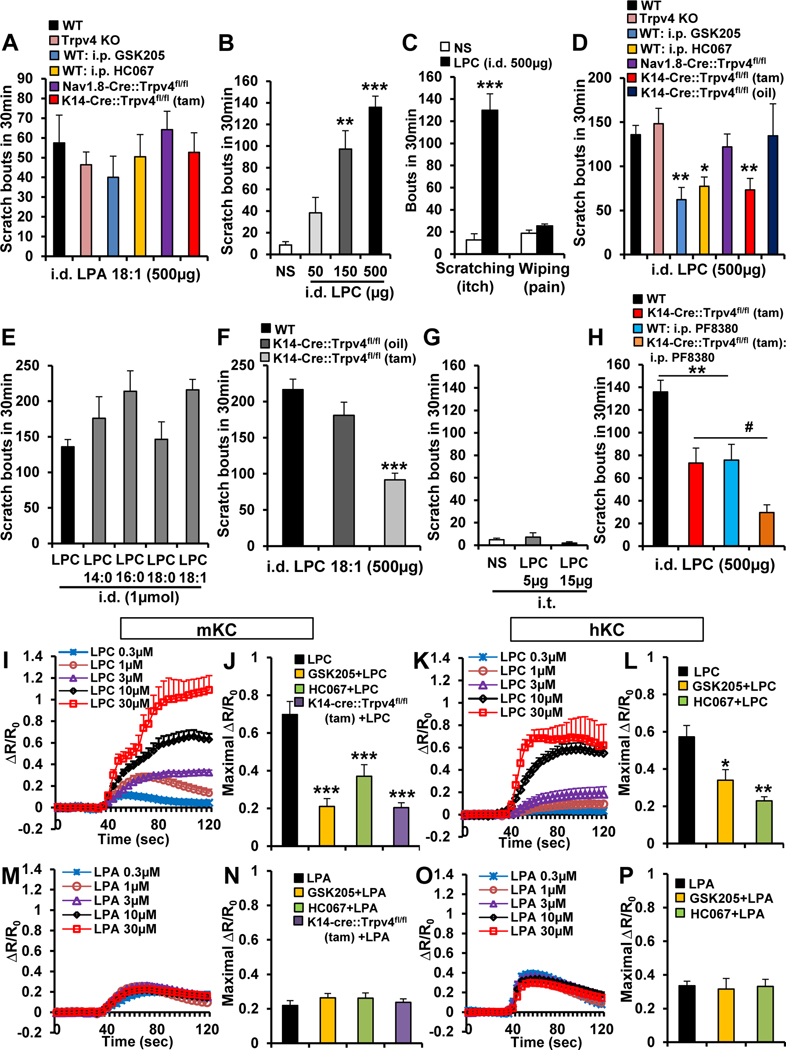
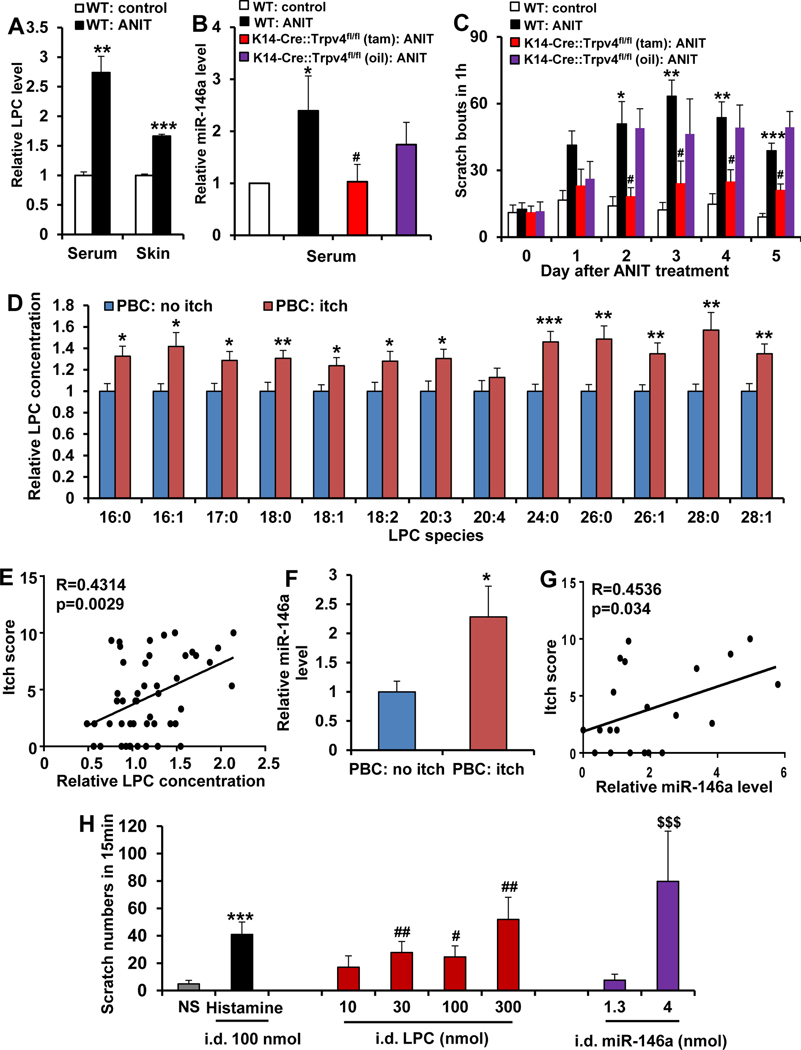
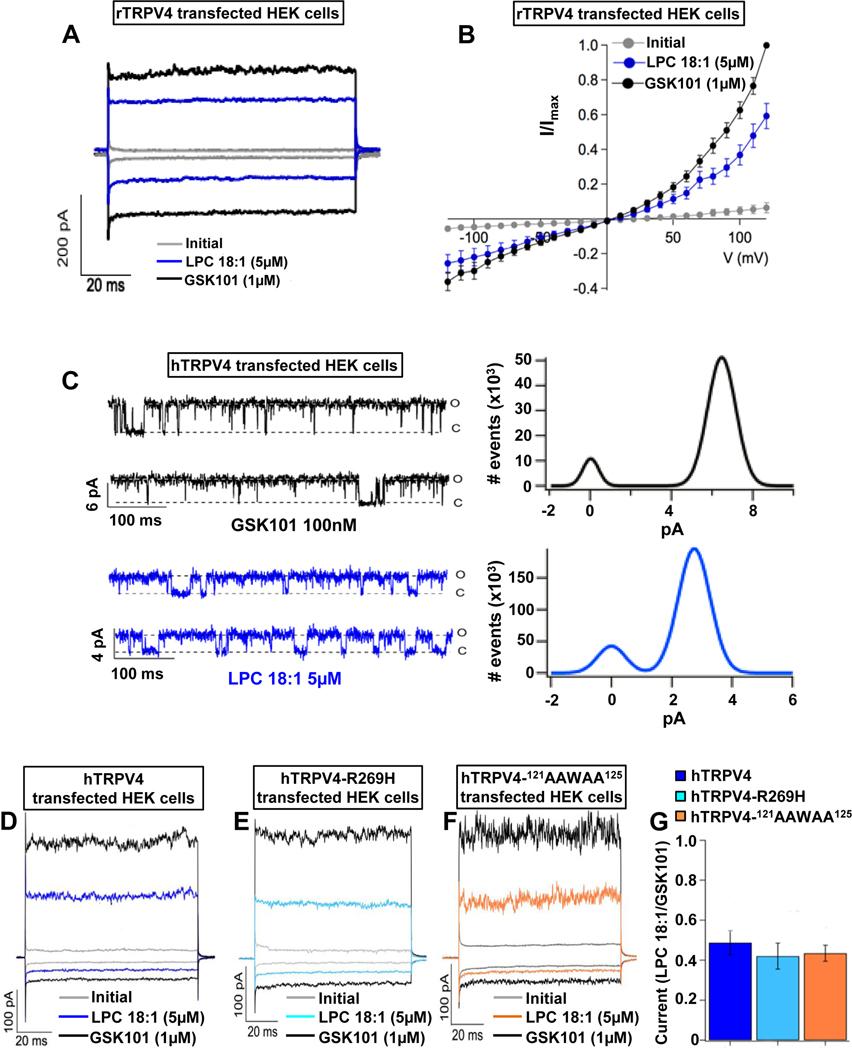
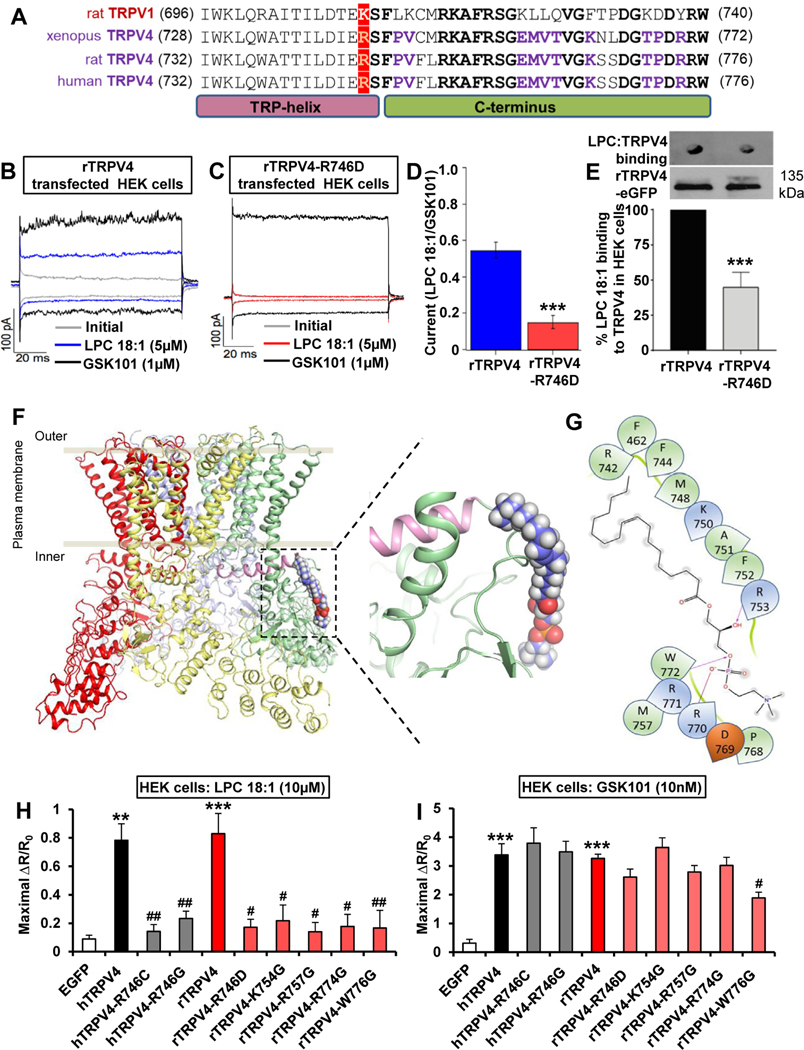
Pruritogenicity of lysophosphatidylcholine (LPC), LPA's precursor, was examined in naïve mice, cholestatic mice, and nonhuman primates. LPC's pruritogenicity involving keratinocyte TRPV4 was studied using genetic and pharmacologic approaches, cultured keratinocytes, ion channel physiology, and structural computational modeling. Activation of pruriceptor sensory neurons by microRNA-146a (miR-146a), secreted from keratinocytes, was identified by in vitro and ex vivo Ca imaging assays. Sera from patients with primary biliary cholangitis were used for measuring the levels of LPC and miR-146a.
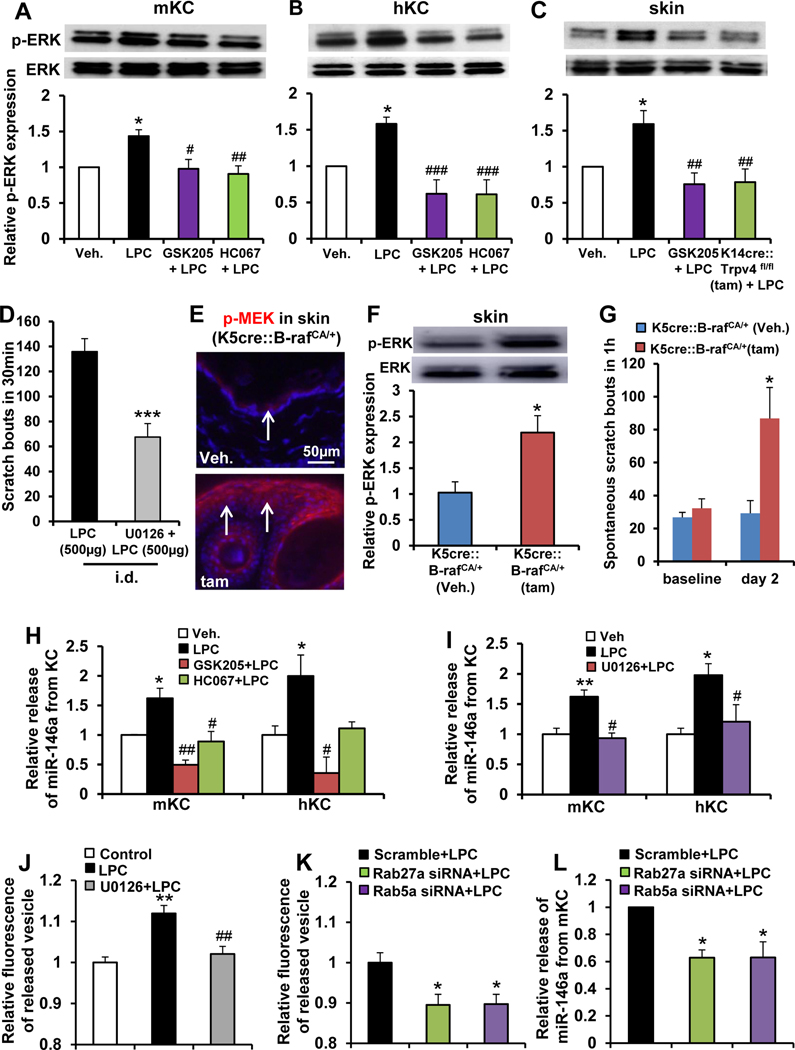
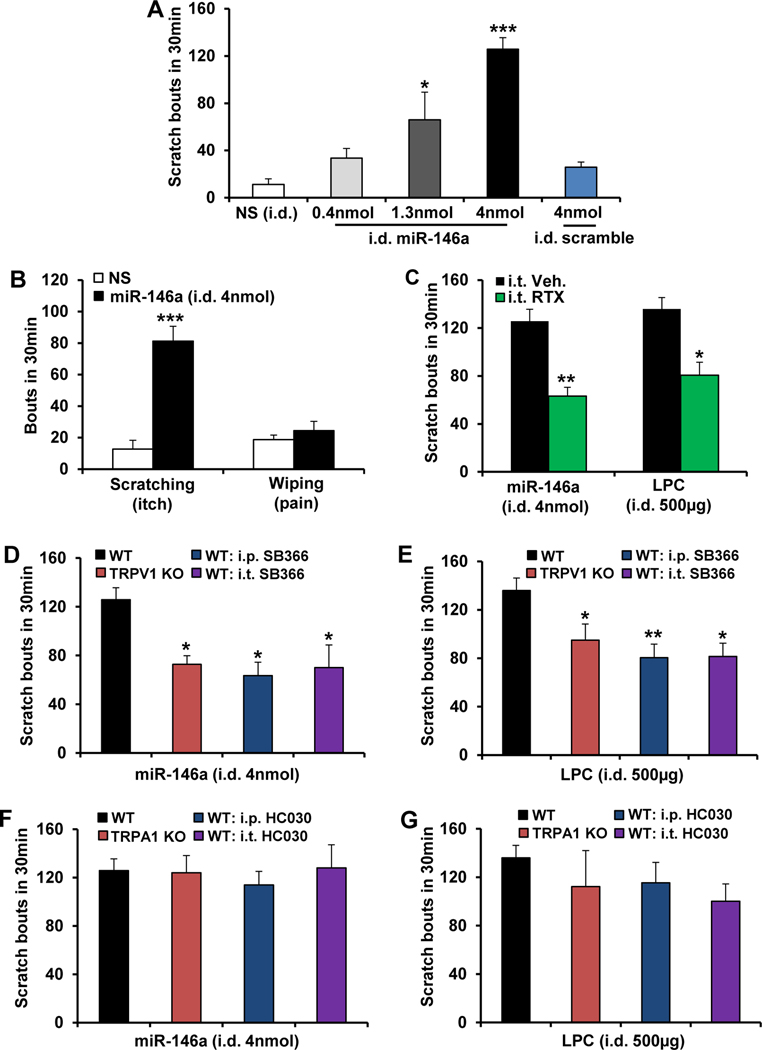
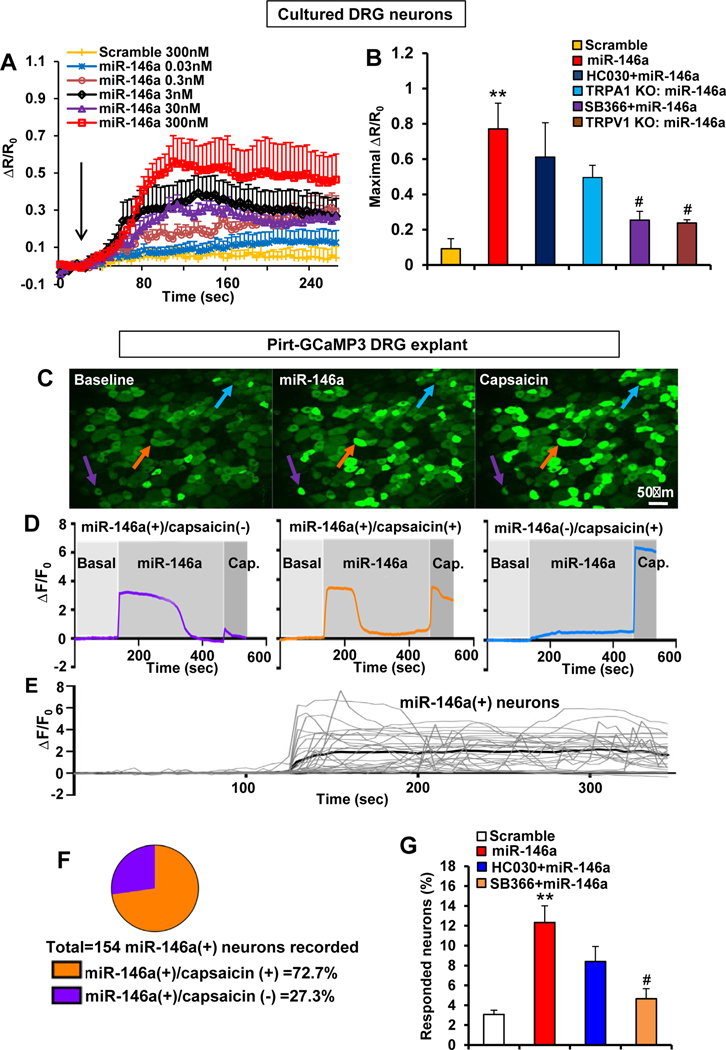
LPC was robustly pruritic in mice. TRPV4 in skin keratinocytes was essential for LPC-induced itch and itch in mice with cholestasis. Three-dimensional structural modeling, site-directed mutagenesis, and channel function analysis suggested a TRPV4 C-terminal motif for LPC binding and channel activation. In keratinocytes, TRPV4 activation by LPC induced extracellular release of miR-146a, which activated TRPV1 sensory neurons to cause itch. LPC and miR-146a levels were both elevated in sera of patients with primary biliary cholangitis with itch and correlated with itch intensity. Moreover, LPC and miR-146a were also increased in sera of cholestatic mice and elicited itch in nonhuman primates.
We identified LPC as a novel cholestatic pruritogen that induces itch through epithelia-sensory neuron cross talk, whereby it directly activates skin keratinocyte TRPV4, which rapidly releases miR-146a to activate skin-innervating TRPV1 pruriceptor sensory neurons. Our findings support the new concept of the skin, as a sensory organ, playing a critical role in cholestatic itch, beyond liver, peripheral sensory neurons, and central neural pathways supporting pruriception.
对胆淤积性肝病瘙痒机制的认识有限,阻碍了止痒治疗的发展。先前的研究表明溶血磷脂酸(LPA)可能是胆淤积性瘙痒的潜在介质。
在未处理的小鼠、胆淤积性小鼠和非人灵长类动物中检测溶血磷脂酰胆碱(LPC),即 LPA 的前体的瘙痒性。使用遗传和药理学方法、培养的角质形成细胞、离子通道生理学和结构计算模型研究 LPC 通过角质形成细胞 TRPV4 的瘙痒性。通过体外和离体 Ca 成像测定鉴定由角质形成细胞分泌的 microRNA-146a(miR-146a)激活瘙痒感觉神经元。使用原发性胆汁性胆管炎患者的血清测量 LPC 和 miR-146a 的水平。
LPC 在小鼠中具有很强的瘙痒性。皮肤角质形成细胞中的 TRPV4 对于 LPC 诱导的瘙痒和胆淤积小鼠的瘙痒是必需的。三维结构建模、定点突变和通道功能分析表明 TRPV4 羧基末端基序与 LPC 结合和通道激活有关。在角质形成细胞中,LPC 激活 TRPV4 诱导细胞外释放 miR-146a,激活 TRPV1 感觉神经元引起瘙痒。原发性胆汁性胆管炎伴瘙痒患者的血清中 LPC 和 miR-146a 水平均升高,且与瘙痒强度相关。此外,胆淤积性小鼠和非人类灵长类动物的血清中 LPC 和 miR-146a 水平也升高,并引起瘙痒。
我们发现 LPC 是一种新型胆淤积性瘙痒原,通过上皮-感觉神经元的相互作用引起瘙痒,LPC 直接激活皮肤角质形成细胞 TRPV4,其快速释放 miR-146a 激活皮肤支配 TRPV1 瘙痒感觉神经元。我们的发现支持皮肤作为感觉器官在胆淤积性瘙痒中发挥关键作用的新概念,超越了肝脏、外周感觉神经元和支持瘙痒的中枢神经通路。