Center for Interdisciplinary Cardiovascular Sciences, Cardiovascular Division (J.L.D., S.A.S., C.G.B., L.H.L., A.H., S.C., J.T.M., H.Z., A.K.M., J.Q., A.S., S.M., J.W., E.A., M.A.), Brigham and Women's Hospital, Harvard Medical School, Boston, MA.
Channing Division of Network Medicine (A.H., A.S., M.A.), Brigham and Women's Hospital, Harvard Medical School, Boston, MA.
Circulation. 2021 Jun 22;143(25):2454-2470. doi: 10.1161/CIRCULATIONAHA.119.043724. Epub 2021 Apr 6.
Vein graft failure remains a common clinical challenge. We applied a systems approach in mouse experiments to discover therapeutic targets for vein graft failure.
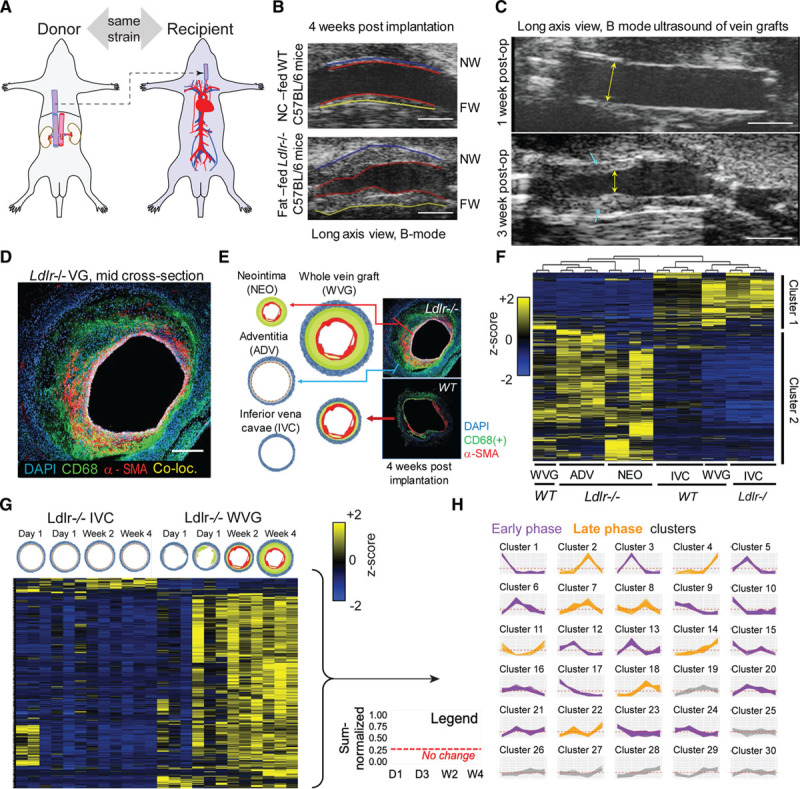
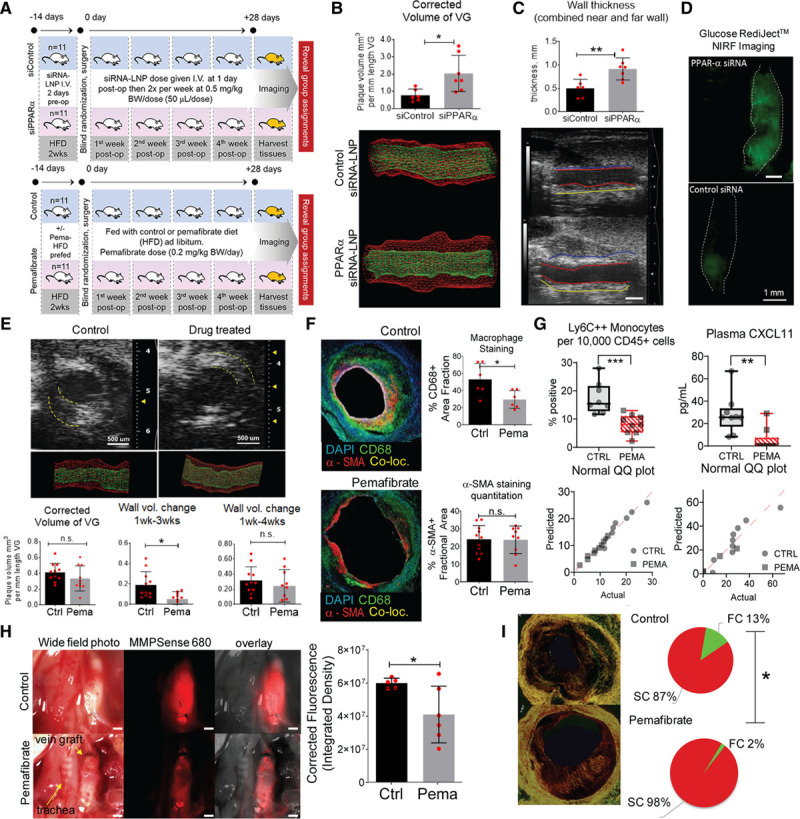
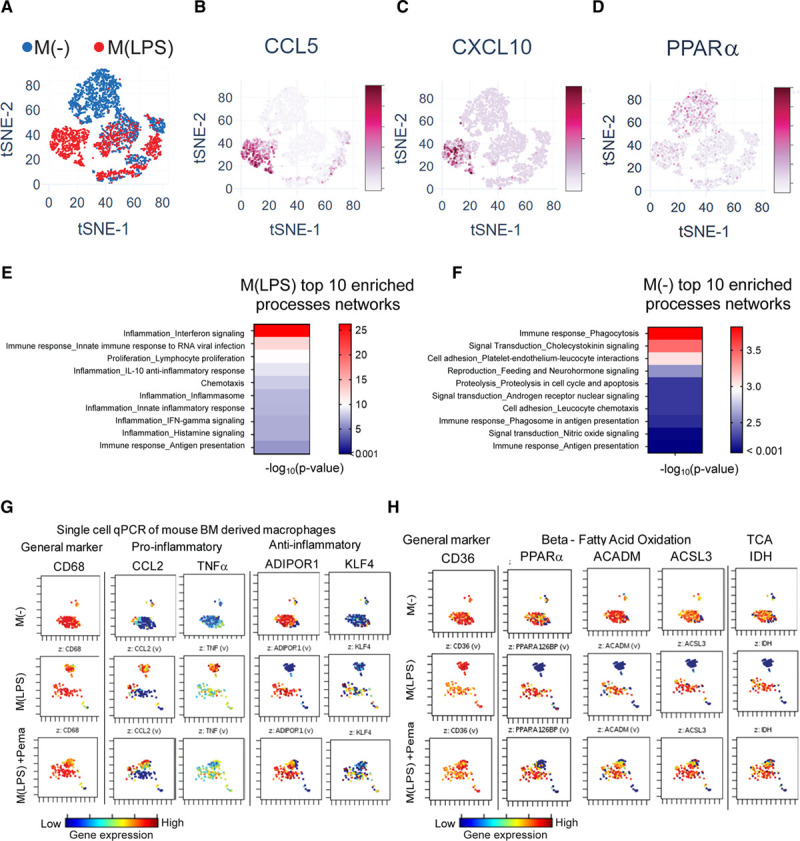
Global proteomics and high-dimensional clustering on multiple vein graft tissues were used to identify potential pathogenic mechanisms. The PPARs (peroxisome proliferator-activated receptors) pathway served as an example to substantiate our discovery platform. In vivo mouse experiments with macrophage-targeted PPARα small interfering RNA, or the novel, selective activator pemafibrate demonstrate the role of PPARα in the development and inflammation of vein graft lesions. In vitro experiments further included metabolomic profiling, quantitative polymerase chain reaction, flow cytometry, metabolic assays, and single-cell RNA sequencing on primary human and mouse macrophages.
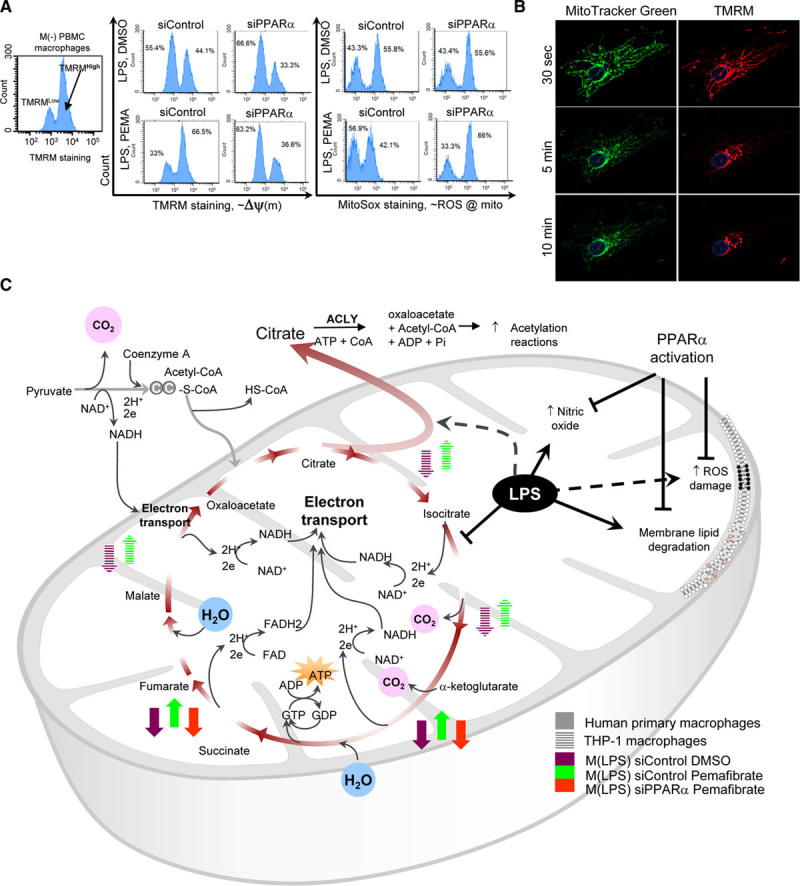
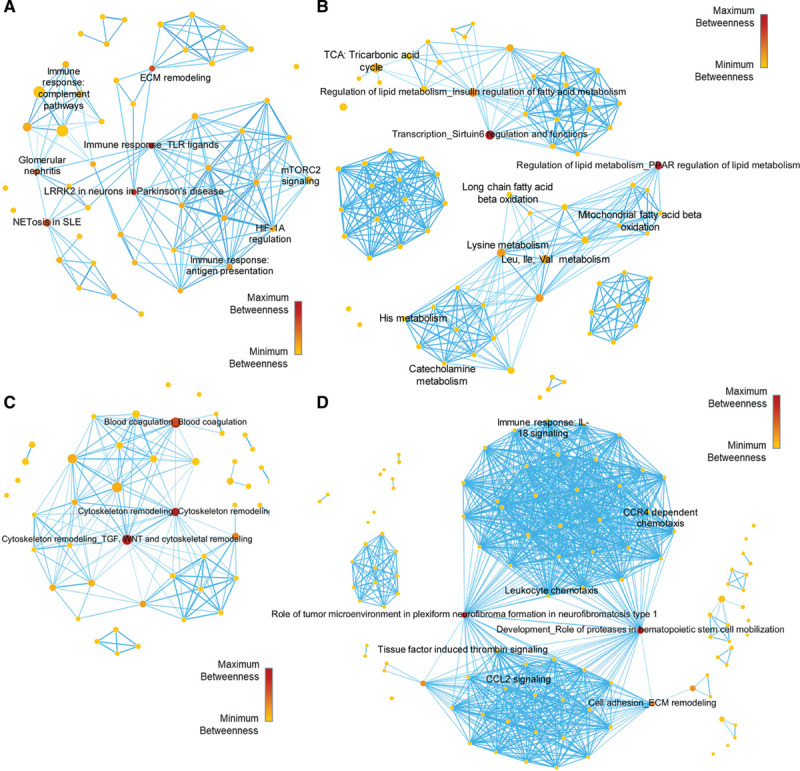
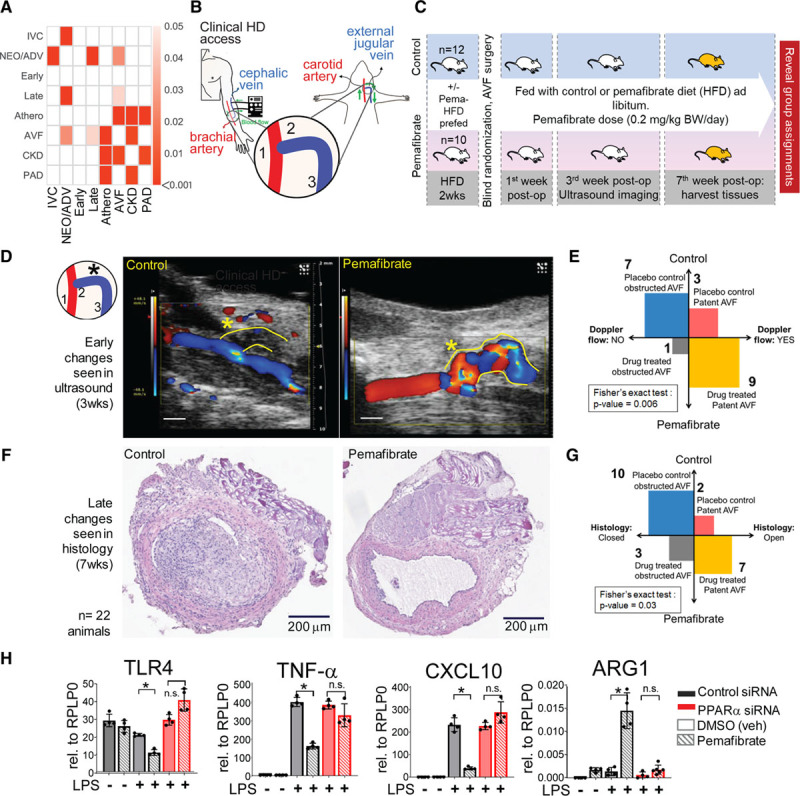
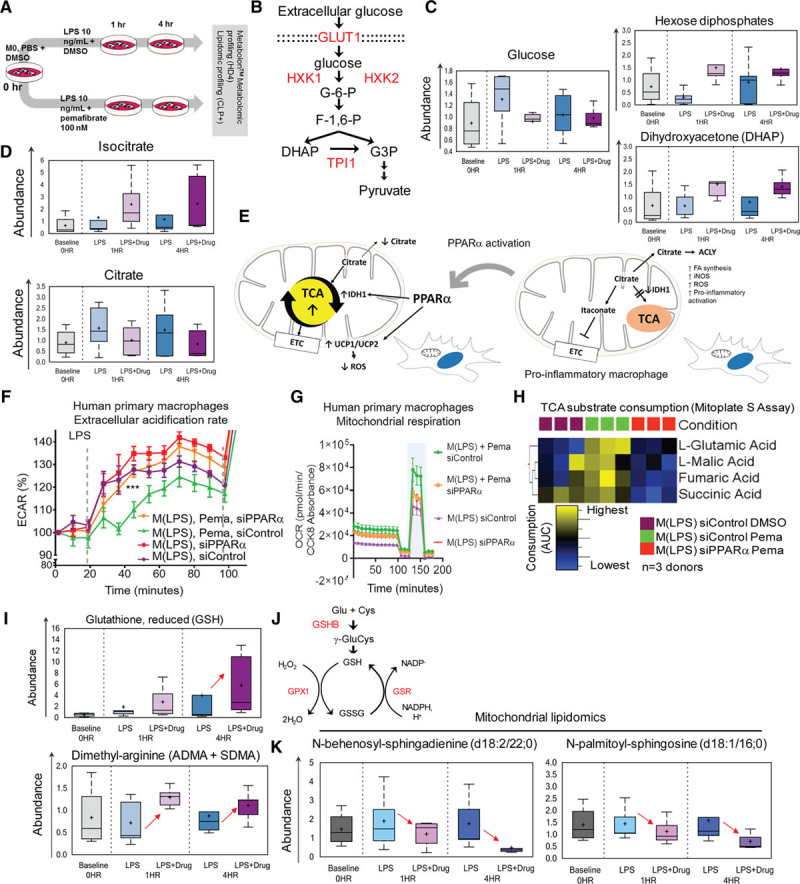
We identified changes in the vein graft proteome associated with immune responses, lipid metabolism regulated by the PPARs, fatty acid metabolism, matrix remodeling, and hematopoietic cell mobilization. PPARα agonism by pemafibrate retarded the development and inflammation of vein graft lesions in mice, whereas gene silencing worsened plaque formation. Pemafibrate also suppressed arteriovenous fistula lesion development. Metabolomics/lipidomics, functional metabolic assays, and single-cell analysis of cultured human macrophages revealed that PPARα modulates macrophage glycolysis, citrate metabolism, mitochondrial membrane sphingolipid metabolism, and heterogeneity.
This study explored potential drivers of vein graft inflammation and identified PPARα as a novel potential pharmacological treatment for this unmet medical need.
静脉移植物失败仍然是一个常见的临床挑战。我们在小鼠实验中应用系统方法来发现静脉移植物失败的治疗靶点。
对多种静脉移植物组织进行全局蛋白质组学和高维聚类分析,以确定潜在的致病机制。PPARs(过氧化物酶体增殖物激活受体)途径被用作证实我们发现平台的一个例子。用靶向巨噬细胞的 PPARα 小干扰 RNA 或新型选择性激动剂 pemafibrate 的体内小鼠实验,证明了 PPARα 在静脉移植物病变的发展和炎症中的作用。体外实验还包括对原代人和鼠巨噬细胞进行代谢组学分析、定量聚合酶链反应、流式细胞术、代谢测定和单细胞 RNA 测序。
我们鉴定了与免疫反应、PPARs 调节的脂质代谢、脂肪酸代谢、基质重塑和造血细胞动员相关的静脉移植物蛋白质组变化。Pemafibrate 对 PPARα 的激动作用延缓了小鼠静脉移植物病变的发展和炎症,而基因沉默则加重了斑块形成。Pemafibrate 还抑制了动静脉瘘病变的发展。代谢组学/脂质组学、功能代谢测定和培养的人巨噬细胞的单细胞分析表明,PPARα 调节巨噬细胞糖酵解、柠檬酸代谢、线粒体膜鞘脂代谢和异质性。
本研究探讨了静脉移植物炎症的潜在驱动因素,并确定了 PPARα 作为治疗这种未满足的医学需求的一种新的潜在药物治疗方法。