Electrodics and Electrocatalysis (EEC) Division, CSIR - Central Electrochemical Research Institute (CSIR - CECRI), Karaikudi, 630003, Tamil Nadu, India.
Academy of Scientific and Innovative Research (AcSIR), Ghaziabad, 201002, India.
Sci Rep. 2021 Apr 7;11(1):7663. doi: 10.1038/s41598-021-86866-z.
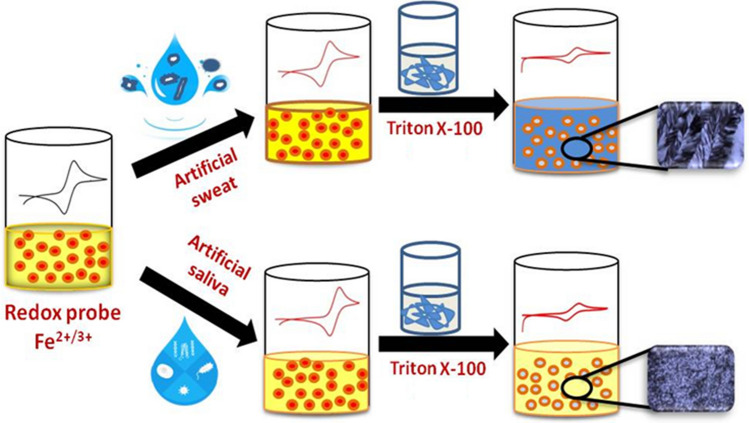
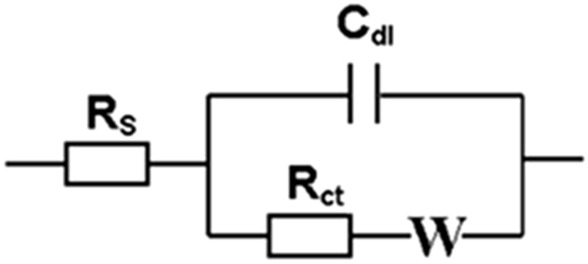
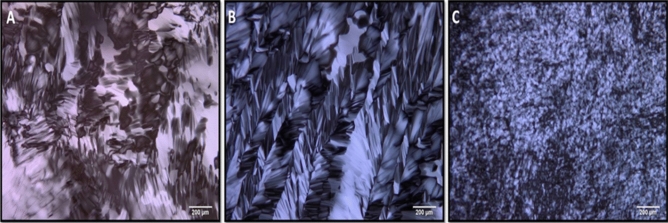
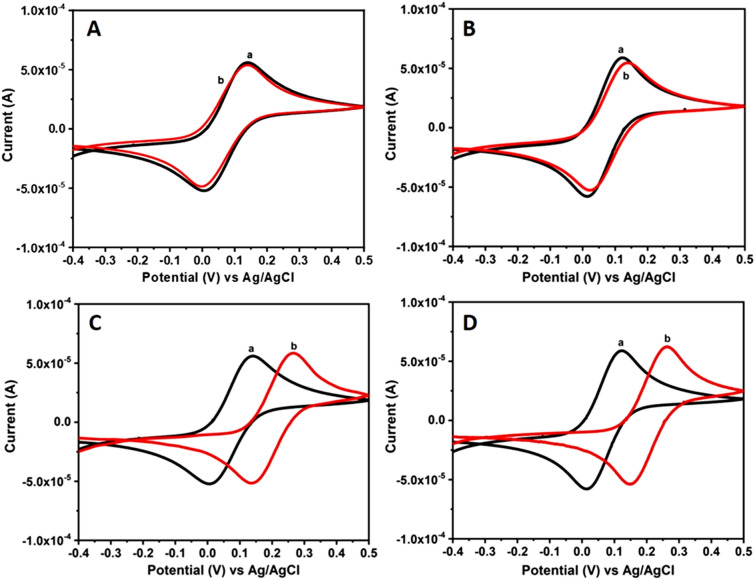
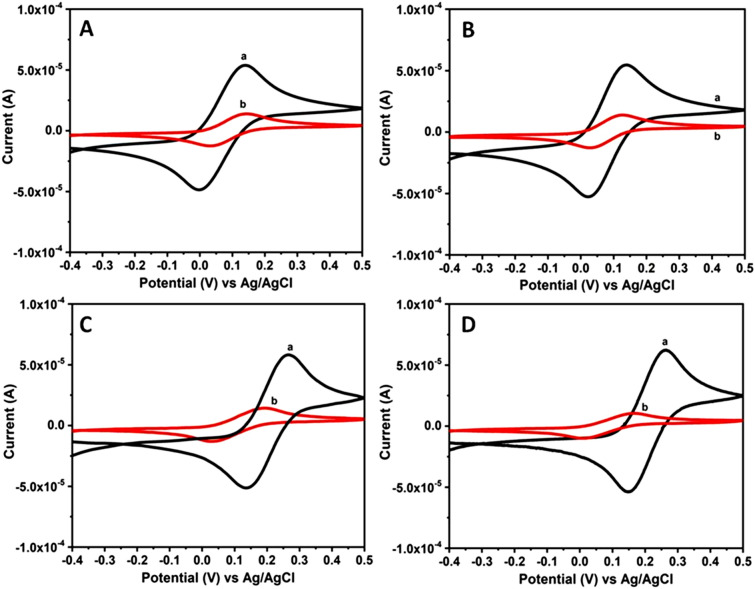
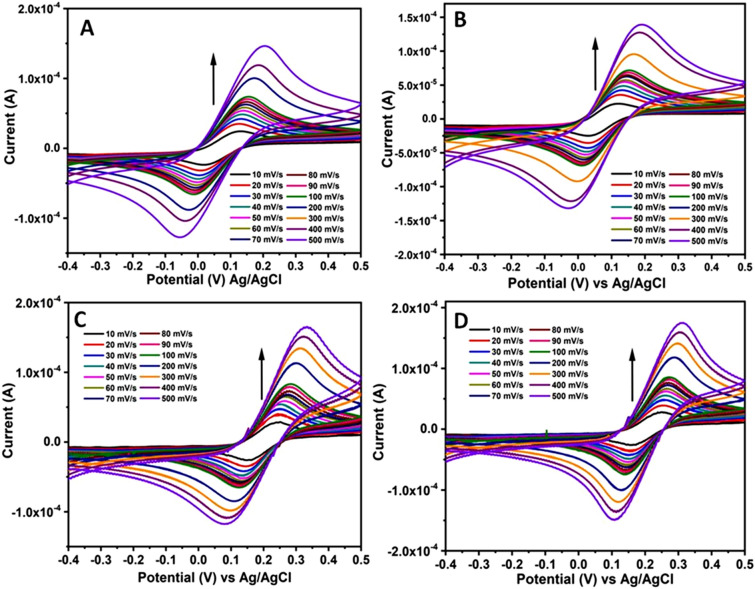
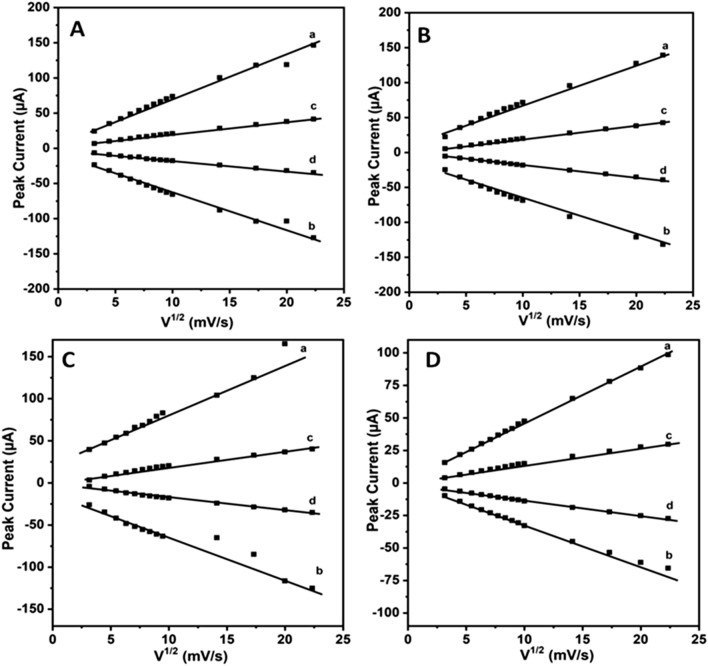
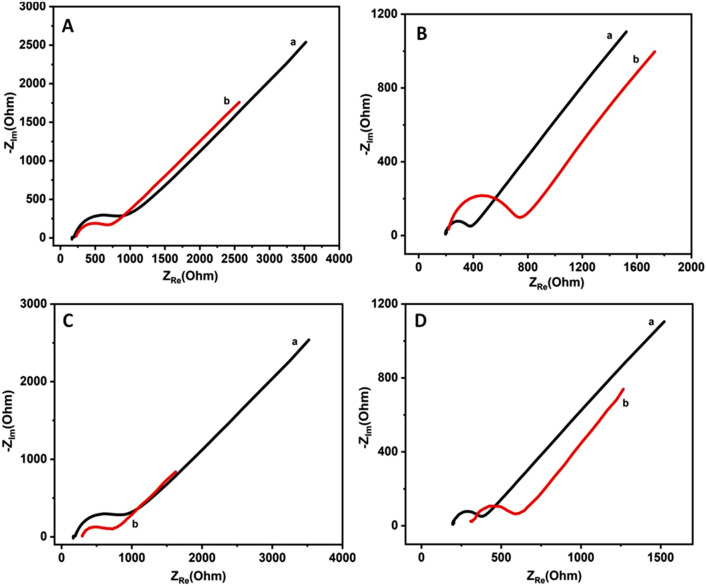
Modern day hospital treatments aim at developing electrochemical biosensors for early diagnosis of diseases using unconventional human bio-fluids like sweat and saliva by monitoring the electron transfer reactions of target analytes. Such kinds of health care diagnostics primarily avoid the usage of human blood and urine samples. In this context, here we have investigated the electron transfer reaction of a well-known and commonly used redox probe namely, potassium ferro/ferri cyanide by employing artificially simulated bio-mimics of human sweat and saliva as unconventional electrolytes. Typically, electron transfer characteristics of the redox couple, [Fe(CN)] are investigated using electrochemical techniques like cyclic voltammetry and electrochemical impedance spectroscopy. Many different kinetic parameters are determined and compared with the conventional system. In addition, such electron transfer reactions have also been studied using a lyotropic liquid crystalline phase comprising of Triton X-100 and water in which the aqueous phase is replaced with either human sweat or saliva bio-mimics. From these studies, we find out the electron transfer reaction of [Fe(CN)] redox couple is completely diffusion controlled on both Au and Pt disc shaped electrodes in presence of sweat and saliva bio-mimic solutions. Moreover, the reaction is partially blocked by the presence of lyotropic liquid crystalline phase consisting of sweat and saliva bio-mimics indicating the predominant charge transfer controlled process for the redox probe. However, the rate constant values associated with the electron transfer reaction are drastically reduced in presence of liquid crystalline phase. These studies are essentially carried out to assess the effect of sweat and saliva on the electrochemistry of Fe redox couple.
现代医院治疗旨在开发电化学生物传感器,通过监测目标分析物的电子转移反应,利用非常规的人体生物流体(如汗液和唾液)进行疾病的早期诊断。这种医疗保健诊断主要避免使用人体血液和尿液样本。在这种情况下,我们研究了一种众所周知且常用的氧化还原探针——亚铁氰化钾/铁氰化钾的电子转移反应,方法是用人造模拟的汗液和唾液作为非常规电解质。通常,使用电化学技术(如循环伏安法和电化学阻抗谱法)研究氧化还原对[Fe(CN)]的电子转移特性。确定并比较了许多不同的动力学参数与传统系统。此外,还使用包含 Triton X-100 和水的溶致液晶相研究了这种电子转移反应,其中水相被汗液或唾液仿生液代替。从这些研究中,我们发现[Fe(CN)]氧化还原偶在汗液和唾液仿生溶液存在下,在 Au 和 Pt 圆盘电极上的电子转移反应完全受扩散控制。此外,在含有汗液和唾液仿生液的溶致液晶相存在下,反应部分受阻,表明氧化还原探针的主要电荷转移控制过程。然而,在存在液晶相的情况下,与电子转移反应相关的速率常数值大大降低。这些研究主要是为了评估汗液和唾液对 Fe 氧化还原偶电化学的影响。