Du Xiaolong, Zhang Chen, Yin Chuanzheng, Wang Wenjie, Yan Xueke, Xie Dawei, Zheng Xichuan, Zheng Qichang, Li Min, Song Zifang
Department of Hepatobiliary Surgery, Union Hospital, Tongji Medical College, Huazhong University of Science and Technology, Wuhan, China.
State Key Laboratory of Molecular Oncology, National Cancer Center/National Clinical Research Center for Cancer/Cancer Hospital, Chinese Academy of Medical Sciences and Peking Union Medical College, Beijing, China.
Front Oncol. 2021 Mar 22;11:633899. doi: 10.3389/fonc.2021.633899. eCollection 2021.
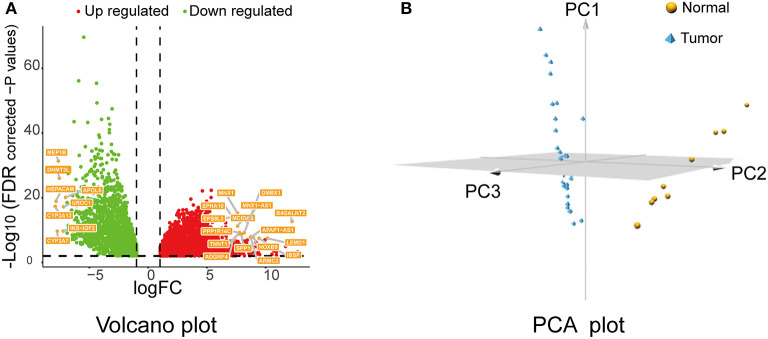
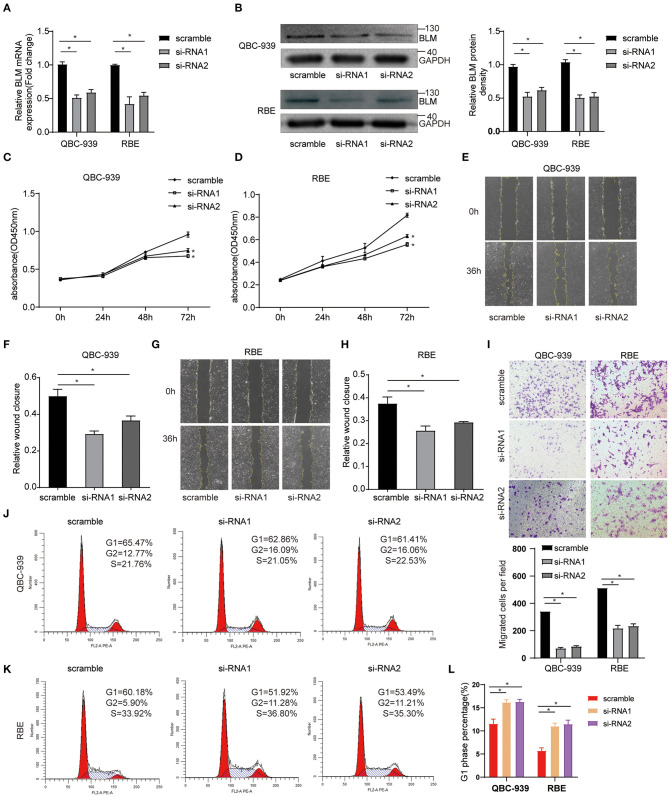
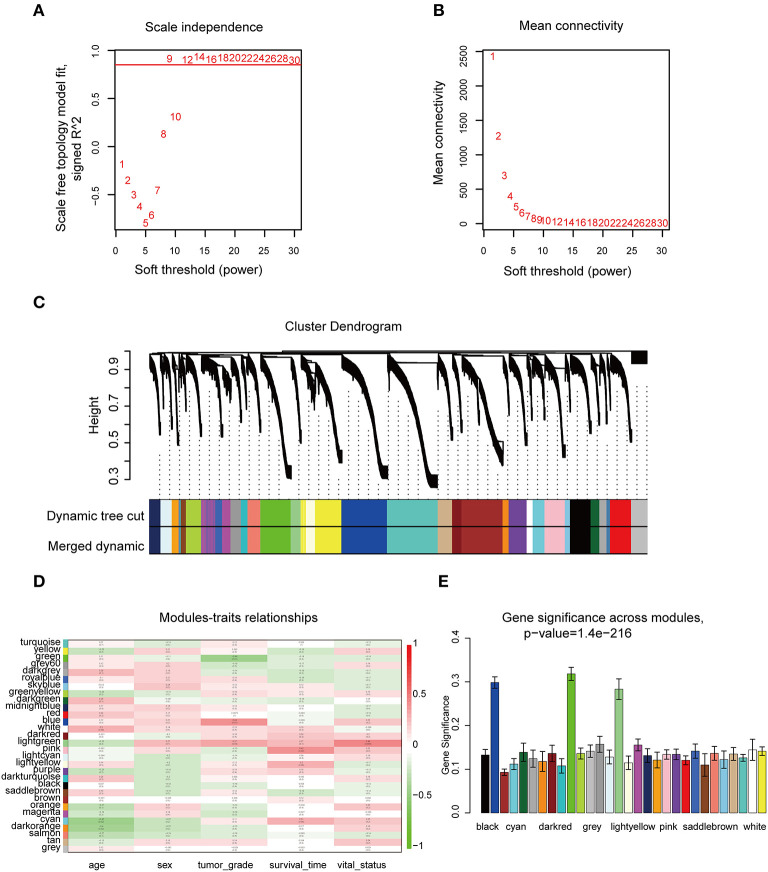
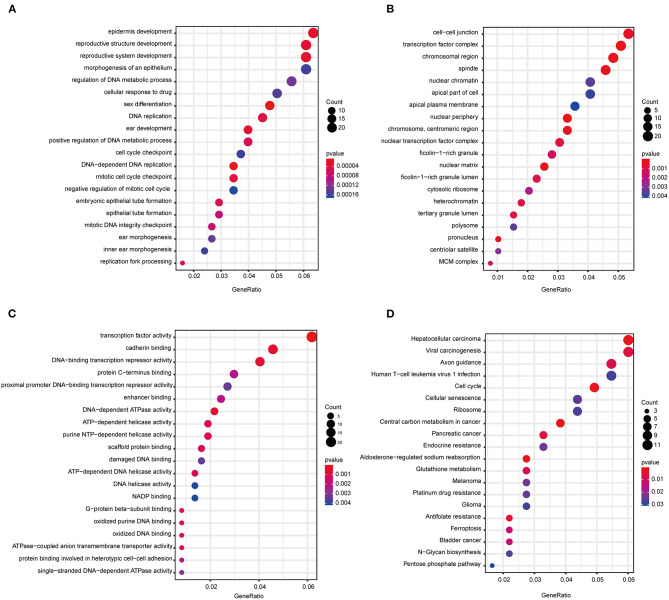
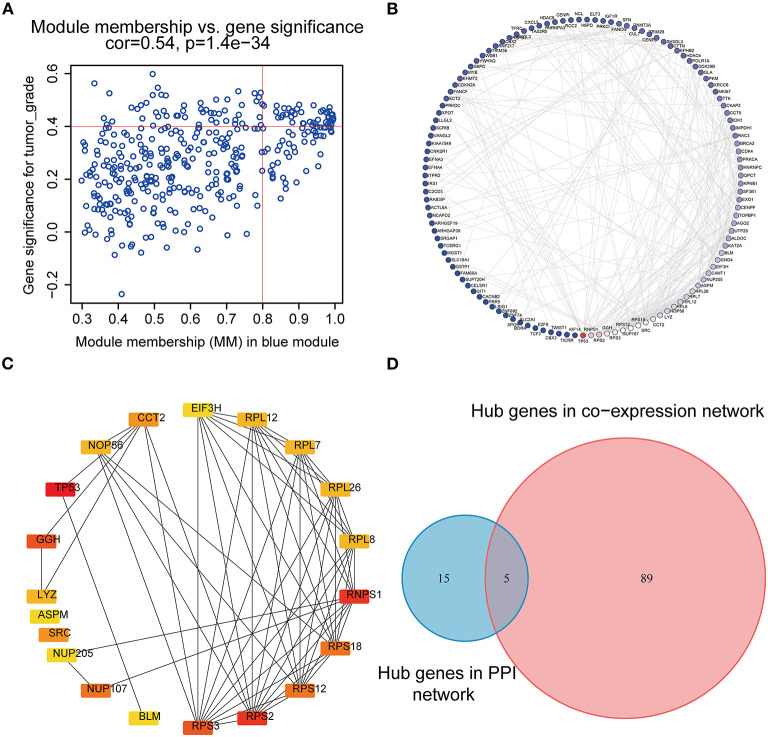
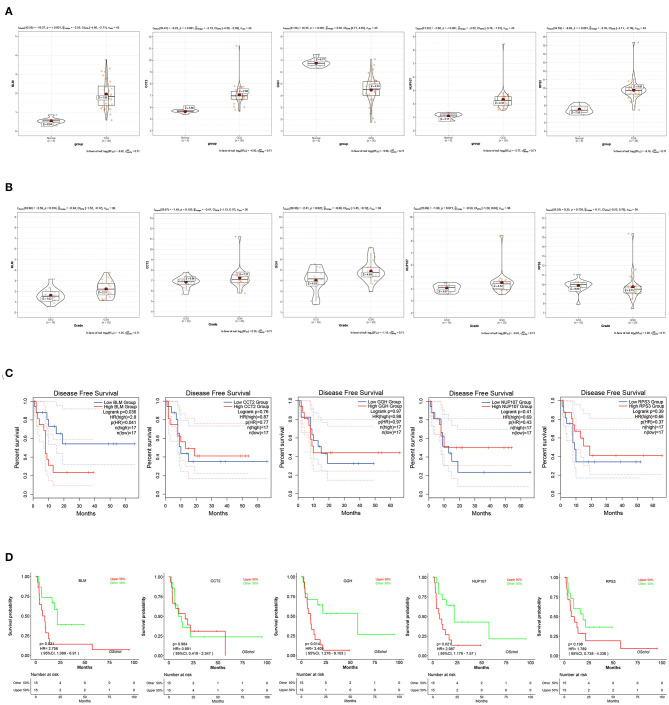
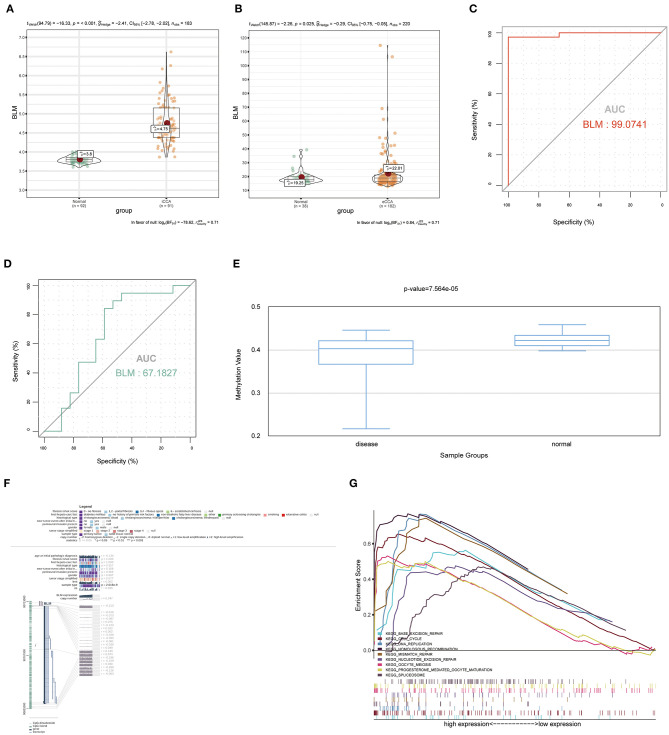
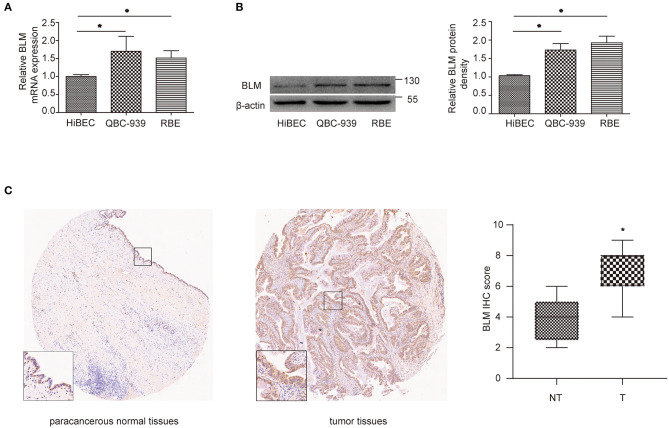
Molecular mechanisms underlying the tumorigenesis of a highly malignant cancer, cholangiocarcinoma (CCA), are still obscure. In our study, the CCA expression profile data were acquired from The Cancer Genome Atlas (TCGA) database, and differentially expressed genes (DEGs) in the TCGA-Cholangiocarcinoma (TCGA-CHOL) data set were utilized to construct a co-expression network weighted gene co-expression network analysis (WGCNA). The blue gene module associated with the histopathologic grade of CCA was screened. Then, five candidate hub genes were screened by combining the co-expression network with protein-protein interaction (PPI) network. After progression and survival analyses, bloom syndrome helicase (BLM) was ultimately identified as a real hub gene. Moreover, the receiver operating characteristic (ROC) curve analysis suggested that BLM had a favorable diagnostic and predictive recurrence value for CCA. The gene set enrichment analysis (GSEA) results for a single hub gene revealed the importance of cell cycle-related pathways in the CCA progression and prognosis. Furthermore, we detected the BLM expression , and the results demonstrated that the expression level of BLM was much higher in the CCA tissues and cells relative to adjacent non-tumor samples and normal bile duct epithelial cells. Additionally, after further silencing the BLM expression by small interfering RNA (siRNA), the proliferation and migration ability of CCA cells were all inhibited, and the cell cycle was arrested. Altogether, a real hub gene (BLM) and cell cycle-related pathways were identified in the present study, and the gene BLM may be involved in the CCA progression and could act as a reliable biomarker for potential diagnosis and prognostic evaluation.
高恶性癌症胆管癌(CCA)发生发展的分子机制仍不清楚。在我们的研究中,从癌症基因组图谱(TCGA)数据库获取CCA表达谱数据,并利用TCGA-胆管癌(TCGA-CHOL)数据集中的差异表达基因(DEGs)构建共表达网络——加权基因共表达网络分析(WGCNA)。筛选出与CCA组织病理学分级相关的蓝色基因模块。然后,通过将共表达网络与蛋白质-蛋白质相互作用(PPI)网络相结合,筛选出5个候选枢纽基因。经过进展和生存分析,最终确定布卢姆综合征解旋酶(BLM)为真正的枢纽基因。此外,受试者工作特征(ROC)曲线分析表明,BLM对CCA具有良好的诊断和预测复发价值。单个枢纽基因的基因集富集分析(GSEA)结果揭示了细胞周期相关通路在CCA进展和预后中的重要性。此外,我们检测了BLM的表达,结果表明,与相邻非肿瘤样本和正常胆管上皮细胞相比,CCA组织和细胞中BLM的表达水平要高得多。此外,通过小干扰RNA(siRNA)进一步沉默BLM表达后,CCA细胞的增殖和迁移能力均受到抑制,细胞周期停滞。总之,本研究确定了一个真正的枢纽基因(BLM)和细胞周期相关通路,基因BLM可能参与CCA的进展,并可作为潜在诊断和预后评估的可靠生物标志物。