Laboratory of Molecular Immunology, The Rockefeller University, New York, NY.
Institute of Parasitology, Biology Centre of the Czech Academy of Sciences, České Budějovice, Czech Republic.
J Exp Med. 2021 May 3;218(5). doi: 10.1084/jem.20210236.
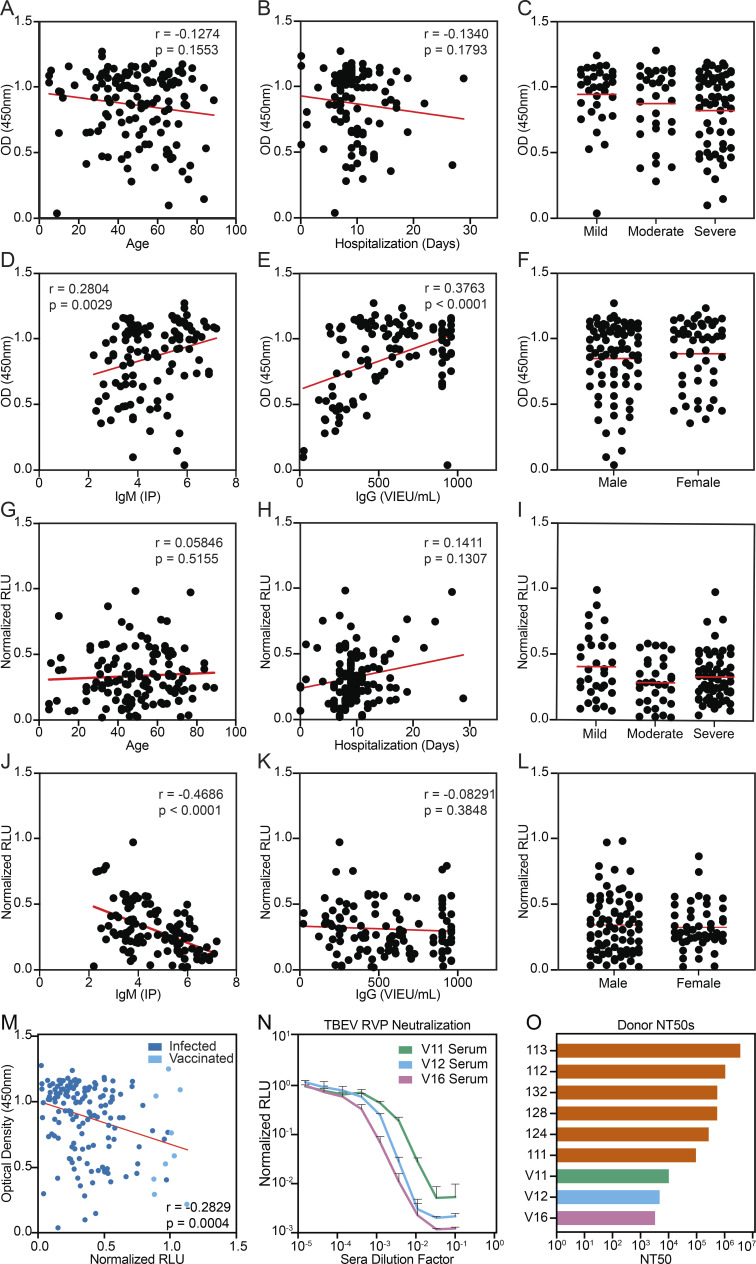
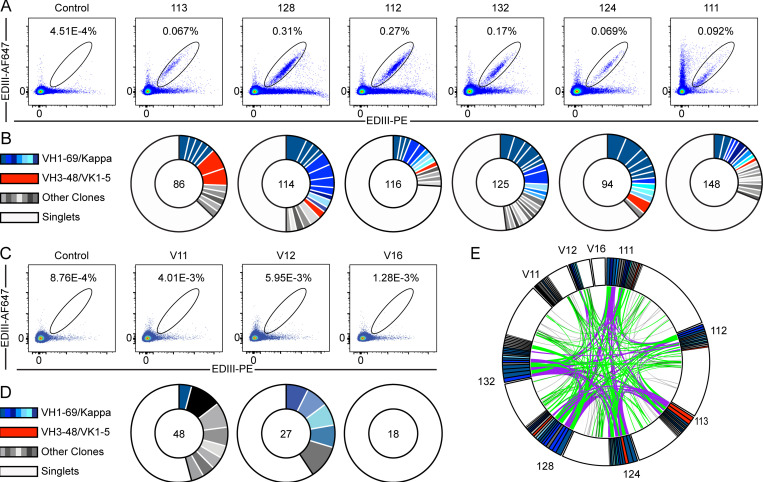
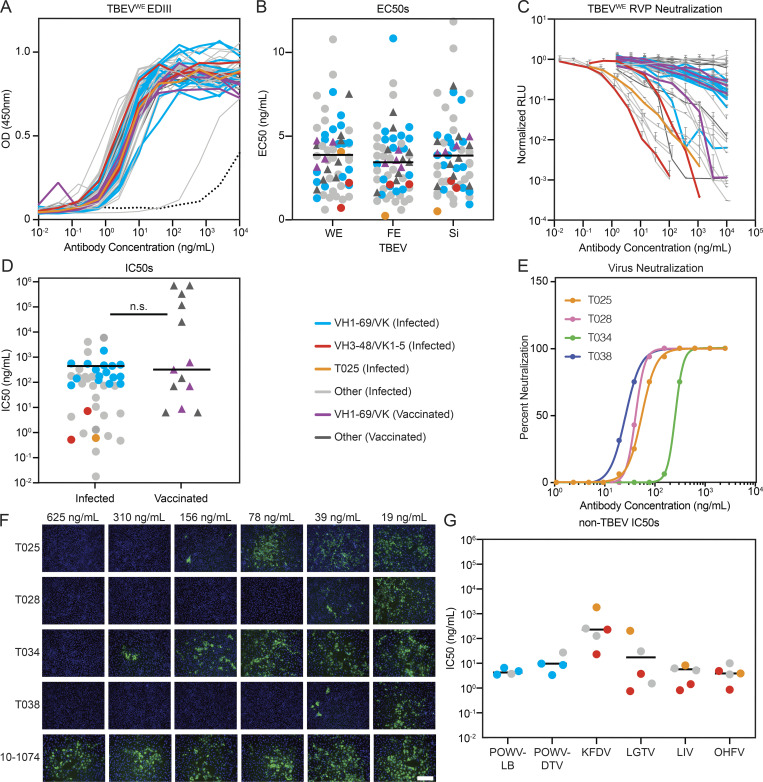
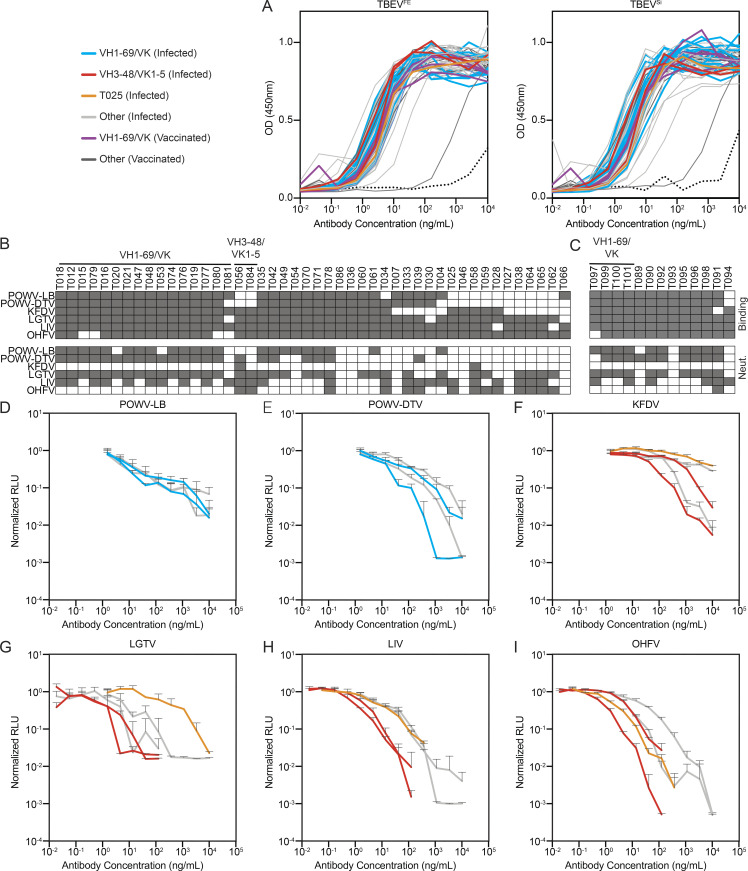
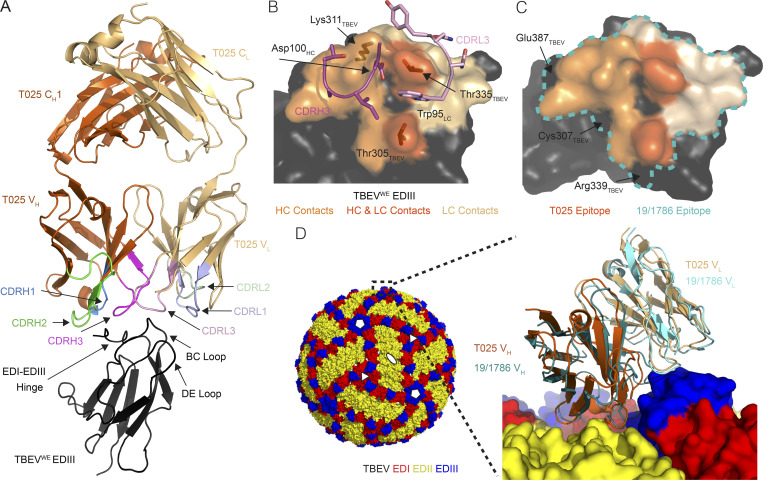
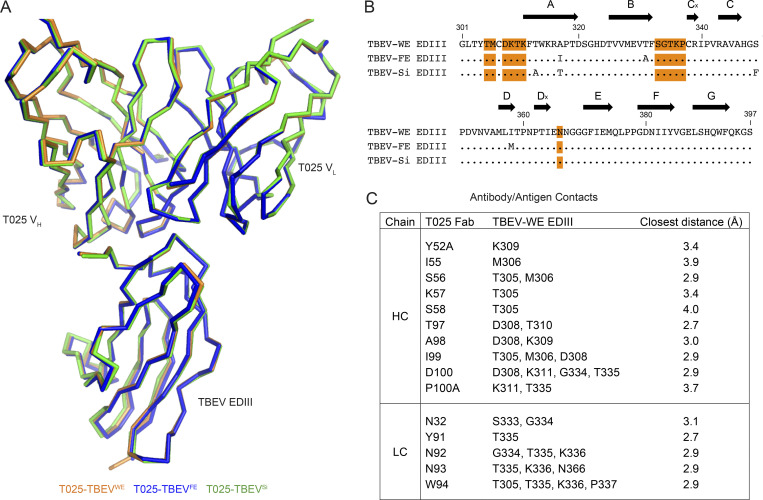
Tick-borne encephalitis virus (TBEV) is an emerging human pathogen that causes potentially fatal disease with no specific treatment. Mouse monoclonal antibodies are protective against TBEV, but little is known about the human antibody response to infection. Here, we report on the human neutralizing antibody response to TBEV in a cohort of infected and vaccinated individuals. Expanded clones of memory B cells expressed closely related anti-envelope domain III (EDIII) antibodies in both groups of volunteers. However, the most potent neutralizing antibodies, with IC50s below 1 ng/ml, were found only in individuals who recovered from natural infection. These antibodies also neutralized other tick-borne flaviviruses, including Langat, louping ill, Omsk hemorrhagic fever, Kyasanur forest disease, and Powassan viruses. Structural analysis revealed a conserved epitope near the lateral ridge of EDIII adjoining the EDI-EDIII hinge region. Prophylactic or early therapeutic antibody administration was effective at low doses in mice that were lethally infected with TBEV.
蜱传脑炎病毒(TBEV)是一种新兴的人类病原体,可引起致命疾病,目前尚无特效治疗方法。鼠源单克隆抗体对 TBEV 具有保护作用,但人们对人类感染后的抗体反应知之甚少。本研究报告了感染和接种疫苗的个体中 TBEV 的人中和抗体反应。在两组志愿者中,记忆 B 细胞的扩增克隆均表达了与包膜结构域 III(EDIII)密切相关的抗体。然而,仅在自然感染后康复的个体中发现了具有 IC50 值低于 1ng/ml 的最强效中和抗体。这些抗体还中和了其他蜱传黄病毒,包括 Langat、卢坪热、鄂木斯克出血热、Kyasanur 森林病和 Powassan 病毒。结构分析显示,在 EDIII 侧脊附近存在一个保守表位,毗邻 EDI-EDIII 铰链区。在 TBEV 致死感染的小鼠中,低剂量预防性或早期治疗性抗体给药是有效的。