Department of Microbiology, Blavatnik Institute, Harvard Medical School, Boston, MA 02115, USA.
Department of Microbiology and National Emerging Infectious Diseases Laboratories, Boston University School of Medicine, Boston, MA 02118, USA.
Cell. 2021 May 13;184(10):2605-2617.e18. doi: 10.1016/j.cell.2021.03.027. Epub 2021 Mar 16.
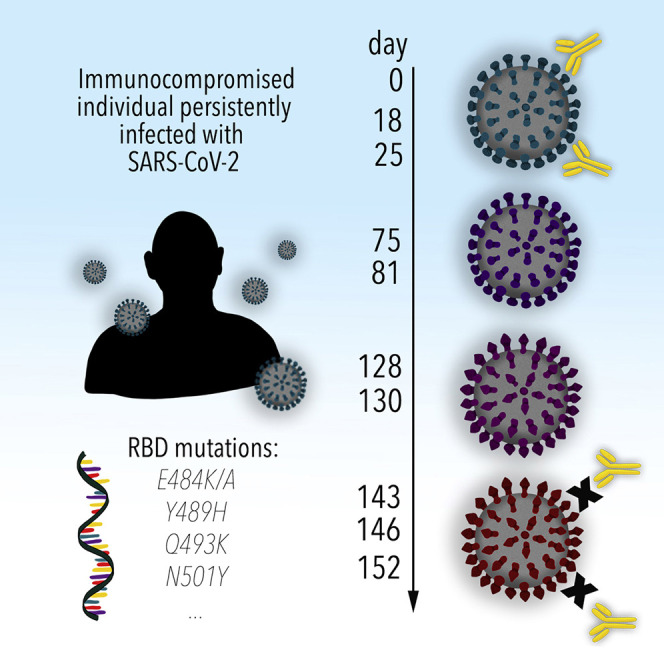
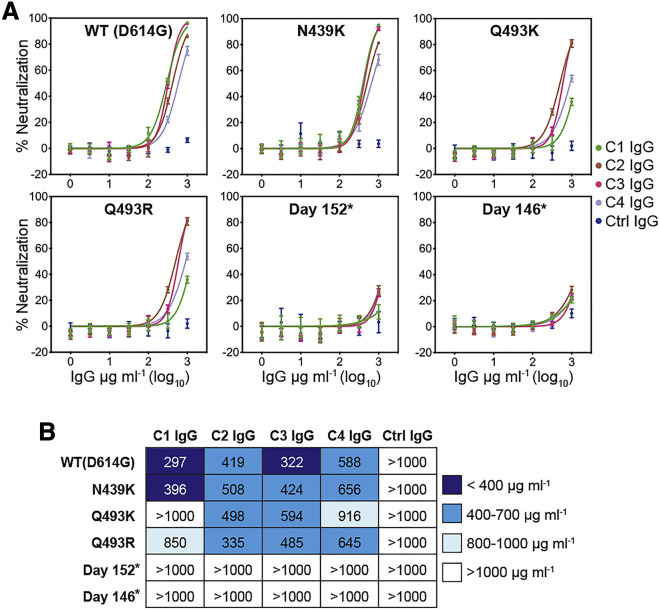
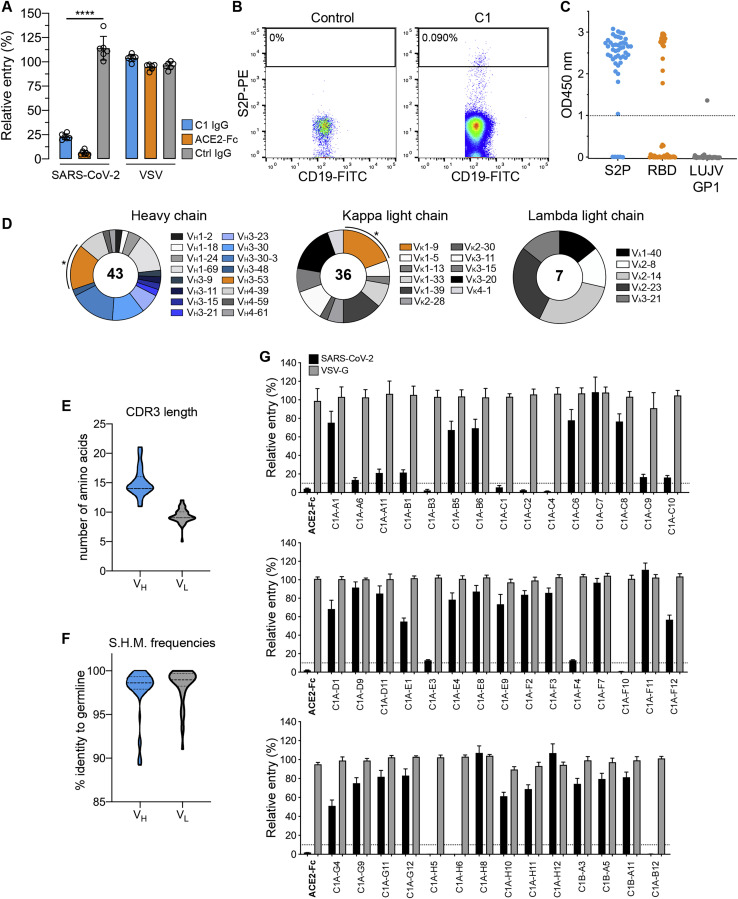
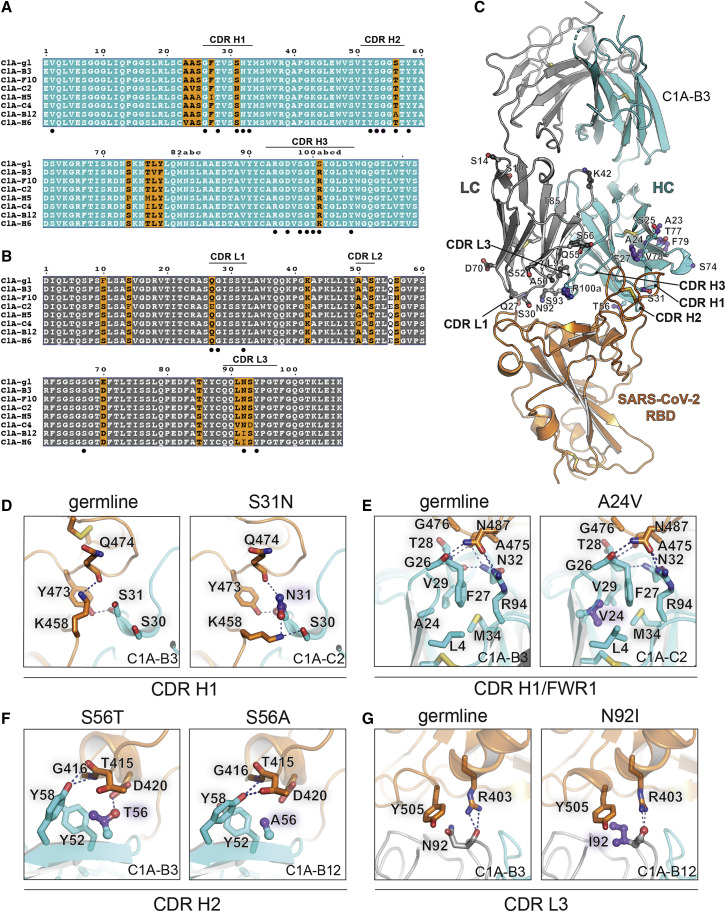
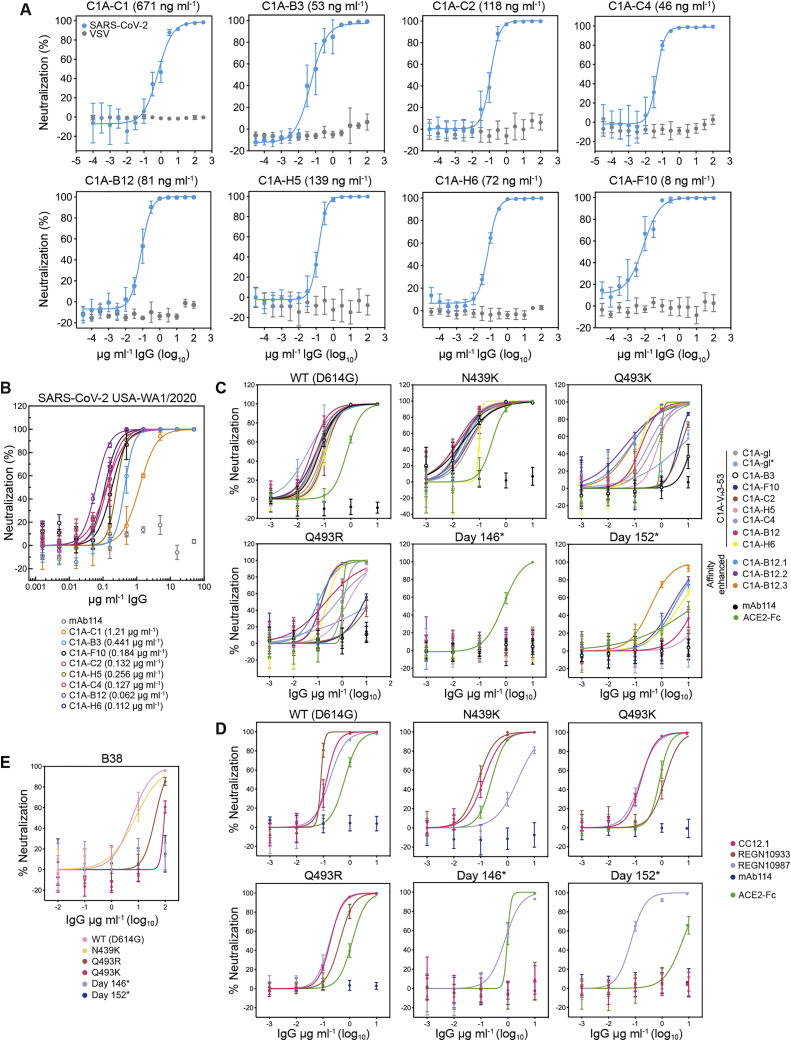
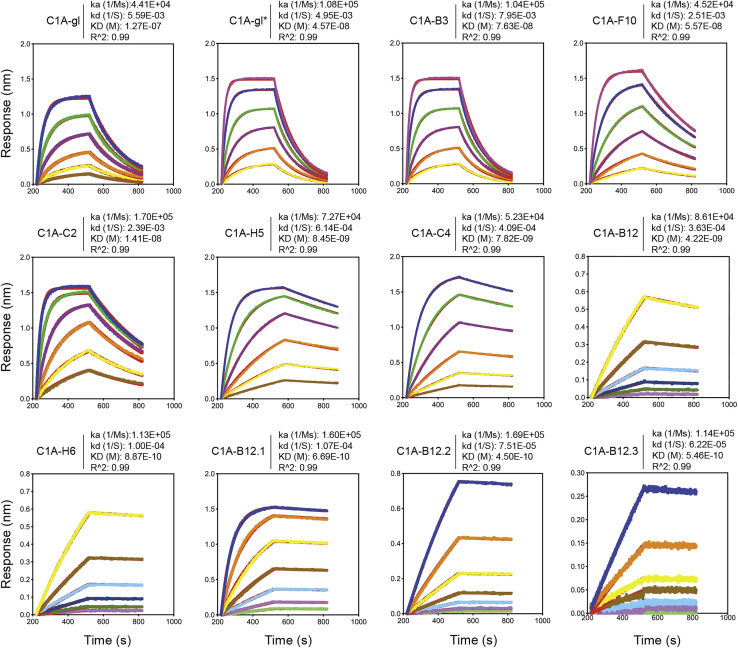
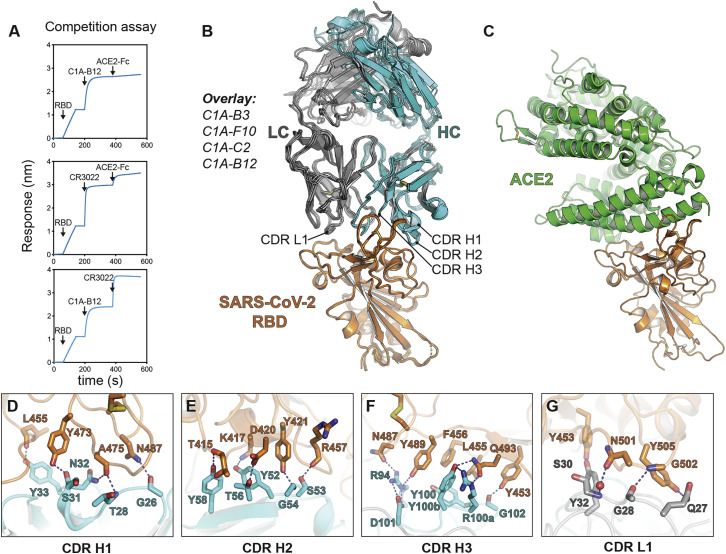
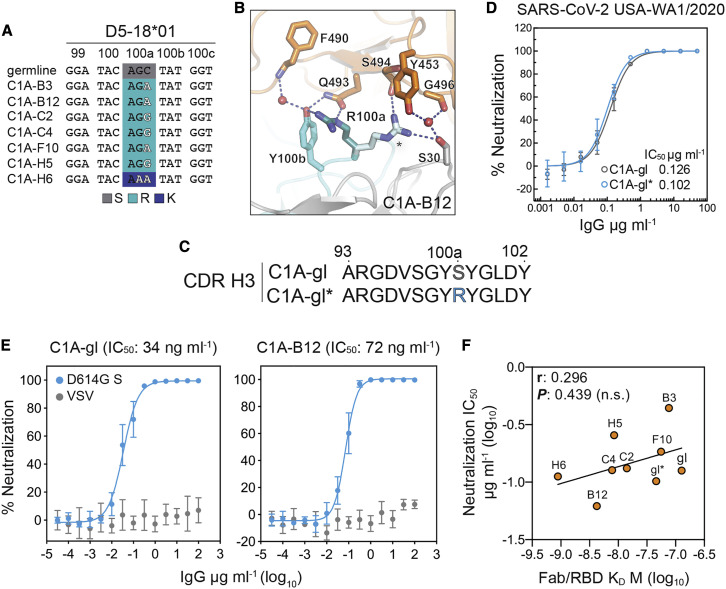
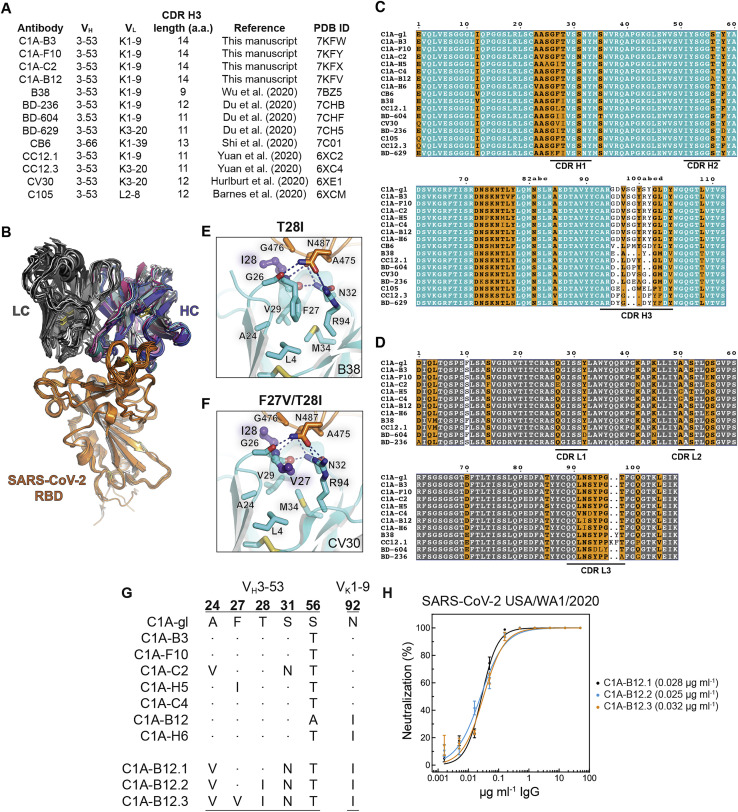
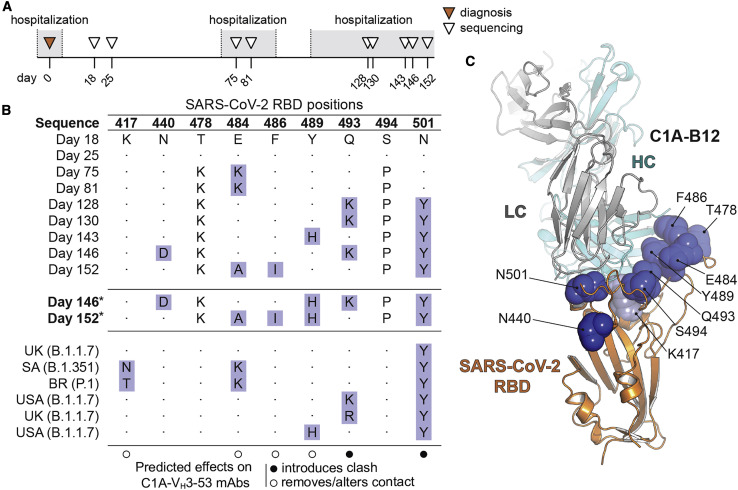
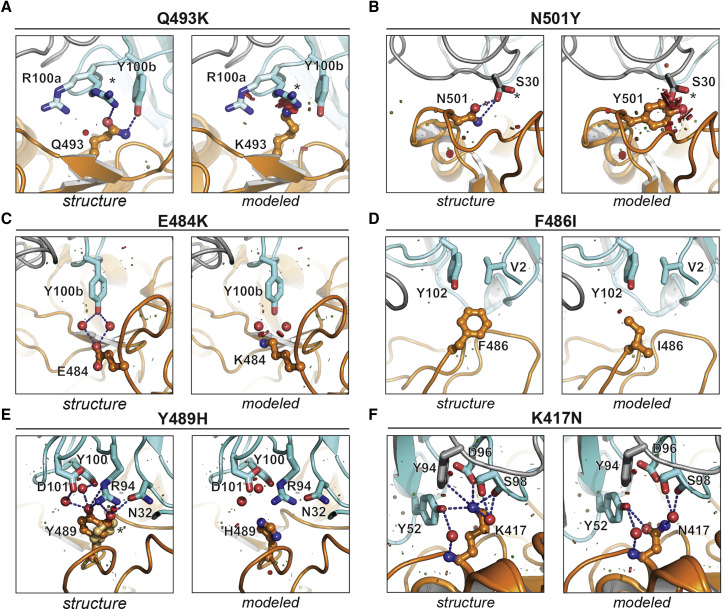
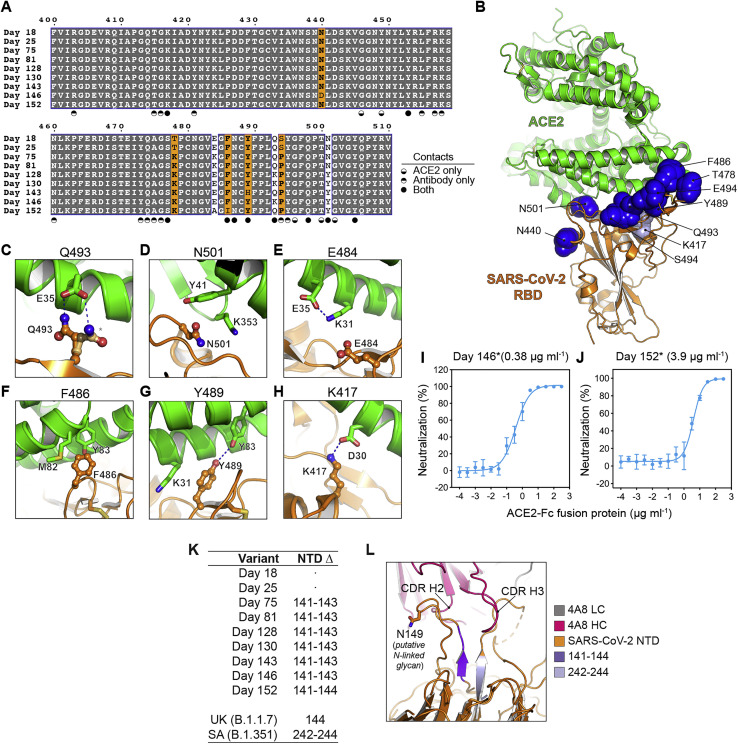
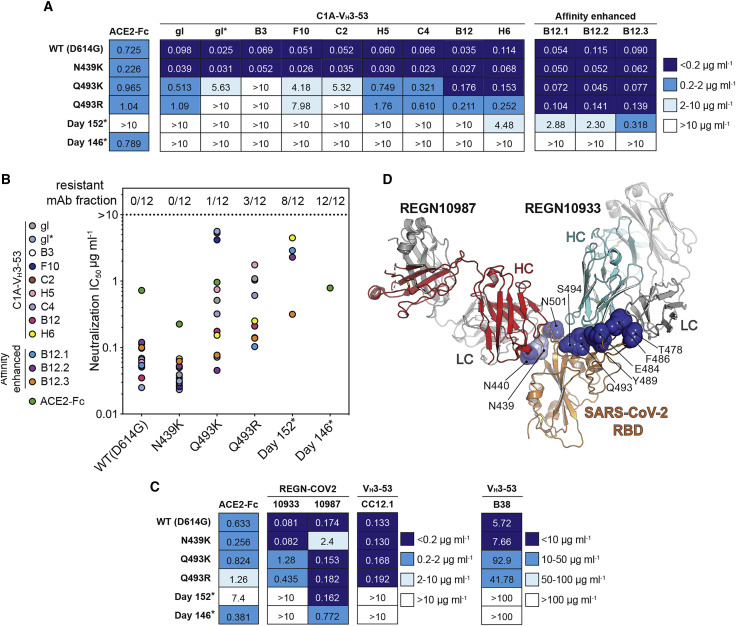
Many individuals mount nearly identical antibody responses to SARS-CoV-2. To gain insight into how the viral spike (S) protein receptor-binding domain (RBD) might evolve in response to common antibody responses, we studied mutations occurring during virus evolution in a persistently infected immunocompromised individual. We use antibody Fab/RBD structures to predict, and pseudotypes to confirm, that mutations found in late-stage evolved S variants confer resistance to a common class of SARS-CoV-2 neutralizing antibodies we isolated from a healthy COVID-19 convalescent donor. Resistance extends to the polyclonal serum immunoglobulins of four out of four healthy convalescent donors we tested and to monoclonal antibodies in clinical use. We further show that affinity maturation is unimportant for wild-type virus neutralization but is critical to neutralization breadth. Because the mutations we studied foreshadowed emerging variants that are now circulating across the globe, our results have implications to the long-term efficacy of S-directed countermeasures.
许多人对 SARS-CoV-2 产生几乎相同的抗体反应。为了深入了解病毒刺突(S)蛋白受体结合域(RBD)如何针对常见的抗体反应发生进化,我们研究了在持续感染免疫功能低下个体中病毒进化过程中发生的突变。我们使用抗体 Fab/RBD 结构来预测,并通过假型病毒来确认,在晚期进化的 S 变体中发现的突变赋予了对我们从 COVID-19 康复期供体中分离出的一种常见类 SARS-CoV-2 中和抗体的抗性。这种抗性扩展到我们测试的四个健康康复期供体中的四个的多克隆血清免疫球蛋白和四种临床使用的单克隆抗体。我们还表明,亲和力成熟对于野生型病毒中和不重要,但对于中和广度至关重要。因为我们研究的突变预示着现在正在全球流行的新出现变体,所以我们的结果对 S 靶向对策的长期疗效具有影响。